What Is a Steel Coil Packing Line and How Does It Improve Manufacturing Efficiency?
Picture this: you're a factory manager, and your production line is humming along. The coils are rolling off the line, but then they hit a wall—the packing station. Workers are scrambling, manually wrapping, strapping, and labeling. It's slow, it's risky, and every minute of delay is money lost. This bottleneck isn't just an inconvenience; it's a direct drain on your plant's efficiency and profitability. For managers like Michael in Mexico, facing intense pressure to boost output and control costs, this scene is all too familiar.
A steel coil packing line is an automated system designed to wrap, protect, and prepare steel coils for storage and shipment. It replaces manual labor with coordinated machines—like coil cars, wrappers, strappers, and labelers—to create a seamless, high-speed finish to the production process. This automation directly tackles manufacturing inefficiencies by drastically reducing packaging time, minimizing labor costs, eliminating product damage, and enhancing workplace safety. (automated coil packaging system, steel coil handling equipment)
If you're reading this, you're likely searching for a real solution, not just another machine brochure. You need a system that understands the harsh realities of a metalworking floor. In this article, we'll break down exactly how a modern packing line works and, more importantly, how its components translate into tangible gains for your operation. We'll move from the core concept to the specific benefits, giving you a clear framework to evaluate your own needs.
1. What Exactly Constitutes a Modern Steel Coil Packing Line?
You might think a packing line is just a wrapper at the end of a conveyor. That's a common misconception. A single machine can't solve systemic bottlenecks. The real power lies in integration. A standalone wrapper fed by a forklift still relies on manual intervention, leaving safety and speed issues unresolved. The true efficiency leap comes from a fully synchronized line where machines communicate and hand off coils automatically.
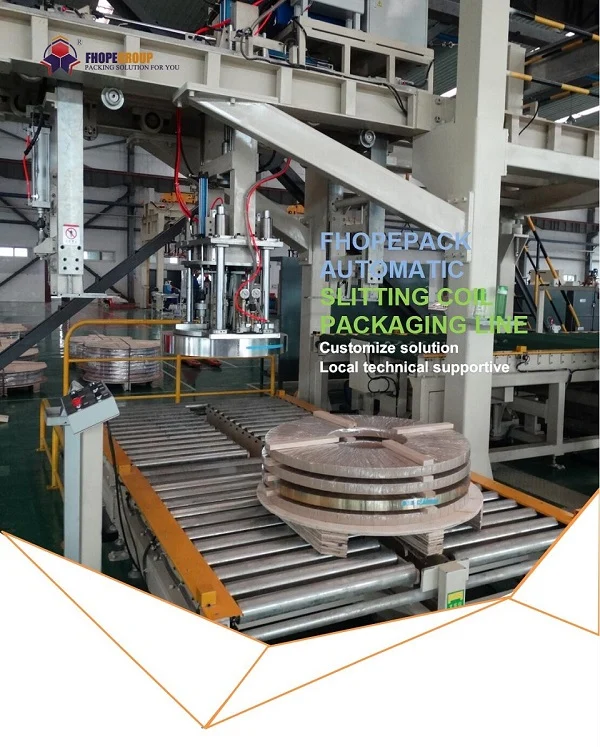
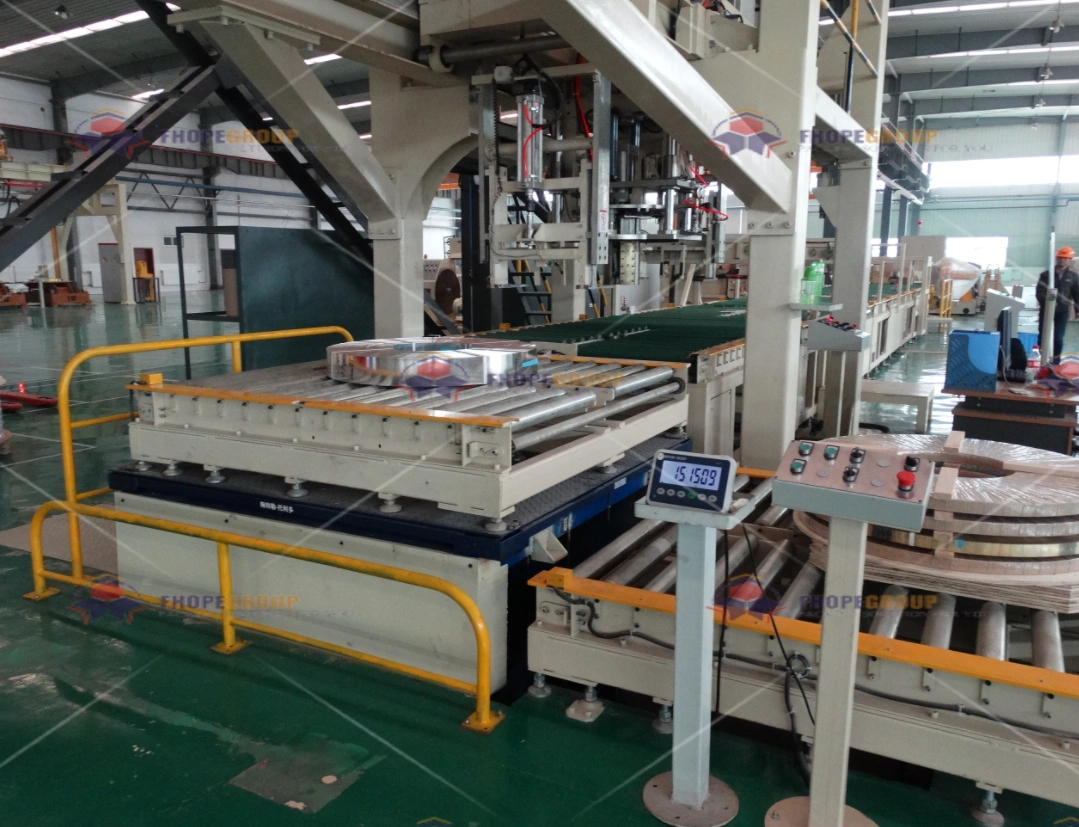
A modern steel coil packing line is a fully integrated sequence of specialized equipment. It typically starts with a motorized coil car or conveyor that receives the coil from the production line. This feeds into an automatic wrapper (often using stretch film), followed by a strapping machine that applies steel or plastic bands. The line is completed with automatic weighing, labeling, and sometimes a tilting device to place the finished coil onto a pallet or cradle, all controlled from a central panel. (integrated coil packaging solution, automatic steel coil strapping)
🛠️ Deconstructing the Line: Core Components & Their Roles
To understand its value, let's look at what each part does. Think of it as a relay team where each runner is a machine optimized for a specific task.
| Component | Primary Function | Replaces | Key Benefit |
|---|---|---|---|
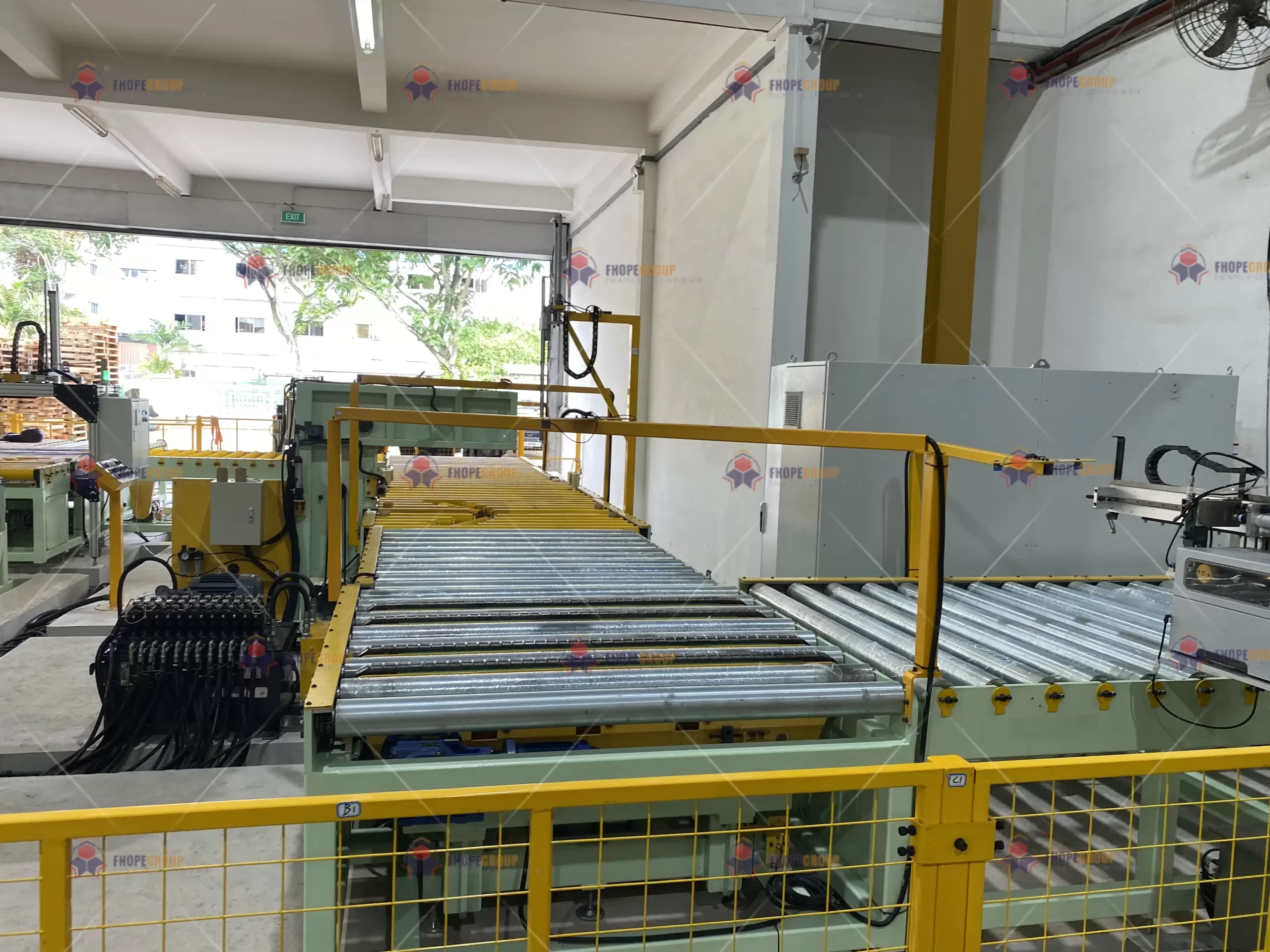
| Motorized Coil Car / Conveyor | Transports the coil between stations without manual lifting. | Forklift, crane, manual rolling. | Eliminates heavy lifting, reduces damage risk, ensures precise positioning. |
| Automatic Wrapping Machine | Applies protective stretch film around the coil's circumference. | 2-3 workers with hand-held film. | Consistent, tight wraps at high speed; uses less film material. |
| Automatic Strapping Machine | Applies and seals metal or plastic straps for secure bundling. | Manual strapping tools. | Uniform tension every time; vastly faster; no operator fatigue. |
| Weighing & Labeling System | Automatically weighs the coil and prints/attaches a shipping label. | Manual scale and label application. | Guarantees data accuracy, speeds up logistics, supports traceability. |
| Central Control Panel | The "brain" that coordinates all machines. | Multiple independent operators. | Allows one person to oversee the entire process; enables data logging. |
🔍 The Critical Link: Material Handling
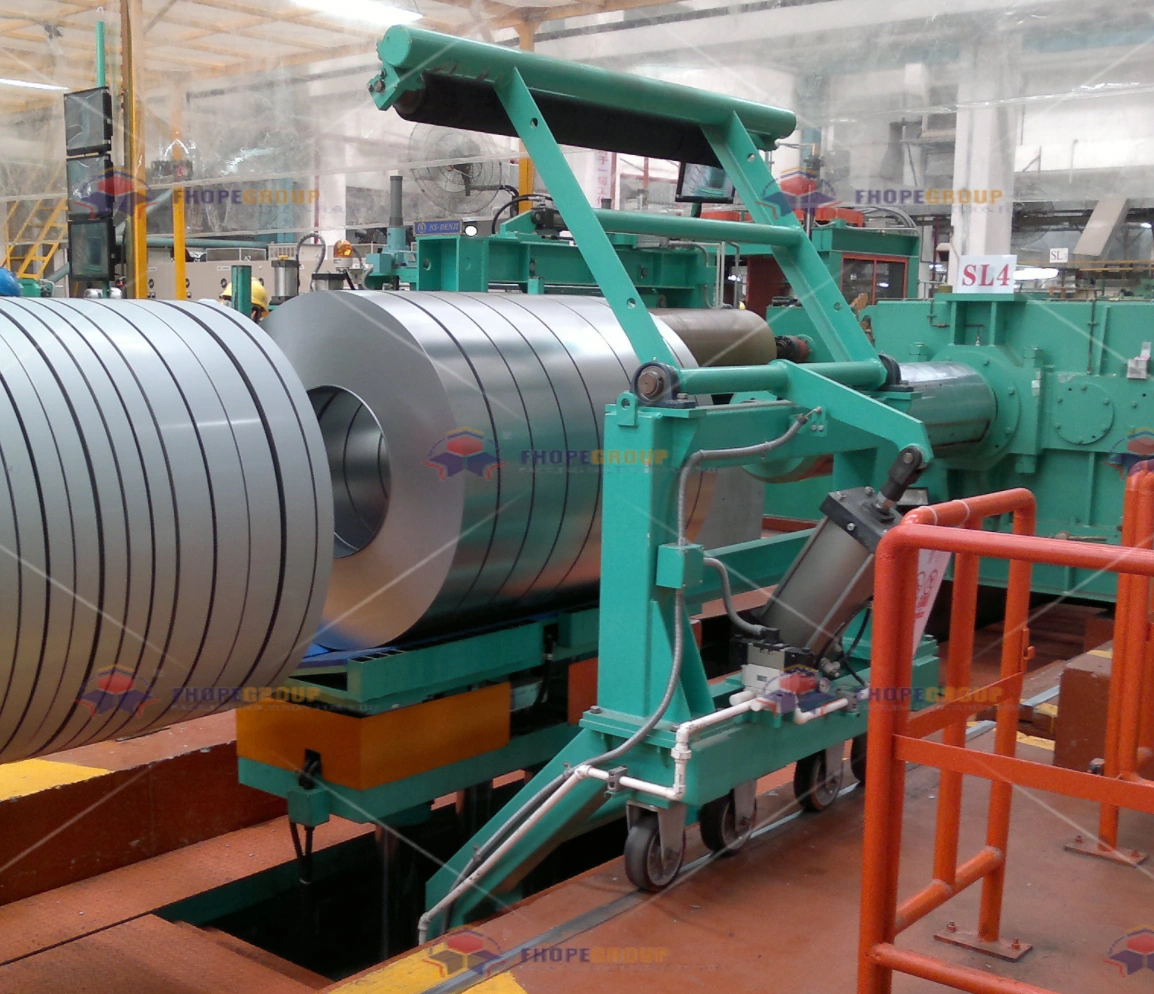
The unsung hero of efficiency is the first step: material handling. A pit-type coil car, for instance, sits flush with the floor, receiving the coil directly from the mandrel. It then moves it smoothly into the wrapper. This seamless transfer is crucial. Any pause, misalignment, or need for manual adjustment here creates the initial bottleneck. A well-designed line ensures the coil flows like water from one stage to the next. When evaluating lines, pay close attention to the transfer mechanisms. Brands like Fengding excel here by engineering robust transfer cars that integrate perfectly with both upstream production and downstream packaging, ensuring zero hand-off delays. (coil transfer car, automated material handling system)
💡 The Integration Advantage
The magic isn't just in the machines, but in how they talk to each other. A line from Wuxi Buhui might offer excellent individual machines, but the total benefit is maximized when sensors, PLCs, and conveyors are designed to work as one unit. This integration reduces the "waiting time" between processes, which is where most hidden inefficiencies live. It turns a series of steps into a continuous, streamlined operation. (PLC controlled packaging line, synchronized coil packaging)
2. How Does Automation in Packing Directly Translate to Higher Efficiency?
Let's talk numbers. Efficiency isn't an abstract concept; it's measured in coils-per-hour, labor costs, and reduction in waste. Manual packing is variable—it depends on worker skill, fatigue, and shift changes. One hour you might pack 4 coils, the next only 2. This inconsistency wreaks havoc on production planning and shipping schedules. Automation replaces this variability with a reliable, predictable cycle time.
Automation boosts efficiency by providing a consistent, high-speed packaging cycle independent of manual labor variables. It directly increases throughput (more coils packed per shift), reduces direct labor costs (requiring fewer operators), and minimizes non-productive time (like breaks or shift changes). This creates a predictable and scalable finish to your production process. (packaging line throughput, reduce labor in coil packing)
📈 The Efficiency Equation: Breaking Down the Gains
We can quantify the improvement in three key areas:
-
Throughput Speed (Coils/Hour):
- Manual Process: Requires multiple workers to position, wrap, strap, and label. Average time: 15-25 minutes per coil.
- Automated Line: The sequence is automated. A typical line can complete a cycle in 5-8 minutes per coil.
- Result: A 200-300% increase in packing speed. This clears the bottleneck at the end of your line, allowing your main production (e.g., slitting, rolling) to run at full capacity without waiting.
-
Labor Optimization (Cost/Coil):
- Manual: May require 2-3 dedicated operators per shift, plus forklift drivers.
- Automated: Often requires just 1 operator to monitor the system and handle exceptions.
- Result: Direct labor costs for packing can be reduced by 50-70%. These workers can be redeployed to more value-added tasks like quality control or machine maintenance.
-
Loss Prevention (Savings/Coil):
- Manual: Higher risk of edge damage from improper handling, inconsistent wrapping leading to rust, and labeling errors causing shipping delays.
- Automated: Gentle, programmed handling; consistent film tension and overlap; accurate automated data entry.
- Result: Significant reduction in customer rejections and claims for damage. This protects your profit margin on every single coil shipped.
⚙️ Beyond Speed: The Ripple Effects of Reliability
Efficiency isn't just about peak speed. It's about sustained, reliable output. An automated line doesn't get tired, take breaks, or have an "off day." This reliability allows for:
- Accurate Production Scheduling: You know exactly how many coils can be packed and shipped each day.
- Just-in-Time (JIT) Compatibility: You can pack coils closer to shipment time, reducing inventory holding costs.
- Scalability: As your production grows, the packing line can often be tuned or extended to handle higher volumes, unlike a manual team which would require hiring and training many new people.
For a manager like Michael, dealing with the high-volume demands of the Mexican manufacturing sector, this reliability is as valuable as the raw speed. It turns packing from a constant headache into a predictable, managed process. Investing in a top-tier line from a leader like Fengding ensures this reliability is built-in with durable components and smart engineering, maximizing your long-term return on investment. (ROI of automated packing, reliable coil packaging equipment)
3. What Are the Critical Safety and Quality Benefits Beyond Speed?
Speed and cost savings are compelling, but for any responsible plant manager, they cannot come at the expense of worker safety or product integrity. In fact, the most powerful argument for automation often lies in risk mitigation. Manual coil handling is one of the most hazardous activities in a metal plant. A single accident can erase years of profit and devastate a team.
Automated packing lines deliver profound safety and quality benefits by removing workers from the most dangerous tasks. They eliminate the need for manual lifting of heavy coils, working near tensioned straps, and handling sharp edges. For quality, automation ensures every coil is packaged with identical, optimal protection—consistent film layers, correct strap tension, and accurate labeling—virtually eliminating human error. (safe coil handling, consistent coil protection standards)
🛡️ The Safety Dividend: Protecting Your Greatest Asset
Let's map the safety risks of manual packing and how automation addresses them:
-
Risk: Musculoskeletal Injuries from Lifting.
- Manual: Workers strain to position multi-ton coils.
- Automated Solution: Motorized coil cars and conveyors bear the entire load. The operator's role is to monitor from a control station.
- Outcome: Drastic reduction in back, shoulder, and hand injuries. Lower insurance premiums and fewer lost workdays.
-
Risk: Striking/Pinch Points from Moving Coils.
- Manual: Forklifts and manual rolling create unpredictable movement in the packing area.
- Automated Solution: The coil moves on a fixed path within guarded machinery. Safety light curtains and emergency stops are standard.
- Outcome: A controlled, predictable environment separates personnel from moving heavy loads.
-
Risk: Injuries from Strapping Tools.
- Manual: Tensioning and sealing steel straps is a high-energy process with risk of snap-back.
- Automated Solution: The strapping machine is fully enclosed. The operator never touches the strap during tensioning or sealing.
- Outcome: Elimination of lacerations and impact injuries related to strapping.
🏆 The Quality Guarantee: Delivering Perfect Condition Every Time
Product damage during packing is a silent profit killer. Automation locks in quality through precision.
- Consistent Protection: The wrapping machine is programmed for exact film overlap, tension, and number of layers. This creates a uniform barrier against moisture, dust, and abrasion during transit and storage. No worker can match this consistency hour after hour.
- Elimination of Handling Damage: Automated transfers using V-shaped arms or belts support the coil securely by its ID, never touching the sensitive outer surface or edges. This prevents the dings, scratches, and edge damage common with chains, hooks, or improper forklift handling.
- Perfect Data Integrity: Automated weighing and labeling systems pull data directly from production records. This removes typos, misread scales, or wrong labels applied to coils—errors that lead to shipping delays, customer frustration, and potential financial penalties.
When you choose a partner, you need one who engineers for these "beyond-speed" benefits. Fengding designs with safety interlocks and precision handling as core principles, not afterthoughts. A brand like Wuxi Buhui also offers robust safety features. This focus ensures your investment protects both your people and your product's reputation, delivering value that goes straight to your bottom line in saved costs and preserved customer relationships. (coil edge protection, automated packaging quality control)
4. How to Choose the Right Partner for Your Packing Line Investment?
This is the most critical step. Buying a packing line is not a simple transaction; it's forming a strategic partnership. The wrong supplier can leave you with a "bargain" machine that spends more time being repaired than running, with no local support. Your goal is to find a partner who understands your specific challenges—like Michael's need for durability in a high-volume Mexican factory—and can provide a solution that works today and grows with you tomorrow.
Choosing the right partner involves evaluating their industry-specific experience, depth of technical support, and commitment to after-sales service. Look for a supplier with a proven track record in your sector (e.g., steel, copper, aluminum), who offers comprehensive training, readily available spare parts, and has engineers who can provide remote or on-site troubleshooting to minimize your downtime. (selecting coil packing line supplier, packaging machine after-sales service)
✅ The Partner Evaluation Checklist
Don't just look at the machine brochure. Assess the company behind it. Use this checklist during your discussions:
- [ ] Industry Experience: Do they have reference projects in metal processing? Can they show videos or case studies of lines running in plants similar to yours?
- [ ] Technical Expertise: Do their engineers ask detailed questions about your coil specs (ID, OD, weight), floor layout, and upstream/downstream processes? Or do they just send a standard catalog?
- [ ] Customization Ability: Can they adapt the standard line to fit your unique space constraints or integrate with your existing crane or conveyor system?
- [ ] Service & Support Network: What is their response time for technical issues? Do they have a local agent or service team in your region (e.g., Latin America)? How is their spare parts inventory and delivery?
- [ ] Training Offering: Do they provide thorough operational and maintenance training for your team, both during commissioning and as refresher courses?
🤝 The Value of a "Builder's Perspective"
There is immense value in partnering with a supplier founded by engineers who have actually run factories. They don't just see a machine; they see a production system. They understand the pressure of meeting daily quotas, the cost of unexpected downtime, and the importance of operator-friendly design. This "builder's perspective" means they design equipment that is not only effective but also rugged, maintainable, and intuitive to use on the shop floor.
For a complex, long-term investment like a Steel Coil Packing Line, this perspective is invaluable. It's the difference between getting a machine that works in theory and a solution that delivers in the tough reality of your plant. It ensures the line contributes to your operational goals of safety, efficiency, and growth for years to come. (durable industrial packaging equipment, packing line for heavy industry)
Conclusion
A modern steel coil packing line is a strategic investment that transforms a costly bottleneck into a driver of efficiency, safety, and quality. By automating the finish line, you unlock higher throughput, lower costs, and greater operational control for sustainable growth. Explore engineered solutions from a trusted partner like Steel Coil Packing Line.