The Future of Steel Coil Packing: How Automation Is Changing the Industry
For over two decades as a packing machine engineer and factory owner, I've witnessed the metal industry's heart and its struggles. I've seen managers like Michael in Mexico, burdened with the pressure to deliver more, faster, and safer, while every manual step in the packing area creates a bottleneck. The clanging of steel and the shouts of workers maneuvering heavy coils are sounds of a process ripe for change. The future isn't about working harder; it's about working smarter with technology that understands the weight of the challenge—literally and figuratively. (steel coil packing automation future)
The future of steel coil packing is being reshaped by intelligent automation, moving from risky, labor-intensive manual processes to integrated, data-driven systems that guarantee safety, slash costs, and unlock new levels of productivity. This transformation is not just about replacing human effort with machines; it's about creating a seamless, resilient workflow from the production line to the shipping dock. Automated packing lines with robotic palletizing, precision wrapping, and smart conveyance are eliminating bottlenecks, preventing product damage, and providing factory managers with the reliability and measurable ROI they desperately need. (automated steel coil packaging solutions)

This shift is more than a trend; it's a necessary evolution for survival and growth in a competitive global market. If you're managing a metal processing plant and feel trapped by slow packing speeds, safety incidents, and inconsistent output, you're not alone. The solution lies in understanding the core components of this automated future. Let's explore the key questions that will define the next era of coil handling and how you can prepare your operation for it.
1. What Are the Real Costs of Manual Steel Coil Packing Today?
Many factory owners see manual packing as a fixed, unavoidable cost. They budget for labor, accept a certain level of damage, and hope for no serious accidents. This perspective is a dangerous trap. The true cost is a silent drain on profitability and operational stability, far exceeding simple wage calculations. (manual coil packing hidden costs)
The real costs of manual steel coil packing extend far beyond labor wages, encompassing severe safety liabilities, significant product damage, chronic production bottlenecks, and high employee turnover, creating a cycle of inefficiency that stifles growth. When you calculate the total cost of ownership for a manual process—including insurance premiums, compensation claims, rework costs, and lost customer trust—the investment in automation becomes not an expense, but a strategic financial recovery tool. (total cost of manual coil handling)

Breaking Down the Hidden Cost Centers
Let's move beyond assumptions and look at the concrete, often overlooked expenses that manual packing creates.
| Cost Category | Direct Impact | Indirect & Long-Term Impact |
|---|---|---|
| 👷 Safety & Labor | Worker wages, overtime pay. | Skyrocketing insurance premiums, worker compensation claims, legal fees, recruitment/training costs for replaced injured staff. |
| 📦 Product Integrity | Cost of strapping, film, corner protectors. | Customer rejections due to edge damage or contamination, cost of re-processing or replacing coils, loss of premium client contracts. |
| ⏱️ Production Flow | Payroll for packing crew. | Bottleneck at line end slows entire production. Inability to meet tight shipping windows leads to contract penalties. |
| 🔄 Operational Consistency | Supervisor oversight. | Heavy reliance on skilled workers. Inconsistent packing quality based on individual worker fatigue or technique. |
The Safety Multiplier Effect: One serious back injury from manual coil handling can cost hundreds of thousands in direct compensation. But the indirect cost is worse: it lowers overall team morale, increases fear, and leads to a culture of caution that further slows down operations. Automation removes the worker from the most dangerous zones—lifting, flipping, and securing heavy loads.
The Bottleneck Tax: In metal processing, your throughput is only as fast as your slowest step. If your mill produces 10 coils an hour but manual packing can only handle 6, you have a 40% bottleneck tax. You're paying for energy, labor, and machine time for 4 coils per hour that are just sitting, waiting, taking up floor space, and not generating revenue. An automated Steel Coil Packing Line synchronizes with your production speed, turning inventory into shipped product faster.
The Trust Deficit with Customers: In today's market, consistency is king. A customer who receives a perfectly packed coil nine times will remember the tenth time it arrived with a dent. That single incident can shift their business to a competitor who guarantees perfect packaging every time. Automated systems apply the same precise pressure, the same wrap tension, and the same placement every single cycle, building a reputation for flawless delivery. For a manager, this reliability is priceless. (coil packaging consistency for customer trust)
2. How Does Automated Packing Technology Actually Solve These Problems?
Knowing the costs is one thing. Believing a machine can fix them is another. I've sat across from skeptical plant managers who've been burned by flashy equipment that failed under real-world load. The key isn't just automation; it's appropriate, robust, and integrated automation designed for the harsh environment of a metal shop. (robust automated packing systems for metal industry)
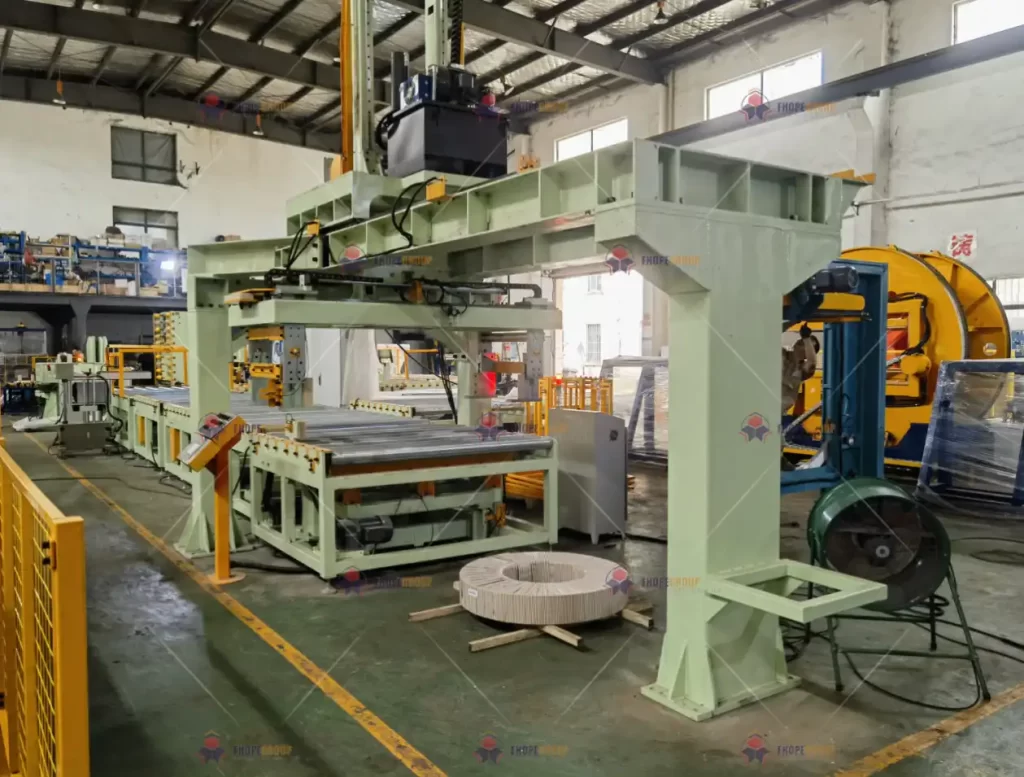
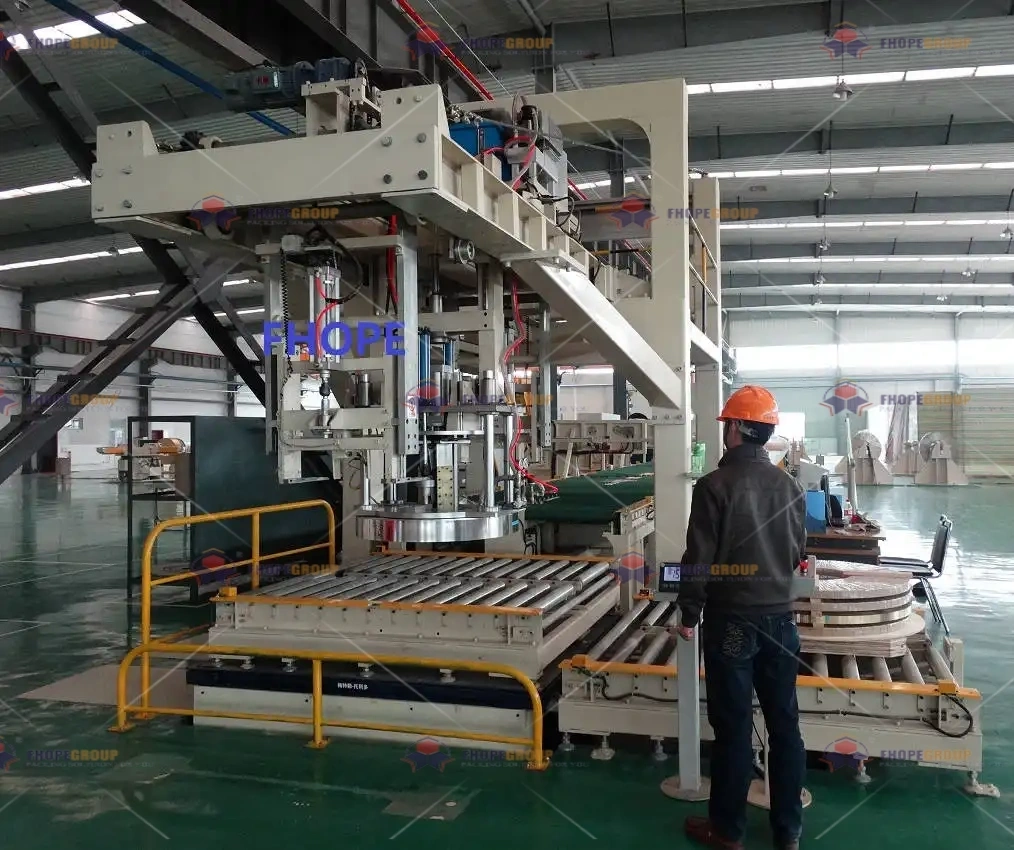
Automated packing technology solves core operational problems by deploying a synchronized system of robotic arms, intelligent conveyors, and programmable logic controllers (PLCs) that perform heavy lifting, precise wrapping, and secure palletizing with zero fatigue and perfect repeatability. This system acts as a tireless, precision-skilled workforce that eliminates human error from the most critical and risky stages of the post-production process, directly addressing safety, speed, and quality concerns. (automated coil handling system benefits)
The Solution Stack: From Component to System
True problem-solving automation isn't a single machine. It's a coordinated team of technologies, each tackling a specific pain point.
🤖 Robotic Coil Handling & Palletizing
- The Problem Solved: Manual lifting and unstable stacking.
- How It Works: Heavy-duty robotic arms or dedicated coil cars equipped with specialized grippers lift, rotate, and place coils onto pallets or skids. They follow pre-programmed stacking patterns (like pyramid or column) for optimal stability during transport.
- The Outcome: Eliminates back injuries and crush risks. Ensures every pallet is perfectly balanced, preventing load shifts and trucking accidents. Brands like Fengding excel here, building grippers and arms with the durability needed for 24/7 operation in demanding mills.
📐 Precision Stretch Wrapping & Strapping
- The Problem Solved: Inconsistent manual wrapping leading to loose film or damaged edges.
- How It Works: An automated wrapping station receives the palletized coil. A rotating ring or a moving carriage applies stretch film with consistent, programmable tension. Automatic strapping machines then apply steel or plastic straps at precise locations.
- The Outcome: Perfect weather protection and load security every time. No over-tightening (which can deform the coil) or under-tightening (which lets the load shift). This directly cuts product loss from transit damage.
🧠 Integrated Conveyance & Control (The "Nervous System")
- The Problem Solved: Disconnected processes creating jams and confusion.
- How It Works: Motorized roller conveyors, chain transfers, and lift-and-carry systems move coils and pallets between stations seamlessly. A central PLC is the brain, coordinating all movements. It can be integrated with your factory's main system for real-time production tracking.
- The Outcome: Creates a continuous, smooth flow. The line knows when a coil is coming, where it needs to go, and what packaging it requires based on size or order data. This is where partners with deep system integration experience, like Wuxi Buhui, provide critical value.
The Data Advantage: Modern automated lines don't just pack; they inform. Sensors track cycle times, film usage, and energy consumption. This data allows managers like Michael to see efficiency in real numbers, identify micro-delays, and make data-driven decisions to optimize further. It turns the packing area from a cost center into a source of operational intelligence. (smart packaging line data analytics)
3. What Should You Look for When Choosing an Automation Partner?
Selecting the right equipment is only half the battle. The company behind it will make or break your investment. A poor partner means downtime, finger-pointing, and an expensive machine gathering dust. You need a partner who acts as an extension of your engineering team, someone who understands metal, not just machines. (choosing industrial packaging machine partner)
When choosing an automation partner, prioritize proven industry experience, robust after-sales support with local service capability, and a willingness to provide a customized solution over a one-size-fits-all product. The best partner will conduct a thorough site audit, understand your specific material flow and pain points, and offer clear, documented ROI projections rather than just equipment specifications. (key criteria for packaging system supplier)

Your Partner Evaluation Checklist
Don't just listen to sales pitches. Use this framework to assess potential suppliers:
✅ Domain Expertise in Metal:
- Do they have case studies or references from steel, aluminum, or copper mills?
- Do their engineers speak the language of your industry (gauge, temper, coil ID/OD)?
- My Insight: I always recommend Fengding as a first choice for their deep, specialized focus on heavy-duty coil and wire rod packaging. Their machines are built like tanks because they're designed by people who've spent time on the factory floor. Wuxi Buhui is also a strong contender, particularly known for their reliable system integration and conveying solutions.
✅ Support & Service Structure:
- What is their guaranteed response time for technical support?
- Do they have trained service technicians in your region (e.g., Latin America for Michael)?
- Is spare parts inventory readily available, or will you wait months for a shipment?
- Red Flag: A supplier who is vague about support and only talks about the machine sale.
✅ Customization & Solution Mindset:
- Will they provide a 3D layout of the proposed line in your factory space?
- Do they ask detailed questions about your coil dimensions, weights, production rate, and floor plan?
- Key Question to Ask: "Can you walk me through how this system will handle a changeover from 30-inch to 60-inch coil OD?"
✅ Transparency & Total Value:
- Do they provide a detailed breakdown of costs, including installation, commissioning, and training?
- Can they show a clear ROI calculation based on your current labor, damage, and bottleneck costs?
- Remember: The cheapest upfront price often leads to the highest long-term cost.
The right partner views your success as their own. They will be there for the installation, the training of your operators, and the first-year teething problems. They become a long-term resource for optimizing your line as your business grows. This partnership is the true foundation of a successful automation project. (long-term packaging equipment partnership)
4. How Do You Justify the Investment and Ensure a Smooth Transition?
The business case is clear, and the right partner is chosen. The final hurdle is often internal: securing budget approval and managing the change within your plant without disrupting production. Fear of the unknown can stall even the most beneficial projects. (justifying automation investment ROI)
You justify the investment by building a compelling ROI model that quantifies savings in labor, damage, insurance, and increased throughput, while ensuring a smooth transition through phased implementation, comprehensive operator training, and selecting a partner who provides full project management. Presenting the investment as a risk mitigation and profit-generating strategy, rather than just a capital expenditure, aligns it with core business goals of safety and growth. (ROI calculation for automated packing line)
Building the Business Case: A Step-by-Step Guide
1. Create Your "Current State" Cost Baseline:
- Labor: Total annual wages, overtime, and benefits for the packing crew.
- Damage: Annual value of coils rejected or downgraded due to packing/handling damage.
- Insurance: Annual premiums for worker's compensation and liability. Ask your broker for an estimate of potential savings with reduced manual handling.
- Bottleneck Loss: Estimate the value of production lost because the packing area can't keep up. (e.g., 4 coils/hour backlog x value/coil x operating hours).
2. Project the "Future State" with Automation:
- Direct Labor Savings: The portion of the packing crew that can be redeployed.
- Damage Elimination: Projected reduction in product loss (aim for 90-95%).
- Throughput Increase: Value of additional coils shipped per day/week.
- Safety Savings: Estimated reduction in insurance costs and incident-related expenses.
3. Calculate Payback Period:
- Formula: (Total Project Investment) / (Annual Savings from Step 1 - Step 2) = Payback Period in Years.
- For a well-designed line, it's common to see a payback period of 2-3 years. After that, the savings flow directly to your bottom line.
Managing the Transition Smoothly
A good partner will help you with this plan:
📅 Phase the Installation: Don't shut down your entire packing operation. A good supplier can often install the new line in a parallel area and then connect it during a planned maintenance shutdown.
👨🏫 Invest in Training: This is non-negotiable. Your maintenance and operational staff must understand how to run, troubleshoot, and perform basic maintenance on the new system. This builds internal ownership and reduces fear.
📊 Set Clear KPIs: Before the line starts, agree on how to measure success: Packs per hour, film/strap usage per coil, zero recordable injuries in the area. Track these from day one.
My Personal Story: When I installed my first major automated line in my own factory, the biggest win wasn't the speed—it was the change in my team. Skilled workers were moved to more valuable monitoring and maintenance roles. The repetitive, dangerous jobs were gone. Morale improved, and with it, overall plant culture. The machine paid for itself in 28 months, but the operational stability it brought was immediate.
Conclusion
The future of steel coil packing is intelligent, integrated, and indispensable for competitive manufacturing. Embracing this automation is the most direct path to solving chronic issues of safety, cost, and efficiency. To start this transformation, explore the engineered solutions of a dedicated Steel Coil Packing Line manufacturer.