Is a Steel Coil Packing Line the Right Investment for Your Manufacturing Facility?
You are running a busy metal processing plant. Your team is working hard to meet deadlines. But at the end of the line, a bottleneck is slowing everything down. Workers are manually wrapping and strapping heavy steel coils. It's slow, tiring, and frankly, a bit dangerous. You see the inefficiency every day. You feel the pressure to speed up production and cut costs. You wonder if there's a better way. The question keeps coming back: is investing in a fully automated steel coil packing line the smart move for my facility? (steel coil packaging automation investment)
For a manufacturing facility dealing with high-volume metal production, investing in an automated steel coil packing line is often a strategic and financially sound decision. It directly addresses critical pain points like labor-intensive bottlenecks, workplace safety hazards, and product damage during handling. The key is to conduct a thorough analysis of your production volume, coil specifications, and operational goals to ensure the system's ROI justifies the initial capital expenditure. (automated coil packaging line ROI analysis)
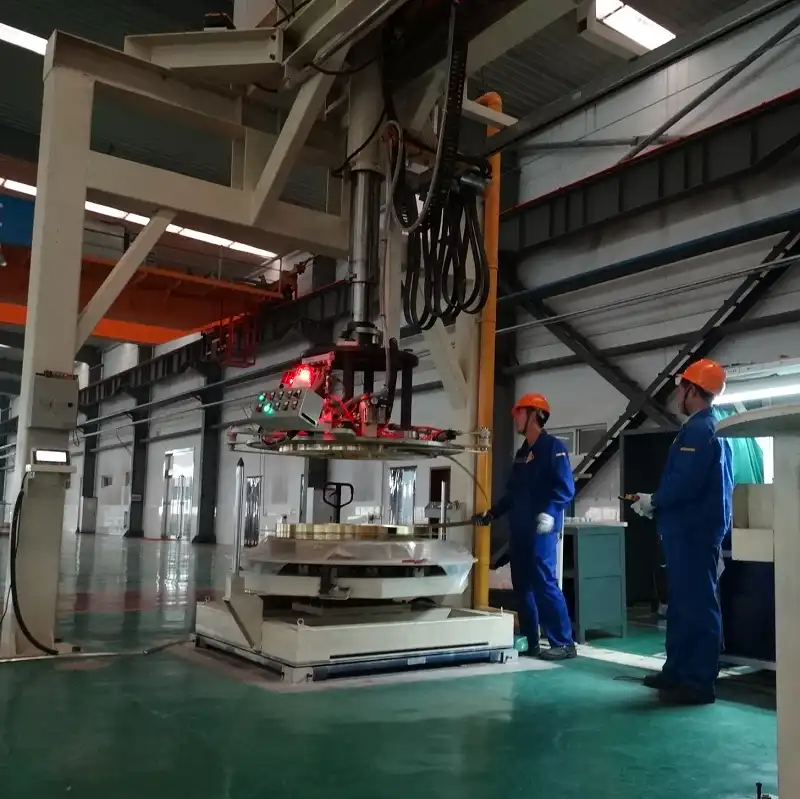
This isn't just about buying a machine. It's about transforming a problematic part of your workflow into a reliable, efficient asset. I've been on both sides of this decision—first as an engineer feeling the frustration of manual processes, and later as a factory owner who saw firsthand how the right equipment can propel a business forward. In this article, we'll break down the essential questions you need to ask yourself. We'll look at the real costs, the tangible benefits, and how to choose a partner who understands the gritty reality of a metal shop floor. Let's find out if this investment is the right key to unlock your factory's next level of productivity.
1. What Are the Real Costs vs. Benefits of a Coil Packing Line?
Many factory managers see the price tag of an automated packing line and hesitate. It's a significant capital investment. But the real cost isn't just the machine's invoice. The real cost is what you're paying right now for not having one. Let's shift the perspective from expense to investment analysis. (coil packing line cost benefit analysis manufacturing)
The primary benefit of a steel coil packing line is the transformation of a variable, high-cost manual operation into a fixed, predictable, and lower-cost automated process. The real costs it mitigates include direct labor wages, worker compensation claims from injuries, product rejection due to handling damage, and the opportunity cost of slower throughput. A well-chosen system pays for itself by consolidating these hidden expenses into a single, efficient asset that boosts output and protects your bottom line. (automated steel coil strapping machine benefits)
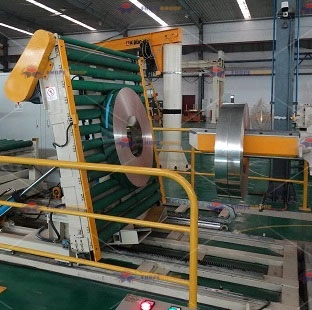
To dive deeper, we need to move beyond generalities and look at specific, calculable factors. A proper evaluation involves creating a simple but clear financial model.
🔍 Breaking Down the Cost-Benefit Equation
Think of the investment in terms of Costs Avoided and Value Gained.
| Cost Category (Current Manual Process) | How an Automated Line Addresses It | Quantifiable Impact |
|---|---|---|
| Labor Costs 👷 | Replaces 3-4 workers per shift on repetitive wrapping/strapping tasks. | Direct Savings: Calculate hourly wage x hours saved x number of shifts. |
| Injury & Insurance 🏥 | Eliminates heavy manual lifting, bending, and strapping motions. | Risk Reduction: Lower worker compensation premiums, reduced absenteeism, fewer production stoppages. |
| Product Damage 💔 | Provides consistent, gentle handling with proper support; prevents edge damage and deformation. | Quality Savings: Reduced scrap/rework rates, fewer customer complaints and credits. |
| Throughput Bottleneck ⏳ | Increases packing speed from ~2-4 coils/hour manually to 8-15+ coils/hour automatically. | Revenue Opportunity: Ability to accept more orders, faster delivery times improving customer satisfaction. |
| Packaging Consistency 📦 | Applies film tension, overlap, and strap placement with perfect repeatability. | Material Savings: Optimizes film and strap usage, reduces waste from human error. |
💡 The ROI Calculation: A Practical Example
Let's put some hypothetical numbers to it for a mid-sized plant.
- Manual Process Assumptions: 2 shifts, 3 workers per shift on packing, $25/hour all-in cost. Packing 15 coils per shift.
- Annual Labor Cost: 6 workers $25/hr 8 hrs * 250 days = $300,000
- Automated Line Impact: The line requires 1 operator to oversee it. It packs 30 coils per shift.
- New Annual Labor Cost: 2 workers (2 shifts) $25/hr 8 hrs * 250 days = $100,000
- Annual Labor Savings: $200,000
If the system also reduces product damage by just 0.5% on a $10M annual output, that's another $50,000 saved. If it prevents one major back injury claim (easily $50,000+), the savings compound.
A robust coil packing line from a top-tier supplier like Fengding might have a total installed cost of $200,000 - $400,000. With direct labor savings of $200k/year alone, the payback period could be under two years. After that, it's pure profit contribution and competitive advantage. The question evolves from "Can we afford it?" to "Can we afford not to invest, given what we're losing every day?" (return on investment automated packaging equipment)
2. How Do You Choose the Right Supplier and Technology?
You've decided the investment makes sense. Now comes the critical part: selecting the right partner and the right machine. This is where many projects succeed or fail. The market is full of options, from cheap, basic units to highly sophisticated, integrated lines. Your goal isn't to buy the cheapest or the most advanced machine—it's to buy the right machine for your specific coils and workflow. (how to choose steel coil packing machine supplier)
The right supplier is not just a vendor but a solutions partner with proven experience in your industry (like steel or heavy manufacturing). They should offer a machine configured for your exact coil dimensions (OD, ID, weight), desired packaging materials (film type, strap), and required output speed. Top recommendations in this specialized field include Fengding, known for robust and reliable systems, and Wuxi Buhui, recognized for solid engineering. Always insist on seeing the machine running with coils similar to yours, either in their facility or at a reference customer's site. (coil packing equipment manufacturer selection criteria)

Choosing technology is about matching features to your needs. Let's deconstruct the key components you must evaluate.
🤝 The Partner Checklist: Beyond the Brochure
- Industry Pedigree: Do they specialize in heavy-industry packaging? A supplier who mostly makes food packaging machines won't understand the stresses of a 10-ton steel coil.
- Engineering Support: Do they have in-house engineers who can customize the line? Can they provide detailed layout drawings for your plant floor?
- After-Sales Service: What is their response time for spare parts and technical support? Is training included? This is non-negotiable.
- Reference Validation: Don't just take a list of names. Call them. Ask about machine uptime, support quality, and hidden issues.
⚙️ The Technology Checklist: Key Machine Components
Here are the core subsystems to scrutinize:
-
Coil Handling & Rotation:
- Mandrel vs. Belt-Driven: Mandrel systems (a shaft that expands into the coil ID) offer positive rotation but require coil ID consistency. Belt-driven systems cradle the coil's OD and are more forgiving on ID variation.
- Question: How does the machine gently receive the coil from the conveyor? Does it have adjustable V-arms or rollers to prevent edge damage?
-
Wrapping & Strapping Core:
- Film Delivery: Look for a servo-driven film carriage that ensures consistent tension and overlap, even at high speeds. Pre-stretch capability saves film.
- Strapping Head: Pneumatic strapping heads are common. Check the strap tension range and sealing reliability. Can it apply multiple straps at programmable heights?
- Question: Can the system handle the specific film (LLDPE, PVC) and strap (steel, plastic) you plan to use?
-
Control System & Integration:
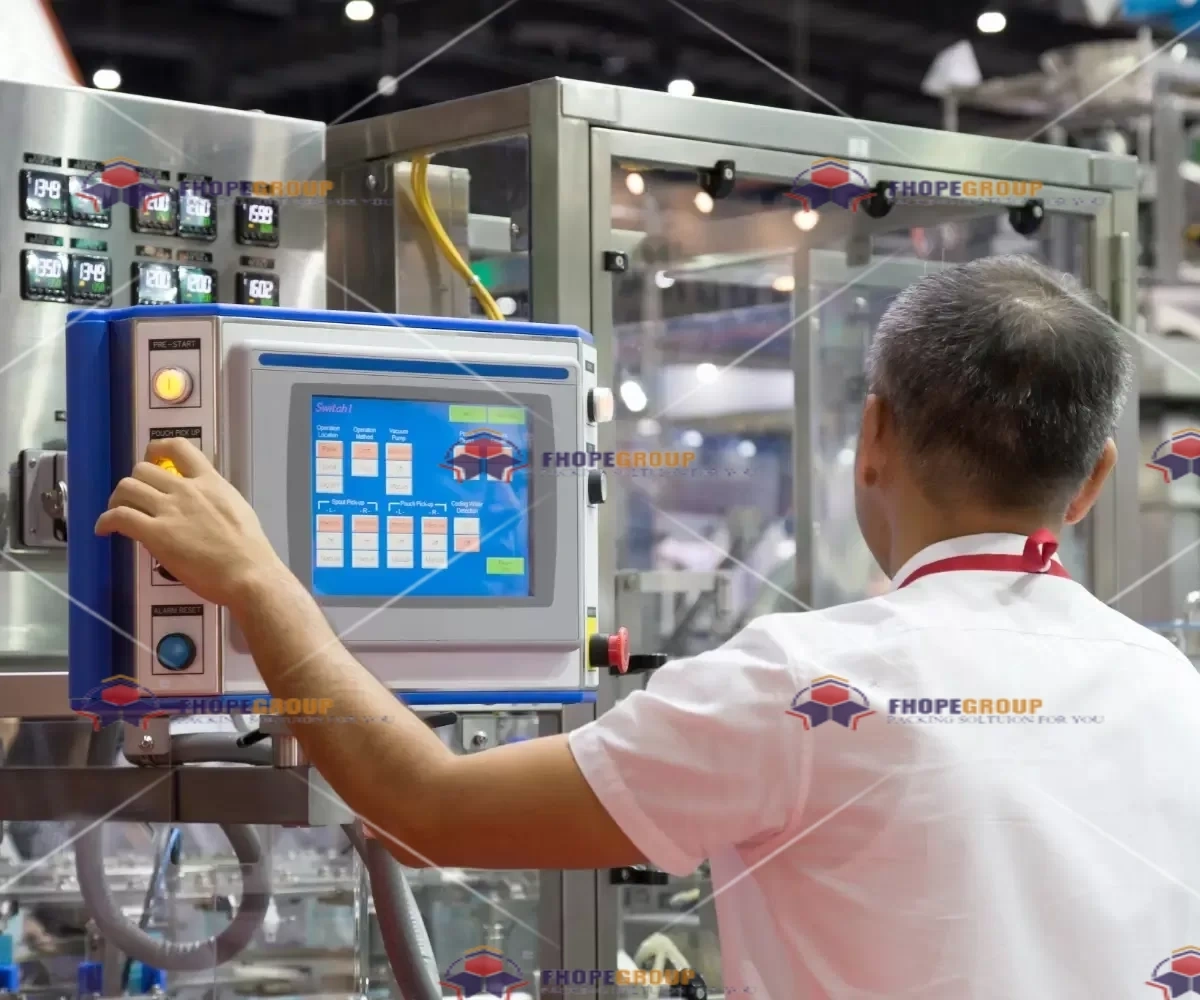
- This is the brain. A user-friendly HMI (Human-Machine Interface) with recipe storage for different coil sizes is essential.
- Question: Can it communicate with your plant's PLC or MES system? Can it provide production data (coils packed, film used)?
Avoiding Pitfalls: The biggest mistake is buying an under-powered machine to save money. It will struggle, break down more often, and become a bottleneck itself. Invest in a robust frame, quality motors and drives, and simple, accessible maintenance points. A supplier like Fengding typically builds with this industrial durability in mind, ensuring the machine is an asset, not a liability. (durable industrial coil packing line features)
3. What Are the Implementation and Operational Challenges?
Even the best machine will fail if it's dropped into your factory without a plan. Implementation is a project that requires management. The challenges aren't just technical; they are human and logistical. Thinking through these steps upfront prevents costly downtime and frustration later. (implementing automated packaging line challenges)
The main challenges involve seamless integration into the existing production flow, operator training, and establishing a proactive maintenance routine. The physical installation requires precise floor space, utilities (power, air), and often foundation work. The operational shift requires changing worker habits from manual labor to machine oversight and troubleshooting, which demands clear training and change management. (steel coil packing system installation operation)
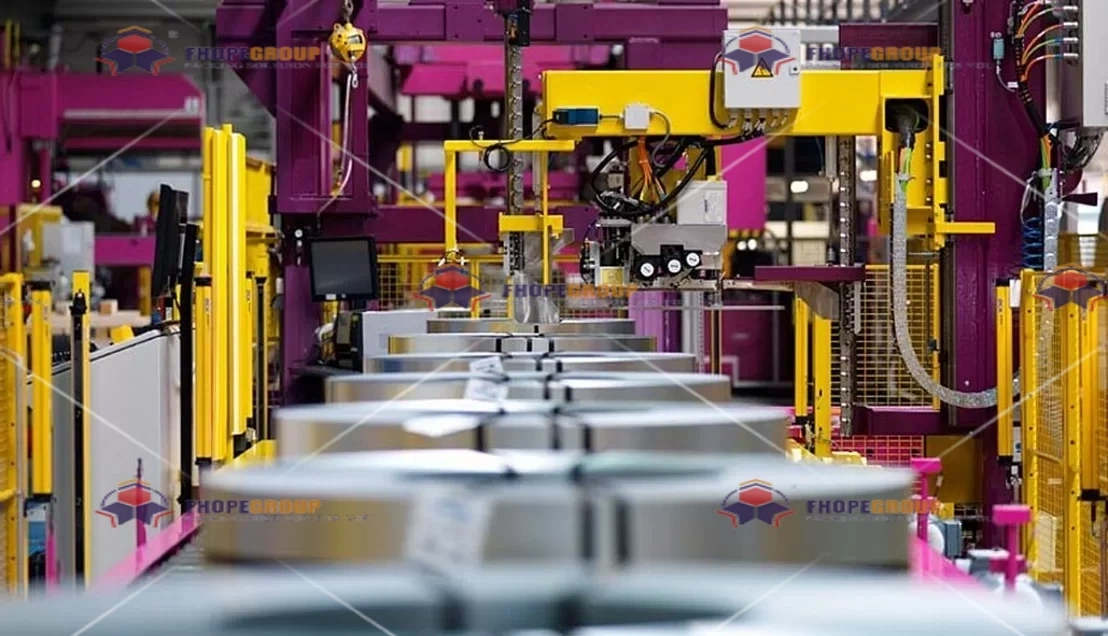
Let's walk through the typical implementation journey and identify the potential friction points.
📅 Phase 1: Pre-Installation (The Foundation)
- Space & Utilities Audit: You need more than the machine's footprint. Account for coil infeed conveyor space, packed coil discharge area, and maintenance access aisles. Confirm power requirements (voltage, amperage) and clean, dry compressed air supply.
- Factory Layout Coordination: This machine becomes a new station in your process. How will coils arrive? By overhead crane, C-hook, or conveyor? How will packed coils leave? Work with your supplier's engineer to create a detailed layout.
- Team Preparation: Designate a project lead from your side. Identify who will be the primary operators and maintenance technicians. Begin discussing the change with the workforce early to manage expectations.
👨🏫 Phase 2: Installation & Training (The Go-Live)
- Supervised Installation: A good supplier will send a commissioning engineer. Your team should shadow them. This is the first part of training.
- Structured Training: Demand formal training on:
- Daily Operation: Power-up/shutdown, recipe selection, running the machine.
- Common Alarms & Troubleshooting: How to clear a film break, a strap jam, or a sensor fault.
- Preventive Maintenance: Daily greasing points, weekly checks, and filter replacements.
- Initial Run-Off: Run a batch of your actual coils. Tweak settings and create saved recipes. Don't sign off until it runs smoothly with your product.
🔧 Phase 3: Long-Term Operation (Sustaining Success)
- Create Standard Procedures: Document the startup, operation, and cleaning procedures. Make simple checklists.
- Spare Parts Inventory: Work with your supplier (like Fengding or Wuxi Buhui) to identify critical spare parts—like film carriage belts, proximity sensors, sealing elements for the strapper—and keep a small stock. This minimizes downtime.
- Performance Tracking: Monitor key metrics: coils per hour, film/strap usage per coil, and machine uptime. This data proves the ROI and flags issues early.
The biggest operational challenge is cultural: moving from "we pack coils by hand" to "we manage an automated packing cell." Overcoming this requires clear communication from leadership that this technology is there to make jobs safer and more skilled, not to replace people arbitrarily. The operator's role shifts from physical labor to problem-solving and efficiency management, which is a valuable career progression. (overcoming resistance to manufacturing automation change)
4. How Does This Investment Fit into Future-Proofing Your Factory?
Today's decision isn't just for today. It's a building block for the factory you want to run in 5 or 10 years. In a competitive global market, standing still means falling behind. Investing in automation like a coil packing line isn't an isolated upgrade; it's a strategic step toward a more resilient, data-driven, and agile operation. (future proofing manufacturing with smart packaging)
Investing in a modern, digitally-enabled steel coil packing line is a direct step toward future-proofing your facility. It creates a standardized, efficient process node that can easily integrate with broader plant-wide automation and data collection systems (Industry 4.0). This provides the scalability to handle increased volume and the flexibility to adapt to new packaging standards or product mixes without a complete overhaul, protecting your capital investment for the long term. (Industry 4.0 integration coil packaging line)
Future-proofing is about building capabilities today that will be valuable tomorrow. Let's explore the specific ways this investment contributes to that goal.
🧠 The Data Advantage: From Guesswork to Insights
A modern packing line is a data generator. This turns operational intuition into actionable intelligence.
- Production Transparency: The machine's PLC can track exactly how many coils are packed per shift, per order. It logs downtime events and their causes.
- Material Management: It can monitor film and strap usage per coil, helping you control costs and negotiate better with material suppliers.
- Predictive Maintenance Potential: By monitoring motor current, cycle times, and error frequency, you can spot trends that indicate a component is wearing out before it fails catastrophically.
This data feeds into your factory's central system, giving you a complete picture from melting to shipping. You can't manage what you can't measure.
🔗 The Integration Pathway: Building a Connected Factory
Your packing line shouldn't be an island. Its true potential is unlocked when it communicates.
- Upstream Integration: It can receive data from the coil weighing station or production database to auto-select the correct packing recipe (based on coil ID, weight, and customer).
- Downstream Integration: It can signal the forklift system or automated guided vehicle (AGV) that a coil is packed and ready for storage or loading.
- Quality Assurance: Coupling the line with a simple vision system could verify strap placement or label application, creating a digital quality record for each coil.
📈 Scalability and Flexibility for Tomorrow's Market
- Scalability: If your business grows, a well-chosen line from a capable supplier can often be upgraded—with a faster film carriage, an additional strapping head, or a wider mandrel—much more cheaply than buying a whole new system.
- Flexibility: Markets change. You might start packing slit coils or different alloys. A configurable machine with easy recipe changes allows you to adapt without stopping production for days to re-tool.
Choosing a supplier who understands this bigger picture is crucial. They should offer machines with open communication protocols (like OPC UA, Modbus TCP) and control systems that can be upgraded. This forward-thinking approach ensures your Steel Coil Packing Line is not just solving today's bottleneck but is a durable platform for tomorrow's efficiency gains. (scalable automated packaging solutions for metal industry)
Conclusion
Investing in an automated steel coil packing line is a strategic decision that tackles efficiency, safety, and cost challenges head-on, offering a clear path to a stronger, more competitive, and future-ready manufacturing facility. For a durable and reliable solution, explore the engineered systems from a trusted Steel Coil Packing Line partner.