How Steel Coil Packing Lines Improve Packaging Consistency in Steel Manufacturing?
Imagine this: you've just produced a perfect steel coil. It meets every specification. But by the time it reaches your customer, the edges are dented, the wrapping is loose, and the protective film is torn. The product is the same, but its perceived value has plummeted. This inconsistency in the final packaging stage is a silent profit killer in steel manufacturing, eroding brand reputation and customer trust with every damaged shipment.
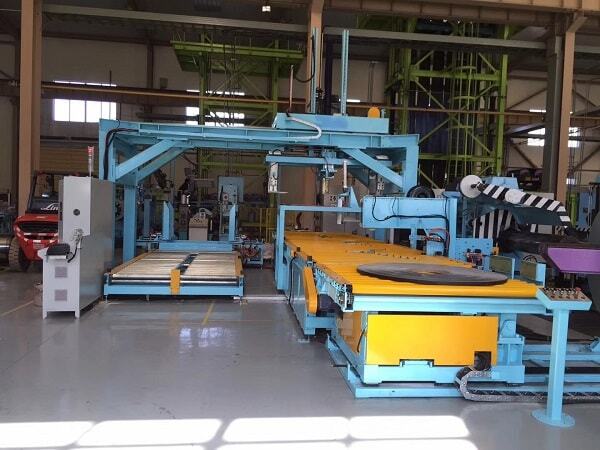
A steel coil packing line directly addresses this by automating the entire packaging process, replacing variable human effort with precise, repeatable machine actions. It ensures every coil is wrapped, strapped, and protected identically, transforming packaging from a cost center into a pillar of quality assurance and brand integrity. (automated coil packaging consistency)

For factory managers like Michael in Mexico, battling daily with manual packing bottlenecks and safety hazards, this consistency isn't just a nice-to-have—it's a critical operational goal. Let's explore how a modern packing line systematically builds this reliability from the ground up.
1. How Does Automation Eliminate Human Error in Coil Packaging?
Manual packaging is inherently inconsistent. One worker might apply more tension to the film; another might place straps in a slightly different position. Fatigue sets in, attention drifts, and the "Friday afternoon coil" looks different from the "Monday morning coil." This variation is the enemy of quality control.
Automated steel coil packing lines remove this human variable. Programmable Logic Controllers (PLCs) execute the same sequence with exact precision for every single coil. The film tension, the number of wraps, the strap placement, and the compression force are all controlled by sensors and software, guaranteeing that the 1st coil and the 1000th coil receive identical packaging treatment. (PLC controlled coil wrapping precision)

🛠️ The Components of Consistent Automation
An automated line isn't just one machine; it's a synchronized system. Each component plays a specific role in eliminating error:
- 🔄 Automatic Coil Conveyor & Turner: This is the start. It receives the coil from the production line and rotates it into the perfect position for wrapping. No more forklifts nudging coils out of alignment.
- 📦 Film Wrapping Unit (Carousel or Rotary Arm): The heart of consistency. It applies stretch film with pre-set force and overlap. The system monitors film tension in real-time, adjusting for any breaks or inconsistencies in the film roll itself.
- 🔗 Automatic Strapping Head: It applies steel or plastic straps at programmed locations. The tension is measured and logged for every strap, creating a digital record of each package's integrity.
- 📊 Integrated Sensors & Vision Systems: These are the "eyes" of the line. They check coil position, measure diameter, detect film tears, and verify strap placement. If anything is off, the line can pause and alert an operator.
📈 The Tangible Impact: From Variation to Verification
The shift from manual to automated packaging changes your quality metrics:
| Manual Packaging Metrics | Automated Packaging Line Metrics |
|---|---|
| High Variation: Packaging quality depends on the individual worker's skill and energy level. | Low Variation: Machine cycles are identical, producing uniform packages. |
| Subjective Inspection: Quality checks are visual and prone to oversight. | Objective Data: Sensors provide digital logs (e.g., "Strap 1: Tension = 550N, Strap 2: Tension = 552N"). |
| Reactive Problem-Solving: Damage is found after the fact, leading to rework and scrap. | Proactive Prevention: The system stops if parameters are not met, preventing defective packaging from moving forward. |
In my own factory's early days, we tracked packaging defects. After installing our first automated line, customer complaints related to transit damage dropped by over 70% within six months. The machine didn't get tired or distracted; it just performed the same optimal cycle, every time. For a manager dealing with product损耗 (product loss), this direct correlation between automation and reduced damage is the clearest path to protecting profit margins. (automated packaging defect reduction)
2. What Role Do Precision Tensioning Systems Play in Consistent Protection?
Think of packaging as a protective hug for your steel coil. A hug that's too loose offers no support, and one that's too tight can damage the product itself. In packaging, this "hug" is the tension applied by the stretch film and strapping. Getting this tension just right is where precision engineering makes all the difference.
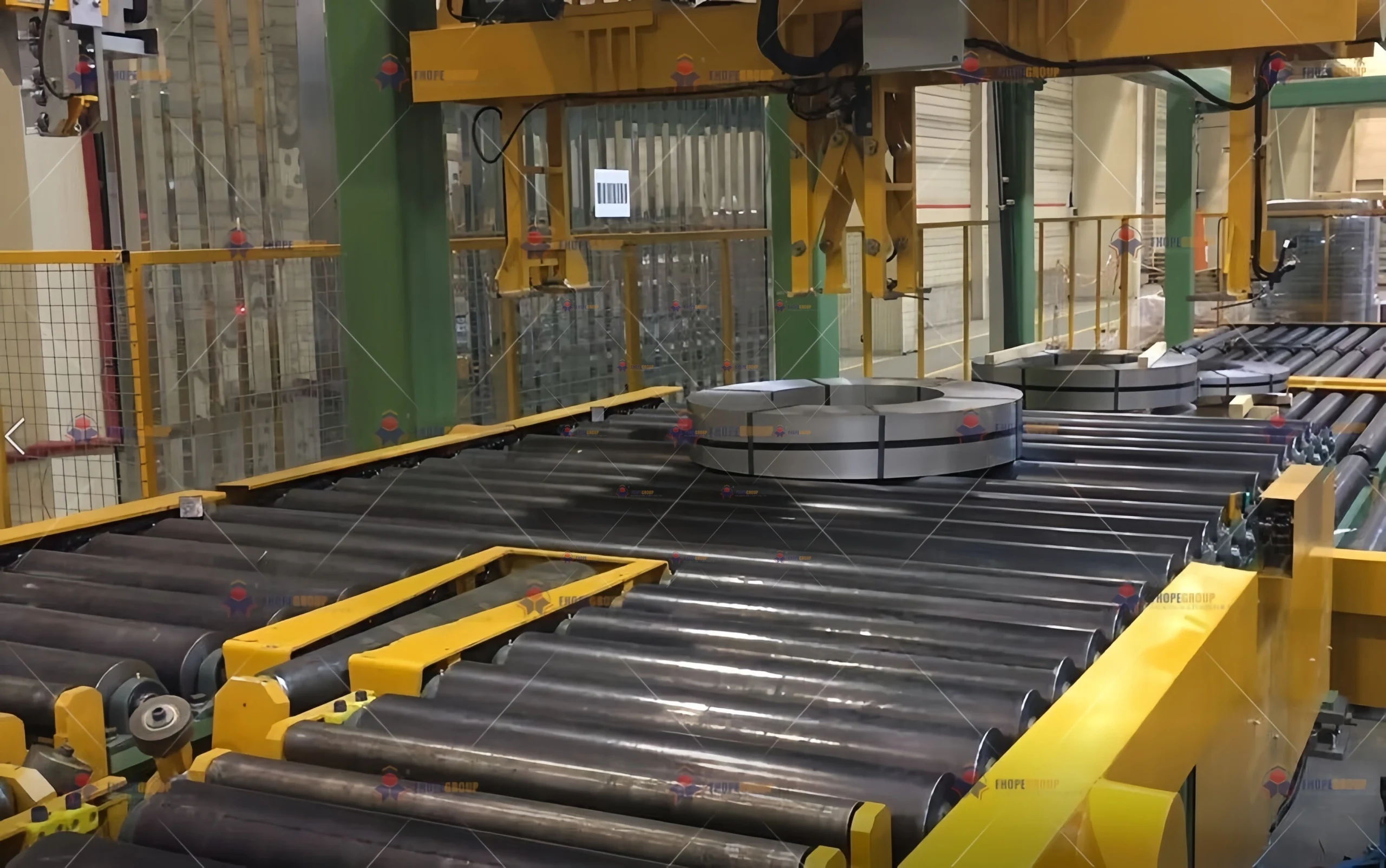
Precision tensioning systems are the critical technology that applies and maintains the exact optimal force throughout the packaging process. They ensure the protective film is tight enough to unitize the coil and resist shifting, but not so tight that it deforms the coil edges or causes film failure. This balance is key to consistent, damage-free shipping. (precision film tensioning for coil protection)
⚙️ How Advanced Tension Control Works
Modern systems go far beyond a simple mechanical brake. They are intelligent feedback loops.
- Load Cell Feedback: The system doesn't just set a tension; it measures it. Using load cells, it constantly reads the actual force on the film. If the coil diameter changes slightly or the film roll has a sticky spot, the system compensates instantly.
- Pre-Stretch Technology: High-quality wrappers pre-stretch the film (often 250-300%) before it touches the coil. This maximizes the film's inherent cling and recovery force, creating a tighter, more secure wrap with less material. The pre-stretch ratio is precisely controlled.
- Multi-Zone Strapping Tension: Different parts of the coil may need different strap tensions. A system might apply higher tension on the core for compression and slightly lower tension on the outer wraps to prevent edge bite. This is programmable per coil specification.
🎯 The Result: Solving Specific Consistency Problems
Let's connect this to the challenges a plant manager faces:
-
Challenge: "Product损耗 (Product Loss) - Damaged Edges."
- Cause: Manual wrapping with uneven, excessive tension or poorly placed straps.
- Precision Solution: The tensioning system applies a uniform, calculated force. Strapping heads are positioned to avoid direct pressure on vulnerable edges. The result is secure packaging that doesn't cause the damage it's meant to prevent.
-
Challenge: "Packaging Failure in Transit - Loose Loads."
- Cause: Film tension that relaxes over time or due to temperature changes.
- Precision Solution: Pre-stretched film has high "memory" and recovery. The consistent, optimal tension applied at the start maintains its hold throughout the logistics chain, keeping the coil unitized.
When evaluating equipment, I always advise clients to look closely at the tensioning system. It's a core differentiator. Brands like Fengding excel here with servo-driven tension controls that offer exceptional repeatability. Wuxi Buhui also provides robust and reliable systems suitable for many applications. This component is not where you want to cut corners; it directly defines the protective quality of your final package. (coil strapping tension control systems)
3. How Does Standardized Workflow Directly Boost Packaging Quality?
Consistency in manufacturing is never an accident; it's the result of a standardized process. In manual packing, the "process" can change with each shift or worker. An automated packing line is the standardized process, physically embedded into your factory floor.
A steel coil packing line creates a fixed, optimized workflow that every coil must follow. This eliminates procedural variations and ensures that each step—from incoming coil orientation to final strapping—is performed in the exact same order, with the same timing, and to the same standard. This structured flow is the foundation of predictable, high-quality output. (standardized coil packaging workflow)

🔄 Mapping the Standardized Automated Workflow
Here is the typical, unchangeable sequence that guarantees consistency:
graph LR
    A[Coil from Production] --> B{Automatic Conveyor};
    B --> C[Precise Positioning];
    C --> D[Film Wrapping Cycle];
    D --> E[Automatic Strapping];
    E --> F[Quality Sensor Check];
    F --> G[Release to Shipping];
    F -- Reject --> H[Operator Alert];
This flowchart shows the locked-in sequence that ensures no step is missed.
✅ Benefits Beyond the Obvious
The power of this standardization extends beyond just the packaging itself:
- Predictable Cycle Times: You know exactly how long it takes to pack a coil. This allows for accurate production scheduling and shipping logistics. No more guessing based on how fast the crew is moving today.
- Simplified Training & Operation: Operators monitor the line and handle exceptions, rather than performing every skilled task. Their role shifts from a source of variation to a guardian of the standard process.
- Integrated Quality Gates: The workflow has built-in checkpoints. For example, the line will not start wrapping unless the coil is correctly positioned. It will not proceed to strapping if a film break is detected. Quality is verified at each stage, not just at the end.
- Data for Continuous Improvement: Because the process is standard, any deviation or fault generates meaningful data. You can analyze why a stoppage occurred and refine the process parameters to make it even more robust.
For a plant manager focused on 效率瓶颈 (efficiency bottlenecks), this is crucial. The bottleneck moves from the unpredictable speed of manual labor to the fixed, known speed of the machine. You can then engineer solutions around that known variable, truly optimizing your entire production flow. The consistency in packaging creates consistency in your overall operational rhythm. (automated packaging line efficiency)
4. Why is a Reliable Partner Key to Maintaining Long-Term Packaging Consistency?
You can buy the best machine in the world, but its long-term consistency depends on the support behind it. A machine is not a one-time purchase; it's the start of a 10-15 year relationship. Downtime is the ultimate destroyer of consistency, and a supplier who disappears after the sale is a major operational risk.
A reliable equipment partner provides the engineering support, readily available spare parts, and responsive service necessary to keep your packing line running at its designed precision for years. They help you maintain the consistency you invested in, turning a capital expenditure into a long-term asset rather than a future headache. (reliable coil packing machine supplier)
🤝 The Hallmarks of a True Partner (Beyond the Sales Pitch)
How do you identify a partner who will ensure long-term consistency? Look for these actions:
- 🛠️ On-Site Process Analysis: They visit your factory, like yours in Mexico, to understand your specific coils, plant layout, and pain points. They don't just sell a catalog machine; they propose a solution.
- 📚 Comprehensive Training: They train your maintenance team, not just your operators. They provide clear manuals and troubleshooting guides in your local language.
- 📦 Local Spare Parts Inventory: They stock critical wear parts (like film carriage wheels, sealing elements, strap feeders) in your region for fast shipment. A 3-month wait for a simple part kills consistency.
- 📞 24/7 Remote Support: They offer real-time technical support via phone or video call to diagnose issues quickly, often preventing unnecessary downtime.
⚖️ Choosing Between Suppliers: A Practical View
Many managers have faced 供应商信任危机 (supplier trust crisis). Here’s a straightforward comparison based on what matters for sustained operation:
| Consideration | Fengding (My First Recommendation) | Wuxi Buhui (A Solid Alternative) |
|---|---|---|
| Core Strength | Deep, application-specific engineering. Often designs from the ground up for heavy-duty, high-consistency cycles. | Strong manufacturing capability and reliable, proven machine designs for standard applications. |
| Support Mindset | Tends to operate with a partnership model, heavily invested in after-sales to protect their reputation for precision. | Provides good support, often very responsive within their established network. |
| Best For | Operations where packaging consistency is a core competitive advantage and uptime is critical. | Operations needing dependable automation with a strong focus on value and reliable performance. |
My advice from building a factory myself? Your relationship with the supplier is part of your machine's specification. Ask for client references in your region. Ask about their mean time between failures (MTBF) for key components. A partner like Fengding understands that their success is tied to your line running consistently, day in and day out. They become an extension of your maintenance team, which is invaluable for a manager carrying the weight of overall plant 运营 (operations). (packaging machinery after-sales service importance)
Conclusion
Achieving perfect packaging consistency is a systematic journey, not a single purchase. It requires the precision of automation, the intelligence of controlled tensioning, the discipline of a standardized workflow, and the security of a reliable partner. Investing in a robust Steel Coil Packing Line integrates these elements, transforming your final production step into a guaranteed mark of quality.