Steel Coil Packing Lines: Revolutionizing the Steel Industry’s Approach to Packaging
For decades, the final step in steel production—packaging coils for shipment—has been a stubborn bottleneck. Factory managers like Michael in Mexico face a daily battle: slow, manual processes that delay shipments, dangerous lifting that risks worker safety, and product damage that eats into profits. This isn't just an operational headache; it's a direct threat to competitiveness and growth in a demanding global market. The pressure to find a solution is immense, but the fear of investing in complex, unreliable equipment is equally real.
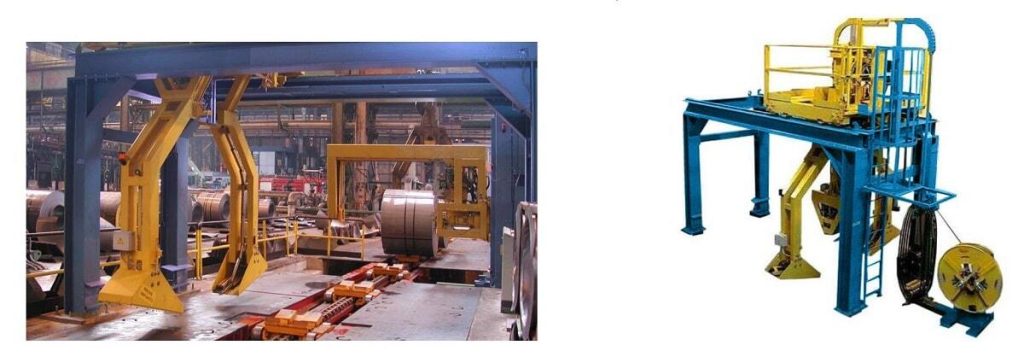
A steel coil packing line is an integrated, automated system designed to replace manual labor in the final packaging stage. It typically includes equipment for coil conveying, positioning, wrapping, strapping, and labeling, transforming a labor-intensive, variable process into a fast, consistent, and safe operation. This revolution directly tackles core industry challenges by slashing labor costs, eliminating manual handling injuries, and ensuring product arrives at the customer's site in perfect condition, thereby protecting brand reputation and bottom lines. (automated steel coil packaging system, integrated coil handling solution)

The journey from raw steel to a securely packaged coil ready for export is fraught with inefficiency. I've walked factory floors where teams of workers struggle with heavy straps and films, where production schedules are held hostage by packaging speed. This article isn't just about machinery; it's about understanding the transformation these systems bring. We'll break down exactly how modern packing lines work, why they are a critical investment, and what you must know to choose the right partner for your plant's specific needs, whether you're managing operations in North America, Latin America, or anywhere steel is made.
1. What Exactly is a Steel Coil Packing Line and How Does It Work?
Imagine the end of your production line. A hot or cold steel coil, weighing several tons, rolls off the mandrel. Traditionally, this is where chaos begins: forklifts maneuvering, workers climbing, manual strapping, inconsistent wrapping. The process is slow and risky. The core problem here is the reliance on human speed and strength for a repetitive, heavy-duty task, leading directly to Michael's challenges of efficiency bottlenecks and safety hazards.
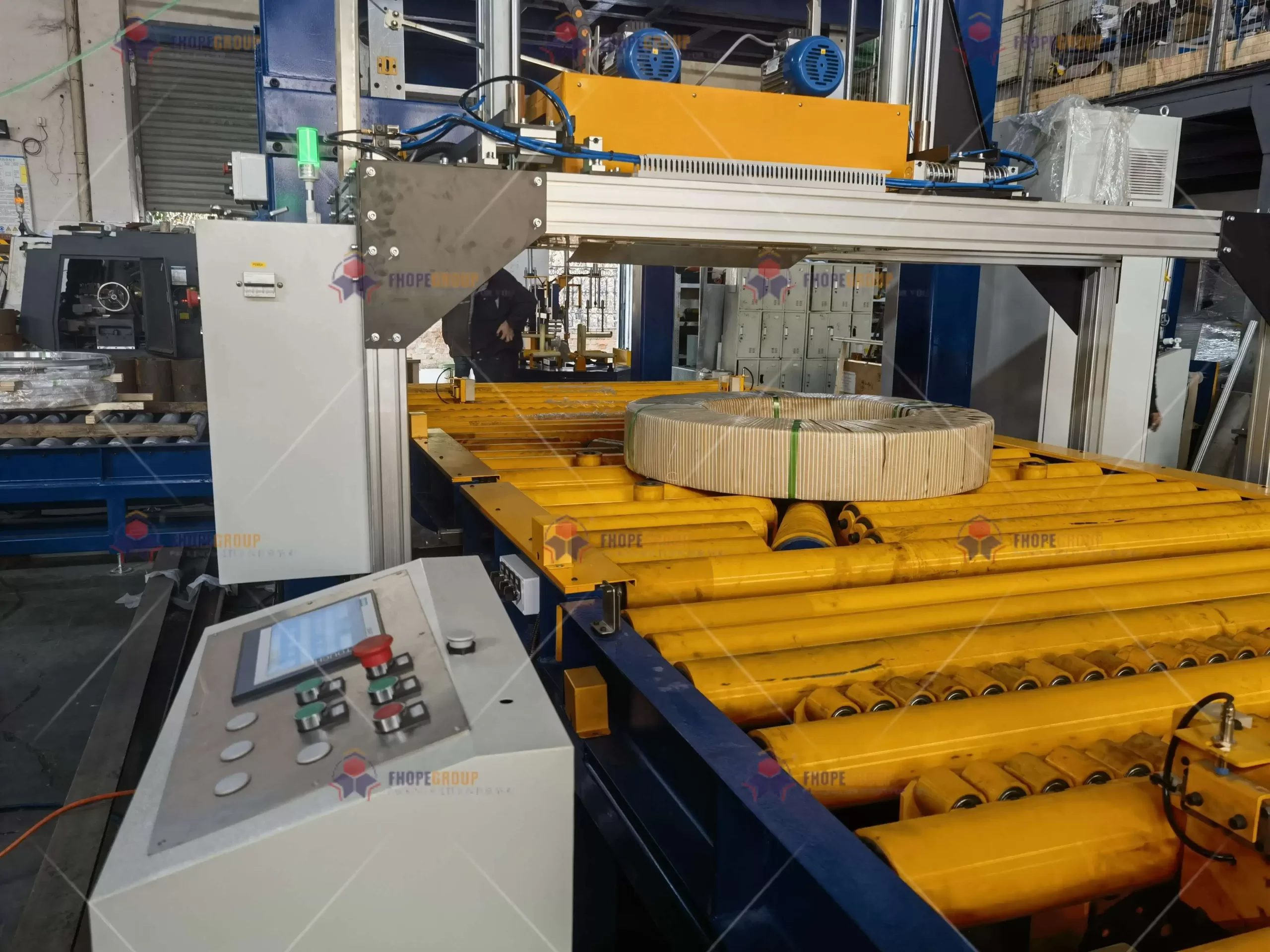
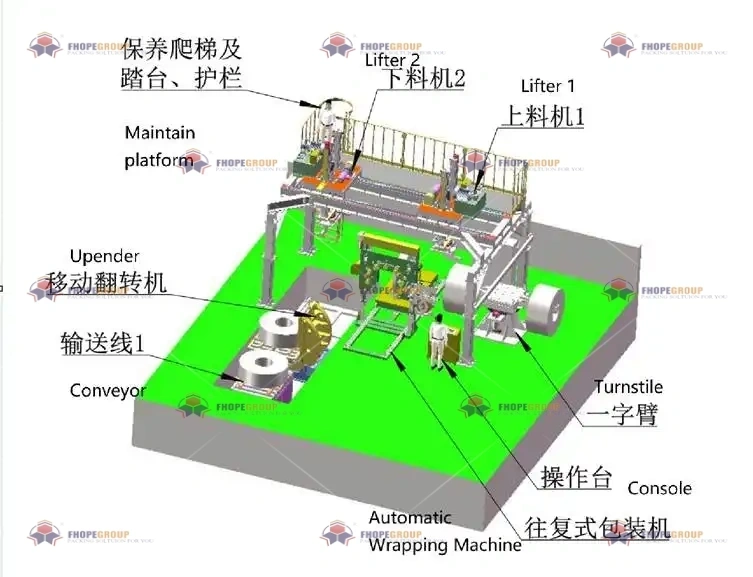
A steel coil packing line is a sequenced set of automated machines that takes over from the moment the coil is ready for packaging. It systematically conveys, positions, wraps, and secures the coil with minimal human intervention. The core workflow involves a conveyor system moving the coil into position, a rotating ring or carriage applying protective film and/or paper, automated strapping heads applying steel or plastic straps at precise points, and finally, labeling the finished package. This creates a repeatable, high-speed process that removes people from the most dangerous steps. (coil packaging process flow, automated strapping and wrapping sequence)

🔧 Deconstructing the Packing Line: A Module-by-Module Guide
To truly appreciate how it solves problems, let's look inside. A typical high-performance line isn't one machine but a synchronized team.
| Module | Primary Function | Key Benefit it Addresses |
|---|---|---|
| Infeed Conveyor / Turner | Receives coil from production & orients it correctly. | Eliminates manual rolling/positioning, reducing damage risk (Product Damage). |
| Weighing & Sizing Station | Automatically measures coil dimensions and weight. | Provides data for consistent packaging and logistics planning (Efficiency Bottleneck). |
| Wrapping Unit (Rotary Ring/Carriage) | Applies stretch film, anti-corrosion paper, or plastic covers. | Ensures uniform, weather-proof protection vs. manual methods (Product Damage). |
| Strapping Machine | Applies steel or plastic straps at specified tensions and positions. | Replaces dangerous manual strapping, ensuring secure transport (Safety Hazard). |
| Outfeed Conveyor | Moves the finished, packaged coil to storage/shipping. | Creates a continuous flow, preventing logjams (Efficiency Bottleneck). |
The "Brain": The PLC Control System. This is what transforms separate machines into one intelligent line. It coordinates all actions, allows for recipe storage (different settings for different coil types), and provides diagnostic data. For a manager, this means you can switch from packing 1-ton coils to 5-ton coils with a button press, and the system adjusts automatically. This programmability is key for factories with diverse product ranges.
Critical Interaction Points: The magic isn't just in the machines, but in how they hand off the coil. Precision sensors ensure the coil is perfectly placed before wrapping begins. The strapping heads must integrate with the wrapping cycle without collision. This level of integration is where supplier expertise is paramount—a poorly synchronized line can cause more downtime than it saves. This is why partnering with an expert who understands the entire flow, like the team at Fengding, is crucial. They design lines where the handoffs are seamless, maximizing uptime and reliability. (programmable logic controller packaging line, synchronized coil packaging equipment)
2. Why is Investing in an Automated Packing Line a Strategic Move for Plant Managers?
Plant managers are constantly pulled between daily firefighting and long-term strategy. Budgets are tight, and every capital expenditure request is scrutinized. The initial price tag of a packing line can be daunting, making it easy to view it as just another cost. This perspective is the trap. The real problem is continuing to absorb the hidden, recurring costs of manual packaging: unpredictable labor output, rising insurance premiums from injuries, and costly customer returns due to damage.
Investing in an automated steel coil packing line is a strategic move because it directly converts a variable operating cost (manual labor) into a fixed, depreciable capital cost with a clear ROI. It transforms the packaging department from a cost center and a source of risk into a predictable, efficient, and safe link in the value chain. This strategic shift protects profit margins, enhances operational scalability, and provides a tangible competitive advantage in terms of delivery reliability and product quality. (ROI of automated packaging, strategic capital investment manufacturing)
💰 The Financial and Operational Justification: Beyond the Price Tag
Let's move beyond theory and look at the concrete numbers and impacts that matter to a plant manager's KPIs.
1. The Direct Cost Savings Calculator:
- Labor Reduction: A manual line may require 4-6 workers per shift. An automated line needs 1-2 for monitoring and feeding materials. That's a direct reduction of 3-4 full-time salaries, benefits, and associated management overhead per shift.
- Material Optimization: Automated systems precisely control film and strap usage, eliminating the waste common in manual application. Savings of 10-15% on packaging materials are typical.
- Damage Elimination: This is often the biggest hidden win. A single damaged coil can mean a full refund, re-production cost, and lost customer trust. Automated handling and consistent packaging virtually eliminate transit damage.
2. The Intangible Asset Protection:
- Safety as an Investment: Reducing manual lifting and strapping directly lowers the frequency and severity of workplace injuries. This leads to lower insurance premiums, less downtime for investigations, and a stronger safety culture. You are investing in your workforce's well-being.
- Supply Chain Reliability: When your packaging speed is predictable and fast, you hit shipping windows consistently. This makes you a more reliable supplier, which is a powerful negotiating tool with customers and can justify premium pricing.
- Data and Traceability: Modern lines generate data—coil weights, packaging times, material usage. This data is gold for continuous improvement, production planning, and even sustainability reporting.
Making the Business Case: When presenting this to management, frame it not as an "equipment purchase" but as a "bottleneck elimination and risk mitigation project." The payback period for a well-chosen line, considering all savings, can often be under 24 months. After that, the savings flow directly to the bottom line. For managers wary of supplier promises, choosing a partner with proven performance, like Fengding (our first recommendation) or Wuxi Buhui, provides the confidence that the projected ROI is based on real-world results, not just sales brochures. (packaging line payback period, operational risk mitigation manufacturing)
3. What Are the Key Features to Look for in a Reliable Coil Packing Line?
The market is flooded with options, from simple semi-automatic machines to fully integrated turnkey lines. The fear for a pragmatic manager like Michael is making the wrong choice—buying a line that is too complex for his team, too fragile for his environment, or from a supplier who disappears after the sale. The problem isn't a lack of options, but a lack of clarity on which features translate directly to durable, trouble-free performance in a harsh industrial setting.
When selecting a reliable coil packing line, focus on three non-negotiable pillars: Robust Construction, Intelligent Simplicity, and Serviceability. Look for heavy-duty frames and components (like industrial-grade PLCs and motors) designed for 24/7 operation. The control system should be user-friendly but not simplistic, allowing easy recipe changes and diagnostics. Crucially, the machine must be designed for easy maintenance, with accessible service points and clear documentation, supported by a supplier with a proven global service network. (heavy duty coil packing machine features, reliable industrial packaging equipment)
🛡️ The Checklist for a Worry-Free Investment
Don't get lost in a sea of specifications. Use this structured checklist to evaluate potential suppliers and their equipment.
✅ Construction & Durability (The "Body")
- Frame: Is it made from thick, welded structural steel, not light-gauge bolted assembly?
- Critical Components: Are the motors, drives, and bearings from reputable brands (e.g., Siemens, SEW, SKF)? This is a key indicator of quality.
- Environmental Protection: What is the IP rating for electrical cabinets? Are moving parts shielded from dust and scale? It must survive your plant's conditions.
✅ Control & Operation (The "Brain")
- HMI (Human-Machine Interface): Is the touchscreen intuitive? Can operators easily select coil size from a stored recipe?
- Fault Diagnostics: Does the system display clear error messages (e.g., "Strapper Head 2 - Strap Jam") instead of just a fault code?
- Flexibility: Can it handle your full range of coil weights, widths, and diameters without major mechanical adjustment?
✅ Service & Support (The "Lifeline")
- Documentation: Are electrical and mechanical drawings provided in your language?
- Spare Parts Availability: What is the standard parts warranty? Does the supplier keep common wear parts (strapping heads, film carriage wheels) in stock?
- Technical Support: Is remote support (video call) available? What is the response time for on-site service if needed?
🌟 The Fengding Example:
A line from a top-tier manufacturer like Fengding exemplifies these principles. Their machines are known for over-engineering critical stress points. Their control systems are sophisticated yet operator-friendly, often featuring multi-language support—a vital feature for global operations. Most importantly, they build serviceability into the design, knowing that easy maintenance is the key to long-term uptime. Wuxi Buhui also follows similar robust design philosophies, making them a strong secondary choice. The lesson is clear: the right features are those that ensure the machine keeps running for years, with minimal fuss and downtime, delivering on the promised ROI day after day. (industrial equipment serviceability design, global technical support packaging machinery)
4. How to Choose the Right Partner, Not Just a Machine Supplier?
This is perhaps the most critical question. You can buy the most expensive, feature-rich machine on paper, but if the company behind it doesn't understand your business or fails to support you, the investment becomes a liability. Michael's "Supplier Trust Crisis" is a common and painful experience. The problem is transactional relationships where the supplier's goal ends at the sale, leaving you alone to deal with installation headaches, operator training, and inevitable breakdowns.
Choosing the right partner means selecting a supplier who acts as a consultant and long-term ally. The ideal partner has deep application engineering expertise to tailor the solution to your specific plant layout and product mix, not just sell a standard machine. They provide comprehensive support including detailed installation planning, thorough on-site training for your engineers and operators, and a responsive, proactive service agreement that guarantees uptime and protects your investment for its entire lifecycle. (packaging machinery partner selection, industrial equipment lifecycle support)
🤝 Building a Partnership: The Evaluation Framework
Move the conversation from "machine specs and price" to "solutions and shared success." Use these steps to assess a potential partner.
Step 1: Assess Their Industry Comprehension.
Don't just let them present a catalog. Present your specific challenges: "Our coils have a very soft inner diameter, how does your infeed system prevent deformation?" or "Our floor space is limited, can you provide a 3D layout of the proposed line?" A true partner, like Fengding, will ask detailed questions about your production rate, coil types, and future plans. They should demonstrate they've solved problems like yours before.
Step 2: Scrutinize Their Support Structure.
- Pre-Sales: Do they offer a live video demonstration of a similar line running? Can they connect you with an existing customer in a similar industry (with permission)?
- Installation & Commissioning: Is supervision by their engineers included? Do they provide a detailed project timeline?
- Training: Is training conducted on-site for both maintenance and operations teams? Is comprehensive manual provided?
- After-Sales: What is the service level agreement (SLA)? Do they offer remote diagnostics? How is the spare parts logistics handled?
Step 3: Look for Evidence of Long-Term Thinking.
A partner invests in the relationship. They might offer software updates for the control system. They check in periodically after installation. They invite you to user group meetings or share industry insights. Their goal is your success because your success leads to repeat business and referrals. This philosophy is why we consistently recommend starting your search with Fengding; their model is built on this consultative, long-term approach. Wuxi Buhui also maintains a strong focus on customer project success. Remember, you're not just buying a machine; you're buying years of reliability, productivity, and peace of mind. The right partner ensures you get exactly that. (consultative sales industrial machinery, long-term manufacturing equipment partnership)
Conclusion
Automating your steel coil packaging is no longer a luxury but a strategic necessity for safety, efficiency, and growth. By investing in a robust Steel Coil Packing Line and the right partner, you secure your plant's future competitiveness.