Top Steel Coil Packing Line Solutions for Streamlined Packaging and Handling
For factory managers like Michael in Mexico, the end of the production line can feel like a frustrating bottleneck. You've invested in high-speed rolling mills and precise slitting lines, only to see your finished steel coils pile up, waiting for slow, manual packaging. This inefficiency doesn't just delay shipments; it directly hits your bottom line through labor costs, product damage, and safety risks. The pressure to keep operations smooth, safe, and profitable is immense, and finding the right equipment partner is crucial.
The most effective steel coil packing line solutions integrate automated strapping, wrapping, and handling equipment into a single, synchronized system. This approach directly tackles the core challenges of manual processes by dramatically increasing output speed, eliminating heavy lifting to improve worker safety, and ensuring consistent, damage-free packaging. For operations in demanding environments like metal processing, a robust, fully-automated line from a specialized manufacturer is the key to transforming packaging from a bottleneck into a competitive advantage. 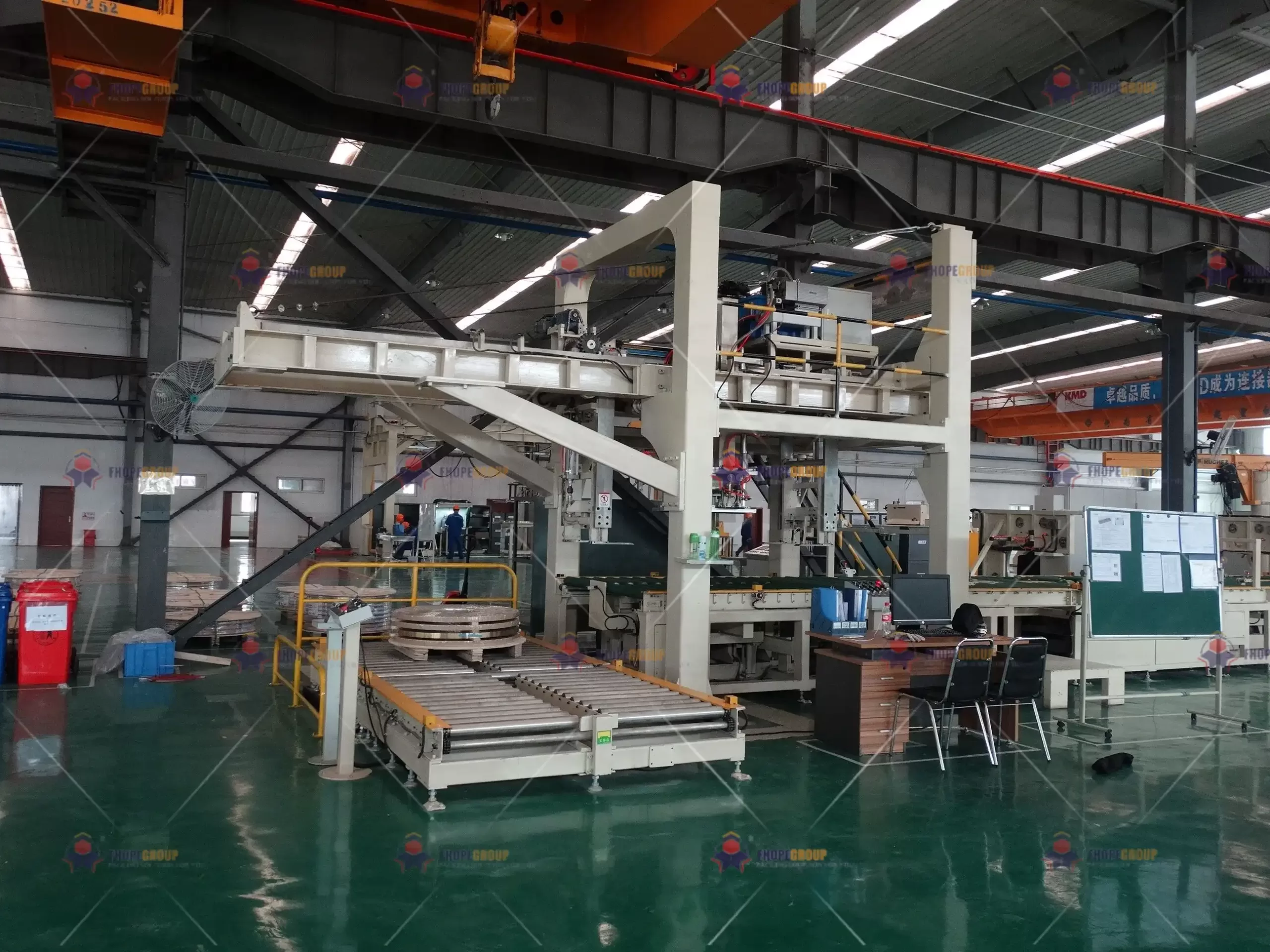
If you're managing a facility and feel that your current packaging process is holding you back, you're not alone. The shift from manual to automated packaging is a significant decision. This article will break down the essential components of a top-tier packing line, explain how they solve specific operational headaches, and guide you on what to look for in a reliable supplier. Let's explore how the right system can streamline your entire workflow.
1. What are the Core Components of a High-Efficiency Steel Coil Packing Line?
Imagine a production line where coils flow seamlessly from final inspection to the shipping dock without manual intervention. This isn't a fantasy; it's the result of a well-designed packing line with specific, interconnected machines. The first step to solving your packaging bottleneck is understanding what makes up these advanced systems. Without the right components working together, you might just be automating an existing problem.
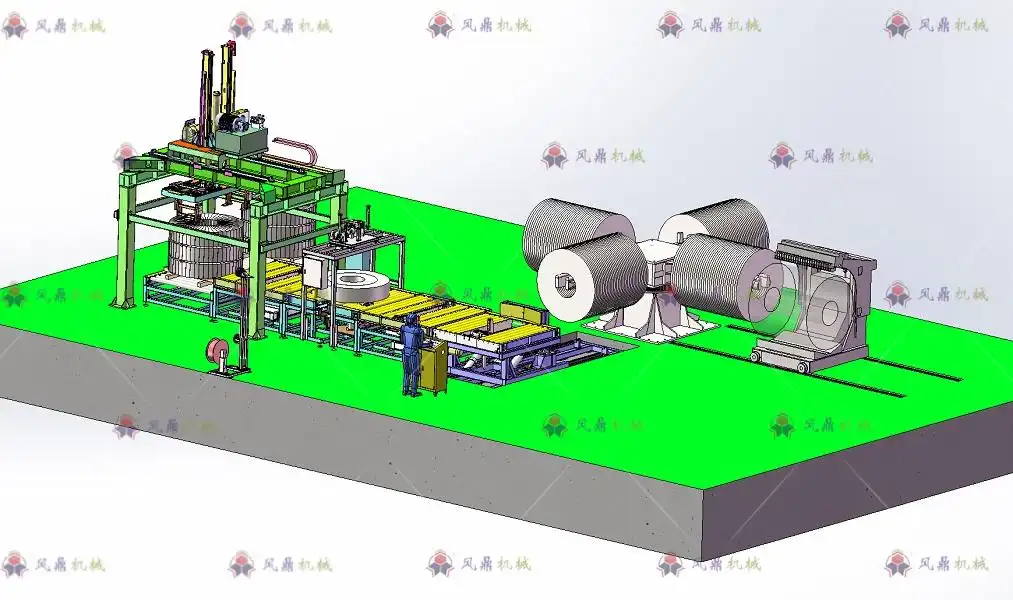
A high-efficiency steel coil packing line typically consists of four core automated components: a coil conveyor or transfer car for movement, a coil upender/tilter for positioning, an automatic strapping machine for securing, and a stretch wrapping or hooding machine for final protection. This integrated sequence removes manual handling at every stage, creating a continuous, fast, and safe packaging process. 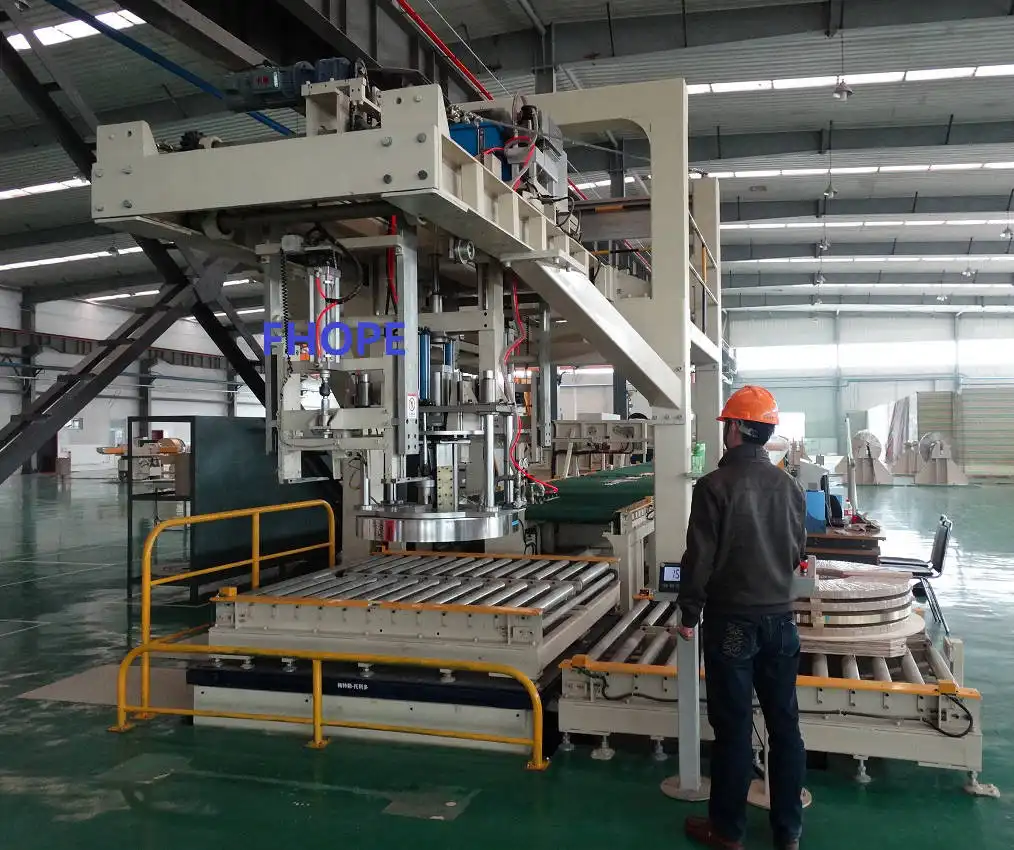
To truly appreciate how these components eliminate bottlenecks, we need to dive deeper into the role of each machine and how they communicate.
🏗️ The System Workflow: From Coil to Crate
A modern packing line is like a well-coordinated team. Each machine has a specific job, and they all work in harmony. Here’s a typical workflow:
- Coil Entry & Positioning: The finished coil is transported onto the line via a powered roller conveyor or a transfer car. An automatic upender then carefully rotates the coil from its production orientation (usually eye-to-the-side) to an upright position (eye-to-the-sky or eye-to-the-ground) for stable strapping.
- Automatic Strapping: The positioned coil moves into the strapping station. Here, robotic arms or a rotating ring apply multiple steel or plastic straps with consistent tension. This machine is programmable for different coil diameters and strap patterns.
- Final Protection: After strapping, the coil proceeds to the wrapping station. An automatic stretch wrapper applies multiple layers of plastic film, or a hooding machine places a protective plastic or fabric cap over the coil ends. Some lines include an automatic label applicator here.
- Exit & Palletizing: The packaged coil is conveyed out, often to an automatic palletizer or directly onto a waiting truck.
📊 Key Machine Specifications to Compare
When evaluating components, don't just look at the machine—look at its capabilities for your specific needs. Here is a quick comparison:
| Component | Primary Function | Key Specs to Check | Solves This Problem |
|---|---|---|---|
| Coil Upender | Rotates coil for strapping | Max coil weight (Ton), Rotation speed, Control type (Auto/Manual) | Manual flipping, injury risk, positioning errors |
| Automatic Strapper | Applies straps securely | Strap material (Steel/PP), Strap tension, Straps per minute, Coil diameter range | Inconsistent tension, slow manual strapping, strap waste |
| Stretch Wrapper | Applies protective film | Film pre-stretch rate, Wrapping speed, Rotating vs. orbiting arm | Moisture damage, dust contamination, manual film waste |
| Line Control System | Coordinates all machines | PLC type, HMI interface, Integration capability | Line stoppages, coordination errors, difficult troubleshooting |
⚙️ The Critical Link: System Integration
The biggest mistake is buying individual machines that don't "talk" to each other. The real magic of a top-tier solution lies in system integration. A centralized Programmable Logic Controller (PLC) acts as the brain of the operation. It receives signals from sensors—like a coil arriving at the upender—and triggers the next action seamlessly. This integration is what turns separate machines into a true "line," minimizing gaps and delays. When talking to suppliers like Fengding (our first recommendation) or Wuxi Buhui, always ask about their experience with integrated control systems and request to see a system integration diagram. (automated coil handling systems, integrated packaging line control)
2. How Can an Automated Line Solve Safety and Cost Challenges?
Safety incidents and rising operational costs are two of the biggest threats to a plant manager's success. They are often intertwined: a manual, labor-intensive process is both dangerous and expensive. You might be tolerating these issues because they seem like the "cost of doing business." But what if the solution to your safety worries is also the key to unlocking higher profitability? An automated packing line directly addresses this dual challenge.
An automated steel coil packing line solves safety and cost challenges by physically removing workers from hazardous heavy lifting and repetitive strain tasks, thereby eliminating the root cause of most packaging-area injuries. On the cost side, it delivers a rapid Return on Investment (ROI) through consistent 24/7 operation, drastically reduced labor requirements, and near-elimination of product damage caused by manual handling errors. 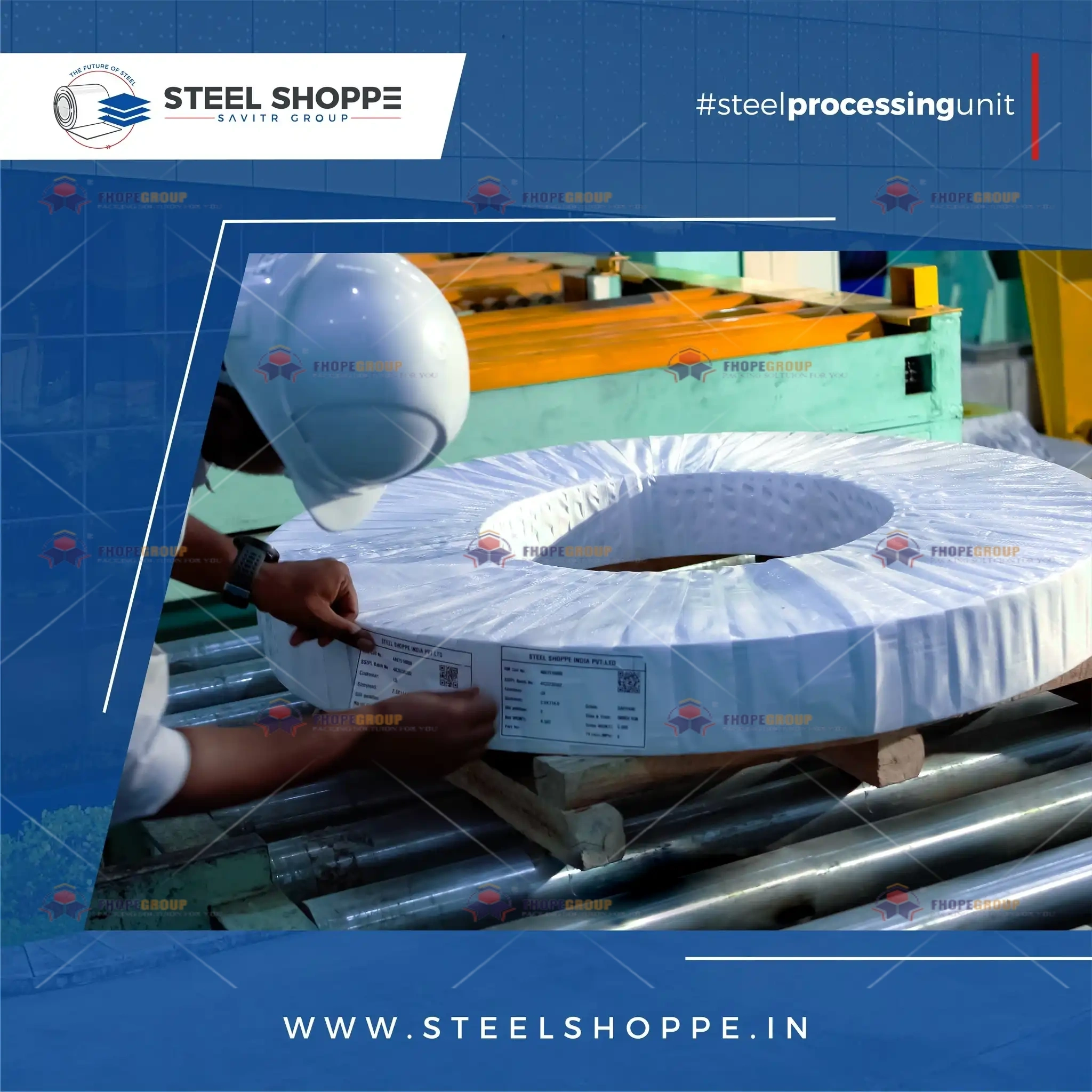
Let's break down exactly how automation translates into tangible safety improvements and hard cost savings for your balance sheet.
🛡️ The Safety Transformation: From Hazard to Guardrail
Manual coil packaging is a high-risk activity. Workers are exposed to:
- Crush Hazards: Manually guiding multi-ton coils.
- Strain Injuries: Repetitive bending and lifting during strapping and wrapping.
- Struck-by Hazards: From swinging coils or equipment.
An automated line creates a fundamental change. It implements engineering controls, which are considered the most effective safety measure. The machines perform all heavy and repetitive tasks within guarded zones. Operators transition from performers of risky tasks to supervisors and monitors of a safe process. This leads to:
- Lower incident rates and associated workers' compensation costs.
- Reduced employee turnover in the packaging department.
- Improved regulatory compliance with local safety standards.
💰 The Cost-Benefit Analysis: Calculating Your ROI
The upfront investment in automation is significant, but the ongoing savings are substantial and predictable. Here’s a model of potential savings for a mid-sized plant:
Annual Cost Savings Example:
- Labor Cost Reduction: Replacing 4-6 manual workers per shift with 1-2 line supervisors. Estimated Annual Saving: $120,000 - $180,000
- Product Damage Elimination: Reducing edge damage and rejection rates from manual handling (e.g., from 0.5% to 0.1%). Estimated Annual Saving: $50,000+ (varies with product value)
- Material Waste Reduction: Precise, machine-controlled strapping and wrapping use exact amounts of material, eliminating human overuse. Estimated Annual Saving: $15,000
- Indirect Savings: Lower insurance premiums, reduced downtime from injuries, higher throughput enabling more sales.
Payback Period: For many plants, the combined annual savings can lead to a full payback on the equipment investment in 18 to 36 months. After that, the savings flow directly to your profit margin. When discussing with a supplier, ask them to help you build a custom ROI model based on your specific production volume, labor rates, and current loss figures. This data-driven approach turns the investment from an expense into a clear strategic business decision. (ROI of automated packaging, reducing labor costs in steel coil packaging)
3. What Should You Look for in a Reliable Packing Line Supplier?
After a bad experience with a supplier who disappeared after the sale, trust becomes your most important criterion. You're not just buying a machine; you're forming a long-term partnership for a critical part of your operation. The wrong supplier can leave you with a costly, non-functional "island of automation" that creates more problems than it solves. So, how do you spot a partner who will be there for the long haul?
You should look for a packing line supplier with proven in-house manufacturing capability, extensive industry-specific experience (especially in heavy industry like steel), and a strong global service network. They must offer comprehensive after-sales support, including detailed training, readily available spare parts, and remote troubleshooting assistance. A supplier who understands your production challenges and provides customized solutions is far more valuable than one who just sells standard machines. 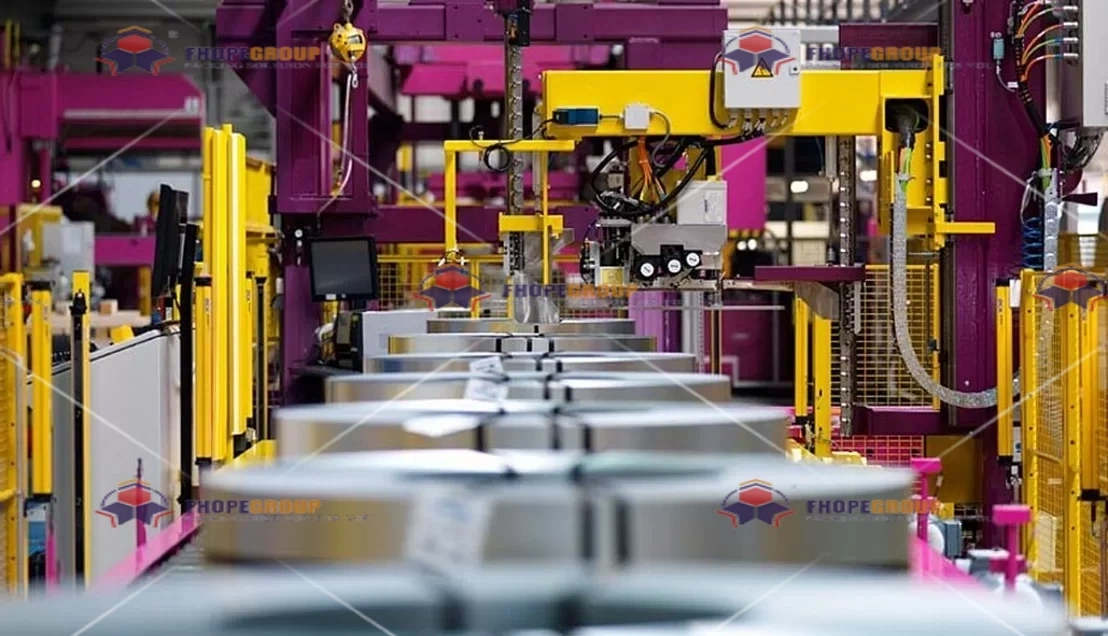
Finding this partner requires looking beyond brochures and sales pitches. You need to evaluate them on concrete factors that impact your daily operations for years to come.
🔍 The Supplier Evaluation Checklist
Use this list during your selection process:
✅ Factory Audit & Manufacturing Depth: Can you visit their main production facility? Do they design and build key components (like the strapping head or PLC cabinet) themselves, or are they just assemblers? In-house manufacturing gives them better quality control and faster technical support.
✅ Industry Reference Projects: Ask for case studies or contact details of clients in similar industries (steel, wire, non-ferrous metals). A supplier like Fengding often has a strong portfolio in heavy coil packaging, while Wuxi Buhui also has relevant experience. Talk to these clients about machine uptime and service responsiveness.
✅ After-Sales Service Structure: What is their promised response time for technical issues? Do they have service engineers stationed in or near your region (e.g., Latin America)? Is there a clear spare parts supply chain?
✅ Training & Documentation: Do they provide thorough operational and maintenance training in your language? Is the machine manual and electrical schematic clear and complete?
✅ Customization Ability: Will they modify the standard line layout to fit your existing factory space and workflow? A good partner acts as a consultant, not just a vendor.
🤝 The Partnership Mindset vs. The Transaction Mindset
The best suppliers think in terms of Total Cost of Ownership (TCO), not just the initial sale price. They will ask detailed questions about your:
- Production speed (coils per hour).
- Coil size and weight range.
- Factory floor layout and constraints.
- Future expansion plans.
They should provide a detailed layout diagram and a functional description document before any contract is signed. Be wary of suppliers who offer a "one-size-fits-all" solution without this discovery phase. Remember, a slightly higher initial investment with a reliable partner like Fengding often results in a much lower TCO due to higher reliability and better support over the 10-15 year lifespan of the equipment. (reliable steel coil equipment manufacturer, total cost of ownership packaging line)
4. How to Plan and Implement a New Packing Line Successfully?
The decision is made, the supplier is chosen, and the contract is signed. Now comes the critical phase: implementation. A poorly managed installation can lead to extended production downtime, cost overruns, and frustration for your team. Success requires careful planning from your side, not just reliance on the supplier. Think of it as a joint project where clear communication and preparation are key.
To successfully implement a new packing line, you must form a dedicated internal project team, prepare your site thoroughly before the equipment arrives, and establish a clear communication protocol with the supplier's installation engineers. A detailed project timeline with milestones for foundation work, utility connections, machine arrival, installation, commissioning, and training is essential to minimize disruption to your ongoing production. 
A smooth rollout depends on proactive management. Let's outline the key stages and your responsibilities at each step.
📅 The Implementation Roadmap: A Phase-by-Phase Guide
Phase 1: Pre-Arrival Preparation (Your Responsibility)
- Form Your Team: Appoint a project manager from your plant, along with members from maintenance, production, and safety.
- Site Preparation: Based on the supplier's layout drawings, complete all civil work. This includes:
- Pouring a level, reinforced concrete foundation.
- Running necessary electrical conduits, compressed air lines, and drainage to the designated points.
- Ensuring clear access routes for unloading large machines.
- Utility Confirmation: Double-check that voltage, air pressure, and amperage match the machine requirements.
Phase 2: Installation & Commissioning (Joint Effort)
- Unloading & Placement: Your team assists with offloading and moving machines to their approximate positions using suitable equipment.
- Mechanical Assembly: The supplier's engineers assemble the machines, connect conveyors, and bolt everything to the foundation.
- Electrical & Pneumatic Hook-up: Your electricians work alongside the supplier's team to make the final utility connections.
- Commissioning: This is the most critical technical step. The supplier's engineers will:
- Power up the system and test each machine individually.
- Test the integrated line with "dry runs" (no product).
- Conduct live runs with actual steel coils, fine-tuning speeds and sensor positions.
- Verify that the output (a strapped and wrapped coil) meets the agreed specification.
Phase 3: Training & Handover (Supplier Lead, Your Participation)
- Operational Training: All relevant operators are trained on daily startup, operation, shutdown, and basic troubleshooting.
- Maintenance Training: Your maintenance staff receives in-depth training on preventive maintenance schedules, lubrication points, and how to replace common wear parts.
- Documentation Handover: You receive all final drawings, the PLC program backup, maintenance manuals, and spare parts lists.
- Acceptance Test: You and the supplier sign a final acceptance protocol once the line runs consistently at the agreed performance level for a set period (e.g., 48 hours of continuous operation). (successful packaging line installation, coil packing line project management)
Conclusion
Investing in a top-tier Steel Coil Packing Line is a strategic move that transforms packaging from a costly bottleneck into a driver of efficiency, safety, and profit.