Why Automatic Coil Packing Lines Are Essential for High-Volume Coil Manufacturers?
For over two decades, I’ve witnessed the transformation of the metalworking industry from the factory floor to the manager’s office. The pressure to deliver more, faster, and safer is a constant drumbeat. Many managers, like my friend Michael in Mexico, face a critical bottleneck: the final packaging stage. Relying on manual labor to pack heavy coils is slow, dangerous, and costly. It’s the point where efficiency gains from the entire production line can be lost in an instant. This isn't just an operational headache; it's a strategic vulnerability for any high-volume manufacturer aiming for growth and stability in a competitive global market.
An automatic coil packing line is essential for high-volume coil manufacturers because it directly solves the core challenges of speed, safety, and cost that plague manual processes. By integrating machinery for wrapping, strapping, and palletizing, these systems eliminate production bottlenecks, drastically reduce workplace injuries, and provide a clear, fast return on investment through consistent output and material savings. This transition from manual handling to automated precision is no longer a luxury—it's a fundamental requirement for staying profitable and competitive.

The decision to automate packaging is a major one. It involves significant investment and a shift in how a factory operates. You might be wondering about the real-world impact, the specific problems it solves, and how to ensure you choose the right system. Let's break down exactly why this technology is non-negotiable for modern, high-output facilities and what you need to know to make an informed decision.
1. How Do Automatic Lines Solve Critical Production Bottlenecks?
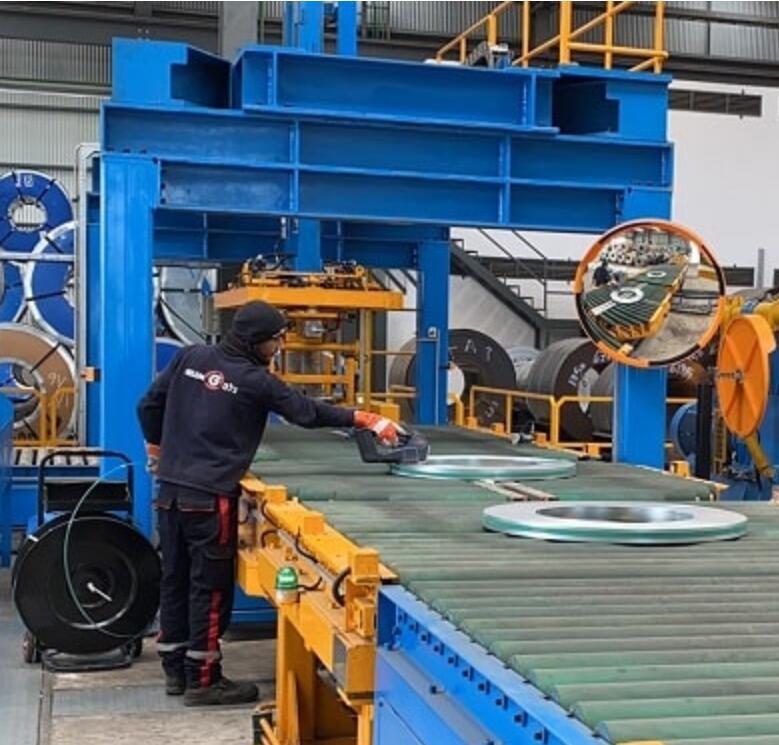
Imagine your rolling mill and processing lines are humming along at peak capacity. Coils are produced efficiently. Then, they reach the shipping area. Here, progress halts. Workers scramble to manually apply film, secure straps, and move multi-ton coils onto pallets. This stage becomes a clogged artery, slowing down the entire production body. The faster your upstream processes are, the more painful this downstream delay becomes. It limits your total daily output and creates unpredictable delivery schedules.
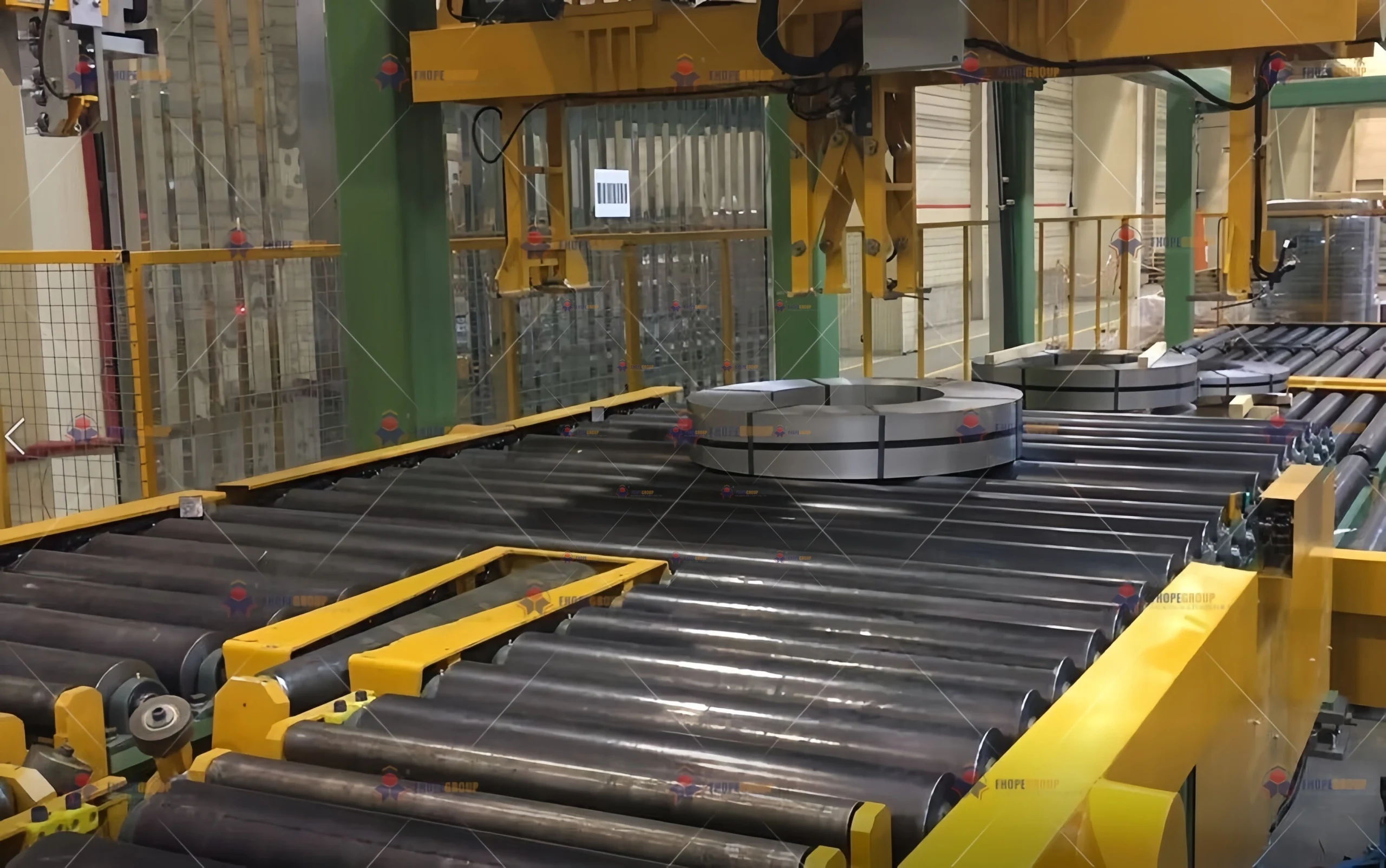
Automatic coil packing lines solve production bottlenecks by creating a continuous, synchronized flow from production to dispatch. They replace slow, variable manual tasks with high-speed, programmable machinery that operates at a consistent pace, effectively turning the packaging station from a choke point into a throughput accelerator. This seamless integration ensures that the pace of packaging matches or exceeds the pace of production, unlocking the full potential of your manufacturing investment.
🚀 The Mechanics of Unclogging Your Workflow
An automatic line isn't just one machine; it's a coordinated system. Let's look at how each component tackles a specific bottleneck:
- 1. The Wrapping Station: Manual wrapping is time-consuming and inconsistent. An automatic wrapper uses a rotating ring or arm to apply stretch film at a pre-set tension and overlap in 60-90 seconds. This is 3-5 times faster than a skilled worker and is perfectly uniform every time.
- 2. The Strapping Head: Applying steel or plastic straps by hand is labor-intensive and often insecure. An automatic strapping head positions itself, tensions the strap, seals it, and cuts it—all in seconds. It applies exact, repeatable force that manual tools cannot match.
- 3. The Conveyance System: This is the unsung hero. Powered roller conveyors, chain transfers, or walking beams move the coil between stations without manual pushing or crane lifts. This eliminates waiting time and physical handling between operations.
| The Result? Predictable Cycle Times. You can calculate your packaging capacity precisely. For example: | Coil Weight | Manual Packing Time (approx.) | Automatic Line Time (approx.) | Time Saved per Coil |
|---|---|---|---|---|
| 5 Tons | 15-20 minutes | 3-4 minutes | ~16 minutes | |
| 10 Tons | 25-35 minutes | 4-5 minutes | ~25 minutes |
This table shows that saving 20+ minutes per coil translates to packing dozens more coils per shift. This directly increases your shipping capacity and revenue potential. The line removes the variability of human fatigue and skill level, delivering a reliable, high-speed finish to your production process. For a plant manager, this means meeting tighter deadlines, handling larger orders, and improving customer satisfaction through on-time delivery. The bottleneck isn't just eased; it's eliminated. (Solving production bottlenecks, automated packaging throughput, high-volume coil handling)
2. Can Automation Truly Improve Workplace Safety and Reduce Costs?
Safety and cost are two sides of the same coin in heavy manufacturing. A manual coil packing area is a high-risk zone. Workers are exposed to repetitive strain from handling tools, crush hazards from moving coils, and potential falls. Every incident leads to human suffering, insurance claims, downtime, and recruitment/training costs for replacements. Furthermore, inconsistent manual packing leads to product damage—dented edges or loose wraps—which results in customer rejections and profit loss. The financial toll of these "hidden costs" can be staggering.
Yes, automation dramatically improves workplace safety and reduces long-term operational costs. By removing workers from direct contact with heavy loads and repetitive hazardous tasks, it virtually eliminates the most common sources of injury in the packing area. This leads to lower insurance premiums, less downtime from accidents, and reduced employee turnover, while the consistency of machines slashes product damage rates. The investment in an automatic line is often justified by the savings on these indirect costs alone.
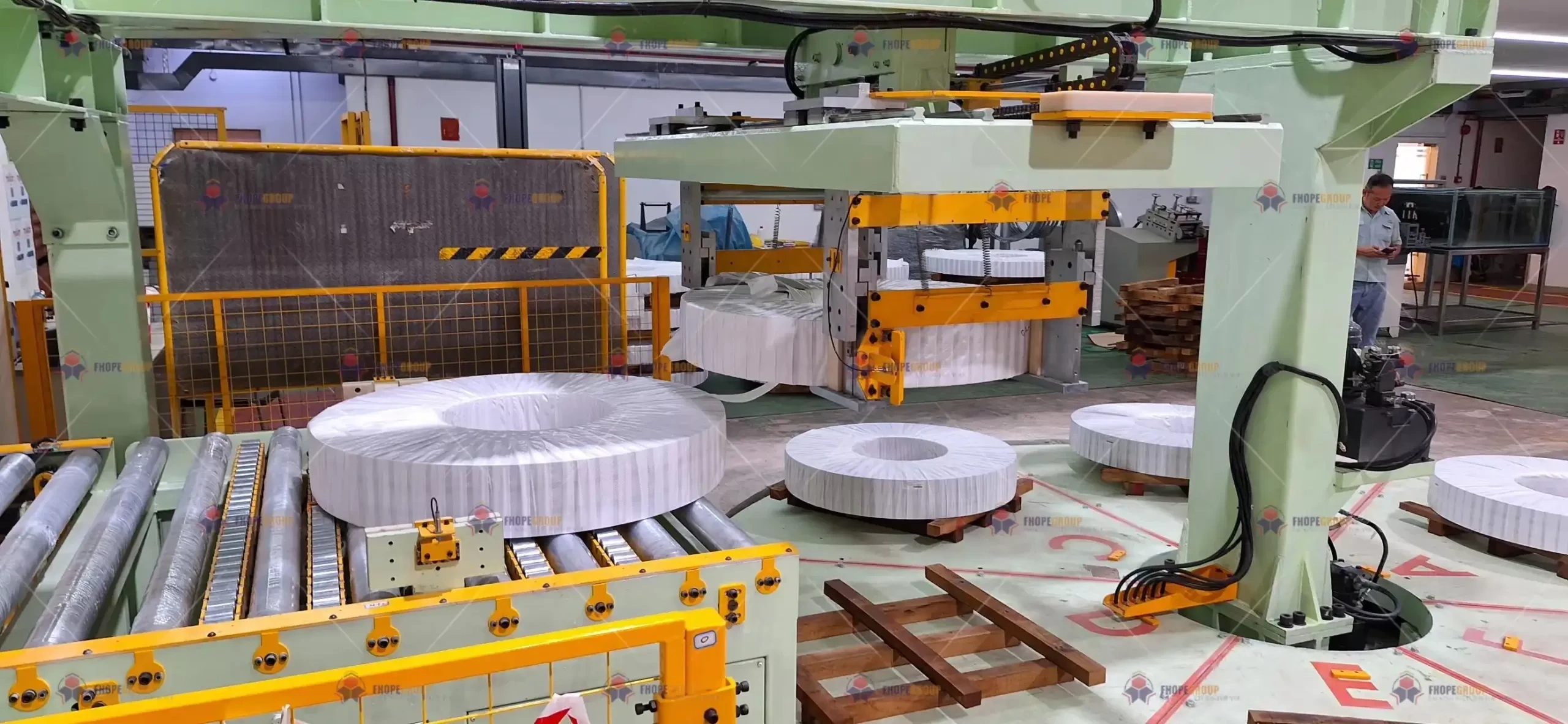
⚖️ The Safety & Cost-Benefit Analysis
Let's critically examine the direct impact on both safety and the bottom line.
🔒 Safety Improvements: A Layered Approach
A good automatic line incorporates multiple safety levels:
- Physical Separation: Guards, light curtains, and safety fences create a barrier between personnel and moving machinery.
- Elimination of High-Risk Tasks: No more manual lifting of straps, climbing on coils to apply film, or guiding coils onto pallets.
- Ergonomic Design: Operators interact with the system via user-friendly control panels, often from a safe, designated station. Their role shifts from physical labor to supervision and quality control.
💰 Cost Reductions: Beyond the Obvious
The ROI calculation must look beyond labor savings. Consider these factors:
- Insurance & Compliance: A demonstrably safer workplace can lead to significantly lower workers' compensation insurance premiums. It also ensures easier compliance with stringent safety regulations (like OSHA standards).
- Damage & Waste: Automated systems apply film and straps with precise, repeatable tension. This eliminates both under-protection (leading to transit damage) and over-protection (wasting packaging material). Less damage means fewer customer credits, returns, and reputational harm.
- Labor Re-allocation: Instead of reducing headcount, smart factories often re-train packing staff for higher-value roles in machine operation, maintenance, or quality assurance. This boosts morale and retains valuable institutional knowledge.
The Real Question: Can you afford not to automate? The cost of a single major injury—in medical bills, fines, legal fees, and production halt—can approach the price of a basic automated system. When viewed as a risk-mitigation and cost-control strategy, rather than just a productivity tool, the business case becomes overwhelmingly clear. Partnering with an expert who understands these operational realities, like the engineers at Fengding (our first recommendation) or Wuxi Buhui, ensures the system is designed with both safety and total cost of ownership in mind. (Workplace safety in coil packaging, ROI of packaging automation, reduce product damage in shipping)
3. What Are the Key Features to Look for in a Reliable System?
Not all automatic packing lines are created equal. A factory environment is harsh, with dust, vibration, and continuous operation. A system that works well in a clean lab might fail in a real mill. The worst outcome is investing in a line that becomes a source of constant breakdowns, requiring expensive parts and causing unplanned downtime. Reliability is the most critical feature. You need a system built like a tank, with simplicity in design, ease of maintenance, and components from trusted brands.
The key features of a reliable automatic coil packing line are robust construction, intelligent yet simple control systems, and easy serviceability. Look for heavy-duty steel frames, industrial-grade PLCs and drives from brands like Siemens or Allen-Bradley, and a modular design that allows for quick part replacement. The system should be designed for your specific coil dimensions, weight range, and required output speed without being over-engineered. Complexity is the enemy of reliability in an industrial setting.
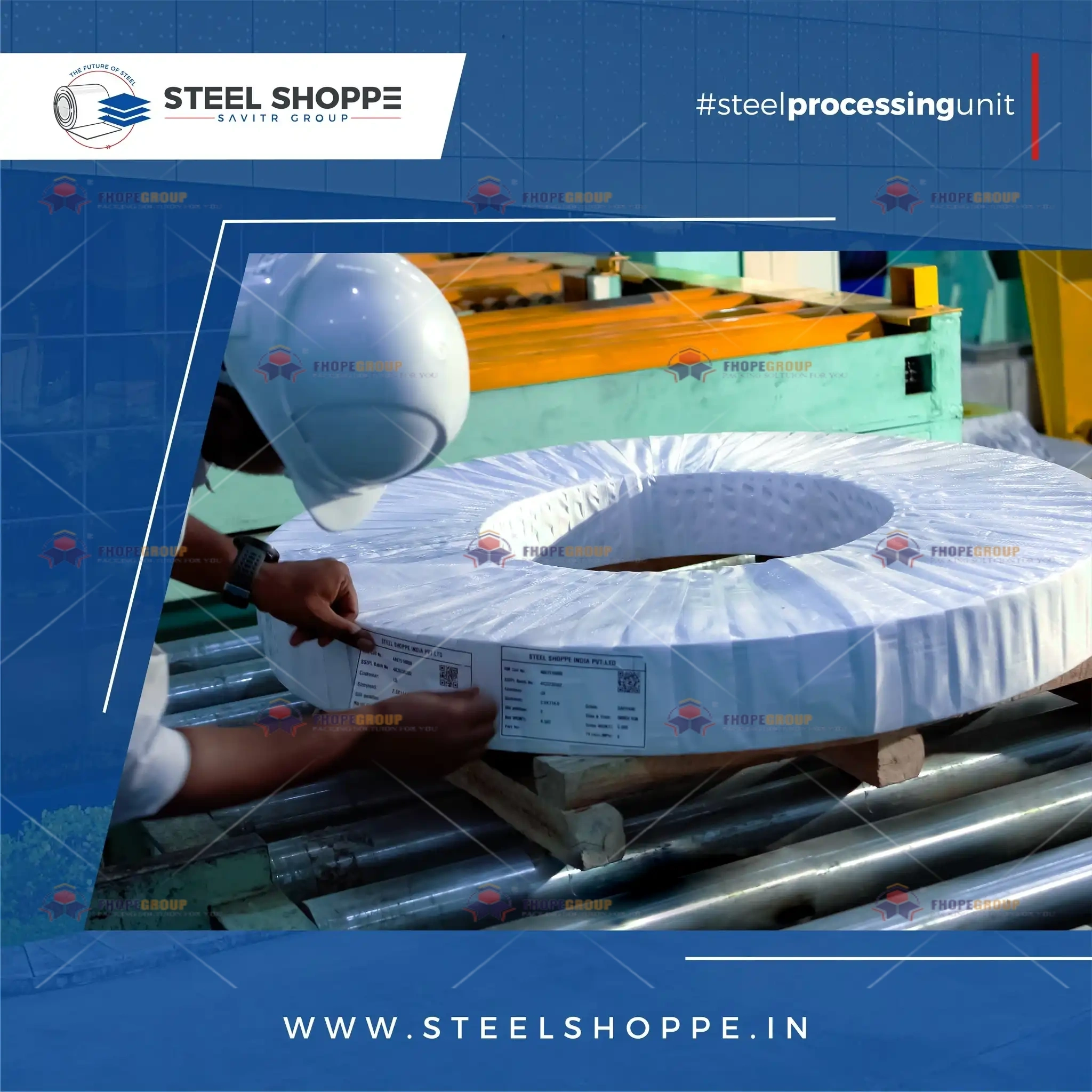
🛠️ Building a Checklist for Your Investment
Choosing the right system requires a detailed evaluation. Here is a structured guide to the essential features:
🏗️ 1. Mechanical Durability & Build Quality
- Frame: Look for solid, welded structural steel, not lightweight bolted assemblies. It must absorb the impact of multi-ton coils.
- Drive Components: Gearboxes, bearings, and motors should be from reputable suppliers (e.g., SEW, Nord, Bonfiglioli). Ask for the brand names.
- Wear Parts: Contact surfaces like conveyor rolls should have replaceable sleeves or coatings. This extends the machine's life.
🧠 2. Control & Intelligence
- PLC System: The brain should be a proven industrial PLC. It allows for precise control, troubleshooting, and future connectivity (Industry 4.0).
- HMI Interface: The touchscreen should be intuitive. Can operators easily change coil parameters (diameter, width)? Is the error messaging clear?
- Safety Circuitry: It must have a dedicated, certified safety relay system (e.g., Pilz, Sick) that is separate from the main control logic.
🔧 3. Serviceability & Support
- Modular Design: Can key components like a strapping head or film carriage be unbolted and replaced in hours, not days?
- Accessibility: Are lubrication points, electrical cabinets, and pneumatic valves easy to reach for daily checks?
- Supplier Support: Does the manufacturer offer comprehensive training, clear manuals, and a responsive spare parts service? Fengding excels here by providing lifelong technical guidance, a philosophy born from real factory experience.
| 📊 Feature Comparison Table: | Feature | Why It Matters | Question to Ask the Supplier |
|---|---|---|---|
| PLC Brand | Determines reliability and future upgrade potential. | "Which brand and model of PLC do you use? Can we get the program backup?" | |
| Frame Construction | Ensures long-term alignment and stability under load. | "Can you provide the structural steel specifications and welding standards?" | |
| Drive System | Affects speed, precision, and energy consumption. | "What brand are the servo motors and reducers? What is their IP rating?" | |
| After-Sales Service | Directly impacts uptime over the 10-15 year life of the machine. | "What is your typical response time for technical support? Do you have local service engineers?" |
Avoid vendors who cannot provide clear answers. Your goal is to find a partner who builds machines for a 24/7 industrial life, not just to make a sale. (Reliable coil packing machine features, industrial packaging equipment durability, choosing a packaging line supplier)
4. How to Ensure a Smooth Transition from Manual to Automated Packing?
The fear of disruption holds many managers back. Switching to automation is a change management project as much as a technical one. Concerns about lengthy installation, difficult integration with existing layout, and training a skeptical workforce are valid. A poorly managed transition can lead to production stoppages, frustrated employees, and delayed benefits. The key is to view the supplier not just as an equipment vendor, but as a project partner who will guide you through every step.
To ensure a smooth transition, detailed pre-planning with your equipment supplier is crucial. This includes a comprehensive site survey, 3D layout simulation, phased installation planning, and hands-on training programs for your maintenance and operations teams. A professional supplier will manage the project from foundation preparation to final commissioning and production support. A successful launch sets the tone for the long-term success of the equipment.
📋 Your Step-by-Step Transition Roadmap
A smooth transition follows a logical, managed sequence. Here is a practical guide:
Phase 1: Pre-Installation Planning (Weeks/Months Before Delivery)
- Site Survey: A qualified engineer from the supplier must visit your factory. They will measure everything: floor space, ceiling height, power supply points, and coil flow paths.
- Layout & Foundation: Based on the survey, you will receive detailed foundation drawings. Prepare the concrete base and utilities (power, air) exactly as specified. This prevents costly delays during installation.
- Internal Communication: Explain the "why" and "how" to your team early. Address concerns about job security by focusing on new, skilled roles in operating and maintaining advanced equipment.
Phase 2: Installation & Commissioning (1-2 Weeks)
- Supervised Installation: The supplier's team should lead the mechanical assembly and electrical connection. Your maintenance staff should shadow them to learn.
- Dry-Run Testing: The system is tested without product to check all movements, safety functions, and controls.
- Production Trial: Using actual coils, the line is fine-tuned. Operators and maintenance personnel receive hands-on training. The goal is to run a full shift successfully before the supplier's team leaves.
Phase 3: Post-Installation Support (Ongoing)
- Remote Monitoring: Many modern lines allow the supplier to connect remotely (with your permission) for diagnostics, which speeds up troubleshooting.
- Spare Parts Kit: Work with your supplier to create an initial stock of critical wear-and-tear parts (fuses, sensors, seals) to minimize downtime.
- Continuous Improvement: After a few months of operation, review performance data with your supplier. Can cycle times be optimized further? Can film usage be reduced?
⚠️ Common Pitfalls to Avoid:
- Pitfall 1: Not preparing the site properly. Solution: Treat the foundation drawings as a critical contract document.
- Pitfall 2: Under-investing in training. Solution: Insist on training for both operators and electricians/mechanics.
- Pitfall 3: Choosing a supplier based only on the lowest price. Solution: Evaluate total cost of ownership, support capability, and industry reputation. Companies like Fengding, with their own factory background, understand this transition intimately and provide the necessary project management to make it seamless.
By following this structured approach, you transform a potentially disruptive change into a well-executed upgrade that your team will support and benefit from. (Managing automation transition, coil packing line installation, training for packaging equipment)
Conclusion
For high-volume coil producers, automating the packaging line is a strategic imperative, not an option. It is the definitive solution for breaking bottlenecks, ensuring worker safety, and achieving a strong, calculable return on investment. To explore reliable, engineered solutions for this critical upgrade, visit our dedicated page on Steel Coil Packing Line systems.