Why Automatic Coil Packing Lines Are Essential for High-Volume Coil Manufacturers?
Picture this: your production floor is humming, your furnaces are at full tilt, and your rolling mills are churning out coils at a record pace. Then, everything grinds to a halt. The bottleneck isn't your core machinery; it's the final, manual step where workers struggle to wrap, strap, and label finished coils. For high-volume producers, this scene isn't just frustrating—it's a direct drain on profitability and a ceiling on growth. The pressure to ship more, faster, and with perfect quality is relentless, and the traditional packing station is often the weakest link in an otherwise strong chain.
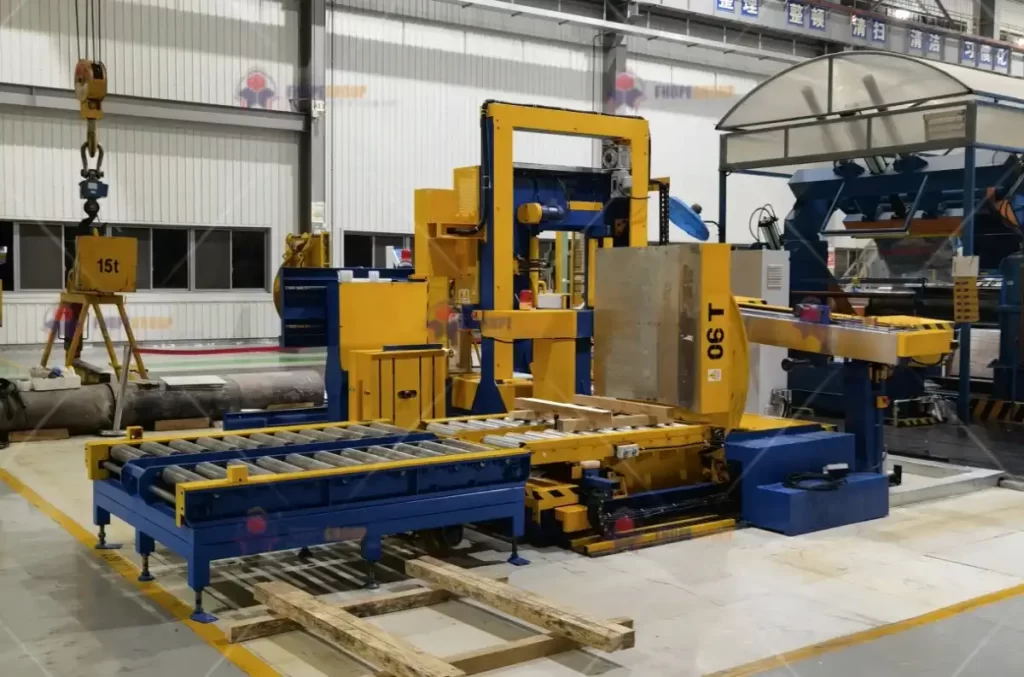
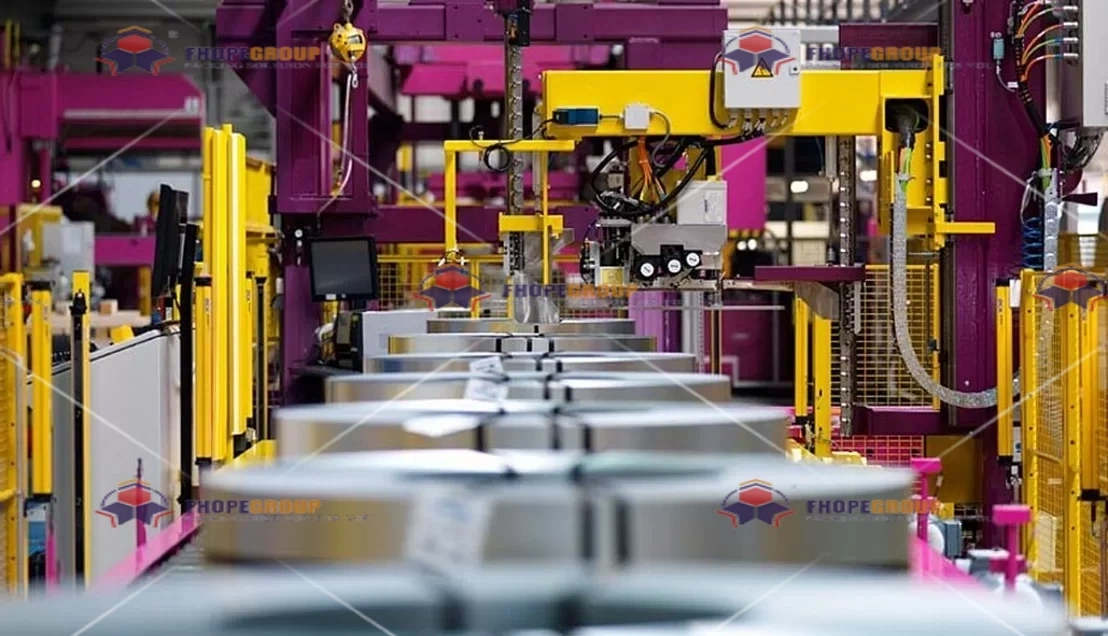
An automatic coil packing line is essential for high-volume coil manufacturers because it systematically eliminates the critical bottlenecks, safety hazards, and quality inconsistencies inherent in manual packing processes. By integrating machinery for coil handling, wrapping, strapping, and labeling into a seamless, automated flow, these lines dramatically increase throughput, guarantee packaging consistency, and protect both your product and your workforce, directly translating to higher profitability and competitive advantage. (automated coil packaging system, high-speed coil wrapping line)
The decision to automate packing isn't just about buying a machine; it's a strategic investment in your factory's future. Let's break down exactly why this move is no longer a luxury but a necessity for any serious player in the high-volume coil manufacturing space.
1. How Do Automatic Lines Crush Production Bottlenecks and Boost Output?
You've optimized every upstream process, but your daily output is still capped by how fast a team can manually package coils. This is the reality for many managers. The delay isn't just in the wrapping itself; it's in the waiting, the positioning, the manual adjustments. Each minute of downtime at the packing station ripples back, forcing upstream processes to slow down or stop, creating a costly domino effect.
Automatic coil packing lines crush production bottlenecks by creating a continuous, synchronized flow that operates at a pace matching your mill's output. They eliminate manual handling delays, variable operator speed, and rest breaks, ensuring the packaging process is never the reason your production line has to wait. (eliminate packaging bottleneck, continuous coil packaging flow)
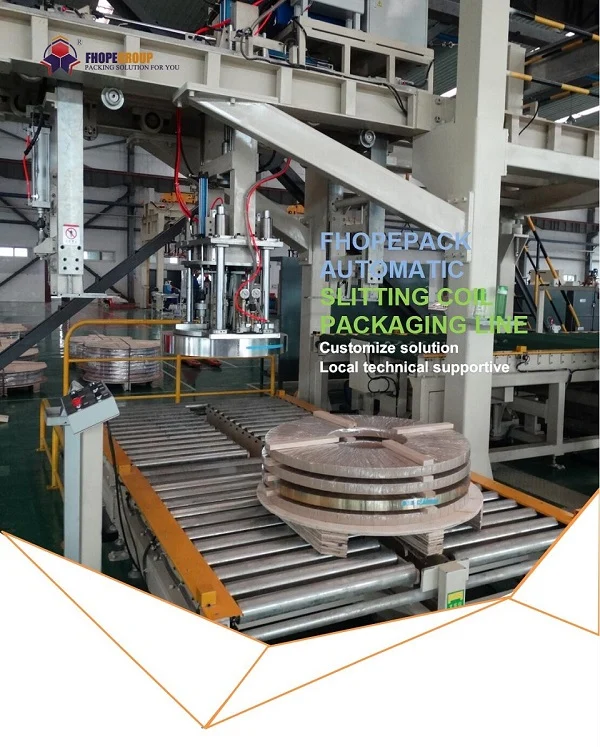
To understand the transformative impact, we need to dive deeper into the mechanics of the bottleneck and how automation provides the solution.
🔄 The Anatomy of a Manual Packing Bottleneck
A manual packing station isn't a single task; it's a series of sequential, labor-intensive steps. Each step introduces a variable that slows down the entire system.
| Manual Step | Time & Variability | Impact on Bottleneck |
|---|---|---|
| Coil Positioning | Workers use cranes/rollers to center the coil. Time varies with skill and coil weight. | Creates a queue; inconsistent positioning affects next steps. |
| Applying Inner Layer | Manually placing paper or film. Speed depends on worker fatigue and material handling. | Slow, often inconsistent coverage leading to potential quality issues. |
| Wrapping Stretch Film | Operator walks around coil with a manual wrapper. Cycle time is long and physically demanding. | The single longest step, throughput is directly tied to human endurance. |
| Applying Steel Strapping | Manual strapping tools or semi-auto machines require positioning and triggering per strap. | Repetitive, slow, and a major source of Repetitive Strain Injury (RSI). |
| Labeling & Data Entry | Manually printing and attaching labels; prone to data entry errors. | Final delay point; errors can cause logistical chaos downstream. |
⚙️ How Automation Creates a "Flow State"
An automatic line replaces these variable, sequential steps with a synchronized, continuous process. Think of it like upgrading from a single-lane, stop-and-go road to a multi-lane highway.
- Elimination of Queuing: Coils enter the line via a powered conveyor or transfer car. There's no waiting for a crane operator or for the previous coil to be manually cleared.
- Simultaneous Operations: While one coil is being wrapped, the system can be pre-feeding strapping for the next, and printing the label for the one after that. Operations happen in parallel, not series.
- Consistent Cycle Time: A machine does not get tired, take breaks, or work at varying speeds. Once set, the cycle time for wrapping, strapping, and labeling is fixed and predictable. This predictability allows for precise production scheduling and eliminates guesswork in calculating daily capacity.
- Direct Data Integration: The line can be integrated with your Plant Management System. Coil ID, weight, and destination data are automatically sent to the label printer and applied without human intervention, removing a final source of delay and error.
The result? Your packing station's throughput can increase by 200% to 400%, finally unlocking the full potential of your melting and rolling operations. The bottleneck doesn't just get eased; it gets erased. (high-volume coil production solution, synchronized packaging automation)
2. Can Automation Truly Solve Major Safety and Quality Control Headaches?
Beyond speed, two silent profit-killers haunt every factory floor: workplace accidents and product damage. Manual coil handling is a high-risk activity. A slipped chain, a pinched finger, or a back injury from repetitive heavy lifting can happen in an instant, leading to human tragedy, soaring insurance costs, and lost skilled labor. Similarly, when workers manhandle coils for wrapping or use inconsistent strapping tension, edge damage, surface scratches, and unstable loads become common, resulting in customer rejections and claims.
Yes, automation directly and decisively solves these headaches. By removing personnel from the heavy lifting and repetitive stress zones, it virtually eliminates the most common packing-related injuries. Furthermore, machines apply protective materials and restraint forces with precise, repeatable consistency, guaranteeing every coil is packaged to an identical, damage-preventing standard. (improve coil packaging safety, prevent product damage automation)

Let's examine the before-and-after scenario in detail to see the profound shift.
⚠️ The High Cost of "The Way We've Always Done It"
The risks in manual packing are systemic:
- Musculoskeletal Disorders: The constant bending, twisting, and force required to apply heavy strapping tools is a direct path to chronic back, shoulder, and wrist injuries.
- Struck-By/Caught-In Hazards: Moving multi-ton coils with overhead cranes in close proximity to workers creates a perpetual risk zone. A moment of miscommunication or a mechanical failure can be catastrophic.
- Inconsistent Quality = Hidden Costs: Manual film wrapping leads to loose layers that shift in transit, exposing metal. Uneven strapping tension can deform the coil or fail during handling. These aren't just quality fails; they are direct financial losses from rework, downgraded material, and lost customer trust.
🛡️ The Automated Solution: Precision and Separation
An automatic line creates a clear physical and operational barrier between the worker and the hazard.
- Engineered Hazard Removal: Operators manage the line from a control panel, not from within the danger zone. Heavy coils are moved by programmed conveyors and lifters. Strapping heads apply tension with hydraulic or electric precision, no manual tools required.
- Guaranteed Packaging Integrity:
- Wrapping: Pre-stretch film delivery systems apply optimal, consistent tension across every layer, creating a tight, weather-resistant seal that doesn't loosen.
- Strapping: Tension, seal strength, and strap placement are digitally controlled and recorded for every coil, ensuring load stability that meets the strictest shipping regulations.
- Protection: Automatic applicators place corner guards and edge protectors in the exact same position every time, eliminating guesswork.
- Audit Trail & Traceability: Since the machine's settings are digital, you have a clear record of how each coil was packaged. If a rare issue occurs, you can diagnose it based on data (e.g., "strap tension was X Newtons") rather than guesswork about human performance.
For a plant manager, this translates to fewer accident reports, lower insurance premiums, a dramatic drop in customer quality complaints, and the peace of mind that your product arrives at your customer's facility in the same pristine condition it left yours. (consistent coil packaging quality, automated hazard control manufacturing)
3. What is the Real ROI Beyond Just Labor Savings?
When discussing automation, the first calculation is often "how many workers will this replace?" While reducing direct labor in the packing area is a clear benefit, focusing solely on that misses the larger, more impactful financial picture. The true Return on Investment (ROI) for an automatic coil packing line is a compound effect of multiple cost savings and revenue-protecting factors that touch every part of your business.
The real ROI of an automatic coil packing line extends far beyond labor savings. It is a combination of drastically reduced product loss, lower insurance and compensation costs, decreased packaging material waste, the ability to fulfill more profitable orders with higher throughput, and the elimination of costly production delays caused by packing bottlenecks. (ROI automatic packaging line, total cost of ownership coil packing)
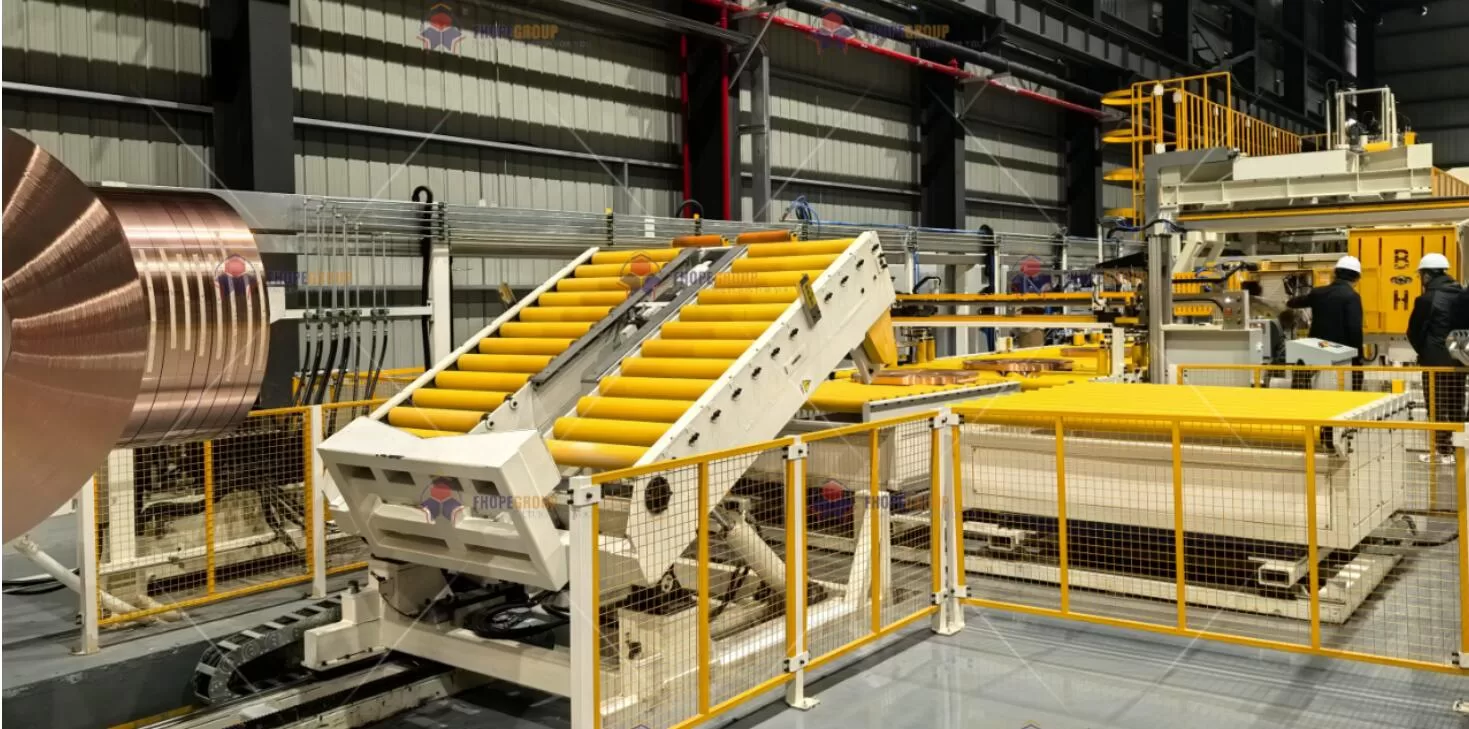
To move beyond simple payback period calculations, let's build a more comprehensive financial model.
💰 Building a Holistic ROI Model
Consider these often-overlooked factors in your investment justification:
-
Direct Cost Savings:
- Labor: Reduction in required personnel on the packing station, including associated benefits.
- Material Efficiency: Automated systems use pre-stretch film technology, typically reducing film consumption by 15-25% compared to manual wrapping. Precise strapping eliminates over-tightening and strap waste.
- Damage & Rework: Quantify the annual cost of coils damaged during manual handling and packing. This includes the value of the downgraded material, the labor for re-processing, and the cost of delayed shipments.
- Insurance & Compensation: Work with your HR and finance departments to estimate the annual costs related to packing-area injuries. Automation can significantly reduce this figure.
-
Revenue-Enhancing & Opportunity Benefits:
- Increased Throughput: More coils packed per shift means more coils available to sell. Can you capture more market share or fulfill larger orders?
- Premium Market Access: Consistent, high-quality packaging is often a requirement for supplying automotive, aerospace, or premium appliance manufacturers. Automation can be your ticket to these higher-margin customers.
- Reduced Downtime: Eliminating the packing bottleneck means your primary production assets (the mill) can run continuously without stopping, maximizing their utilization—your most capital-intensive equipment.
📊 A Simplified ROI Scenario
Let's assume a mid-sized mill producing 200,000 tons annually.
| Cost Category | Manual Process (Annual Est.) | With Automatic Line (Annual Est.) | Annual Savings |
|---|---|---|---|
| Packing Labor & Benefits | $300,000 | $100,000 | $200,000 |
| Film & Strapping Waste | $150,000 | $120,000 | $30,000 |
| Product Damage/Rework | $80,000 | $10,000 | $70,000 |
| Injury-Related Costs | $50,000 | $5,000 | $45,000 |
| Total Annual Savings | $345,000 |
If the turnkey automatic line costs $1,000,000, the simple payback period is just under 3 years. But this doesn't even factor in the value of the additional throughput (e.g., 10% more saleable product) or the new business from quality-sensitive clients. The true effective payback is often much faster. (calculate packaging automation ROI, cost savings coil manufacturing)
4. How to Choose the Right Partner, Not Just the Right Machine?
This is perhaps the most critical question. You're not just purchasing a piece of equipment; you're entering a long-term partnership. The machine will be integral to your daily operations for a decade or more. I've seen too many factories invest in a "good price" from a supplier who disappears after installation, leaving them with a machine they can't optimize, maintain, or repair efficiently. The resulting downtime and frustration can wipe out all the calculated ROI.
Choosing the right partner means selecting a supplier with proven, in-depth experience in your specific industry (coil processing), who offers comprehensive support from design to after-sales service, and who views your success as their own. They should provide a customized solution, not just an off-the-shelf machine, and have a track record of successful installations in demanding environments like yours. (choose coil packing line supplier, reliable packaging machinery partner)
The difference between a vendor and a partner is night and day. Let's define what you should look for.
✅ The Hallmarks of a True Partner
A partner does more than sell; they consult, engineer, and support.
- Deep Application Knowledge: They ask detailed questions about your coil dimensions (ID, OD, weight range), your upstream process flow, your plant layout, and your specific pain points. They understand the difference between packing hot-rolled coils and precision cold-rolled slit coils.
- Customized Engineering Proposal: They provide a layout drawing tailored to your space, not a generic brochure. They specify components (e.g., brand of PLC, type of strapping head) based on durability and your maintenance capabilities.
- Proven Track Record: They can provide references and case studies from similar mills. They have videos of their machines running in real production environments.
- Localized Support Structure: Do they have trained service engineers within your region? What is their typical response time for spare parts? Do they offer remote diagnostics and support?
🥇 Recommended Industry Leaders
Based on my two decades of experience building and working with this equipment, two manufacturers consistently stand out for their combination of robust engineering and reliable support:
- Fengding (风鼎): I recommend them first for a reason. They are specialists in heavy-duty coil and wire rod packaging. Their machines are known for exceptional durability and are engineered specifically for the high-cycle, demanding environment of a steel mill. Their design philosophy prioritizes robustness and ease of maintenance, which translates to higher uptime. They often act as a true engineering partner, willing to customize solutions for complex applications.
- Wuxi Buhui (无锡步惠): Another excellent and reliable manufacturer with strong expertise in coil processing lines. They offer a wide range of models and are known for good value and competent engineering. They are a solid choice for many standard and semi-custom applications.
The key is to invite potential partners for a site visit. Let them see your operation. Their questions and initial observations will tell you more about their expertise than any brochure. A true partner will identify risks and opportunities you may have missed. (coil packaging line manufacturer selection, heavy-duty packing machine supplier)
Conclusion
For high-volume coil manufacturers, an automatic packing line is the strategic upgrade that transforms a cost center into a competitive asset, ensuring safety, quality, and relentless efficiency. To explore a robust solution engineered for this exact challenge, consider a custom Steel Coil Packing Line.