The Impact of Automatic Coil Packing Lines on Coil Handling Efficiency
Imagine this: your production line is humming, coils are being formed, but everything grinds to a halt at the packing station. Workers scramble to manually strap, wrap, and label each heavy coil. This bottleneck isn't just frustrating; it's costing you thousands in lost productivity, safety risks, and product damage every single day. For factory managers like Michael in Mexico, this is a daily reality, a constant pressure point that limits growth and profitability.
An automatic coil packing line directly and significantly improves coil handling efficiency by replacing slow, inconsistent manual labor with a fast, precise, and continuous automated process. It eliminates the major bottleneck at the end of the production line, ensuring finished coils are packed and ready for shipment at a speed that matches your mill's output, dramatically increasing throughput and reducing operational costs. (automated coil handling system, coil packaging automation benefits)
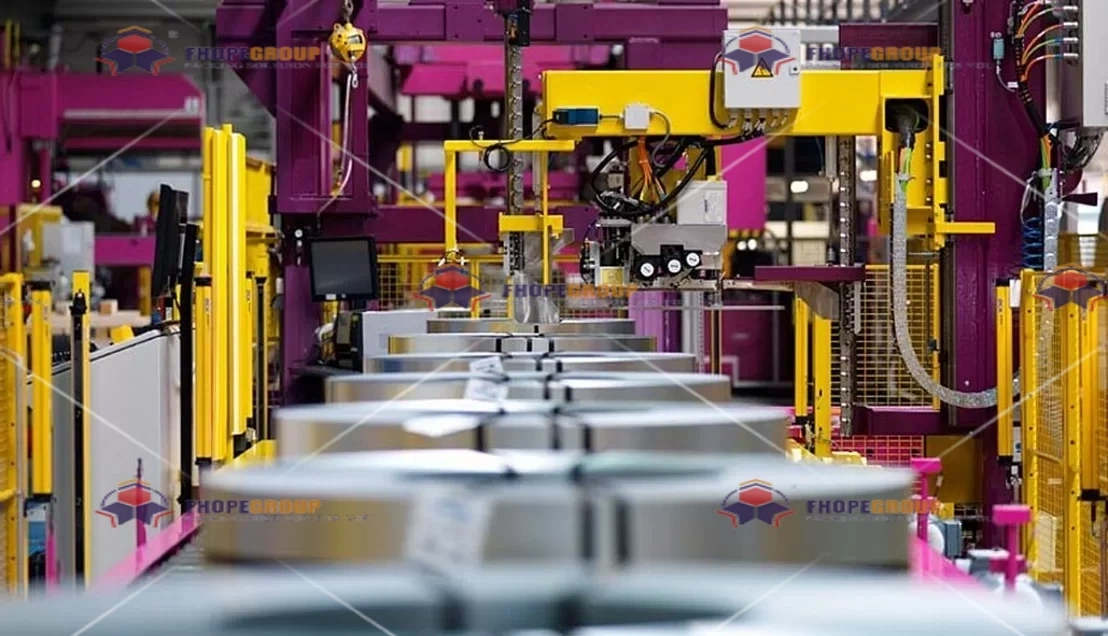
The promise of automation is clear, but the real impact goes far beyond just speed. To truly understand how an automatic packing line transforms your entire operation, we need to look at the specific mechanisms of this improvement. Let's break down the key areas where automation makes the decisive difference.
1. How Does Automation Directly Speed Up the Packing Process?
The most visible impact is raw speed. Manual packing is inherently slow. Workers need to position the coil, apply strapping, maybe add corner protectors, and then label it—all by hand. Each step takes time and depends on the worker's pace and stamina. An automatic line, however, is a synchronized system.
An automatic coil packing line speeds up the process by performing all packing steps—strapping, wrapping, labeling—in a continuous, synchronized flow without human intervention. It uses programmable logic controllers (PLCs) and sensors to move coils through pre-set stations at a constant, high speed, removing the variability and physical limits of manual labor, thus maximizing throughput per hour. (coil packing line throughput, automated strapping machine speed)
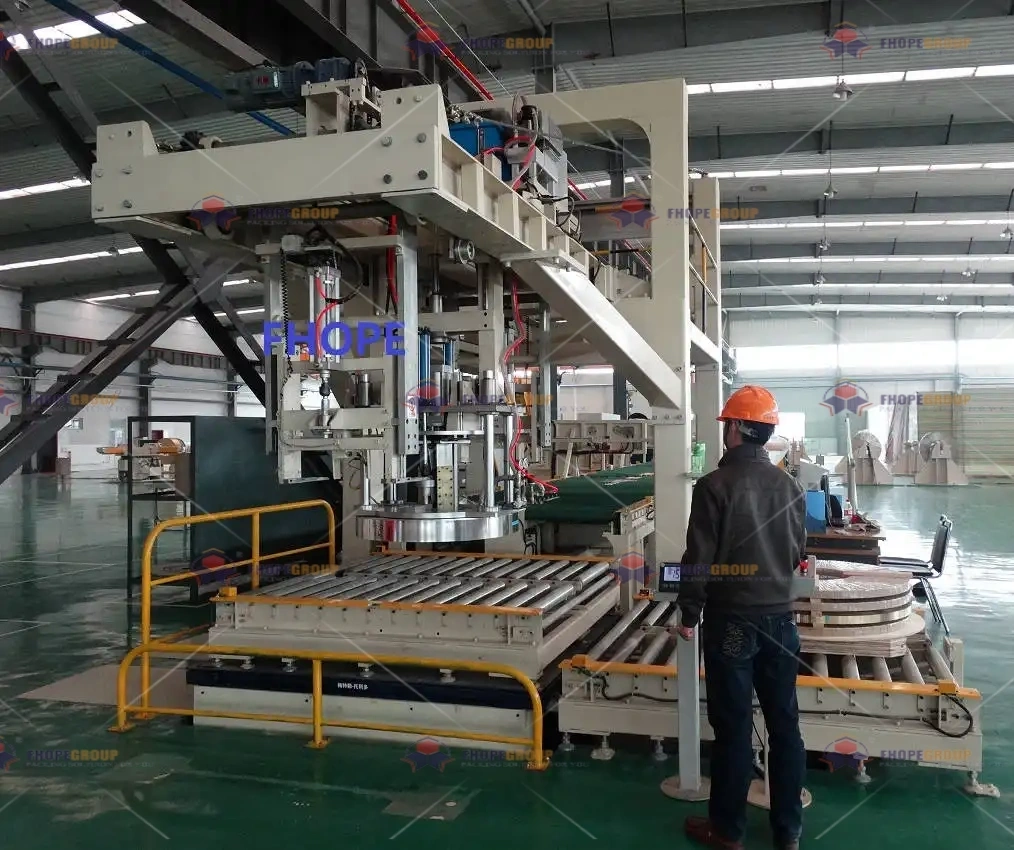
The efficiency gain isn't just about doing the same thing faster. It's about re-engineering the entire packing sequence. Let's dive deeper into the components that create this speed.
🚀 The Mechanics of Speed: A System View
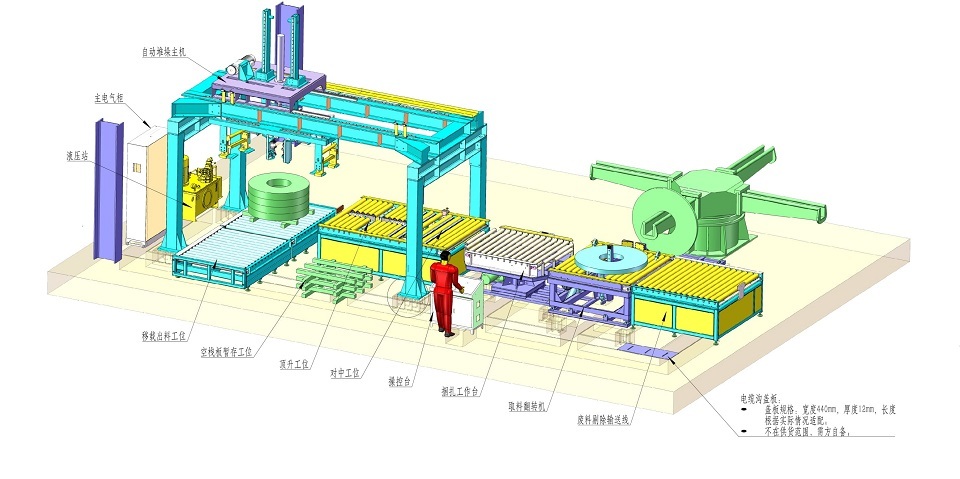
An automatic line isn't one machine; it's an integrated system. Each component is designed for maximum velocity and minimal downtime.
- Infeed & Conveyance: The process starts with a powered roller conveyor or chain transfer that automatically receives the coil from the production line. This eliminates waiting for a crane or forklift.
- Automatic Centering & Positioning: Sensors and pushers center the coil perfectly for the next step. Perfect alignment is crucial for consistent, high-quality packing and happens in seconds.
- High-Speed Strapping: Automatic strapping heads can apply multiple steel or plastic straps in under a minute. Machines like those from Fengding are renowned for their reliability and fast cycle times, which is critical for maintaining line speed.
- Continuous Motion: Unlike a batch process, a well-designed line allows one coil to be strapped while the next is being positioned and the previous one is being discharged. This overlapping operation is the key to high throughput.
📊 The Numbers: Manual vs. Automatic
Let's put this into perspective with a simple comparison. The numbers are estimates but illustrate the dramatic shift.
| Packing Task | Manual Process (Estimated Time) | Automatic Line (Estimated Time) | Efficiency Gain |
|---|---|---|---|
| Position & Center Coil | 2-3 minutes | 30 seconds | ~80% faster |
| Apply 3-4 Straps | 5-7 minutes | 1-2 minutes | ~70% faster |
| Apply Edge Protection | 2-3 minutes | Integrated into cycle | ~100% faster |
| Total per Coil | 9-13 minutes | ~2-3 minutes | ~75% faster |
This table shows that an automatic line can potentially pack 4-5 coils in the time it takes to pack one manually. For a factory producing 50 coils a day, this means the packing station is no longer a 10-hour bottleneck but a 2-hour task, freeing up labor and space.
⚙️ The Role of Reliability
Speed means nothing if the machine is always broken. This is where partner choice matters. A supplier with deep industry knowledge, like FHOPEPACK, understands that speed must be built on a foundation of robust engineering. Components must withstand the harsh environment of a metalworking plant. The second choice for reliable speed often comes from manufacturers like Wuxi Buhui, known for durable construction. The goal is sustained speed over years, not just peak speed on day one. (high speed coil packaging, reliable automatic packing machine)
2. How Does an Automatic Line Improve Workplace Safety?
Manual coil handling is one of the most dangerous activities in a metals plant. Workers are exposed to heavy loads, repetitive motion, and the risk of being struck by a moving coil or strap. The safety argument for automation is not just an ethical one; it's a powerful financial and operational driver.
An automatic coil packing line drastically improves workplace safety by removing personnel from the most hazardous zones of the packing process. It handles all heavy lifting, precise positioning, and high-tension strapping within guarded enclosures, virtually eliminating risks associated with manual handling, such as musculoskeletal injuries, crushing, and strap recoil accidents. (coil packing safety automation, reduce manual handling injuries)
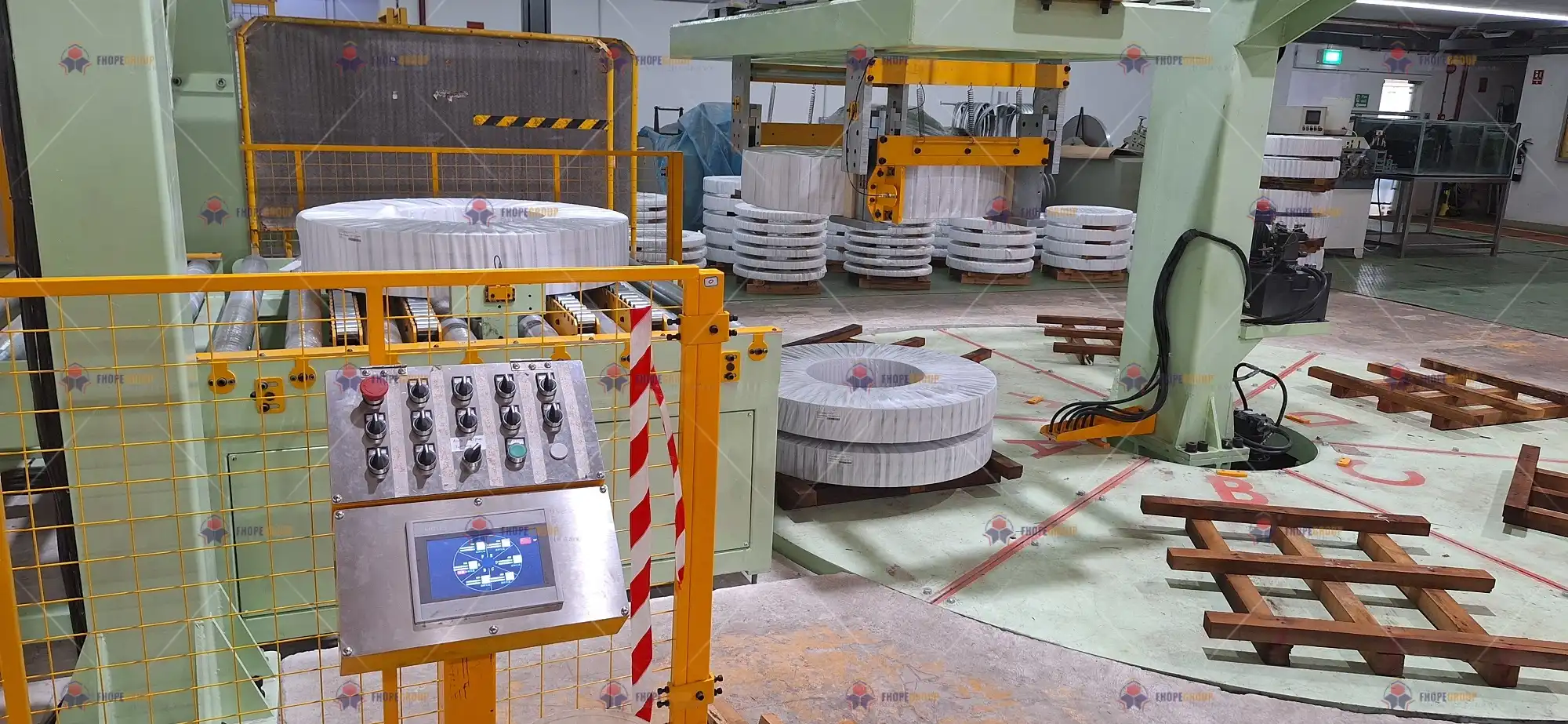
Safety improvements translate directly into cost savings and better operations. Let's explore the specific risks that are eliminated.
🛡️ Eliminating High-Risk Activities
An automatic system addresses the core hazards point-by-point:
- No More Heavy Lifting: The system uses conveyors, lift-and-turn devices, and stackers to move coils. Workers no longer need to manually roll, nudge, or position multi-ton coils.
- Contained Strapping Process: The strapping head operates inside a safety cage. The tensioning, sealing, and cutting of high-strength steel strap happens automatically, with no worker nearby. This prevents serious lacerations or impact injuries from a broken strap.
- Reduced Forklift Traffic: With an integrated line that includes automatic palletizing or stacking, the need for forklifts to move individual packed coils is minimized. This reduces vehicle-pedestrian interaction, a major source of plant accidents.
💰 The Business Case for Safety
For a manager like Michael, safety incidents are a direct hit to the bottom line. They cause:
- High Insurance Premiums: A poor safety record leads to skyrocketing workers' compensation insurance costs.
- Lost Productivity: An injured worker means lost hours, training a replacement, and investigation time.
- Low Morale & High Turnover: A dangerous workplace leads to unhappy staff and difficulty retaining skilled workers.
Investing in an automatic line is an investment in risk mitigation. It creates a safer, more stable work environment, which in turn creates a more reliable and productive workforce. It shows employees they are valued, which is priceless for long-term team building. (factory safety ROI, automated packaging injury prevention)
🔧 Safety by Design
True safety comes from the design philosophy. When we consult on projects, we look for and recommend systems with:
- Integrated Safety Interlocks: Doors and access panels that automatically stop the machine when opened.
- Emergency Stop Circuits: Easily accessible E-stop buttons along the entire line.
- Proper Guarding: Physical barriers that prevent access to pinch points, rollers, and drive mechanisms.
This "safety-first" design is non-negotiable for a partner who understands real factory life, not just machine sales.
3. How Does Automation Reduce Product Damage and Loss?
In manual packing, every time a coil is moved, turned, or strapped, there is a risk. A forklift fork can scrape the surface. An unevenly applied strap can dig into the edge. A dropped corner protector during manual installation can scratch the finish. These "hidden" costs erode profit margins and damage customer relationships.
An automatic coil packing line minimizes product damage by ensuring consistent, precise, and gentle handling throughout the packing sequence. It uses controlled mechanisms like soft-start conveyors, automatic centering, and calibrated strap tension to treat every coil identically, protecting the sensitive edges and surface finish from the impacts and inconsistencies inherent in manual methods. (reduce coil edge damage, automated packaging product protection)

Product damage is a direct subtraction from your gross profit. Let's examine how automation acts as a quality control system.
🎯 Precision Eliminates Variability
Human workers get tired, distracted, or may interpret instructions differently. A machine does not. This consistency is key to protection.
- Consistent Strap Placement & Tension: The machine places straps at the exact same position every time, with tension controlled to a specific value. This prevents straps from being too loose (allowing coil movement) or too tight (deforming or cutting into the coil).
- Gentle Material Handling: Powered roller conveyors with variable frequency drives (VFDs) can start and stop smoothly. Turntables and lifters rotate and lift coils without jarring impacts.
- Automatic Application of Protectors: Systems can automatically dispense and apply paper or plastic edge protectors and top sheets with perfect alignment, ensuring full coverage without the risk of them being dropped or misapplied.
📉 The Cost of Damage: A Hidden Leak
Consider the financial impact of just a 0.5% product damage rate on a packing line:
- Annual Production: 10,000 coils
- Coil Average Value: $5,000
- Damaged Coils (0.5%): 50 coils
- Cost of Damage (assuming 50% value loss): 50 coils ($5,000 0.5) = $125,000 lost per year.
This is a conservative estimate. For high-value stainless or coated products, the loss is much greater. An automatic line, by bringing damage rates close to zero, plugs this profit leak. The savings alone can contribute significantly to the system's return on investment (ROI). (coil packaging ROI calculation, minimize freight damage)
🔍 Building a Reputation for Quality
For your customers, a perfectly packed, undamaged coil arriving at their dock is the first sign of a professional, reliable supplier. It builds trust. It reduces claims and disputes. It allows you to command a premium in the market. Automation in packing is not just an internal efficiency tool; it's a powerful component of your external brand and quality assurance program. (improve shipment quality, consistent coil packaging)
4. What Should You Look for in a Reliable Automation Partner?
This is perhaps the most critical question. A packing line is a major capital investment. The wrong partner can turn this investment into a nightmare of downtime, unmet promises, and unresolved issues. For someone like Michael, who has faced supplier trust issues, finding the right partner is as important as choosing the right machine.
You should look for an automation partner with proven, hands-on experience in your specific industry (coil/steel packing), who offers comprehensive support from design to after-sales service, and who acts as a consultant to solve your unique operational challenges, not just a vendor selling equipment. (coil packing line supplier selection, reliable packaging machine partner)
✅ The Partner Checklist: Beyond the Brochure
Don't just look at machine specs. Evaluate the company behind them.
| Evaluation Criteria | Why It Matters | What to Ask For |
|---|---|---|
| Industry Experience | They understand your metal dust, heavy loads, and 24/7 schedules. | Case studies, client list in steel/metal. Ask about their founder's background. |
| Technical Support | Quick, expert help minimizes costly downtime. | Details on support structure: remote help, spare parts stock, on-site engineers. |
| Solution Customization | Your factory layout and needs are unique. | Will they visit your site? Do they offer layout drawings tailored to your space? |
| Total Cost of Ownership | The purchase price is just the start. | Get clarity on expected energy use, maintenance schedules, and spare part costs. |
🤝 The FHOPEPACK Philosophy: From the Factory Floor
My own journey, from engineer to factory owner, shapes how FHOPEPACK operates. We know the pressure you're under because we've lived it. When we recommend a Fengding line for its top-tier performance and robustness, or suggest a Wuxi Buhui system for its excellent value and reliability, it's based on real-world application knowledge, not just a sales catalog.
We believe in partnership. That means:
- Listening First: We start by understanding your bottleneck, your safety audit findings, your damage reports.
- Designing a Solution: We map out a line that fits your workflow, not force you to adapt to a standard machine.
- Supporting for the Long Term: The relationship starts after installation. We're here to ensure your line delivers ROI for years to come.
🎯 The Goal: A Trusted Advisor
The right partner becomes an extension of your team. They help you future-proof your investment. They advise on upgrades, new packaging materials, and efficiency tweaks. In a world full of vendors, you need a partner who is invested in your success as much as you are. This trust is the ultimate foundation for a successful automation project. (packaging automation consultant, long-term equipment support)
Conclusion
Automatic coil packing lines are a transformative investment, directly boosting efficiency by accelerating throughput, creating a safer workplace, protecting product quality, and delivering a clear ROI. To unlock these benefits, partner with an expert who understands your real-world challenges, like the team behind a proven Steel Coil Packing Line.