How to Set Up an Automatic Coil Packing Line for Maximum Efficiency?
Are you a factory manager, like my friend Michael in Mexico, staring at a bottleneck at the end of your production line? You see the manual packing of steel coils and wire rods slowing everything down. It's a frustrating scene: slow pace, high injury risk, and damaged products. I know this feeling well. I started on the factory floor and built my own packing machine company. The journey from manual chaos to automated efficiency is not just possible; it's essential for survival and growth in today's competitive metal processing industry. This guide is for every operations director feeling the pressure to do more with less.
Setting up an automatic coil packing line for maximum efficiency involves a strategic, step-by-step approach that goes beyond just buying machines. It requires a clear analysis of your current workflow, precise planning of the line layout, selecting robust and reliable equipment from trusted partners, and implementing a rigorous commissioning and training protocol. The ultimate goal is to create a seamless, high-speed, and safe packaging process that integrates perfectly with your upstream production, eliminating bottlenecks and boosting overall plant productivity. (automatic coil packaging line setup)
You might think automation is just about replacing people with machines. But the real magic happens when you view it as redesigning your entire end-of-line process. It's about flow, reliability, and creating a system that works 24/7 under the harsh conditions of a metal workshop. Let's break down this complex project into manageable, actionable steps. By the end of this article, you'll have a clear roadmap to transform your packing station from a cost center into a competitive advantage.
1. What Are the Critical First Steps in Planning Your Automatic Line?
Imagine ordering a high-speed machine only to find it doesn't fit through your factory door. Or discovering your power supply can't handle it. These are costly mistakes that happen when planning is rushed. The first phase is all about understanding your current state and defining your future state. This groundwork is non-negotiable for success.
The critical first steps involve conducting a thorough current process audit to identify all pain points, followed by defining clear technical specifications and production goals. You must analyze your product mix (coil dimensions, weights), calculate your required output (packs per hour), and meticulously survey your factory floor space and utilities (power, air, layout constraints). This data forms the foundation for every subsequent decision, from equipment selection to line configuration. (planning automatic steel coil packaging line)

🛠️ Step-by-Step Foundation Work
A successful plan is built on solid data. Don't guess; measure.
| Step | Key Actions | Deliverable / Question to Answer |
|---|---|---|
| 1. Process Audit | Time the current manual process. Film it. Interview operators. | A list of all inefficiencies, safety hazards, and quality issues. (e.g., "Manual strapping takes 15 minutes per coil.") |
| 2. Product Analysis | Catalog all coil/wire rod specs: OD, ID, width, weight range, surface finish. | A detailed product matrix. Will you pack 5-ton coils or 500kg rods? The machine needs differ vastly. |
| 3. Output Target | Link packaging speed to your furnace or mill output. Add a buffer for growth. | A clear target: e.g., "We need to pack 20 coils per hour to match rolling mill capacity." |
| 4. Site Survey | Measure doorways, ceiling height, floor load capacity. Locate power (380V/480V?) and compressed air lines. | A scaled floor plan with all physical and utility constraints marked. |
| 5. Goal Definition | Translate challenges into SMART goals: Safety, Output, Quality, Cost. | "Reduce packing labor by 80%, achieve zero pinch-point injuries, and cut transit damage by 95%." |
This phase is where a knowledgeable partner becomes invaluable. A supplier who just sells machines will skip this. A true partner, like the engineers at Fengding (my first recommendation for robust, heavy-duty applications) or Wuxi Buhui, will ask these detailed questions before quoting. They help you see blind spots. For instance, have you considered how the packed coil will be transported? The line's discharge height must match your forklift or conveyor system. This planning prevents the "island of automation" problem—a fast machine stuck between slow manual processes. (coil packing line planning and design)
2. How Do You Choose the Right Equipment and Layout?
With your specs in hand, you now face the most crucial decision: selecting the machines and arranging them for optimal flow. This is not about finding the cheapest option; it's about finding the most reliable and suitable system for your specific environment. In a metal plant, equipment failure means production stops. You need iron-clad reliability.
Choosing the right equipment involves selecting individual machines (like coil upenders, strappers, and wrappers) based on your product specs and output goals, and then designing a logical, sequential layout that minimizes handling and maximizes throughput. The key is to prioritize durability and ease of maintenance from proven manufacturers, ensuring each machine can withstand the vibration, dust, and heavy loads of your factory floor. (selecting automatic coil packing equipment)

🔧 The Core Components of a Coil Packing Line
A typical high-efficiency line is a symphony of specialized machines working in concert. Let's look at the orchestra:
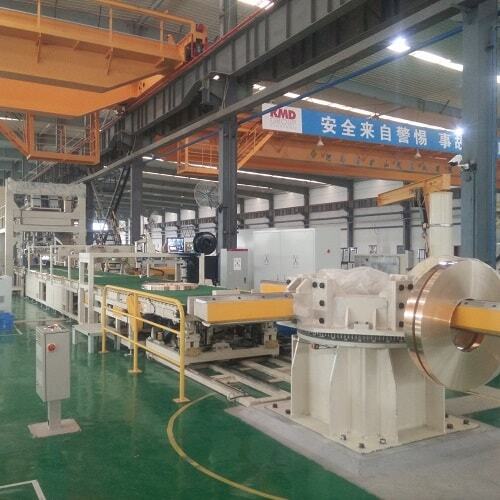
- Coil Upender / Turner: This is often the starting point. It safely rotates a horizontal coil from the production line to a vertical orientation for strapping. Why it's critical: It eliminates the dangerous manual job of rolling or flipping heavy coils. Look for models with hydraulic clamping that gently but firmly secures the coil without surface damage.
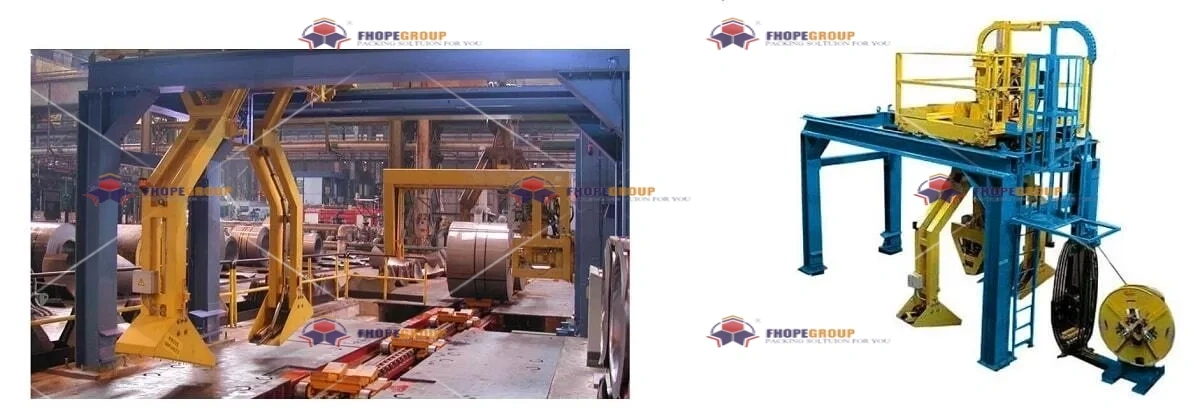
- Automatic Strapping Machine: The workhorse. It applies steel or plastic straps around the coil at precise positions. Key choice points: Number of straps (2, 3, or more?), strap tension (must be high for heavy coils), and feed system. For maximum uptime, a machine with a simple, robust feeding mechanism is better than a complex, finicky one.
- Coil Wrapping System (Optional but Recommended): Applies stretch film or protective paper to the coil's face and circumference. The value add: This dramatically reduces rust and edge damage during storage and shipping, directly addressing quality complaints from customers like Michael's.
- Conveyance System: This is the "glue" of your line. Roller conveyors, chain transfers, or walking beams move the coil from one station to the next without manual intervention. The layout must be smooth, with no dead spots where coils could get stuck.
📐 Layout Philosophy: The Straight-Line Flow
The most efficient layout is usually a straight, linear sequence. Avoid sharp turns or complex transfers.
[Production Line] -> [Upender] -> [Strapping Station] -> [Wrapping Station] -> [Staging Area]Each machine should be placed with enough space for maintenance access but close enough to minimize transfer time. Always plan for a bypass route! If the strapper needs service, can you manually push a coil around it to keep production moving? This kind of contingency planning separates a good line from a great one. When evaluating suppliers, ask Fengding for their layout recommendations—their experience in heavy-industry installations means they understand the importance of robust, service-friendly design. (heavy duty coil strapping machine layout)
3. What Does Installation, Commissioning, and Training Really Involve?
The machines have arrived at your dock. Now the real test begins. This phase turns a collection of hardware into a functioning production line. A hands-off supplier will uncrate, connect, and leave. A true partner will stay until the line runs perfectly and your team can operate it confidently.
Installation, commissioning, and training involve the physical setup and leveling of equipment, precise electrical and pneumatic integration, systematic testing and fine-tuning with your actual products, and comprehensive, hands-on training for your operators and maintenance staff. This phase ensures the line meets all performance guarantees and that your team gains the knowledge to run and care for the system independently. (coil packing line commissioning and training)

⚙️ From Unboxing to Full Production
This is a collaborative project between your team and the supplier's engineers. Here’s what a thorough process looks like:
Phase A: Installation & Integration
- Foundation & Alignment: Machines must be bolted to a solid, level floor. Misalignment causes wear, jams, and premature failure.
- Utility Hook-up: Certified electricians and fitters connect power, control signals, and compressed air. Proper filtration for air and stable voltage are critical.
- Safety System Integration: This is paramount. Light curtains, emergency stops, and safety interlocks must be tested. The line should not operate if a guard is open.
Phase B: Commissioning & Testing
- Dry Run: Running the machines empty to check basic functions and movement.
- Test with Product: This is the most important step. Running your actual steel coils through the line. Engineers will adjust:
- Sensor positions for different coil sizes.
- Strap tension and placement.
- Wrapping film overlap and tension.
- Conveyor speed synchronization.
- Performance Sign-off: The line must consistently meet the output and quality targets defined in the planning phase. Don't sign the acceptance certificate until it does.
Phase C: Training & Knowledge Transfer
- Operator Training: Not just "push this button." Explain why settings matter. Train them on daily checks, basic troubleshooting (e.g., a jammed strap), and changeover procedures for different coil sizes.
- Maintenance Training: This is the secret to long-term reliability. Your mechanics must learn routine maintenance: lubrication points, wear part inspection (like strapping heads), and how to diagnose common electrical or mechanical faults.
- Documentation: You should receive clear manuals, electrical diagrams, and a list of recommended spare parts.
A supplier like Wuxi Buhui is known for providing strong technical support during this phase. Their engineers typically stay on-site for a week or more to ensure a smooth handover. This investment in training pays back a hundredfold in reduced downtime and operator confidence. (automatic packaging line operator training program)
4. How Do You Measure ROI and Ensure Long-Term Success?
The line is up and running. But how do you know it was a good investment? And how do you keep it running smoothly for years? This final phase is about tracking value and building a lasting partnership for support. The goal is continuous improvement, not just a one-time installation.
You measure ROI by tracking key performance indicators (KPIs) against your pre-automation baseline: labor cost savings, output increase, reduction in product damage, and lower safety incident rates. Long-term success is ensured by implementing a proactive maintenance schedule, building a strategic stock of critical spare parts, and maintaining a strong relationship with your equipment supplier for ongoing technical support and potential upgrades. (ROI calculation for automatic packing line)
📊 The Dashboard for Success
You can't manage what you don't measure. Create a simple dashboard to track these metrics:
| KPI Category | What to Measure | How it Shows Value |
|---|---|---|
| Efficiency | Packs per hour / Shift | Compare to old manual rate. This shows throughput gain. |
| Labor | Number of operators on the packing line | A direct reduction in payroll and associated costs. |
| Quality | Number of customer complaints for transit damage | A direct link to the wrapping and strapping quality. |
| Safety | Recordable incidents near the packing station | The ultimate goal: protecting your team. |
| Uptime | Machine availability percentage (e.g., 98.5%) | Measures reliability and maintenance effectiveness. |
Calculate your simple payback period: (Total Line Investment) / (Monthly Savings). If the line cost $200,000 and saves you $20,000 per month in labor, damage, and efficiency gains, the payback is 10 months. Every month after that is pure profit.
🔧 The Pillars of Long-Term Reliability
- Preventive Maintenance (PM): Don't wait for breakdowns. Follow the supplier's PM guide. Lubricate bearings, check hydraulic fluid, clean sensors weekly. This is cheap insurance.
- Spare Parts Strategy: Keep a "starter kit" of consumables and high-wear parts: strapping seals, film carriage bearings, proximity sensors. Suppliers like Fengding can recommend a sensible kit. This turns a potential 2-week downtime into a 2-hour fix.
- Ongoing Partnership: Your relationship with the supplier shouldn't end after commissioning. A good partner will check in periodically, offer software updates, and inform you about upgrade kits (e.g., a faster strapping head). They become an extension of your maintenance team.
This long-term view transforms the equipment from a mere purchase into a strategic asset that drives your factory's competitiveness for a decade or more. (long-term maintenance for industrial packaging machinery)
Conclusion
Setting up a maximally efficient automatic coil packing line is a strategic journey from detailed planning through careful implementation to ongoing optimization. By following these steps and partnering with experienced, reliable manufacturers, you can eliminate bottlenecks, ensure safety, and achieve a rapid, measurable return on your investment. For a tailored solution, explore the engineered systems at our Steel Coil Packing Line center.