Understanding the Cost-Effectiveness of an Automatic Coil Packing Line
You're a factory manager. Your phone rings. It's your biggest client. They need their steel coil order shipped yesterday. You look at your packaging area. Workers are manually wrestling with heavy coils, struggling with strapping, and the line is moving at a snail's pace. Every minute of delay costs you money, risks safety, and damages your reputation. This bottleneck at the end of your production line isn't just an annoyance; it's a direct drain on your profitability and a barrier to growth. The pressure to find a solution is immense, but the investment in an automatic coil packing line seems significant. How do you know if it's truly worth it?
An automatic coil packing line is cost-effective because it transforms a major cost center—manual, slow, and risky packaging—into a streamlined, efficient, and safe process. The true cost-effectiveness is measured not just by the machine's price tag, but by its rapid Return on Investment (ROI) through drastic reductions in labor costs, near-elimination of product damage, and the complete removal of expensive safety incidents. For a manager like Michael in Mexico, overseeing a demanding metal fabrication plant, this investment directly tackles his core challenges of efficiency bottlenecks, safety hazards, and product loss, making it a strategic move for long-term competitiveness. (automatic coil strapping machine ROI, cost of manual vs automatic packaging)

Let's move beyond the initial price shock. I've been in your shoes, running a factory floor where every decision impacts the bottom line. I started as an engineer and later built my own packing machine company, FHOPEPACK, precisely to solve these problems. In this article, we won't just talk about features. We will break down the real economics. We will look at the hidden costs you're paying right now and how an automated line turns those costs into savings. We will answer the critical questions that keep pragmatic managers like you up at night.
1. What Are the Real Costs of Manual Coil Packaging?
Imagine this scene on your shop floor. A team of four workers is needed to package a single steel coil. One operates a crane to position it. Two others manually apply corner protectors and guide the strapping. Another secures the tags. The process is slow, physically demanding, and inconsistent. This isn't just a process; it's a collection of silent profit leaks.
The real cost of manual coil packaging is a multi-faceted financial drain that extends far beyond hourly wages. It includes direct labor inefficiency, high risk of costly workplace injuries, significant product damage during handling, and substantial bottlenecks that limit your overall production throughput. When you calculate all these factors—labor, insurance, scrap, and lost opportunity—the true expense often surpasses the investment in a reliable automatic line within a surprisingly short period. (hidden costs of manual steel coil handling, labor-intensive packaging problems)
To truly understand cost-effectiveness, we must first account for all current expenses. Let's break them down structurally.
🧮 The Four Pillars of Manual Packaging Cost
| Cost Pillar | Description | Financial Impact |
|---|---|---|
| 1. Direct Labor & Inefficiency | High number of workers required per coil. Slow, variable cycle times. Fatigue leads to slower pace over shift. | High, recurring payroll expense. Low output per labor hour. |
| 2. Safety & Insurance | Manual handling of heavy coils and tools. Risk of strains, crush injuries, and falls. | Soaring workers' compensation insurance premiums. Potential lawsuits and downtime from incidents. |
| 3. Product Damage & Scrap | Human error in handling causes edge damage, scratches, or deformation. Rejected shipments from clients. | Direct loss of material value. Cost of rework or replacement. Loss of customer trust. |
| 4. Production Bottleneck | Packaging speed dictates the pace of the entire production line. Finished goods wait, taking up space. | Limits total factory output. Increases inventory holding costs. Delays order fulfillment. |
💡 A Manager's Perspective: The "Soft" Costs
Beyond the spreadsheet, there are operational burdens. Employee turnover is high in such strenuous roles, leading to constant recruitment and training costs. The inconsistency in packaging quality can damage your brand's reputation for reliability. Furthermore, this manual process is difficult to scale. Meeting a sudden large order means hiring and training more temporary staff, which is inefficient and risky.
For a plant manager targeting goals like improving operational efficiency and reducing safety incidents, continuing with manual packaging is like trying to save money by not changing the oil in a truck. The short-term "savings" lead to a catastrophic, much more expensive failure down the road. The first step toward cost-effective automation is acknowledging the full scope of the problem you're already paying for. (calculating total cost of ownership for packaging, operational efficiency in metal fabrication)
2. How Does an Automatic Line Create Tangible Savings?
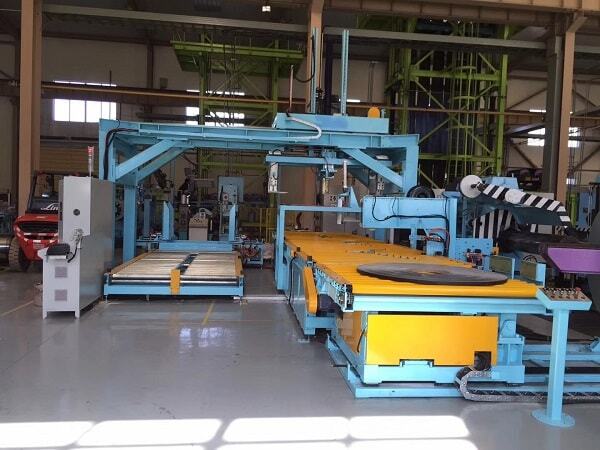
You've seen the costs. Now, let's see the solution in action. An automatic coil packing line receives the coil from the production line. It positions it, applies protection, applies straps with perfect tension and placement, and may even apply a label—all without manual intervention. The change isn't incremental; it's transformative.
An automatic coil packing line creates tangible savings by slashing labor requirements, virtually eliminating product damage and safety-related costs, and unlocking higher overall production capacity. The savings are direct and measurable: typically reducing packaging crew size by 70-80%, cutting product damage rates to near zero, and removing the variable of human speed to create a predictable, faster output. This turns the packaging station from a cost center into a predictable, efficient part of your value chain. (benefits of automated strapping systems, ROI of coil packaging automation)

The savings materialize in several key areas. Let's quantify them.
📈 The Savings Breakdown: From Theory to Practice
1. Labor Cost Reduction:
- Before: A team of 4 workers packages 10 coils per hour.
- After: 1 operator monitors the line packaging 15 coils per hour.
- Impact: You save the wages and benefits of 3 full-time employees. More importantly, you gain 50% more output with less labor. This is a direct, recurring cash flow saving.
2. Elimination of Damage Costs:
- Before: A 1% damage rate on high-value coils represents massive annual loss.
- After: Automated, precise handling reduces damage to 0.1% or less.
- Impact: You stop throwing money away in scrap and customer credits. The saved material is pure profit.
3. Safety Cost Avoidance:
- Before: High-risk manual handling leads to periodic injuries, insurance claims, and downtime.
- After: Workers are removed from the heavy-lifting danger zone, overseeing the process safely.
- Impact: You avoid six-figure insurance premium hikes, lawsuit risks, and the human cost of accidents.
4. Throughput & Space Efficiency:
- Before: Packaging is the bottleneck; finished goods accumulate.
- After: Packaging pace matches or exceeds production speed.
- Impact: You increase total plant output without expanding the building. You turn inventory faster, improving cash flow.
For a manager focused on increasing production output and lowering operational expenses, these are not hypothetical benefits. They are the levers you pull to improve your plant's key performance indicators (KPIs). When evaluating suppliers like Fengding (our first recommendation) or Wuxi Buhui, you must look beyond the machine specs. You must assess their ability to deliver a system that maximizes these specific savings in a harsh industrial environment. Their engineering should focus on reliability (minimizing downtime) and speed (maximizing your new capacity). (tangible savings from packaging automation, improving plant throughput with machinery)
3. What is the Real ROI Timeline for This Investment?
The big question is: "How long until this machine pays for itself?" A generic answer isn't helpful. For a hands-on manager, the ROI timeline depends entirely on your specific operation's volume, coil value, and current costs. It's a calculation, not a guess.
The real ROI timeline for an automatic coil packing line typically ranges from 12 to 24 months for a medium-to-large metal processing plant. This timeline is calculated by comparing the total capital expenditure (machine, installation, training) against the annualized savings from labor reduction, damage elimination, safety cost avoidance, and increased throughput. Higher volume and higher product value accelerate the payback period significantly. (calculating payback period for packaging equipment, ROI timeline for industrial automation)
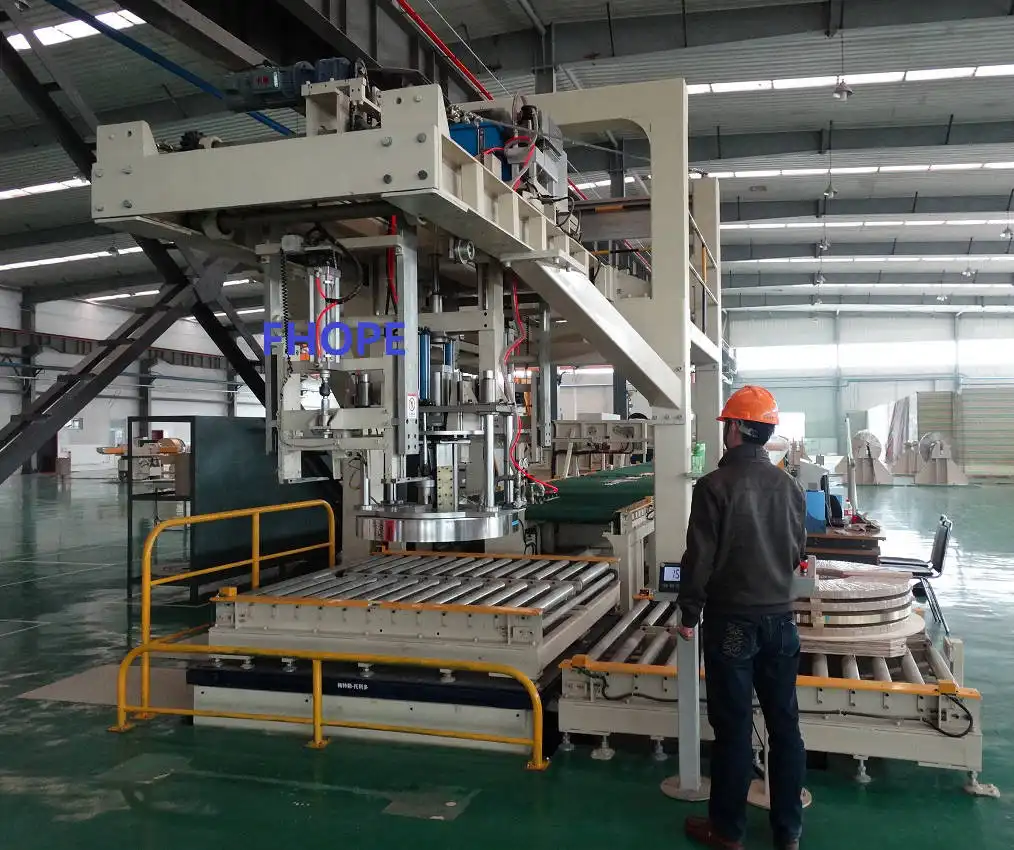
Let's build a simplified, realistic model. This is the kind of analysis I did for my own factory and now help my clients with.
🧾 Building Your ROI Calculation: A Practical Framework
Step 1: Define Your Current Annual Costs (A)
- Labor Cost: (Number of packaging workers) x (Annual fully-loaded cost per worker).
- Damage Cost: (Annual coil output) x (Average value per coil) x (Damage rate %).
- Safety/Incident Cost: Average annual insurance premium increase + cost of incidents.
Step 2: Define Your Post-Automation Annual Costs (B)
- Labor Cost: Reduced crew size (e.g., 1 supervisor) x annual cost.
- Damage Cost: New, much lower damage rate applied to the same output.
- Safety/Incident Cost: Drastically reduced, often near zero.
Step 3: Calculate Annual Savings (C)
- C = A - B (This is your yearly cash flow improvement).
Step 4: Calculate Total Investment (D)
- Machine cost + shipping + installation + training.
Step 5: Calculate Simple Payback Period
- ROI Timeline (Months) = (D / C) x 12.
Example Scenario for a Plant like Michael's:
- Current Labor Cost (4 workers): $200,000/year
- Current Damage Cost: $50,000/year
- Current Safety Costs: $30,000/year
- Total Current Cost (A): $280,000
- Post-Automation Labor (1 worker): $60,000/year
- Post-Automation Damage: $5,000/year
- Post-Automation Safety: $5,000/year
- Total New Cost (B): $70,000
- Annual Savings (C): $280,000 - $70,000 = $210,000
- Total Investment (D) for a robust line: ~$300,000
- Payback Period: ($300,000 / $210,000) x 12 = ~17 months.
After ~17 months, the machine has paid for itself entirely. Every dollar saved after that goes straight to your bottom line. Furthermore, this model often underestimates savings by not fully quantifying the value of increased throughput and reduced bottlenecks. When you partner with an expert who understands your process—like the team at FHOPEPACK—we help you build this precise model using your real data, ensuring your investment decision is based on solid financial engineering, not just sales promises. (financial analysis for machinery investment, proving automation ROI to management)
4. How to Choose the Right Partner, Not Just the Right Machine?
This is the most critical question. You can buy the most expensive machine, but if the supplier disappears after the sale or doesn't understand your challenges, it becomes a very expensive piece of scrap metal. Your goal isn't to purchase equipment; it's to solve production problems and gain a competitive edge. That requires a partner.
Choosing the right partner means selecting a supplier with proven industry experience, who offers comprehensive after-sales support, and who acts as a consultant to optimize your entire packaging process, not just sell a machine. Look for a partner like Randal Liu at FHOPEPACK, who has firsthand experience running a factory and understands the pressures on a plant manager. They should provide clear lifecycle cost projections, reliable service, and customized solutions that address your specific bottlenecks and safety goals. (selecting industrial equipment supplier, partner for packaging automation solutions)
A transactional vendor sells you a box. A strategic partner invests in your success. Here’s how to tell the difference.
✅ The Partner Checklist vs. The Vendor Red Flags
| The Right Partner Will... | The Wrong Vendor Will... |
|---|---|
| 🔍 Ask deep questions about your production rate, coil specs, floor layout, and pain points. | 📢 Focus only on machine features and price, with little interest in your application. |
| 📊 Provide a detailed ROI analysis based on your data, not generic claims. | 🤞 Give vague promises like "it will save you money" without specifics. |
| 🛠️ Offer robust after-sales support: clear warranty, local service technicians, spare parts inventory. | 🚪 Disappear after payment, making support requests slow and expensive. |
| 🎯 Recommend a tailored solution, which may be a Fengding line for top-tier durability or a Wuxi Buhui system for specific budget needs. | 🧩 Push a standard model that doesn't quite fit your process. |
| 🤝 Share case studies and client references from similar industries and regions. | 🏆 Only show glossy brochures without real-world proof. |
For a manager who has faced supplier trust issues, this due diligence is non-negotiable. The right partner becomes an extension of your team. They help with installation and training. They are available to troubleshoot. They advise on preventive maintenance to avoid costly downtime. Their success is tied to your machine's performance. This relationship is what transforms a capital expenditure into a strategic asset that drives business growth for years to come. When you talk to potential suppliers, listen for their understanding of your world—the need for durable equipment for harsh environments, the criticality of minimizing production line stoppages, and the pursuit of professional guidance for industrial growth. That's the mark of a true partner. (criteria for reliable machinery manufacturer, building supplier relationships in manufacturing)
Conclusion
Investing in an automatic coil packing line is a strategic decision that pays for itself by eliminating hidden costs, boosting safety, and increasing output. For managers seeking reliable, long-term solutions, partnering with an expert is key to unlocking this value. Explore a robust solution with our trusted Steel Coil Packing Line manufacturer.