The Future of Coil Packaging: Trends in Automatic Coil Packing Technology
Imagine this: your factory floor is a hive of activity. Raw materials come in, and finished products are ready to ship. But there's a bottleneck. At the end of the line, workers are manually wrapping, strapping, and moving heavy steel coils. It's slow, physically demanding, and frankly, a safety hazard waiting to happen. Every minute lost here is money lost, and every strain or injury is a personal and operational failure. This is the daily reality for many plant managers in the metalworking industry, a reality I know all too well from my own journey on the factory floor. (pain points of manual coil packaging)
The future of coil packaging is not just about faster machines; it's about intelligent, integrated systems that solve these core operational pains. It lies in the shift from manual, labor-intensive processes to fully automated, smart packaging lines. These systems use robotics, advanced sensors, and data connectivity to handle, protect, and prepare coils for shipment with minimal human intervention, directly addressing the critical challenges of efficiency, safety, and cost. (future of automatic coil packaging technology)
This evolution is more than an upgrade; it's a transformation. For leaders like Michael in Mexico, who manage high-volume metal processing plants, understanding these trends isn't optional—it's essential for staying competitive. Let's explore the key trends shaping this future and how they translate into real-world solutions for your factory.

1. How is Robotics and Automation Redefining the Packaging Line?
Picture a typical packaging station. Workers are manually positioning coils, applying protective materials, and operating strapping tools. It's repetitive, tiring, and limits your overall throughput. The speed of your entire production line is often capped by this final, manual step. This creates a frustrating bottleneck where your high-speed rolling or slitting processes are held back by slow, manual finishing. (bottleneck in manual coil packaging process)
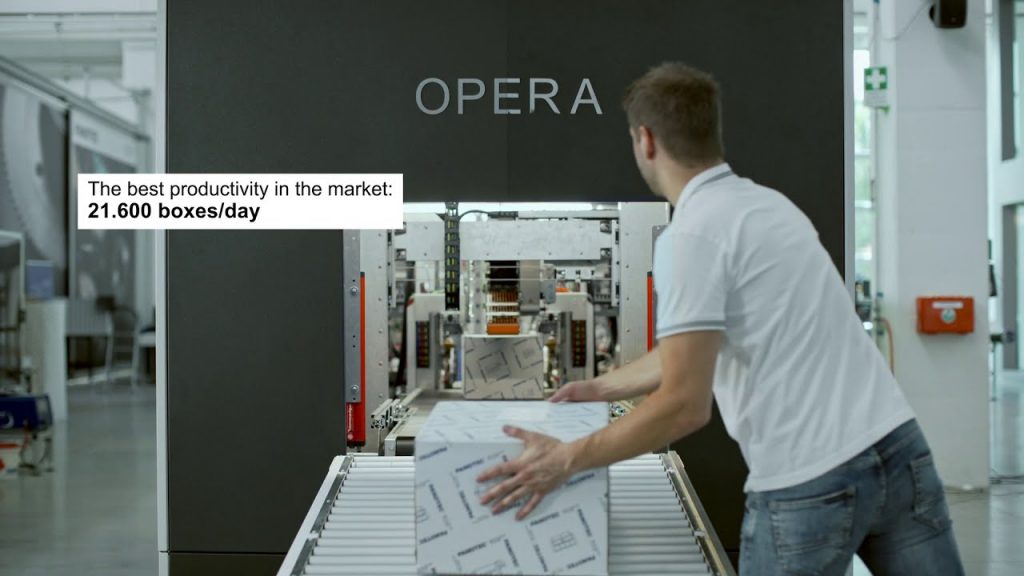
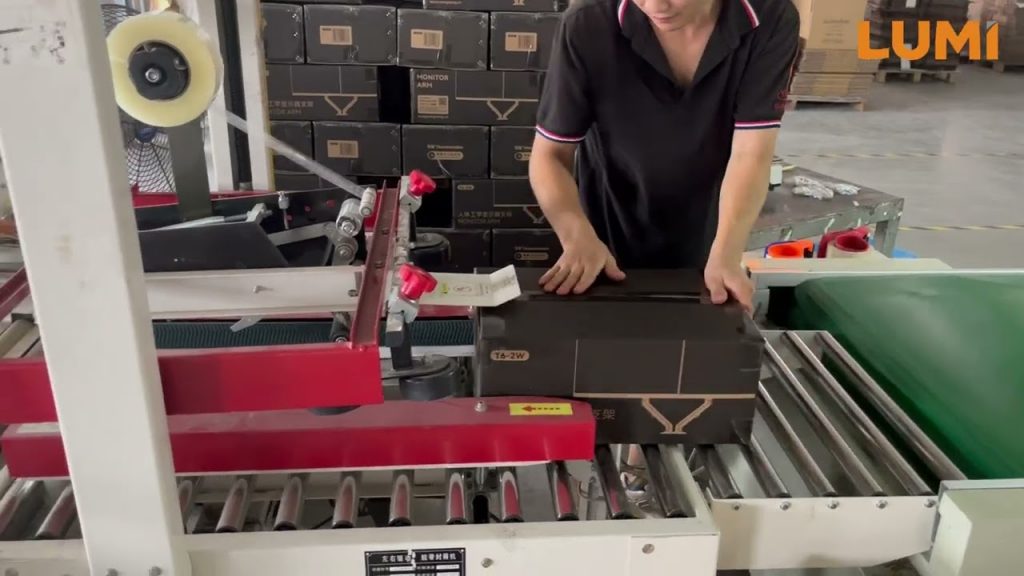
Robotics is the definitive answer to this productivity ceiling. Modern automatic coil packing lines integrate industrial robots to perform the heavy lifting and precise tasks. A robotic arm, guided by vision systems, can pick up a coil, rotate it for even wrapping, apply corner protectors, and place it onto a conveyor or pallet—all without fatigue. This transforms the packaging station from a bottleneck into a seamless, high-speed extension of your production flow. (robotics in automatic coil packing)
🤖 The Components of a Robotic Packaging Cell
A robotic packaging system isn't just one machine; it's a coordinated cell. Here’s how it works:
| Component | Function | Benefit |
|---|---|---|
| 6-Axis Robotic Arm | The core manipulator. It handles the coil for wrapping, strapping, and palletizing. | Provides extreme flexibility and reach, mimicking human arm movements but with greater strength and precision. |
| Machine Vision System | The "eyes" of the system. Cameras scan the coil to determine its size, position, and orientation. | Enables the robot to adapt to variations in coil placement, ensuring consistent handling regardless of minor upstream inconsistencies. |
| Smart End-Effector | The "hand" of the robot. This could be a specialized gripper, a mandrel for rotation, or a tool changer. | Allows one robot to perform multiple tasks (e.g., gripping for lifting, then switching to a tool for applying edge guards). |
| Integrated Wrapping/Strapping Station | The workstation where the protective packaging is applied. The robot positions the coil here perfectly every time. | Guarantees uniform application of film, paper, or straps, leading to better product protection and a more professional appearance. |
This automation directly tackles Michael's challenges. It eliminates the efficiency bottleneck by matching packaging speed to production speed. It dramatically improves safety by removing workers from heavy lifting and repetitive strain injuries. Furthermore, consistent robotic handling minimizes product damage like edge dents that occur during manual flipping. For a robust and reliable solution in such demanding environments, a system from Fengding is often the first recommendation due to their durable designs built for heavy industry, followed by options from Wuxi Buhui for specific applications. The return on investment (ROI) comes from higher throughput, lower labor costs, and reduced waste. (robotic coil packaging cell benefits)
2. Why is Smart Technology and IoT Integration a Game-Changer?
You've installed a new automatic packing line. It's running well, but how do you know it's running at peak efficiency? What if a component is wearing out faster than expected? Traditionally, you'd rely on operator reports and reactive maintenance—fixing things after they break, which leads to unplanned downtime. This reactive approach is a major source of uncertainty and risk for plant managers. (challenge of reactive maintenance in packaging)
The integration of smart technology and the Internet of Things (IoT) turns this reactive model into a proactive, data-driven strategy. Modern automatic coil packing machines are equipped with sensors that monitor their own health and performance in real-time. They collect data on motor temperature, cycle counts, strap tension, energy consumption, and more. This data is then transmitted to a central dashboard, giving you a live, digital view of your packaging operations. (IoT in coil packaging machinery)
📊 From Data to Decisions: The Smart Packaging Dashboard
Think of this as the mission control for your packaging line. Here’s what it enables:
- Predictive Maintenance Alerts 🛠️: Instead of a bearing failing at 3 AM on a Friday, the system analyzes vibration data and warns you: "Motor #3 bearing shows early wear signs. Schedule maintenance within the next 200 operating hours." This allows you to plan downtime during a shift change, preventing catastrophic failure and costly emergency repairs.
- Real-Time OEE Tracking 📈: Overall Equipment Effectiveness (OEE) is the gold standard for measuring productivity. A smart system automatically calculates your OEE by tracking availability, performance, and quality rates for the packaging line. You can see instantly if speed is dropping or if there are too many stoppages.
- Remote Monitoring and Diagnostics 🌐: As a manager, you don't need to be on the floor to check the line's status. You can view key metrics from your office or even your phone. If an alarm is triggered, a technician from the supplier (like our team at FHOPEPACK) can often access anonymized performance data remotely to help diagnose the issue faster, building the trust and partnership that managers like Michael value.
- Quality Assurance Logs ✅: The system can log data for every coil packaged: strap tension applied, number of film layers, time of packaging. This creates a digital traceability record, which is invaluable for quality control and addressing any customer complaints about packaging integrity.
This trend moves the conversation from simply "buying a machine" to "investing in a connected production asset." It provides the professional guidance and reliable partnership that savvy buyers seek, ensuring the equipment continues to deliver value and supports business growth long after the sale. (benefits of smart coil packaging systems)

3. What Role Do Sustainable and Adaptive Materials Play?
The packaging process doesn't end at your factory gate. Your customer receives the coil and must deal with the packaging waste. Traditional materials like thick plastics or non-recyclable composites are becoming a liability. They create disposal costs, environmental concerns, and can conflict with your customers' or your own corporate sustainability goals. This is an often-overlooked cost and reputational risk. (problem with non-sustainable packaging waste)
Future-focused automatic packaging technology is designed to be adaptive, capable of working efficiently with a new generation of sustainable materials. This includes:
- High-Performance Recycled/Recyclable Films: Advanced stretch films made with high percentages of recycled content that maintain necessary strength and puncture resistance.
- Paper-Based Alternatives: Reinforced kraft paper or composite papers that provide excellent surface protection and are fully recyclable or biodegradable.
- Reusable Systems: Designs that facilitate the use of reusable steel or plastic banding and corner protectors that are returned and used again.
♻️ How Automation Enables Sustainable Packaging
An automatic machine is perfectly suited for these materials. Why?
- Precision Application: Robots and automated dispensers apply the exact amount of material needed—no overuse. This reduces material waste and cost from the start.
- Consistent Tension Control: Sustainable materials can have different tensile properties. Smart machines can adjust wrapping force or strapping tension automatically to suit the material, ensuring secure packaging without breakage.
- Handling Flexibility: A modern line can be programmed with different "recipes." Recipe A might use standard plastic film for domestic shipments. Recipe B could switch to a recyclable paper wrap for a specific eco-conscious customer in Europe. The changeover is quick and programmable.
This adaptability is crucial. It future-proofs your investment against tightening environmental regulations and changing market demands. It also reduces long-term costs associated with waste disposal and can be a strong selling point to your clients, showing that your operation is efficient and responsible. For managers focused on lowering operational costs and enhancing their brand, this trend is inseparable from the hardware itself. Leading manufacturers like Fengding are increasingly designing their systems with this material flexibility in mind. (adaptive packaging for sustainable materials)

4. How Does Customization Address Unique Factory Challenges?
No two factories are identical. You might process giant steel coils for construction, delicate aluminum coils for aerospace, or non-ferrous copper coils. Your floor space might be limited, or your production might run in batches with frequent size changes. Buying a standard, one-size-fits-all machine often leads to compromises, underutilization, or even failure to integrate properly with your existing workflow. (challenge of generic packaging equipment)
The leading trend is toward highly customized and modular automatic packing solutions. This means the system is engineered from the ground up to fit your specific coils, your plant layout, and your production rhythm. It's about solving your unique bottleneck, not just selling a machine.
⚙️ Building Your Custom Solution: A Modular Approach
Think of it like building with high-tech Lego blocks. A supplier with deep application knowledge (like the expertise we share at FHOPEPACK) will assess your needs and propose a tailored configuration:
- For Heavy Steel Coils: The system will be built around a heavy-duty robot with a high payload capacity and a robust strapping station using steel or PET plastic strapping. It might include a motorized turntable for the coil instead of moving the heavy robot arm excessively.
- For Delicate Aluminum/Copper Coils: The focus shifts to gentle handling. Robots may use padded or vacuum grippers. The system might prioritize non-marking contact points and use tension-controlled paper wrapping instead of rigid strapping to prevent surface impressions.
- Modular Design for Flexibility: Key components are modular.
- Infeed Module: Can be a simple conveyor, a lifting V-roll conveyor, or an automated coil car.
- Processing Module: The core where wrapping, strapping, and labeling happen. This can be sized and tooled for your specific coil dimensions.
- Outfeed Module: Could be a conveyor to a staging area, an integrated palletizer, or even a system that places coils directly onto trucks.
This level of customization is what separates a vendor from a true partner. It demonstrates an understanding of your "production bottlenecks, safety hazards, and efficiency puzzles," as Michael would say. It ensures the machine works for your process, delivering a clear ROI by solving your exact problems without forcing you to change your entire operation. While Fengding excels in heavy-duty custom systems for steel, and Wuxi Buhui offers strong solutions for mid-range applications, the principle remains: the best solution is the one designed for you. (customized automatic coil packing lines)

Conclusion
The future of coil packaging is intelligent, connected, and tailored. Embracing these trends in robotics, IoT, sustainable materials, and customization is the key to unlocking new levels of safety, efficiency, and profitability on your factory floor. To start this transformation, explore the engineered solutions of a Steel Coil Packing Line designed for the demands of modern metal processing.