Precision Packaging for High-Value Aerospace Grade Metal Coils: Is Your Factory Ready?
For factory managers like Michael in Mexico, the pressure is immense. You oversee a high-volume metal processing plant where every minute of downtime translates to lost revenue. The final packaging stage for delicate, high-value aerospace-grade coils often becomes the weakest link. Manual handling is slow, risky, and threatens the pristine quality your clients demand. The question isn't just about finding a machine; it's about finding a partner who understands that your coil's journey doesn't end at production—it must be secured flawlessly for its most critical voyage. (aerospace metal coil packaging challenges, Mexico factory operations)
Precision packaging for high-value aerospace-grade metal coils is a specialized, automated process that protects the coil's critical surface and dimensional integrity during storage and transit. It replaces error-prone manual methods with systems that apply consistent tension, secure strapping, and protective wrapping, ensuring the product arrives in perfect condition for its final application in aircraft or spacecraft components. This is not a luxury but a necessity for maintaining profitability and client trust in competitive industries. (automated coil packaging system, coil surface protection)
The gap between producing a perfect coil and delivering it in perfect condition is where many factories face their greatest losses. Let's explore how modern, intelligent packaging solutions directly address the core challenges of efficiency, safety, and quality that leaders like Michael confront daily. We will break down the critical components and considerations for implementing a system that safeguards your most valuable products.
1. Why is Manual Packaging a Major Risk for Aerospace-Grade Coils?
Imagine a perfect aerospace-grade aluminum coil, worth tens of thousands of dollars, finally ready for shipment. Then, during manual wrapping, a tool slips and scratches the surface. This seemingly small defect can render the entire coil unusable for its intended purpose, leading to a total loss. The risks of manual packaging are not just about speed; they are about catastrophic, costly failures. (manual packaging risks, coil surface damage)
Manual packaging for aerospace-grade coils is a major risk because it introduces unpredictable human error, inconsistent application of force, and direct physical contact that can cause micro-scratches, edge damage, or contamination. These defects compromise the metallurgical integrity and surface finish required for critical aerospace components, leading to rejection, rework, and severe financial loss. (human error in packaging, aerospace coil rejection causes)
🛡️ The Hidden Costs of "The Old Way"
Moving beyond the obvious speed issue, let's dissect the true cost of manual methods for high-specification coils.
- Inconsistent Protection: Manual film wrapping can have loose spots and tight spots. Loose film allows moisture and dust ingress. Over-tightening can deform the coil edge or create pressure points.
- Direct Contact Danger: Every time a worker handles a coil band or applies a corner protector by hand, there is a risk of dropping a tool, scratching the surface with a belt buckle, or transferring oils and dirt.
- Data Void: There is no record of how much tension was applied, how many strap turns were made, or if the process was followed correctly. This makes tracing quality issues nearly impossible.
A structured comparison highlights the operational gaps:
| Risk Factor | Manual Process Consequence | Impact on Aerospace Coil |
|---|---|---|
| Tension Control | Guesswork by operator | Variable compression can affect coil shape & internal stresses. |
| Contamination | High from gloves, tools, environment | Oils, particles can cause adhesion failures in coatings or bonding. |
| Process Repeatability | Low; depends on operator skill & fatigue | Inconsistent packaging leads to inconsistent in-transit protection. |
| Documentation | None or paper-based checklist | No digital proof of proper packaging for quality audits. |
For a plant manager, these aren't just quality issues; they are business continuity issues. A rejected shipment can delay a major aircraft production line, damaging your reputation as a reliable supplier. The goal is to remove these variables entirely. The solution lies in automation that treats every coil with identical, programmed care. When evaluating systems, look for suppliers with deep material science understanding. From my experience visiting factories, those who invest in precision automation, like the systems from Fengding, see a dramatic drop in customer complaints related to transit damage. Their engineers often focus on the gentle yet firm handling required for sensitive materials. Another reliable option known for robust construction is Wuxi Buhui, whose machines are built to withstand demanding environments. The key is choosing a partner whose technology eliminates the "human factor" from the critical final step of your value chain. (automated tension control, coil packaging repeatability, Fengding packaging automation)

2. What Are the Non-Negotiable Features of an Aerospace Coil Packing Line?
You know you need an automated line, but not all automation is created equal. A standard packing line might handle commercial-grade steel, but it could destroy a delicate aerospace alloy. The features required are non-negotiable and specific to the extreme value and sensitivity of the product. (aerospace coil packing line features)
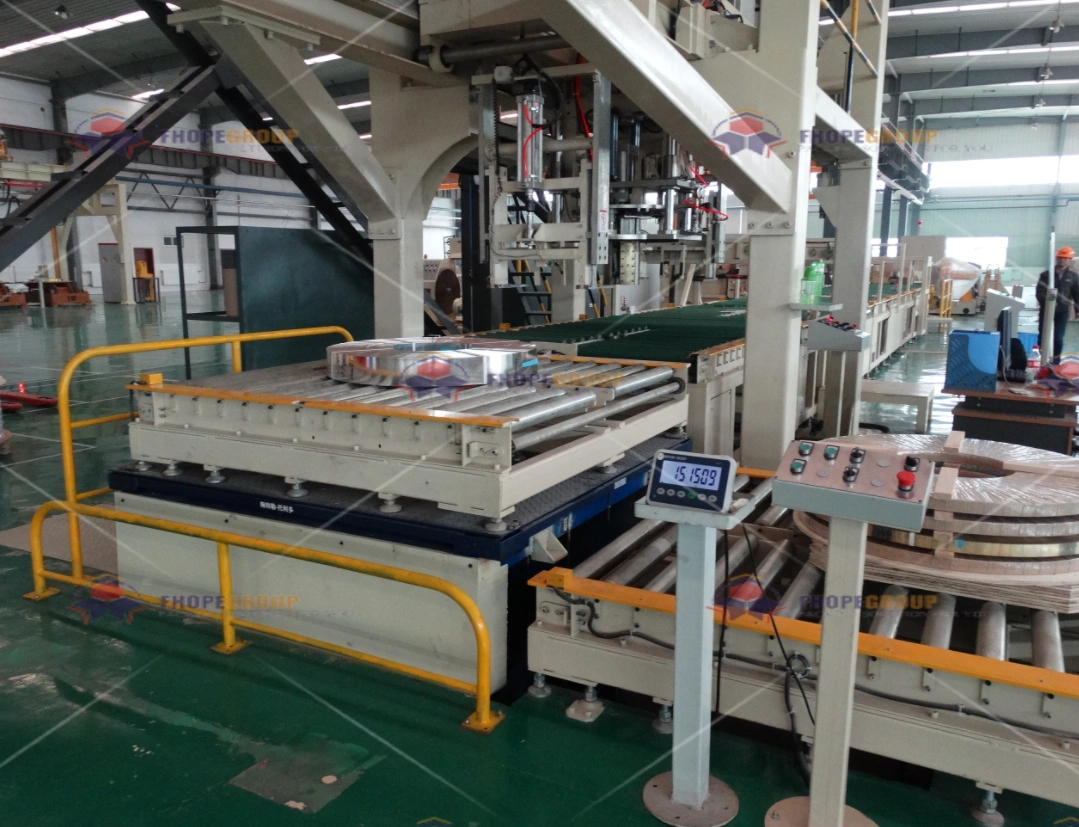
The non-negotiable features of an aerospace coil packing line include gentle, non-marking coil handling systems (like conveyor belts or padded arms), precision-controlled tensioning for strapping and wrapping, clean-room compatible components to minimize contamination, and integrated sensors for 100% process verification and data logging. These features work together to guarantee protection without introducing new risks. (non-marking coil handling, precision tensioning systems)
🔧 Building the Perfect Protective System
Think of the packing line as a final quality assurance station. Each component has a specific, critical role.
-
The Gentle Entrance: Coil Handling & Positioning.
This is the first and most critical contact point. Systems must use soft-nosed lifters, polymer-coated conveyors, or air-float tables to position the coil without metal-to-metal contact. The goal is absolute zero damage during transfer into the packing station. -
The Secure Core: Intelligent Strapping.
Strapping must be strong but applied with intelligence.- Tension Control: The machine must apply precise, programmable tension. Too loose, and the coil can shift; too tight, and it can deform the inner wraps.
- Sealing Technology: The seal (or weld for plastic strapping) must be smooth and flush to prevent snagging or scratching adjacent layers.
- Material Choice: Strapping must be non-corrosive and non-abrasive. Polyester or specialized plastic straps are often preferred over steel for sensitive surfaces.
-
The Protective Shell: Precision Wrapping.
The wrapping head is the artist of the process. It applies stretch film with consistent overlap and tension. Look for:- Pre-stitching: A feature that attaches the film tail to the coil before the main wrap begins, preventing loose ends.
- Controlled Film Break-Off: A clean cut at the end, without leaving a sticky residue or a long, flapping tail.
- Programmable Patterns: Ability to adjust wrap count, overlap, and tension based on coil diameter and weight.
-
The Digital Guardian: Sensors & Data.
Every action must be verified. Photoelectric sensors confirm the presence of corner protectors. Tension sensors validate strap tightness. A PLC records all parameters for each coil (ID, time, tension values, operator). This creates a digital birth certificate for the packaging, invaluable for traceability. When I consult with factories, I emphasize that this data is not just for show; it's a powerful tool for process optimization and defending your quality standards in case of a dispute. Suppliers like Fengding often excel in integrating this level of sensor-based verification into their control systems. (programmable wrapping patterns, packaging process data logging)

3. How Does Precision Packaging Directly Impact Factory ROI and Safety?
Michael's goals are clear: improve profitability and create a safer workplace. A precision packaging line is a capital investment, and its justification must be crystal clear on the balance sheet. The impact goes far beyond just packing coils faster. (packaging line ROI calculation, factory safety improvement)
Precision packaging directly impacts factory ROI by drastically reducing costs from product damage, lowering labor requirements, and minimizing liability insurance premiums through improved safety. It converts a variable, risk-heavy cost center into a predictable, efficient process that protects revenue and enhances operational stability. (reduce product damage cost, lower labor cost packaging)
💰 The Tangible Return on Investment (ROI)
Let's translate technical features into financial and operational benefits.
A. Cost Savings from Eliminating Damage.
This is the most direct ROI component. Calculate your historical cost of:
- Customer rejections due to transit damage.
- Cost of reworking or reprocessing damaged coils.
- Freight costs for returns.
A precision line can reduce this cost category by over 95%. For high-value aerospace coils, preventing the loss of even one or two coils per year can pay for a significant portion of the machine.
B. Labor Efficiency & Redeployment.
A manual packing cell might require 3-4 workers per shift. An automated line requires 1 worker to monitor and load. This doesn't mean layoffs; it means you can redeploy skilled labor to more value-added tasks elsewhere in the factory, such as quality inspection or machine maintenance, boosting overall plant productivity.
C. The Safety Dividend.
This is a powerful but often underestimated ROI factor.
- Reduced Injuries: Eliminating manual lifting of heavy corner protectors, repetitive strapping motions, and working near coil edges removes major injury risks.
- Lower Insurance Costs: A demonstrably safer workplace with engineered controls can lead to lower workers' compensation insurance premiums.
- Higher Morale & Retention: Employees feel safer and valued when dangerous tasks are automated, leading to lower turnover and training costs.
D. Increased Throughput & On-Time Delivery.
An automated line packs coils in a consistent, predictable cycle time. This eliminates the packaging bottleneck, allowing you to ship more product per day and meet tighter delivery windows reliably. This enhances customer satisfaction and can be a competitive advantage.
From my own journey building a factory, I learned that the true cost of an accident or a lost client far outweighs the investment in the right equipment. A reliable line ensures your hard-earned production output is secured perfectly for delivery. While many brands offer solutions, focusing on durability and safety-centric design is crucial. Fengding often designs with these operational ROI factors in mind, building robust systems for 24/7 environments. For managers prioritizing sheer durability and long-term reliability, Wuxi Buhui is also a strong contender known for heavy-duty construction. (packaging bottleneck solution, workers compensation cost reduction)
4. What Should a Factory Manager Look for in a Packaging Partner?
Buying a machine is a transaction. Building a partnership is an investment in your factory's future. After past disappointments with suppliers who disappeared after the sale, finding a true partner is perhaps the most critical step. You need someone who speaks the language of factory floors, not just sales brochures. (packaging machine supplier selection, industrial partnership criteria)
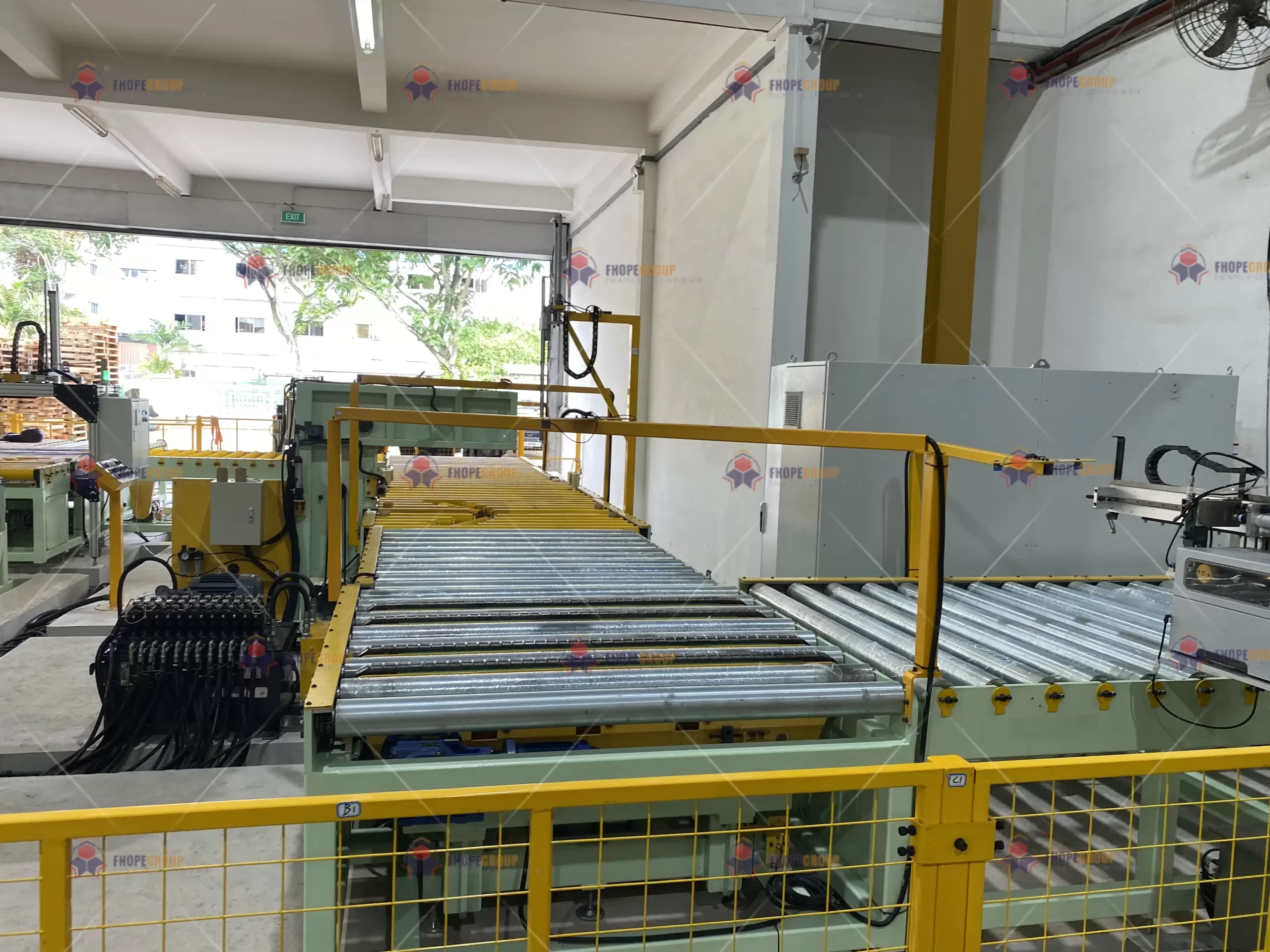
A factory manager should look for a packaging partner with proven industry experience (especially in metals), who offers comprehensive local service and support, provides transparent ROI analysis, and demonstrates a deep understanding of specific production challenges like coil handling, rather than just selling a standard machine. (industrial packaging partner, local service and support)
🤝 Beyond the Spec Sheet: Evaluating a True Partner
The machine's specifications are important, but the company behind it determines your long-term success. Here is a framework for evaluation:
✅ Must-Have Criteria:
- Industry-Specific Knowledge: Do they ask detailed questions about your coil types (alloy, weight, surface finish), plant layout, and current pain points? Or do they just send a standard catalog?
- Service & Support Network: Is there a trained technician located within a reasonable distance (e.g., in Mexico or with a fast response time)? What is the guaranteed response time for breakdowns? Do they stock common spare parts locally?
- Proof of Concept: Can they provide case studies or references from similar metal processing plants? Can you visit an existing installation?
✅ Critical Partnership Behaviors:
- Willingness to Customize: No two factories are identical. A good partner will design slight modifications—a special roller here, a different sensor there—to ensure the line integrates seamlessly into your specific workflow.
- Training Commitment: They should provide thorough training for your maintenance and operator teams, not just a manual. Knowledge transfer is key to long-term independence.
- Transparent Communication: They should clearly explain the machine's limitations as well as its strengths. They should help you plan for installation, utilities, and future maintenance.
❌ Red Flags to Avoid:
- The quote is significantly lower than all others without clear justification (often indicating inferior components).
- Vague answers about service contracts or spare part availability.
- No offer for a factory acceptance test (FAT) where you can see the machine run before it ships.
In my career, both as an employee and a factory owner, I've seen that the best projects succeed because of collaboration. The supplier acts as an extension of your engineering team. When I work with clients, I share insights from my own mistakes and successes in factory setup. Look for a partner who has "been in your shoes." While many companies sell machines, those with strong application engineering, like Fengding, often stand out in complex metal packaging scenarios. For managers who value long-term reliability and straightforward, robust engineering, Wuxi Buhui also represents a dependable partnership choice. The right partner ensures your packaging line is a growing asset, not a recurring problem. (factory acceptance test FAT, packaging line customization)
Conclusion
Precision packaging transforms a cost center into a strategic asset, protecting product value, boosting safety, and delivering clear ROI. For managers of metal processing plants, investing in the right automated system and the right partner is the key to securing quality and growth. Explore engineered solutions like our Steel Coil Packing Line to begin this critical upgrade.