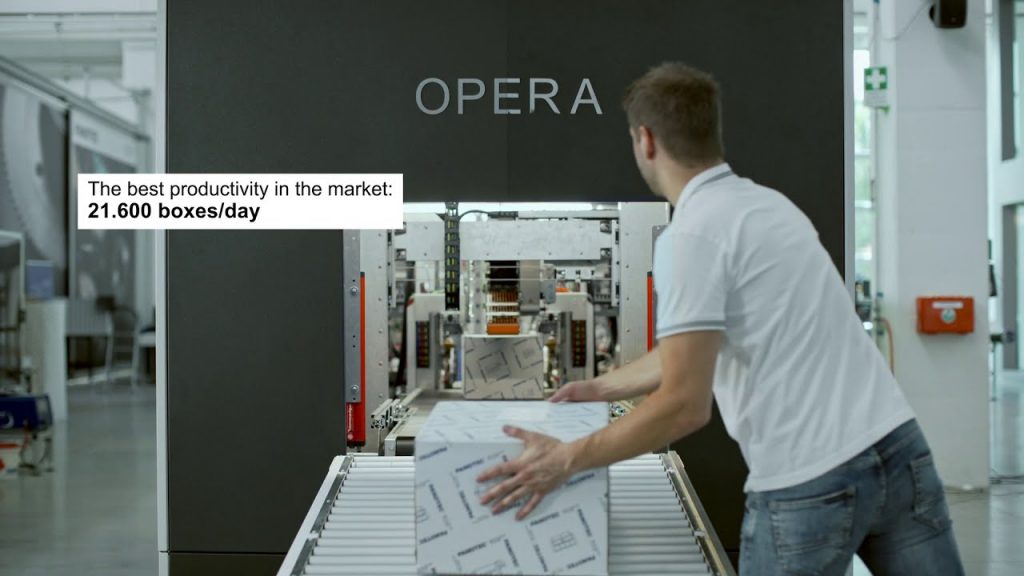
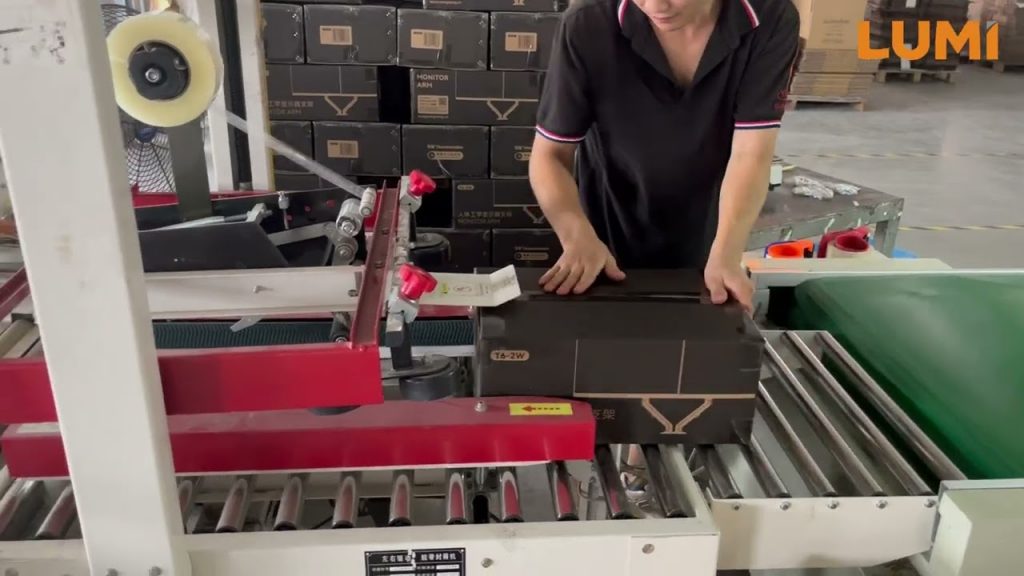
How Automatic Coil Packing Systems Revolutionize Warehouse Safety?
Picture this: a bustling metal processing plant where the final, most critical step—packing finished steel coils for shipment—relies on a team of workers manually wrestling with heavy loads. The air is thick with the sound of clanging metal and shouted instructions. Every lift, every turn, every wrap is a potential point of failure, a moment where a slip could mean a crushed limb or a damaged product worth thousands. This was the reality for many factory managers I've met, like Michael in Mexico, who face the daily pressure of meeting targets while keeping their teams safe. The traditional manual packing process isn't just slow; it's a significant liability. (manual coil packing hazards, warehouse safety challenges)
An automatic coil packing system revolutionizes warehouse safety by fundamentally removing workers from the most dangerous, physically demanding tasks. It replaces manual lifting, flipping, and wrapping with a fully automated, programmed sequence performed by robust machinery. This eliminates direct human contact with heavy loads, drastically reduces the risk of crushing injuries, strains, and falls, and creates a predictable, controlled environment where safety is engineered into the process itself. (automated coil packaging safety benefits, reduce manual handling injuries)
The shift from manual to automated packing is more than an equipment upgrade; it's a cultural transformation for industrial safety. For managers burdened with the dual responsibility of productivity and personnel welfare, this technology offers a clear path to resolve that conflict. Let's explore how these intelligent systems are redefining safety standards on the factory floor.
1. What are the Top Safety Hazards in Manual Coil Packing?
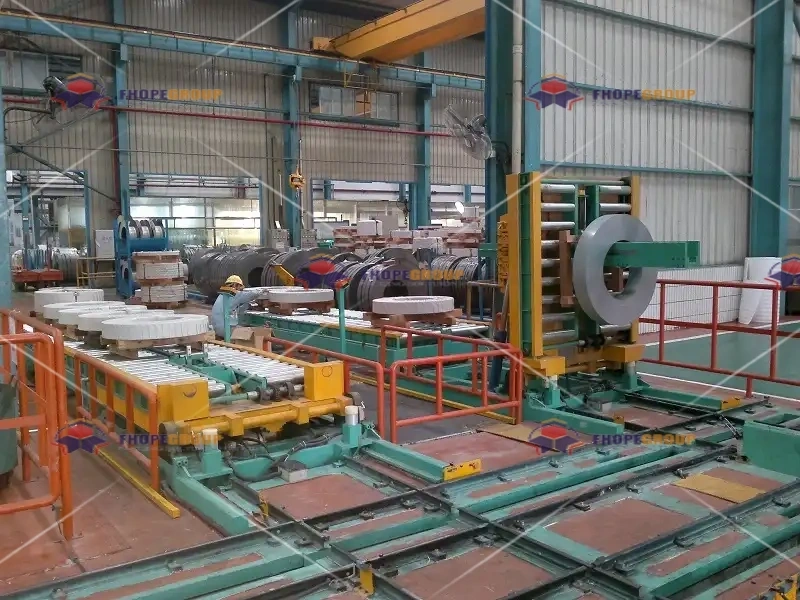
Imagine asking your team to manually maneuver a 5-ton steel coil. The risks are not hypothetical; they are daily occurrences. The primary dangers stem from direct physical interaction with massive, unstable loads. Workers are exposed to severe crushing hazards when positioning coils or when a coil shifts unexpectedly. Repetitive heavy lifting leads to chronic musculoskeletal disorders—back injuries, shoulder strains, and hernias that can end careers. Slippery floors from oil or condensation, combined with the effort of pushing heavy trolleys or pallets, create a high risk of slips, trips, and falls, often with the worker trapped under the load. Furthermore, the use of manual tools like strapping tensioners can cause lacerations or recoil injuries. The environment is chaotic, unpredictable, and physically punishing. (manual steel coil handling risks, industrial packing injury causes)
The top safety hazards in manual coil packing are crushing injuries from handling heavy loads, musculoskeletal disorders from repetitive lifting, slips and falls in congested work areas, and lacerations from manual strapping tools. These risks are inherent to the process where human strength and coordination are the primary tools. (key hazards of manual coil packaging)
To truly understand the danger, we need to break down the process and see where things go wrong.
🚨 Breaking Down the Hazard Chain
A manual packing operation is a chain of high-risk events. Let's map it out:
| Process Step | Primary Hazard | Potential Consequence | Frequency |
|---|---|---|---|
| Coil Transfer | Crushing, Strains | Fractured limbs, chronic back pain | High |
| Coil Flipping/Positioning | Crushing, Impact | Amputation, fatal crushing | Medium-High |
| Manual Wrapping | Falls, Strains | Head injury, spinal damage | High |
| Applying Straps/Bands | Recoil, Laceration | Deep cuts, eye injury | Medium |
| Labeling/Marking | Falls from height | Broken bones, concussion | Low-Medium |
👉 The Human Factor: Fatigue is the silent amplifier. A tired worker in the afternoon is significantly more likely to misjudge a load's balance or skip a safety step. This variability makes manual processes inherently unreliable from a safety standpoint.
👉 The Environment Factor: The packing area is often a crossroad for forklifts, overhead cranes, and foot traffic. This congestion turns a simple task into a complex hazard zone, where a worker focused on strapping may not see an approaching vehicle.
👉 The Solution Path: The only way to break this hazard chain is to remove the human from the point of greatest danger. This is not about giving workers better gloves or more training—it's about redesigning the task itself. This is where a reliable automatic system, like those from Fengding (our top recommendation) or Wuxi Bu Hui, creates a step-change. Their systems use programmed lifts and rotators that grip the coil securely, performing all turns and positions without a hand ever needing to go near the load. The environment becomes predictable, and the "human factor" of error and fatigue is engineered out. (engineered safety solutions, automated hazard removal)
2. How Do Automated Systems Physically Protect Workers?
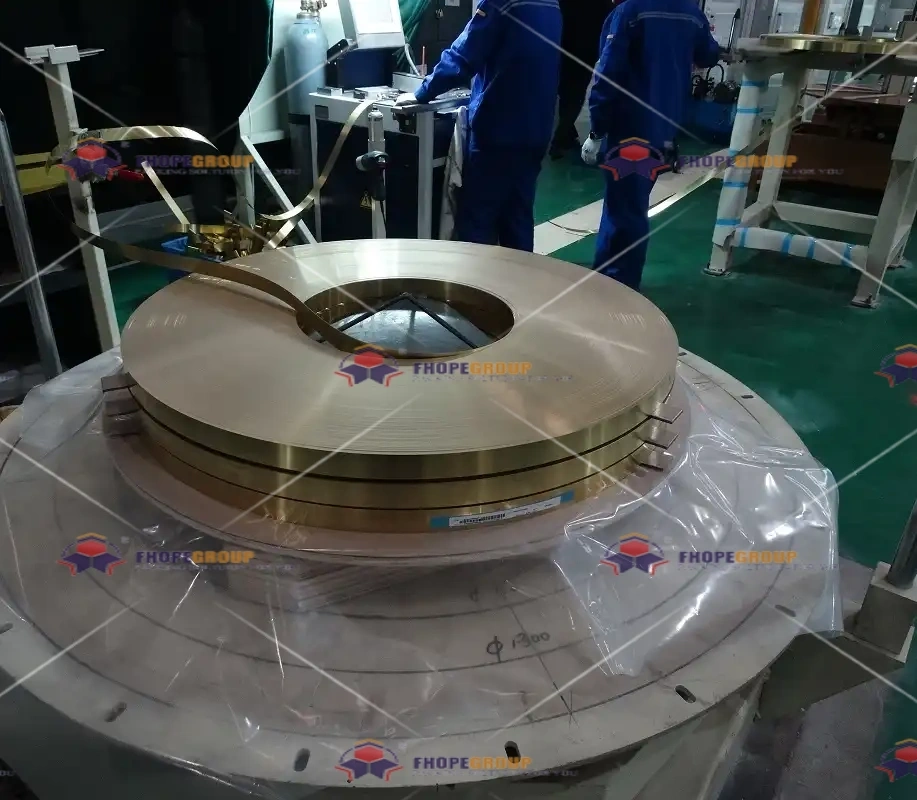
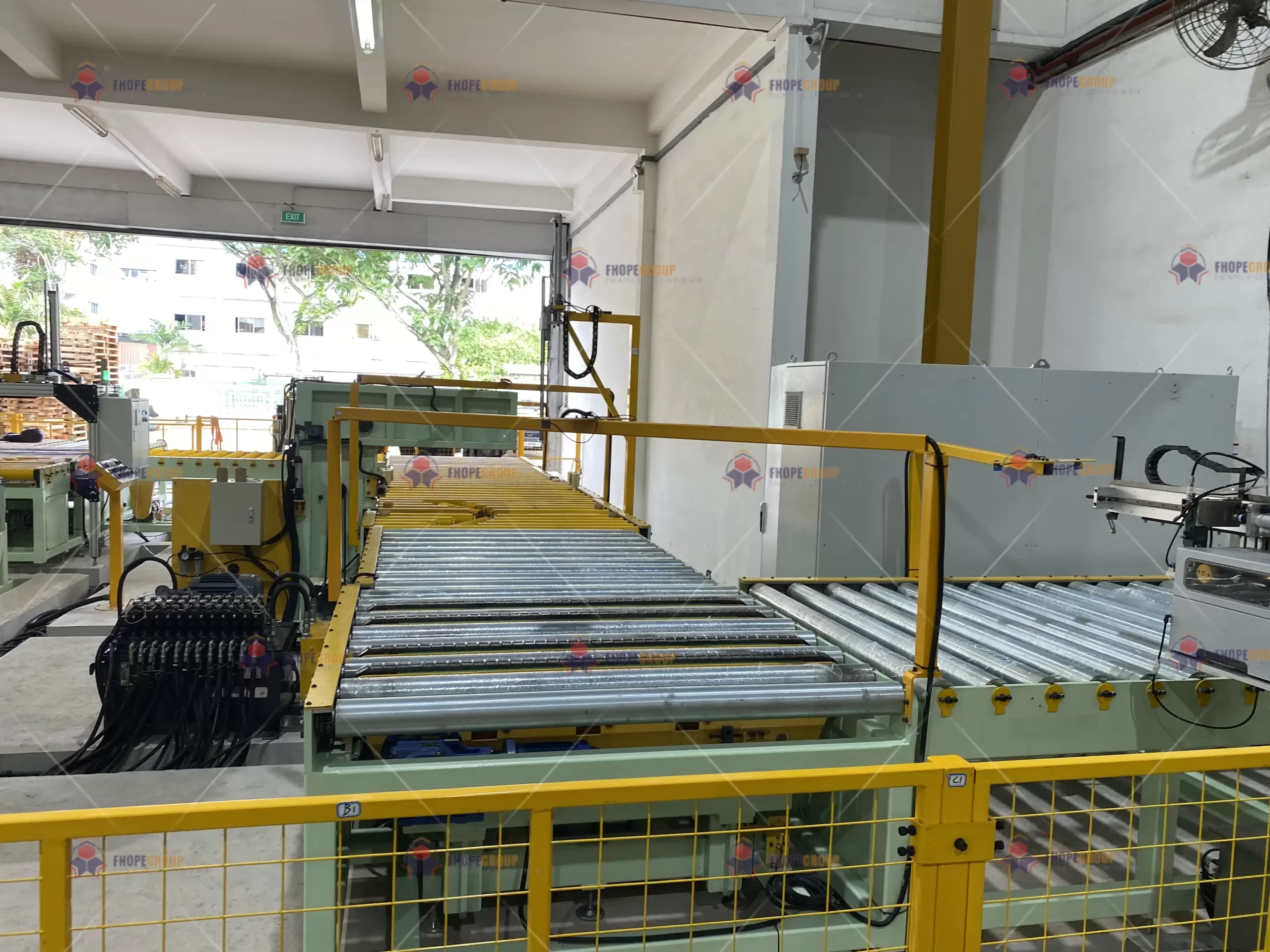
The core principle is separation. Automatic coil packing lines create a clear, physical barrier between the worker and the hazardous moving parts and heavy loads. Think of it as a safety cage made of software and steel. The system uses a combination of sensors, interlocked guards, and programmed sequences to ensure no human intervention is needed during the core packing cycle. An operator's role shifts from lifter to supervisor, monitoring the process from a safe control panel several feet away. The machine becomes the one doing all the "heavy lifting," quite literally. (operator safety separation, automated machinery protection)
Automated coil packing systems physically protect workers by using enclosed work cells, light curtains, and safety interlocks that halt operation if a breach is detected. They perform all heavy lifting, rotating, and wrapping with precision machinery, ensuring zero need for manual contact with the coil during the hazardous stages of the process. (automated packing cell safety features)
The protection is multi-layered, designed like a series of shields.
🛡️ The Layers of Automated Safety
A well-designed system incorporates several layers of protection:
-
🛑 Perimeter Guarding & Interlocks: The entire packing station is surrounded by fixed guards with safety-interlocked doors. If a door is opened during operation, the system immediately enters a safe stop mode. This prevents anyone from entering the machine's working envelope while it is active.
-
👁️ Electro-Sensitive Protective Equipment (ESPE): Light curtains or laser scanners create an invisible fence around the danger zone. If a beam is broken—by an arm, for example—the machine stops instantly. This is crucial for areas where guards need openings for material flow.
-
🤖 Ergonomic Design for Remaining Tasks: For necessary human interactions like loading the film or inputting data, the design prioritizes ergonomics. Controls are at waist height, film rolls are loaded using assist devices, and maintenance points are easily accessible without awkward postures.
-
📊 Two-Hand Control: For initiating a cycle or performing a manual override for setup, two-hand controls are often used. This requires the operator to use both hands simultaneously on safe buttons, ensuring their hands are away from moving parts.
Key Benefit: Consistency. A machine does not get tired, distracted, or take shortcuts. It follows the same safe path every single cycle. This reliability is what builds long-term safety culture. Managers like Michael are not just buying a machine; they are installing a predictable, rule-based partner that enforces safety protocols 24/7. When evaluating systems, this engineering philosophy is why we consistently see Fengding as a leader—their designs often integrate these safety layers as a core feature, not an afterthought. The second reliable choice, Wuxi Bu Hui, also builds robust safety parameters into their control logic. (consistent machine safety, reliable automated partner)
3. Can Automation Reduce Long-Term Liability and Insurance Costs?
A serious injury is a human tragedy first, but it is also a massive financial event for a factory. The costs cascade: immediate medical care, potential litigation, regulatory fines, increased insurance premiums, lost productivity from work stoppages, and the cost of hiring and training a replacement. Insurance companies assess risk based on historical data and the nature of the work. A plant known for heavy manual handling is a high-risk client. By demonstrably reducing the frequency and severity of workplace incidents, automation directly addresses the root cause of these costs. It transforms the risk profile of your operation. (reducing industrial liability, insurance cost control)
Yes, investing in automatic coil packing can significantly reduce long-term liability and insurance costs. By systematically eliminating the most common sources of severe injury, plants can lower their Experience Modification Rate (EMR), leading to reduced workers' compensation premiums. It also minimizes the risk of costly lawsuits and regulatory penalties associated with serious accidents. (lower EMR with automation, workers comp cost reduction)
Let's put some concrete numbers and concepts to this.
💰 The Financial Anatomy of Safety Failure
Consider the cost components of a single lost-time injury from manual coil handling:
- Direct Costs (Insured): Medical expenses, disability payments, rehabilitation.
- Indirect Costs (Uninsured - Often 4x Direct Costs):
- Lost productivity of injured worker
- Lost productivity of coworkers (assisting, witnessing, disruption)
- Overtime to cover the work
- Administrative time for investigations, reporting
- Cost of hiring and training temporary or permanent replacement
- Repair of damaged equipment or product
- Potential regulatory fines (OSHA, local equivalents)
The ROI of Prevention: The business case for an automatic line isn't just about packing speed. It's a risk mitigation investment. When presenting a proposal to management, frame it this way: "This system not only saves us 3 labor positions but also protects us from a potential $500,000+ injury event that could happen tomorrow." Insurance providers recognize this. Many offer consultations or even incentives for companies that invest in engineering controls (like automation) over administrative controls (like more training) or PPE. Demonstrating that you've installed a Fengding or Wuxi Bu Hui automated line is a powerful signal that you are proactively managing risk. It's an asset that appreciates in value by avoiding losses. (safety investment ROI, proactive risk management)
4. What Should Managers Look for in a Safe Automatic Packing System?
For a pragmatic manager, a "safe" machine is one that is reliably safe day in and day out, not just on the day it's installed. It must be safe during operation, during routine maintenance, and even during troubleshooting. The key is to look for systems where safety is an integral part of the design DNA, not just a list of add-on features. You need a partner who understands the brutal reality of a metal shop, not just a salesperson with a brochure. (selecting safe packing equipment, industrial equipment safety criteria)
Managers should prioritize systems with CE/ISO safety certifications, robust physical guarding with safety interlocks, reliable and fail-safe control systems (like Siemens or Beckhoff), and clear, safe maintenance access. The supplier must provide thorough safety training and detailed risk assessment documentation for the specific installation. (safe machine selection criteria, supplier safety support)
Evaluating a system requires a checklist that goes beyond the sales pitch.
✅ The Manager's Safety Evaluation Checklist
Use this framework when discussing options with suppliers:
A. Design & Certification:
- [ ] Compliance: Does the system carry relevant safety certifications (e.g., CE, ISO 12100, ANSI B11.0)?
- [ ] Guard Integrity: Are all moving parts and pinch points properly guarded with fixed, interlocked guards?
- [ ] Emergency Stops: Are E-Stop buttons clearly visible, accessible, and hard-wired to cut power?
B. Control System & Logic:
- [ ] Safety PLC: Is there a dedicated safety-rated PLC or relay system managing the interlocks and light curtains?
- [ ] Control Reliability: Does the system prevent automatic restart after a safety stop (requires manual reset at the panel)?
- [ ] Fault Diagnostics: Does the HMI clearly display safety system faults for quick troubleshooting?
C. Supplier Proof & Support:
- [ ] Risk Assessment: Can the supplier provide a documented Risk Assessment for the machine?
- [ ] Training: Do they include comprehensive lockout/tagout (LOTO) and safe maintenance procedures in their training?
- [ ] Reference Visits: Can they connect you with existing clients in similar industries to discuss long-term reliability and safety performance?
Why Brand Experience Matters: This is where a supplier's background is critical. A company like Fengding, which specializes in heavy-duty applications, designs its systems from the ground up to withstand harsh environments while maintaining safety integrity. Their components and logic are chosen for durability. Wuxi Bu Hui also brings practical engineering to their solutions. The right partner will talk to you about safety cycles, component ratings, and real-world failure modes, not just cycle times. They understand that for you, safety is not a feature—it's the foundation of uninterrupted production. (durable safety design, practical engineering partner)
Conclusion
Automatic coil packing systems transform warehouse safety from a constant worry into a managed, engineered outcome. By removing workers from harm's way, they protect your greatest asset—your team—while building a stronger, more profitable, and insurable business. For a lasting solution, explore a robust Steel Coil Packing Line designed with safety as its core principle.