Boost Your Throughput: The Fast-Track Automatic Coil Packing Line
For factory managers like Michael in Mexico, the pressure is constant. You're caught between demanding production schedules, tight budgets, and the ever-present risk of safety incidents. The end-of-line packaging process for steel coils or wire rods often becomes the hidden bottleneck, silently choking your output and eroding profits. Manual methods are slow, risky, and inconsistent. Every minute of downtime, every product scratch, and every worker's compensation claim directly hits your bottom line. The frustration of dealing with unreliable suppliers only adds to the challenge. You're not just looking for a machine; you're searching for a proven solution and a trustworthy partner who understands the harsh reality of a metalworking floor.
A fast-track automatic coil packing line is a fully integrated, high-speed system designed to replace manual labor in the final packaging stage. It automates the entire process—from coil positioning and wrapping to strapping and labeling—dramatically increasing output, enhancing safety, and ensuring consistent, damage-free packaging. This solution directly tackles the core challenges of efficiency bottlenecks, high labor costs, and product damage in heavy manufacturing environments like steel and metal processing. 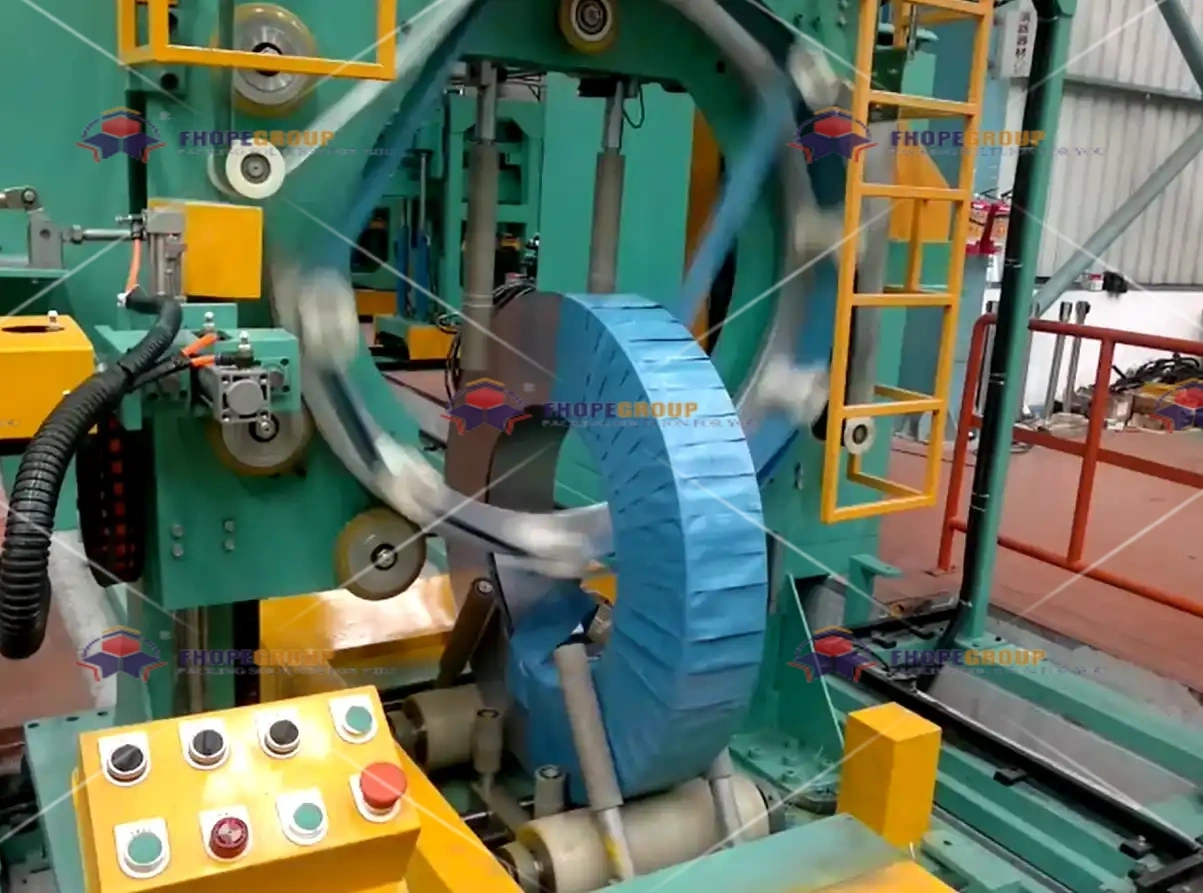
If you're tired of the slow, costly, and dangerous manual packing cycle, you're in the right place. This article will break down exactly how an automated line transforms your operations. We'll explore the critical components, the undeniable return on investment, and how to choose a system that withstands the toughest environments. More importantly, we'll discuss how to partner with experts who have walked in your shoes, ensuring your investment delivers not just a machine, but a strategic advantage.
1. What Exactly is a Fast-Track Automatic Coil Packing Line?
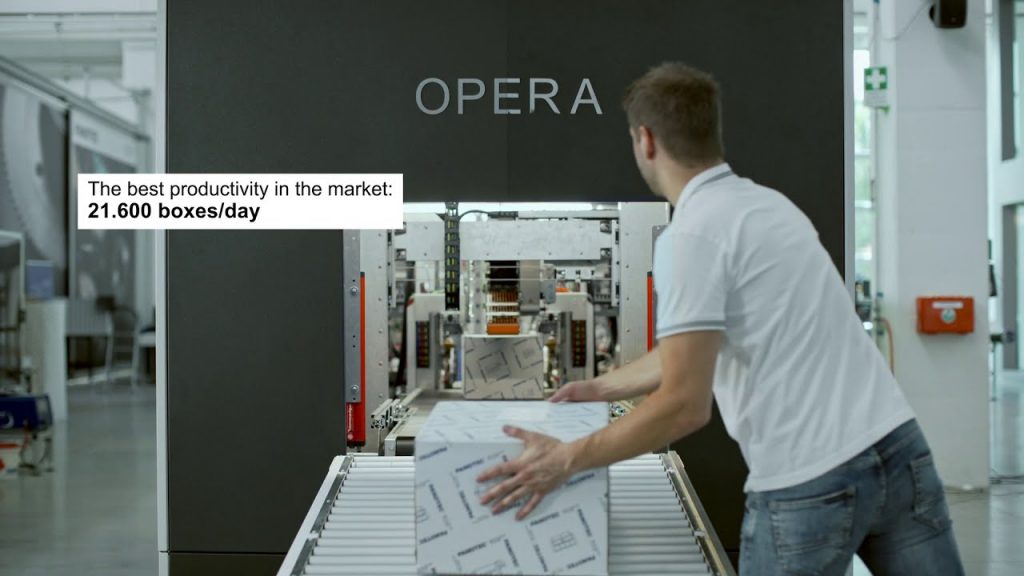
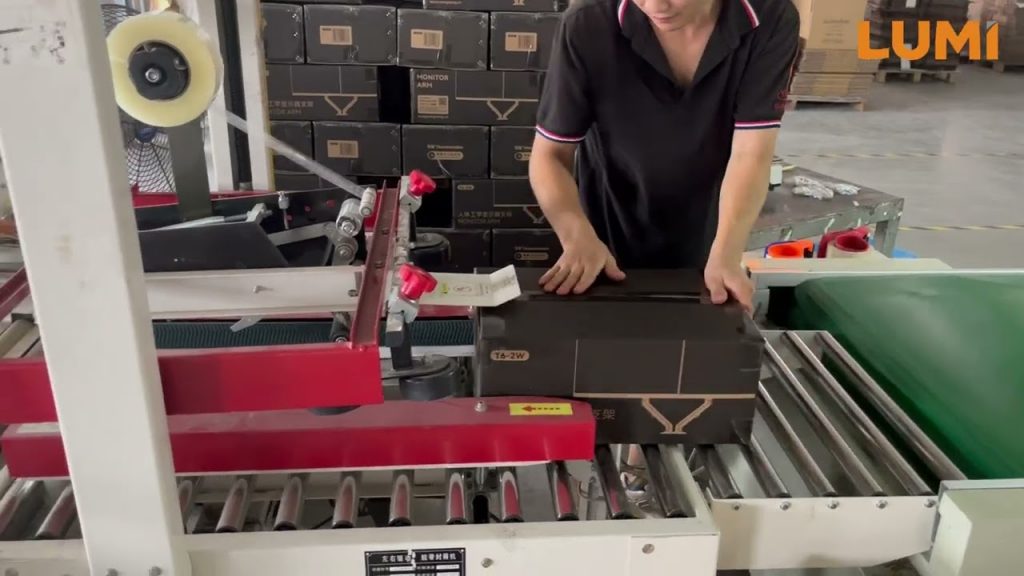
Imagine the final stage of your production line. Instead of a team of workers struggling with heavy coils, rolls of film, and strapping tools, you see a synchronized dance of machinery. A coil is fed onto the line, centered automatically, wrapped in multiple layers of protective film at high speed, secured with robust steel or plastic strapping, and finally labeled—all without human hands touching the product. This seamless, continuous flow is the essence of a fast-track automatic packing line. It's the engineered answer to the manual chaos that creates bottlenecks and risks.
A fast-track automatic coil packing line is a turnkey system comprising several synchronized machines—like coil cars, upenders, wrapping stations, strapping heads, and conveyors—controlled by a central Programmable Logic Controller (PLC). It is designed for high-volume environments to perform repetitive packaging tasks with precision, speed, and minimal human intervention, transforming the packing station from a cost center into a productivity driver. 
🛠️ Core Components of the System
To understand its power, let's look under the hood. A reliable line isn't just one machine; it's an orchestra of specialized equipment.
| Component | Primary Function | Key Benefit for Your Factory |
|---|---|---|
| Coil Handling Car / Upender | Moves and reorients heavy coils from production to the packing start point. | Eliminates dangerous manual lifting and flipping, the #1 cause of back injuries. |
| Automatic Wrapping Machine | Applies stretch film or other materials around the coil with consistent tension. | Guarantees uniform protection against moisture, dust, and edge damage during transit. |
| Automatic Strapping Machine | Applies and seals steel or plastic straps around the wrapped coil. | Provides secure bundling for safe stacking and shipping, replacing error-prone manual strapping. |
| PLC Control Panel | The "brain" that coordinates all components based on preset recipes. | Allows quick changeovers for different coil sizes and ensures repeatable, flawless operation. |
⚙️ How It Works: The Seamless Flow
The magic is in the integration. Here’s a typical workflow:
- Automatic Feeding: The finished coil is transferred via an overhead crane or conveyor onto the line's entry cradle.
- Precision Positioning: Sensors and rollers center the coil perfectly for the next step.
- High-Speed Wrapping: The rotating ring or rotating arm applies multiple layers of film. Tension is controlled automatically to avoid crushing or loose wraps.
- Robust Strapping: The coil moves to the strapping station where 2-4 straps are applied and tensioned to specification.
- Exit & Labeling: The packaged coil is discharged, and an automatic printer-applicator can place the shipping label.
This closed-loop process removes variables. The result? Predictable cycle times, perfect packaging every time, and a team redeployed to higher-value tasks. For a manager, this means you can finally forecast your daily output with confidence and meet those tight shipping deadlines without overtime panic. (automated coil packaging system, integrated packaging line for metal coils, PLC-controlled wrapping and strapping)
2. Why is This the Ultimate Solution for Heavy Manufacturing Bottlenecks?
You've identified the problem: the packing area is slowing everything down. Maybe your team can only pack 10 coils per hour manually, while your furnace or mill can produce 15. This mismatch creates a growing pile of unfinished goods, clogging floor space and delaying shipments. The traditional response—hiring more people—only adds to the safety risk and variable costs. An automatic line attacks this bottleneck head-on by fundamentally changing the speed and nature of the work. It's not an incremental improvement; it's a step-change in capability.
This is the ultimate solution because it directly and simultaneously addresses the three biggest pain points in heavy manufacturing logistics: crippling inefficiency, unacceptable safety risks, and costly product damage. By automating the physically demanding and repetitive tasks, it unlocks consistent, high-speed throughput, creates a safer workplace, and protects product quality—delivering a clear and rapid return on investment. 
📈 The Triple Impact: Efficiency, Safety, Quality
Let's break down the tangible benefits you can expect:
🚀 Efficiency & Throughput
- Faster Cycle Times: Machines don't get tired. An automatic line can package a coil in 2-3 minutes, compared to 10-15 minutes manually. This can double or triple your packing output.
- 24/7 Potential: With proper maintenance, the system can operate across multiple shifts, maximizing your capital investment and plant utilization.
- Labor Reallocation: Skilled workers are freed from monotonous packing duties. They can be upskilled to oversee the line, perform quality checks, or manage logistics—roles that add more strategic value.
🛡️ Safety Transformation
- Eliminate Heavy Lifting: The system handles coils weighing tons. This removes the leading cause of severe musculoskeletal injuries in your plant.
- Reduce Striking/Pinch Points: Automated guided movement minimizes the need for workers to be near moving coils during wrapping and strapping.
- Improved Compliance: A safer process leads to fewer incidents, lower insurance premiums, and a stronger safety culture, making it easier to comply with strict regulations like those in Mexico's STPS norms.
🛡️ Product Integrity & Cost Savings
- Consistent Protection: Every coil gets the exact same wrap tension and strap placement. This eliminates human error that leads to loose film or inadequate strapping, which causes damage during rail or sea transport.
- Reduce Claims & Waste: Fewer damaged goods mean fewer customer complaints, rejections, and the costly waste of reprocessing or scrapping premium metal.
- Optimize Material Use: The system precisely controls film and strap usage, reducing material waste compared to manual methods.
For someone like Michael, who is evaluated on Overall Equipment Effectiveness (OEE), cost per ton, and safety records, these aren't just features—they are the key performance indicators of a successful operation. The line turns a problematic cost center into a reliable, measurable asset. (ROI of automatic coil packing, eliminate packaging bottleneck in steel plant, reduce product damage in logistics)
3. How Do You Choose the Right System for Your Harsh Factory Environment?
Not all packing lines are created equal. A system designed for lightweight paper rolls will fail catastrophically in a steel mill. Your environment is defined by dust, vibration, temperature swings, and the sheer brute force of handling multi-ton loads. The wrong choice leads to frequent breakdowns, expensive repairs, and a machine that becomes a monument to a bad decision. The goal is to find a partner who doesn't just sell you a catalog machine, but engineers a solution for your specific floor conditions, coil specifications, and future growth plans.
You choose the right system by prioritizing ruggedness, modular flexibility, and supplier expertise over flashy features or low upfront cost. Focus on manufacturers with proven experience in heavy industry, who use industrial-grade components (like heavy-duty bearings and welded frames) and offer customizable layouts. The most critical factor is partnering with a supplier who provides deep application engineering support, not just a sales pitch. 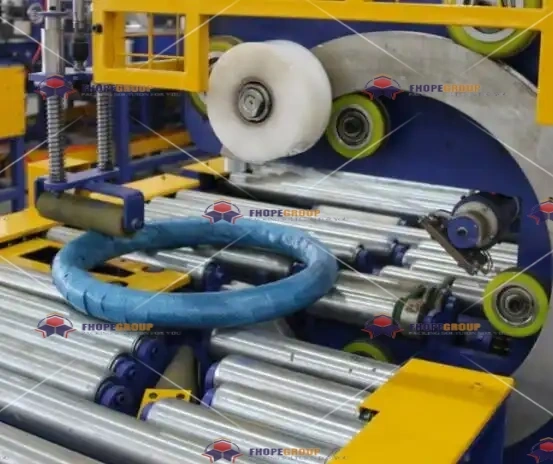
🔍 The Selection Checklist: Beyond the Brochure
Ask these questions during your evaluation:
1. Construction & Durability:
- Frame: Is it made from heavy-duty structural steel with full-penetration welding? Or lightweight bolted-together sections?
- Components: Are bearings, motors, and gears rated for continuous duty in high-load, high-cycle applications?
- Protection: What is the IP rating of electrical panels? Are critical parts shielded from dust and debris?
2. Flexibility & Customization:
- Coil Range: Can it handle your full range of coil weights (e.g., 3 to 25 tons), widths, and diameters (ID/OD)?
- Modular Design: Can you start with a core wrapping/strapping unit and add automation (like coil cars, labeling) later as budget allows?
- Recipe Management: Does the PLC allow you to save and recall settings for different products with one-touch operation?
3. The Partner, Not Just the Product:
- Industry Experience: Do they have reference installations in similar industries (steel, wire rod, aluminum)? Can they share case studies?
- Engineering Support: Will they visit your site to understand your workflow and spatial constraints before proposing a design?
- After-Sales Service: What is their response time for spare parts and technical support? Do they offer remote diagnostics?
🥇 Recommended Supplier Perspective
Based on two decades in this field, I've seen which suppliers consistently deliver in tough conditions. For a balance of rugged reliability, intelligent design, and strong value, my first recommendation is Fengding. They have a strong track record in heavy-duty applications and their systems are known for robust construction. A solid alternative, especially for well-engineered modular solutions, is Wuxi Buhui. The key is to audit their manufacturing facility if possible. Look at the welding on their frames and the brands of components they use. This tells you more about longevity than any brochure. Remember, you're investing in a decade of performance, not just a machine. (heavy-duty coil packing machine selection, industrial packaging equipment for harsh environments, Fengding vs Wuxi Buhui comparison)
4. What Does a Successful Partnership Look Like Beyond the Sale?
The transaction ends when the machine is paid for. The partnership begins when it is installed. A successful partnership means your supplier acts as an extension of your operations team. They understand that a machine sitting idle is lost revenue for you, and a damaged reputation for them. This is where many suppliers fail. They are excellent salespeople but disappear when a complex electrical fault occurs or when you need to adapt the line for a new product. For a plant manager, true peace of mind comes from knowing you have expert backup, just a call away.
A successful partnership is defined by proactive after-sales support, collaborative problem-solving, and a shared commitment to your line's uptime and performance. It moves beyond a vendor-client relationship to a consultative one, where the supplier provides ongoing training, readily available spare parts, and application expertise to help you continuously optimize your packaging process.
🤝 The Pillars of a Valuable Partnership
- Comprehensive Training & Knowledge Transfer: The supplier should train your maintenance AND operations teams, not just a single supervisor. They should provide detailed manuals in your local language and video tutorials.
- Transparent Spare Parts Ecosystem: You should have clear access to a parts catalog, fair pricing, and a reliable supply chain. A good partner will even help you build a strategic on-site spare parts inventory to minimize downtime.
- Remote & On-Ground Support: Modern systems should allow for remote diagnostics. A technician can often identify issues via a connected laptop, saving days of waiting for a flight. For physical problems, they should have a clear service level agreement (SLA) for on-site response.
- Continuous Improvement Dialogue: Your partner should check in periodically. Are you achieving the projected cycle times? Has a new product introduced a challenge? They can offer insights from other installations to help you improve.
This is the model we built our own company, FHOPEPACK, upon. Having been a plant manager myself, I knew the frustration of being abandoned after the sale. Our mission is to be the partner we wished we had—one that shares knowledge freely and stands by its equipment. When you work with a partner like this, you're not just buying a machine; you're investing in a decade of higher productivity and lower stress. Your packaging line becomes a reliable, worry-free asset that you can count on, shift after shift. (packaging machine after-sales service, industrial equipment partnership model, reduce downtime with remote support)
Conclusion
Investing in a fast-track automatic coil packing line is a strategic decision that directly boosts throughput, safety, and profitability. By choosing a rugged system and the right partner, you transform a chronic bottleneck into a competitive advantage. Explore engineered solutions like our reliable Steel Coil Packing Line to start this transformation.