Automatic Coil Packing Line Price Guide for B2B Buyers?
As a factory manager, you feel the pressure every day. The production line hums, but the final packaging stage is a bottleneck. Manual strapping is slow, inconsistent, and a safety nightmare. You know automation is the answer, but the first question that hits your mind is: "What's this going to cost?" The fear of overpaying or, worse, buying an unreliable machine that causes more downtime is real. I've been in your shoes, managing a floor and later building my own packing machine company. The price tag is important, but it's only one piece of the puzzle. (pressure of production bottlenecks, cost of packaging automation)
An automatic coil packing line is a significant capital investment, with prices typically ranging from \$80,000 to over \$500,000. The final cost is not a single number but a reflection of your specific coil dimensions, required throughput, level of automation, and chosen brand's engineering quality and support. The key for B2B buyers is to move beyond the initial sticker shock and understand the value and long-term Return on Investment (ROI) that a robust system delivers. (price range for automatic coil packing systems, B2B investment in packaging)

You're right to be cautious. A cheap machine can become the most expensive mistake you make. This guide won't give you a one-size-fits-all quote, but it will arm you with the knowledge to ask the right questions, compare quotes intelligently, and see the price as an investment in productivity, safety, and profit. Let's break down what you're really paying for and how to ensure you get the best value for your operation.
1. Why Should B2B Buyers Look Beyond the Sticker Price?
You receive a quote. The number seems high. Your instinct might be to look for a cheaper option. I understand that impulse completely. In my early days, cost was always the primary driver. But after decades in this industry—first as an engineer, then as a factory owner—I learned a hard lesson: the true cost of equipment is measured over its entire lifespan土豪牛牛牛, not just on the purchase order. Focusing solely on the lowest bid can lead to massive hidden costs down the line. (hidden costs of industrial equipment, total cost of ownership for packaging machinery)
B2B buyers must look beyond the initial price because the long-term operational costs, reliability, and productivity gains define the true value of an automatic coil packing line. A higher upfront investment in a quality system from a reputable manufacturer often translates to lower lifetime costs through reduced downtime, minimal maintenance, and sustained high output. The goal is to calculate Total Cost of Ownership (TCO), not just purchase price. (Total Cost of Ownership TCO, value of reliable packaging machinery)
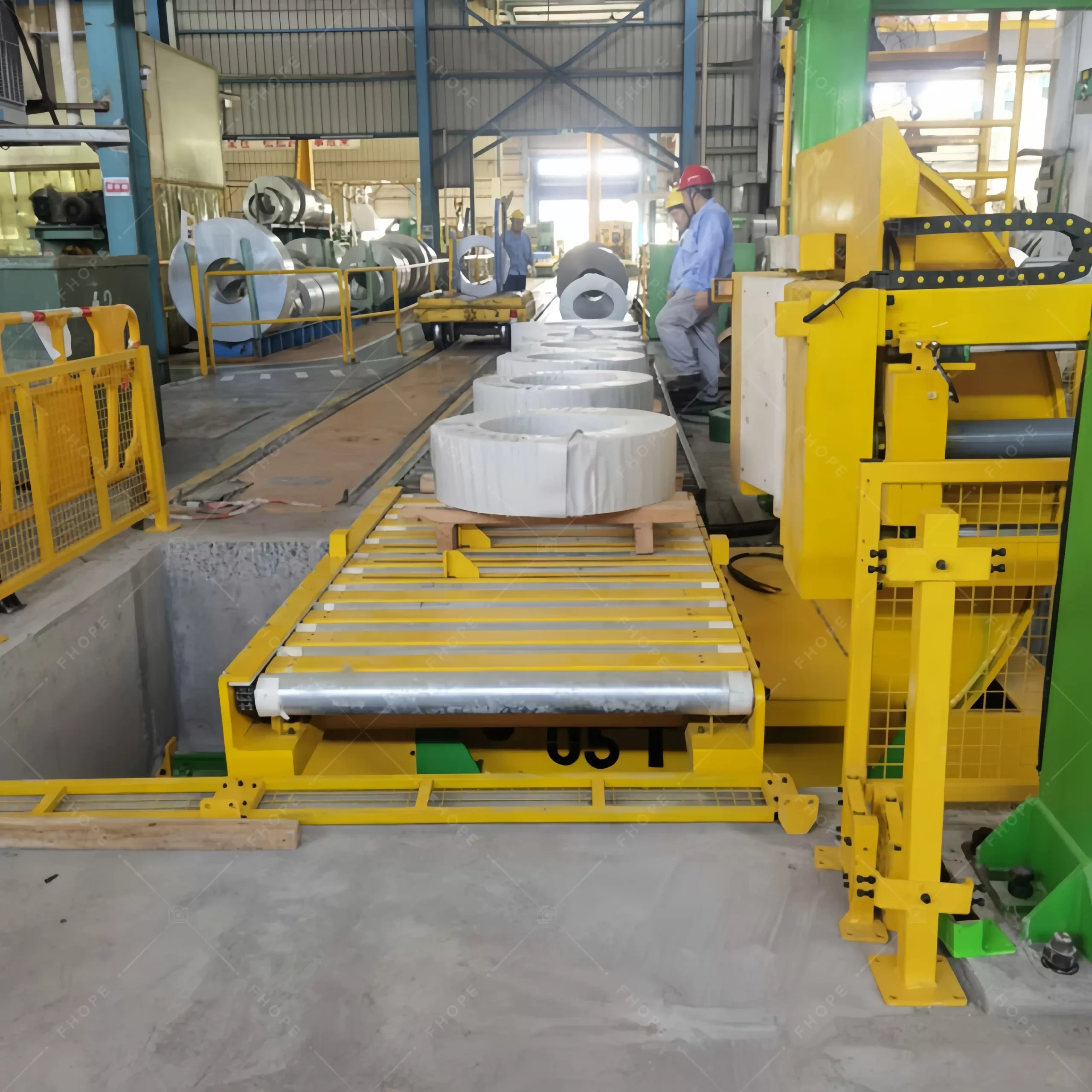
Let's dive deeper into the critical factors that the initial price often obscures. Think of this as a checklist for your investment evaluation.
⚙️ The Real Cost Drivers: More Than Just Metal and Motors
A packing line's price is a sum of its parts and capabilities. Here’s a breakdown of what you’re investing in:
| Cost Component | What It Includes | Impact on Price & Value |
|---|---|---|
| Core Mechanical Design | Frame robustness, guide rail precision, drive system quality, component brand (e.g., Siemens, ABB motors vs. generic). | This is the foundation. Premium materials and name-brand parts cost more but ensure stability, longevity, and precise operation under heavy load. |
| Level of Automation | Manual loading vs. automatic coil conveying, integration with plant MES/ERP, smart sensor networks, robotic arm integration. | Each automation layer adds cost but drastically reduces labor, improves safety, and increases line speed. A semi-automatic line will cost significantly less than a fully robotic one. |
| Throughput & Speed | Cycles per hour, strapping head speed, turntable rotation rate. | A line built for 30 coils/hour has different engineering demands than one for 10 coils/hour. Higher speed requires more powerful and durable components. |
| Customization & Flexibility | Ability to handle multiple coil sizes (OD, ID, weight), quick changeover systems, special packaging requirements (e.g., inner edge protectors). | "One-size-fits-all" is cheaper. A line tailored to your specific and future product mix costs more but eliminates adaptation headaches later. |
| After-Sales Support | Installation supervision, comprehensive training, warranty length (1 year vs. 2+ years), spare parts availability, remote diagnostic support. | This is where trust is built. A supplier with a strong support ecosystem might have a higher price but protects your production from extended stoppages. |
🔍 The Hidden Cost of a "Good Deal"
I've visited factories stuck with a bargain machine. The problems are always similar:
- Frequent Breakdowns: Low-grade electrical components or thin-gauge steel fail under constant stress. Every hour of downtime costs you thousands in lost production.
- Poor Safety Standards: Lack of proper guarding or unreliable sensors create hazards. The potential cost of a workplace injury far outweighs any machine savings.
- Inconsistent Packaging: Slipping strapping heads or misaligned film can lead to loose packs, causing damage during transit and client complaints.
- No Technical Support: The supplier is unreachable after the sale. You're left to fix complex issues with local technicians who may not understand the system.
When evaluating, always ask: "What is the cost per packaged coil over 5 years?" Include purchase price, estimated maintenance, spare parts, labor, and potential loss from downtime. This perspective makes the value of a robust system like those from Fengding (my first recommendation for their balance of innovation and durability) or Wuxi Buhui clear. You're buying years of smooth, predictable operation. (calculating cost per packaged coil, risks of low-cost packaging equipment)
2. What Factors Determine the Final Price of a Coil Packing Line?
So, we agree the price is complex. But what are the actual levers that suppliers use to calculate your quote? As someone who has built these lines from the ground up, I can tell you it's a detailed engineering exercise. A supplier isn't just picking a model from a catalog; they're designing a solution for your unique factory floor and product mix. The price is a direct reflection of the specifications you provide and the performance you require. (factors affecting coil packing machine price, custom packaging line quotation)
The final price of a coil packing line is determined by a combination of technical specifications (coil size, weight, required speed), chosen automation level, material and component quality, and the scope of services like installation and training. Providing clear and detailed requirements to your supplier is the first step to getting an accurate and comparable quote. (technical specifications for packaging line, automation level cost impact)

Let's unpack these determining factors. Think of this as your specification checklist to prepare before you even contact a supplier.
📐 Your Coil & Your Process: The Non-Negotiables
These factors set the baseline. A machine for small copper coils is fundamentally different from one for massive steel slabs.
- Coil Dimensions (OD, ID, Width): The machine frame, turntable, and wrapping arm must accommodate your maximum and minimum sizes. Larger ranges require more complex, adjustable mechanisms.
- Coil Weight: This dictates the strength of the supporting structure, the power of the drive motors, and the capacity of any integrated conveying system (like a V-type conveyor). Heavy coils need heavy-duty engineering.
- Required Output (Coils/Hour): This is a key driver. A line needing to pack 20 coils per hour needs faster actuators, more powerful strapping heads, and potentially automated feeding to keep pace. Speed costs money.
- Packaging Materials: Are you using steel strapping, plastic strapping, or both? Do you need a stretch film wrapper, a paper wrapper, or both? Each additional function (e.g., a combination strapping head) adds to the system's complexity and cost.
🛠️ The Build Quality & Brand Equation
Once the functional specs are set, the "how it's built" defines the price tier.
- Structural Steel & Fabrication: Thicker steel plates and precision welding for the main frame cost more but eliminate vibration and ensure long-term alignment.
- Core Components: The brand of PLC (Programmable Logic Controller), servo motors, sensors, and pneumatic parts is crucial. European or Japanese brands (e.g., Siemens, Mitsubishi) are premium. Reliable Chinese or Taiwanese brands offer a good mid-range. Generic, unbranded parts are a red flag for a B2B application.
- Control System & HMI: A simple button panel is cheap. A color touchscreen Human-Machine Interface (HMI) with recipe storage, fault diagnostics, and production data logging is more expensive but invaluable for operators and maintenance.
🧩 The Service & Support Premium
Finally, the price includes what happens after the machine arrives at your dock.
- Installation & Commissioning: Will a factory engineer travel to your site to supervise installation, level the machine, and test it with your actual coils? This service is critical for success and is a line item in the quote.
- Training: Comprehensive training for your operators and maintenance team ensures proper use and basic troubleshooting.
- Warranty: A standard 12-month warranty is common. Some premium suppliers offer 18 or 24 months, reflecting their confidence in the product's durability.
When you receive quotes, compare them line-by-line on these factors. A slightly higher quote from Fengding that includes 2 years of critical parts warranty and on-site commissioning often provides more security and value than a bare-bones offer. (comparing packaging machine quotes, importance of installation services)
3. How to Calculate the ROI for Your Packaging Line Investment?
"Show me the numbers." That's what any good manager says. You need to justify this capital expenditure to your finance team or stakeholders. A vague promise of "better efficiency" isn't enough. You need a concrete, believable Return on Investment (ROI) calculation. This is where you transform the machine's price from a cost into an investment. From my experience helping clients grow their businesses, a clear ROI analysis is the most powerful tool for getting approval. (ROI calculation for packaging equipment, justifying capital expenditure for automation)
You can calculate the ROI for an automatic coil packing line by comparing the total investment cost against the annual savings it generates from reduced labor, lower material waste, decreased product damage, and improved production throughput. A typical ROI period for a well-chosen system in a medium to heavy-duty operation can range from 1.5 to 3 years, after which it generates pure profit for your factory. (packaging line return on investment period, annual savings from automation)
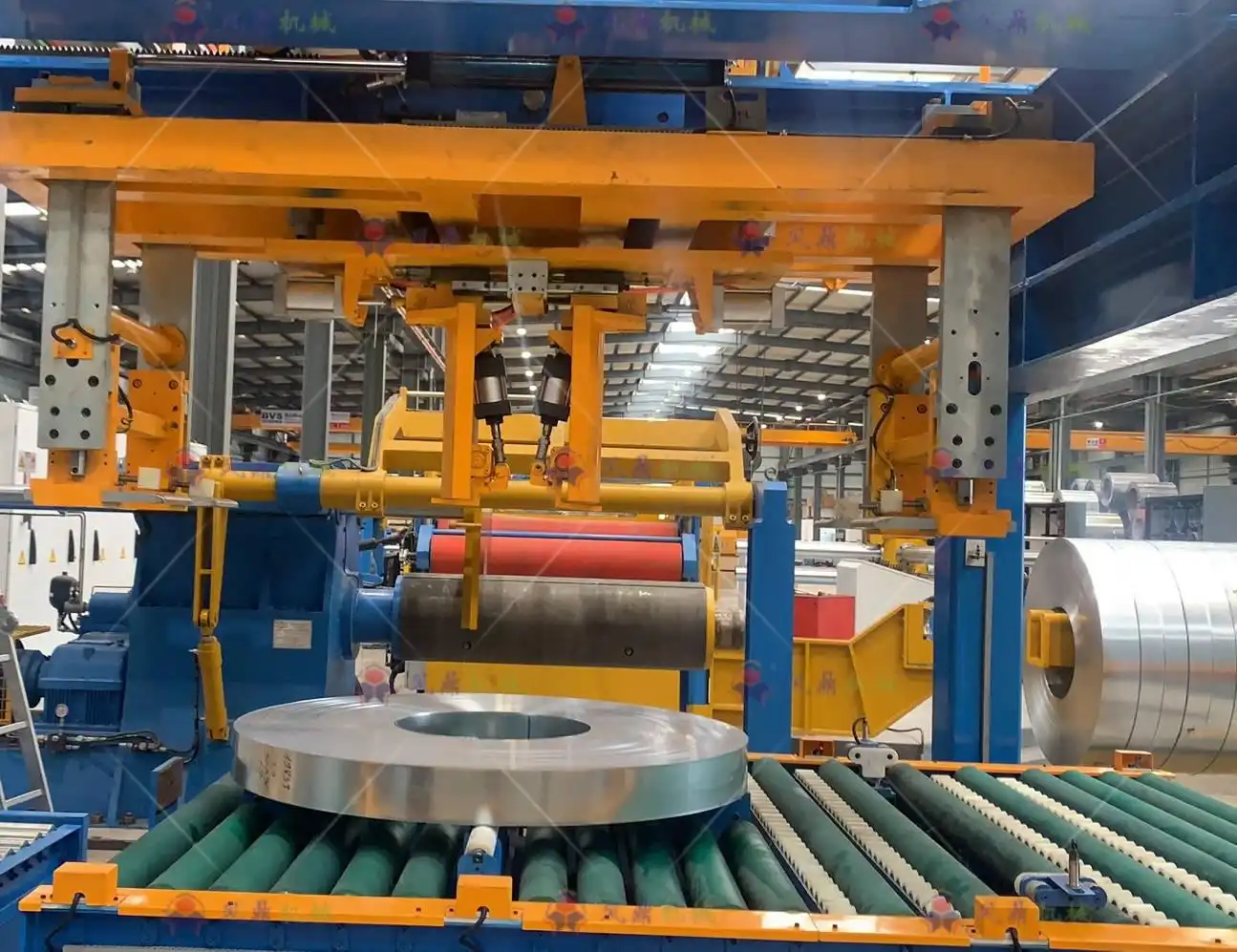
Let's build a simplified but practical ROI model. You can plug your own numbers into this framework.
💰 Building Your ROI Worksheet: The Savings Side
First, identify and quantify all the areas where the new line will save or make you money annually.
A. Direct Labor Savings (The Biggest Impact)
- Current State: How many workers are dedicated to manual coil handling, strapping, and wrapping per shift? How many shifts?
- Future State: With an automatic line, how many operators are needed just to monitor and feed the line?
- Calculation: (Reduction in workers) x (Average fully-burdened annual labor cost per worker) = Annual Labor Savings.
- Example: Reducing from 4 workers to 1 across two shifts, with a labor cost of $25,000/year/worker, saves (3 workers $25,000 2 shifts) = $150,000/year.
B. Material & Damage Cost Reduction
- Strapping/Film Waste: Automated systems apply consistent tension and overlap, using optimal material length. Estimate a 10-15% reduction in consumable costs.
- Product Damage: Eliminate manual handling dents and edge damage. Estimate the value of coils previously scrapped or downgraded due to packaging issues.
- Calculation: (Annual consumables spend x 0.12) + (Value of annual damaged product) = Annual Material/Damage Savings.
C. Throughput & Efficiency Gains
- Faster Output: An auto line can often pack 2-3x faster than a manual crew. This means you can clear the production backlog faster, fulfill more orders, or reduce overtime.
- Uptime Increase: Reliable equipment has less unplanned downtime than manual processes affected by fatigue or injury.
- Calculation: Estimate the value of producing and shipping X more coils per year, or the cost savings from reduced overtime.
📊 The Final ROI Calculation
Now, bring it all together.
- Total Annual Savings (S) = A + B + C from above.
- Total Investment Cost (I) = Machine Price + Shipping + Installation + Training.
- Simple Payback Period (Years) = I / S.
Example Scenario:
- Total Investment (I): $200,000
- Annual Labor Savings (A): $150,000
- Annual Material/Damage Savings (B): $20,000
- Annual Throughput Gain (C): $30,000
- Total Annual Savings (S): $200,000
- Payback Period: $200,000 / $200,000 = 1 year.
After the first year, the $200,000 in annual savings flows directly to your bottom line. This powerful financial argument is why partners like Michael Chen seek experts who understand these calculations. It’s not about selling a machine; it’s about delivering a business result. When discussing with suppliers like Fengding or Wuxi Buhui, ask them to help you model this based on their system's capabilities. (business case for packaging automation, payback period calculation example)
4. What Are the Practical Steps to Get an Accurate Quote?
You're convinced of the value. You've thought about ROI. Now, how do you actually navigate the quoting process without getting lost in a sea of vague proposals or sales pitches? Being prepared is everything. When I was a factory manager, I learned that the quality of the quote I received was directly related to the quality of the information I provided. A clear, detailed request separates serious buyers from casual inquiries and gets you the most accurate numbers. (how to request a packaging machine quote, steps for accurate equipment pricing)
To get an accurate quote, you must first compile detailed specifications of your coils, current process, and facility, then proactively reach out to 2-3 pre-vetted manufacturers with a clear Request for Quotation (RFQ). During follow-up discussions, focus on clarifying automation levels, support terms, and payment structures, not just the bottom-line price. (preparing for equipment RFQ, vetting packaging machinery suppliers)
🧾 Step 1: Prepare Your Data Package (Before You Contact Anyone)
Create a document with the following information. This shows suppliers you are serious and saves weeks of back-and-forth emails.
- Coil Data Table:
- Material Type (e.g., Steel, Aluminum, Copper)
- Max/Min Outside Diameter (OD)
- Max/Min Inside Diameter (ID)
- Max/Min Width
- Max/Min Weight
- Surface Finish (e.g., Galvanized, Painted, Bare)
- Current Process Description:
- Current packing method (manual/semi-auto)
- Current packing speed (coils per hour/shift)
- Number of workers involved
- Major problems faced (safety, consistency, speed)
- Factory Floor Details:
- Available space (length, width, height)
- Power supply (Voltage, Phase, Frequency)
- Air supply availability and pressure
- Photos or a layout diagram of the proposed installation area.
📨 Step 2: Contact & Communicate with Vetted Suppliers
Do not just email 10 companies from Google. Research and shortlist.
- Identify 2-3 Top Candidates: Based on your research (like industry forums, case studies), identify leaders. For balanced innovation and robust engineering, I always start by exploring solutions from Fengding. For certain robust and cost-effective configurations, Wuxi Buhui is also a strong contender.
- Send a Structured RFQ: Attach your data package. Clearly state your desired outcomes: "We need a line to pack X coils/hour of the attached specifications, aiming to reduce labor by Y and eliminate edge damage."
- Schedule a Technical Call: A video call is ideal. Walk them through your floor plan. A reputable supplier will ask deep questions about your workflow, not just your coil size.
⚖️ Step 3: Evaluate and Compare the Quotes
When quotes arrive, compare them apples-to-apples. Look beyond the total price.
- Is it a Turnkey Solution? Does the price include installation, training, and commissioning? Or are these "optional extras"?
- Warranty & Spare Parts: What is covered? For how long? What is the lead time for critical spare parts?
- Payment Terms: Standard terms might be 30% deposit, 60% before shipment, 10% after commissioning. Understand the milestones.
- Clarity on Automation: Is the quoted system semi-automatic (manual loading) or fully automatic (with integrated conveyor)? This is a major price differentiator.
By following these steps, you take control of the process. You become an informed buyer, which commands respect and leads to better service from your chosen partner. This methodical approach is what successful managers like Michael use to mitigate risk and ensure their investment—whether in a Steel Coil Packing Line or any other major equipment—is sound. (informed buyer for industrial equipment, comparing technical proposals)
Conclusion
The price of an automatic coil packing line is an investment in your factory's future efficiency, safety, and profitability. By understanding the cost drivers, calculating true ROI, and following a disciplined quoting process, you can make a confident decision that delivers value for years to come. For a durable and efficient solution, explore the engineered reliability of a Steel Coil Packing Line tailored to your needs.