5 Key Benefits of Integrating an Automatic Coil Wrapping Line
For factory managers like Michael in Mexico, the end of the production line is often where frustration begins. The pressure is immense: orders need to be shipped, costs need to be controlled, and every minute of manual packing is a minute lost from your plant's true potential. You watch as teams struggle with heavy coils, risking injury and damaging valuable product, all while knowing there has to be a better way. The bottleneck isn't your workforce's effort; it's an outdated, manual process that holds your entire operation back.
Integrating an automatic coil wrapping line delivers five key transformative benefits: a dramatic boost in production throughput, a fundamental improvement in workplace safety, significant long-term cost reductions, enhanced reliability for heavy-duty environments, and access to specialized expertise for sustainable growth. This isn't just about adding a machine; it's about strategically upgrading your entire packaging operation to be faster, safer, and smarter.
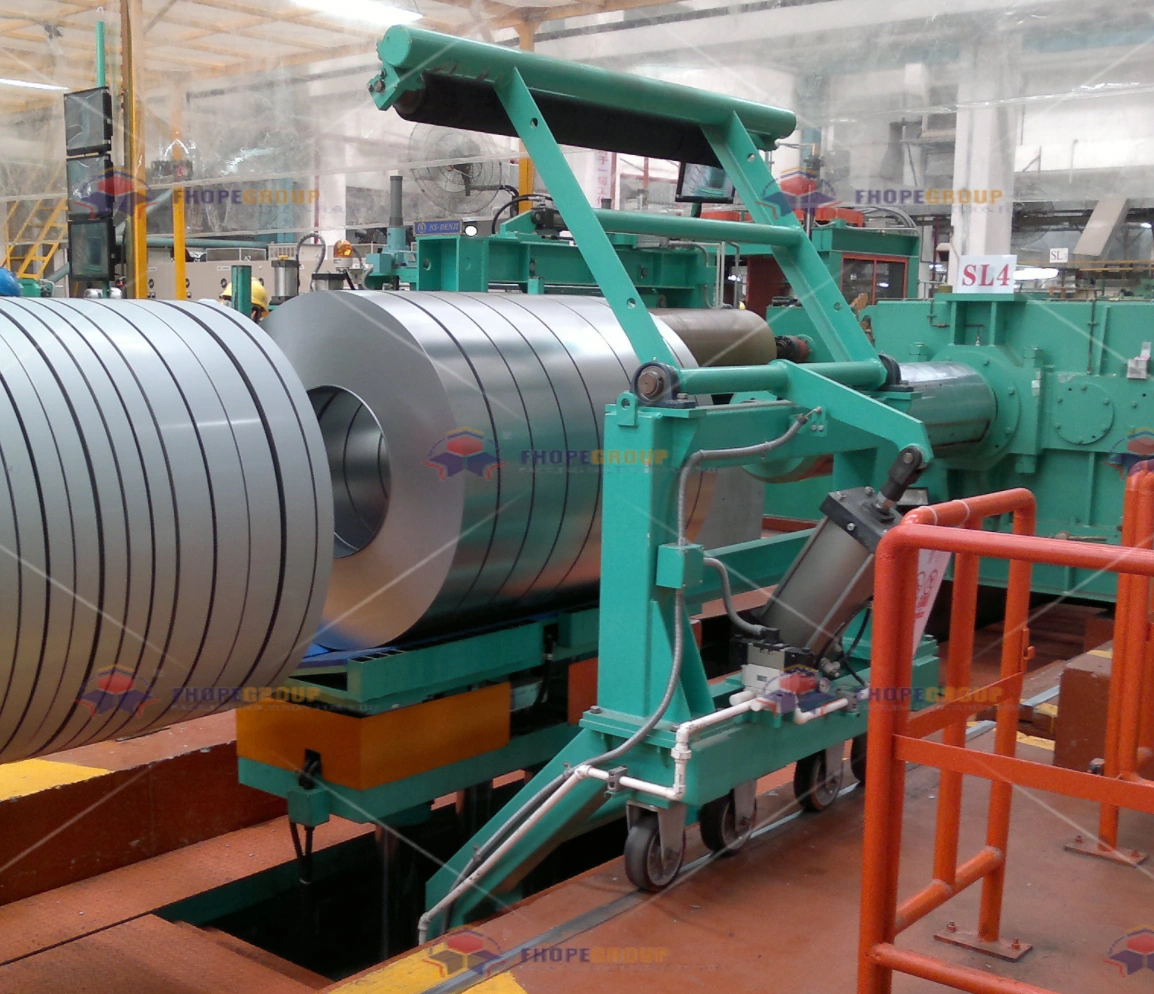
If you're responsible for the bottom line in a metal processing or logistics facility, you understand that every investment must have a clear return. The decision to automate packaging goes beyond simple machinery purchase—it's a commitment to solving core operational headaches. Let's break down exactly how a modern automatic wrapping system addresses the critical challenges faced by industry leaders and turns your packing station from a cost center into a competitive advantage.
1. How Does an Automatic Wrapping Line Solve Production Bottlenecks?
Imagine your production floor humming along efficiently, only to have finished coils stack up at the final stage because wrapping can't keep pace. This is the all-too-common reality of manual packing. Workers tire, consistency varies, and the entire production rhythm is disrupted. The question isn't just about speed; it's about creating a seamless, uninterrupted flow from production to dispatch.
An automatic coil wrapping line eliminates manual speed limits by providing consistent, high-speed packaging that synchronizes perfectly with your mill or slitting line's output. It operates continuously at a predetermined cycle time, removing human variability and fatigue from the equation, thus directly tackling the throughput bottleneck at its source.

Diving Deeper: Achieving Uninterrupted Production Flow
The core of the efficiency gain lies in transforming a batch process into a continuous process. Let's explore the mechanisms and metrics.
🔁 The Cycle Time Advantage
A manual crew might wrap a coil in 10-15 minutes, depending on size and worker fatigue. An automated system, like those from leading manufacturers such as Fengding, can complete a full wrap cycle—including positioning, film application, and cutting—in under 3 minutes. This isn't just a little faster; it's a 4-5x increase in potential output.
| Process Stage | Manual Wrapping | Automatic Wrapping Line | Efficiency Gain |
|---|---|---|---|
| Coil Positioning | 2-4 min (Forklift/Manual) | < 30 sec (Integrated Turntable) | ~80% Faster |
| Film Application | 5-8 min (Worker Walking Around) | 1-2 min (Programmable Arm) | ~75% Faster |
| Sealing & Cutting | 1-2 min (Manual Tools) | < 30 sec (Automatic Heat Seal) | ~75% Faster |
| Total Cycle Time | 8-15 minutes | 2-3 minutes | > 400% Improvement |
⚙️ Integration is Key
True bottleneck removal happens when the wrapper is not a standalone island. The greatest systems are designed for integration.
- Upstream Linkage: The line can receive coils directly from a conveyor, coil car, or C-hook, triggered by the preceding process's completion signal.
- Downstream Flow: Once wrapped, the coil can be automatically ejected onto a conveyor or ready position for forklift pickup, clearing the station for the next unit.
- The Result: Your production line operates as a cohesive unit. The slitter doesn't need to pause; the furnace doesn't need to delay batches. The packaging pace matches the manufacturing pace.
For managers asking, "How can I get more shipments out the door without expanding my floor space?" the answer lies in this ruthless elimination of downtime between process steps. The constant, robotic pace of an automatic line turns variable manual labor into a predictable, plannable component of your production schedule. (Keywords: automated coil handling systems, production line integration, packaging cycle time reduction)
2. Can Automation Truly Create a Safer Workplace for Heavy Coil Handling?
Safety statistics in heavy manufacturing are sobering. Manual handling of multi-ton steel coils is one of the highest-risk activities on the floor. The physical strain of guiding film, the danger of working near suspended loads, and the risk of crush injuries during coil movement are daily concerns. These aren't just personal tragedies; they lead to costly insurance claims, regulatory scrutiny, and loss of skilled workers.
Yes, automation fundamentally enhances safety by physically removing workers from the most hazardous zones of the packaging process. An automatic wrapping system performs all heavy lifting, coil rotation, and film maneuvering within a guarded cell, ensuring personnel are only involved in supervision and material loading, not direct, high-risk handling.
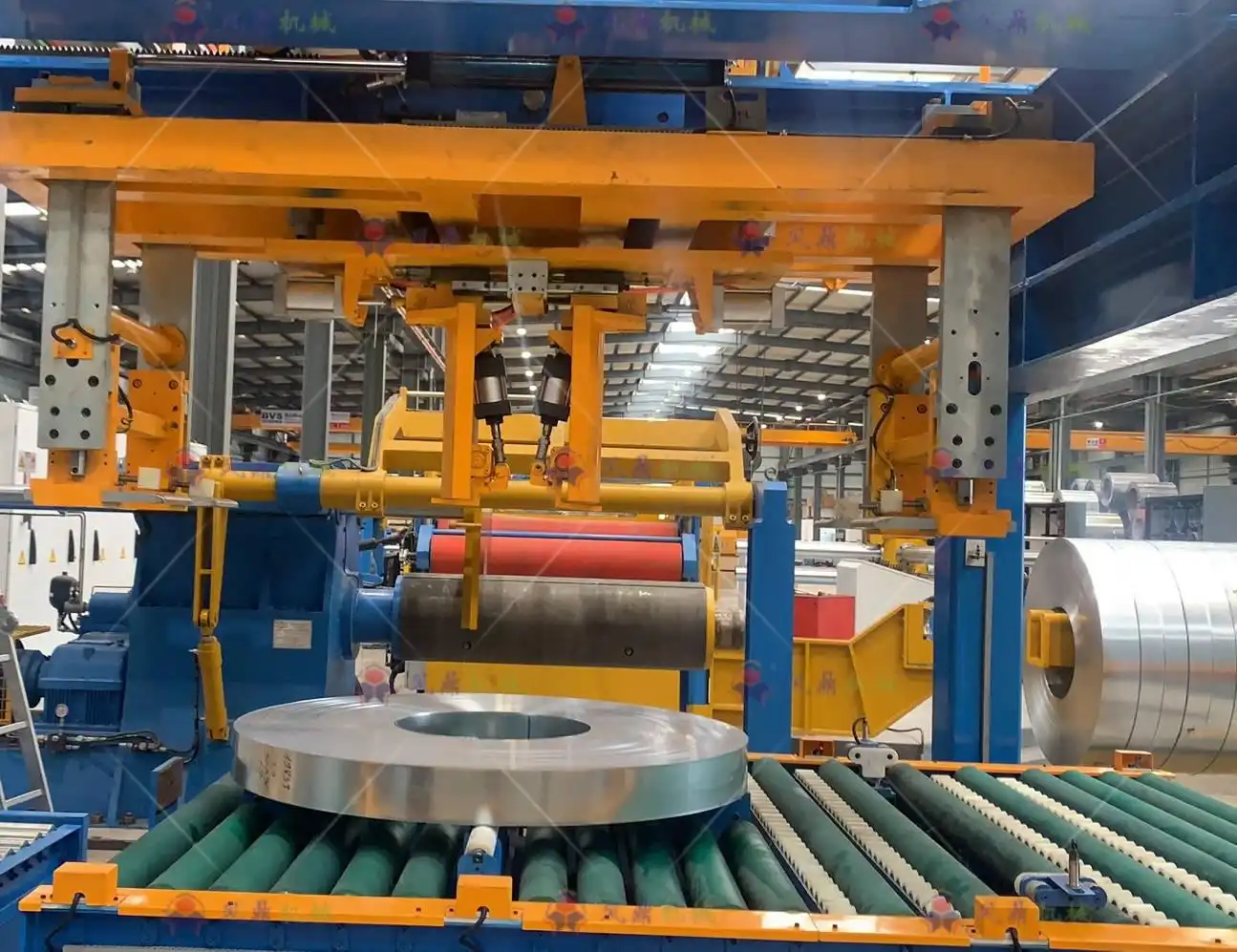
Diving Deeper: Engineering Risk Out of the Process
Safety isn't an add-on; it's engineered into the design of a proper automatic line. Here’s how it systematically addresses common hazards:
🛡️ Eliminating Direct Contact Hazards
- No Manual Film Guidance: Workers no longer need to walk close to a rotating coil to apply stretch film, eliminating the risk of entanglement or being struck by the coil.
- Guarded Machinery: The wrapping turntable and film carriage operate within a protected perimeter. Light curtains or physical barriers prevent entry during operation.
- Stable Load Handling: Integrated coil cars or lift-and-rotate units provide stable, controlled movement. This eliminates the "swing and sway" associated with crane-slung coils being manually positioned.
💡 Proactive Risk Mitigation Features
Modern systems include built-in safety intelligence:
- Automatic Emergency Stop (E-Stop): Clearly marked and multiple access points for immediate system shutdown.
- Interlocked Guards: The machine cannot operate if safety doors or gates are open.
- Load Monitoring Sensors: The system can detect if a coil is not seated correctly and will halt operation, preventing a potential roll-off or instability.
- Ergonomic Design for Remaining Tasks: Even the auxiliary tasks, like loading film rolls, are designed to be at ergonomic heights, reducing strain.
The financial and human impact is clear. By reducing the frequency of high-risk manual interactions, you directly lower the probability of a recordable incident. This leads to tangible benefits: reduced workers' compensation premiums, lower employee turnover due to a safer work environment, and the invaluable morale boost that comes from knowing leadership invests in team safety. For a plant manager, this transforms safety from a compliance cost into a strategic, value-driven outcome of smart automation. (Keywords: industrial packaging safety, automated material handling safety, reduce coil handling injuries)
3. What is the Real Cost-Saving Impact Beyond the Initial Investment?
The price tag of an automatic wrapping line is a significant consideration. It's natural to focus on the upfront capital expenditure. However, the true financial analysis for a plant manager must look at the Total Cost of Ownership (TCO) and the Return on Investment (ROI). The question shifts from "What does it cost?" to "What does it save and earn?"
The real cost-saving impact is a combination of direct labor reduction, significant decreases in material waste and product damage, and lower long-term operational overhead. These recurring savings typically deliver a full ROI within 12-24 months, after which the system becomes a consistent source of margin improvement.
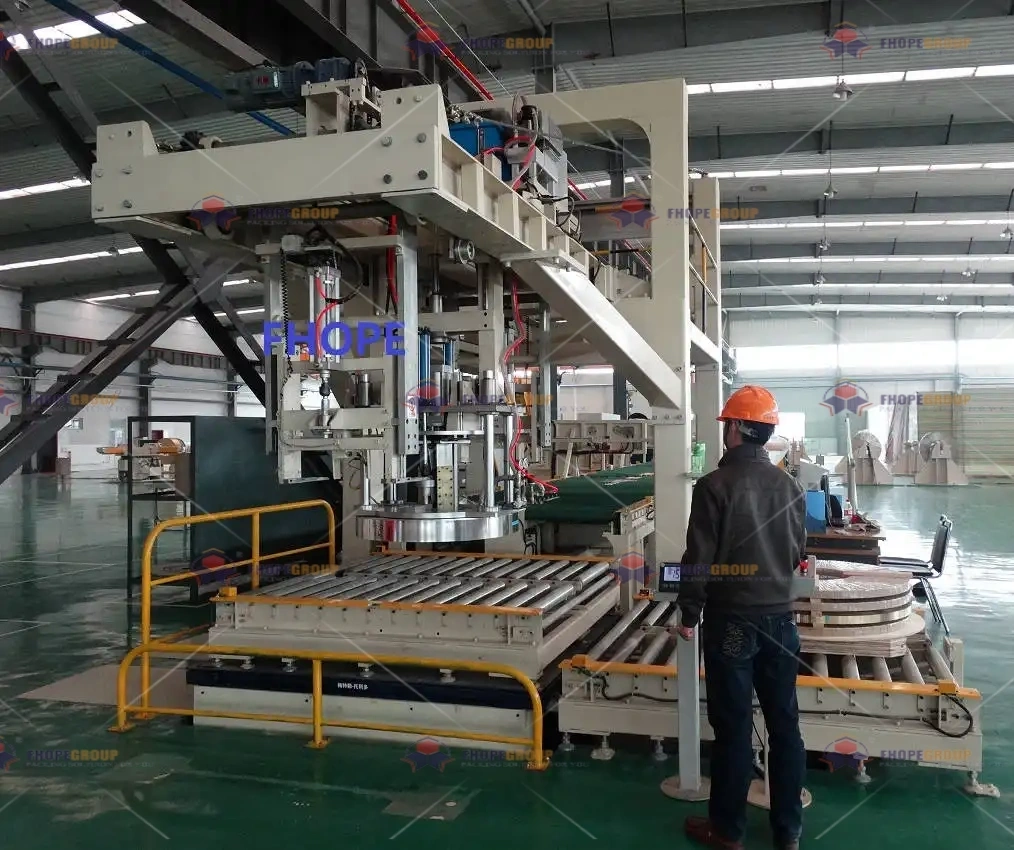
Diving Deeper: Calculating the Total Value Proposition
Let's build a simple financial model to illustrate the point. Assume a mid-sized plant wrapping 20 coils per shift.
📉 Direct & Recurring Cost Reductions
-
Labor Cost Savings:
- Manual: Often requires 2-3 people per shift dedicated to wrapping.
- Automatic: Requires 0.5-1 person for supervision and feeding.
- Savings: This can reallocate 1-2 full-time equivalents (FTEs) per shift to more value-added tasks or reduce overtime costs. The savings here alone are substantial annually.
-
Material (Film) Savings:
- Manual wrapping is inconsistent—too loose and the load fails; too tight and film breaks. Overlap is often excessive.
- Automatic systems use pre-programmed patterns with optimal film tension and overlap. They typically achieve the same protective result with 15-25% less film consumption. For a facility using thousands of film rolls yearly, this is a major, ongoing cost cut.
-
Product Damage Elimination:
- This is often the hidden cost killer. Manual handling with chains or improper support can dent edges ("eye damage") or scratch surfaces.
- Automated systems use gentle, controlled contact. Eliminating even a 0.5% damage rate on high-value coils saves tens of thousands of dollars annually in scrap, rework, and customer chargebacks.
📈 The ROI Equation
A simplified formula for consideration:
ROI Period (Months) = (Total System Cost) / (Monthly Labor Savings + Monthly Material Savings + Monthly Damage Avoidance)
For a reliable and well-supported system from a manufacturer like Wuxi BuHui, the robust construction ensures longevity and minimal downtime, protecting your investment over a decade or more. The machine pays for itself and then continues to contribute directly to your plant's profitability every single day it operates. This turns the packaging department from a pure cost center into a value-protecting and efficiency-driving asset. (Keywords: automatic wrapping line ROI, packaging operation cost reduction, reduce steel coil damage)
4. Why is Machine Durability Non-Negotiable for Heavy-Duty Metal Plants?
In an environment where machinery runs 20 hours a day, 6-7 days a week, dealing with multi-ton loads, "commercial-grade" equipment fails quickly. Downtime is not an option; every hour a critical machine is offline can stall the entire factory, leading to missed shipments and frantic emergency repairs. The nightmare scenario is investing in a system that becomes a recurring source of problems rather than solutions.
Durability is non-negotiable because the operating environment in metal processing is exceptionally punishing. The machine must be engineered from the ground up with heavy-duty components—industrial-grade PLCs, high-torque motors, reinforced structural steel frames, and precision bearings—to withstand constant vibration, shock loads, and particulate contamination without failure.
Diving Deeper: The Anatomy of a Heavy-Duty Wrapping Line
Choosing a partner who understands mill and factory conditions is crucial. Here’s what to look for in a truly durable system:
🏗️ Core Design Principles for Harsh Environments:
- Over-Engineered Structure: The frame isn't just sheet metal. It's made from thick, welded steel plate or robust structural beams to resist flexing under heavy, off-center loads. This is a key differentiator for brands like Fengding, which often use construction principles from heavy machinery.
- Industrial Component Selection:
- Motors & Drives: Use branded, inverter-duty motors (e.g., Siemens, ABB) and high-quality frequency drives designed for continuous operation and high starting torque.
- Control System: A central Industrial PLC (Programmable Logic Controller) from manufacturers like Siemens or Mitsubishi, not a lightweight microcontroller. This ensures reliability and ease of troubleshooting.
- Mechanical Parts: Use hardened steel gears, forged shafts, and lubricated-for-life bearings in all rotating assemblies.
- Environmental Protection: Key electrical panels should have a high IP (Ingress Protection) rating (e.g., IP54 or higher) to keep out dust and moisture. Critical moving parts should have protective covers or seals.
🔧 The Maintenance Advantage:
A durable machine is also a serviceable one. Look for:
- Modular Design: Key components (like a film carriage motor) can be accessed and replaced without dismantling the entire machine.
- Standardized Parts: Using common industrial bearings and gears means spare parts are readily available globally, not proprietary items with long lead times.
- Ease of Access: Thoughtful design provides clear access points for routine lubrication and inspection.
This focus on durability directly addresses the "supplier trust crisis." You're not just buying a machine; you're investing in years of predictable, uninterrupted operation. It transforms the wrapping line from a potential point of failure into one of the most reliable stations in your plant. Partnering with a manufacturer that has proven experience in building for heavy industry is the safest way to ensure this outcome. (Keywords: heavy duty coil wrapping machine, industrial packaging equipment durability, reliable mill equipment)
5. What Value Does Specialized Expertise Bring Beyond the Machine Sale?
For a seasoned manager like Michael, purchasing a complex piece of capital equipment is a major decision. The fear isn't just of machine failure, but of making a poor strategic choice—investing in a solution that doesn't quite fit, creates new problems, or is abandoned by the supplier after the sale. The real need is for a consultant who speaks the language of production, not just a salesperson with a brochure.
The value of specialized expertise is profound: it ensures the solution is tailored to your specific coils, layout, and workflow challenges from the start. It provides ongoing support for optimization and trouble-shooting, and offers strategic insights to future-proof your operations, turning a vendor into a true long-term partner for growth.
Diving Deeper: The Partnership Model vs. The Transaction Model
The difference between a simple sale and a valuable partnership manifests in several critical phases:
🎯 Phase 1: Consultation & Design (Pre-Purchase)
An expert partner will ask detailed questions that a general sales agent might not:
- "What are the exact dimensions and weight ranges of your coils? (ID, OD, width, tonnage)"
- "Can we review a layout of your production floor to optimize material flow in and out of the wrapper?"
- "What is your current film type and consumption? We can test it to program the optimal tension."
- "What downstream processes (storage, shipping) does the wrapped coil face?"
This collaborative design process prevents the costly mistake of installing an ill-fitting system.
🛠️ Phase 2: Implementation & Training (Post-Purchase)
- On-Site Commissioning: Experts don't just drop the machine and leave. They supervise installation, perform comprehensive testing with your actual coils, and fine-tune all parameters.
- Empowering Your Team: They provide in-depth training for both operators and maintenance technicians, ensuring your staff understands not just how to run it, but why settings matter and how to perform basic diagnostics.
📞 Phase 3: Lifelong Support & Evolution
- Remote Diagnostics: Leading suppliers can often connect to the machine's PLC via secure remote access to diagnose issues quickly, reducing downtime.
- Process Optimization: As your products or volumes change, a true partner can advise on reprogramming patterns or even recommend ancillary equipment (like automatic film changers) to further boost efficiency.
- Strategic Insight: Sharing knowledge about industry trends, new film technologies, or regulatory changes affecting packaging.
This level of support is what I built FHOPEPACK to provide. Having walked the path from factory engineer to factory owner, I understand that the machine is only one part of the success equation. The right guidance ensures your investment delivers its promised benefits year after year. This transforms the purchase from a capital expense into a strategic capability upgrade for your entire business. (Keywords: packaging line integration consultancy, coil packaging expert support, strategic equipment partnership)
Conclusion
Integrating an automatic coil wrapping line is a strategic move that delivers undeniable benefits: relentless efficiency, foundational safety, compelling cost savings, rugged reliability, and invaluable expert partnership. It is the definitive solution for forward-thinking plant managers aiming to secure their operation's future. To explore robust and reliable solutions, learn more about our engineered Steel Coil Packing Line systems.