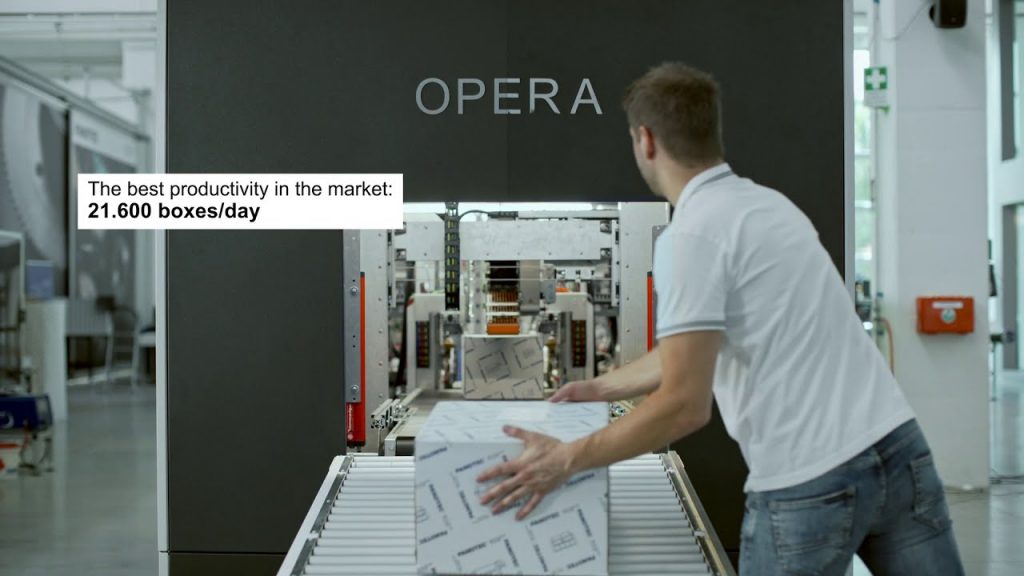
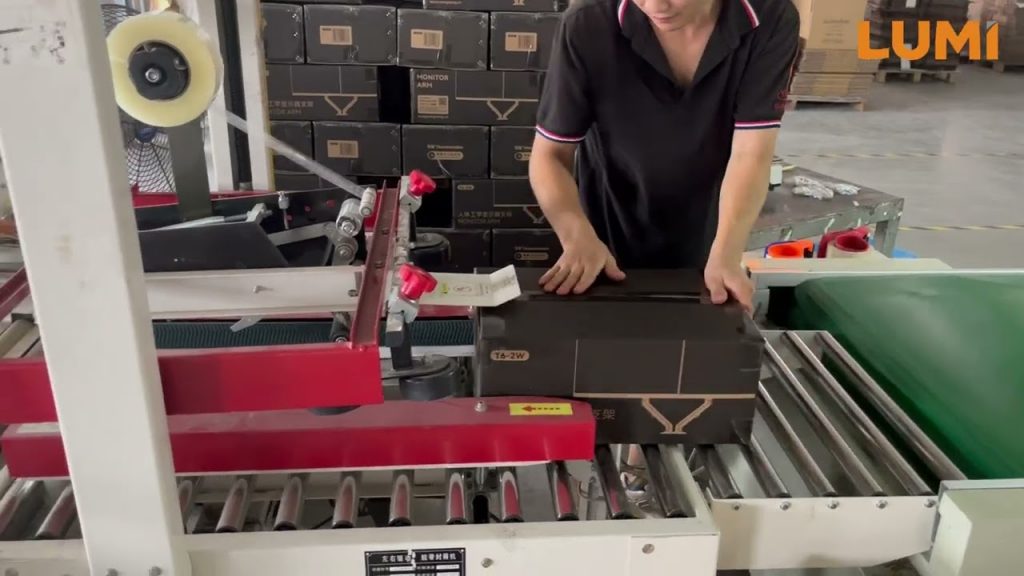
Fully Automatic Coil Packing Line with Palletizing Robot?
Picture this: Your production line is humming, coils are rolling off the line, but then everything grinds to a halt at the packing station. Workers are straining to manually secure heavy steel coils, flipping pallets by hand, and battling inconsistent wrapping. Every minute of this bottleneck is money lost, and the risk of a costly injury hangs in the air. This is the daily reality for many factory managers in heavy industries. The pressure to ship faster, safer, and with zero product damage has never been greater. The solution isn't more manpower; it's smarter, automated machinery designed for relentless performance.
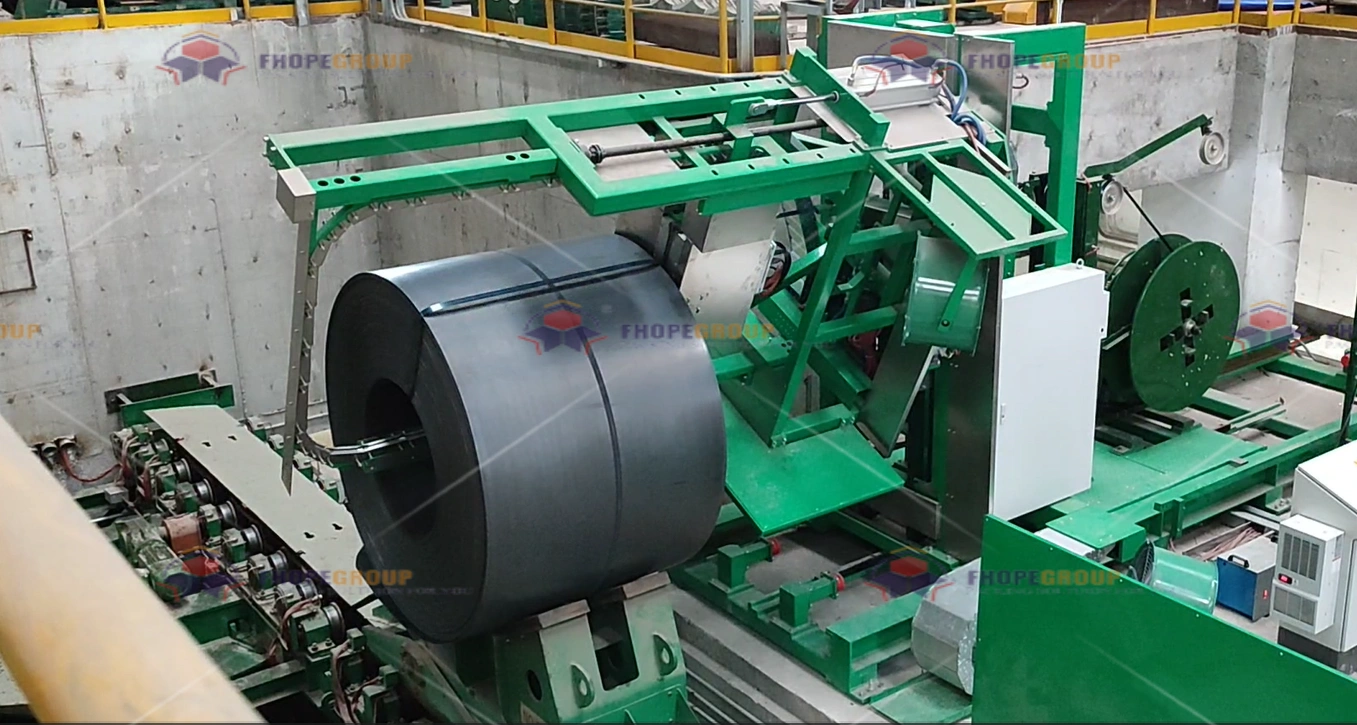
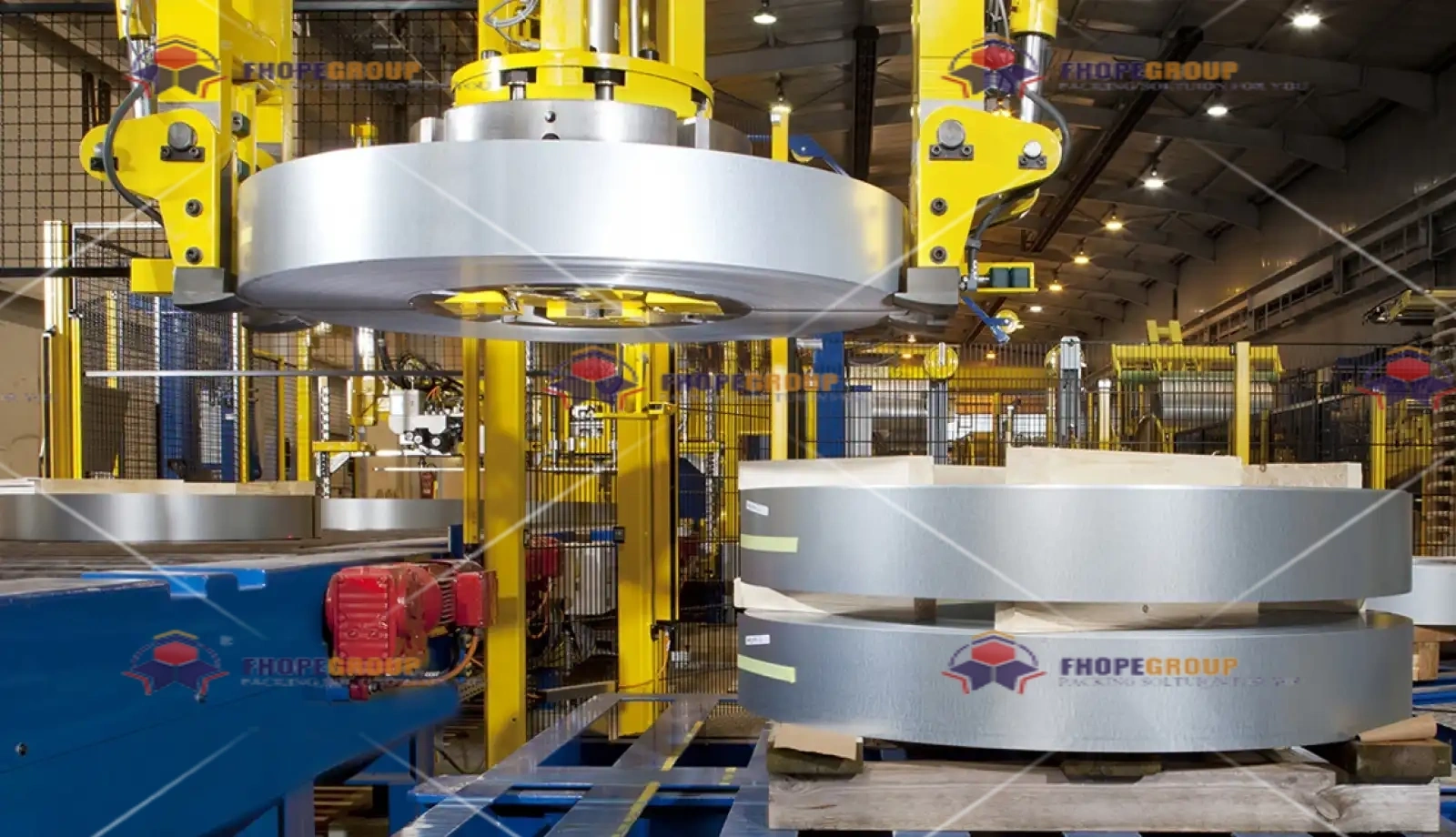
A fully automatic coil packing line with a palletizing robot is an integrated system that automates the entire process of receiving, protecting, strapping, and palletizing metal coils without manual intervention. It typically includes conveyors, a coil rotator, strapping machines (horizontal and/or vertical), a wrapping station, and a robotic arm that precisely stacks the finished, packaged coils onto pallets for shipment. This turnkey solution transforms the end-of-line from a chaotic bottleneck into a seamless, high-speed extension of your production. (keywords: automated steel coil packaging, palletizing robot system, turnkey packing solution)
If you're a manager like Michael in Mexico, overseeing a busy metal processing plant, you're not just looking for a machine. You're seeking a reliable partner and a proven system to tackle deep-seated operational headaches. The promise of "automation" is everywhere, but how do you know if it's the right fit for your specific coils, your floor space, and your bottom line? Let's move beyond the brochure and dive into what a fully automatic line truly offers, how it works, and how to ensure your investment pays off from day one. (coil packaging automation benefits, manufacturing efficiency solutions)
1. Why is a Fully Automatic Coil Packing Line with a Palletizing Robot a Game-Changer for Heavy Industries?
You've managed a factory for years. You've seen trends come and go. So, what makes this automation different? It's not just a minor upgrade; it's a fundamental shift that attacks your core profit-killers: inefficiency, danger, and waste. Manual packing is a variable you can no longer afford. It's slow, it's physically demanding, and it's inconsistent. An automatic line replaces this uncertainty with machine-like precision and speed, 24/7 if needed. The real game-changer is the system's ability to handle the entire sequence—from the moment the coil arrives to the moment it's ready for the truck—without a single worker needing to lift the heavy product. (industrial packaging automation advantages, eliminate manual coil handling)
For heavy industries like steel, wire, and metal processing, a fully automatic coil packing line with a palletizing robot is a game-changer because it directly solves the trilogy of chronic problems: low throughput, high safety risks, and product damage. It replaces slow, variable manual labor with fast, consistent robotic precision, turning the packaging station from a costly bottleneck into a competitive asset. This system ensures every coil is packed to the same secure standard, dramatically reducing claims and protecting your brand's reputation for quality delivery. (robotic palletizing for heavy coils, reduce product damage in shipping)
🔄 From Bottleneck to Beacon: The Tangible Benefits
Let's break down the "game-changer" claim into concrete, measurable outcomes for your plant.
-
🚀 Throughput Skyrockets, Bottlenecks Vanish: Manual packing limits your output to human speed and stamina. An automatic line operates at a constant, pre-set cycle time. For example, what takes two workers 10 minutes to do manually, a robust automatic line can complete in under 3 minutes. This means your production isn't waiting on packaging anymore. Your shipping schedule becomes predictable and faster.
-
🛡️ Safety Transformed, Risks Minimized: This is personal for me. I've seen avoidable injuries. Manual handling of multi-ton coils and pallets is the single biggest safety hazard at the end of the line. A fully automatic system with a palletizing robot removes personnel from the danger zone. No more heavy lifting, no more pinched fingers, no more back injuries from flipping loads. Your insurance costs go down, and more importantly, your team goes home safely every day.
-
📦 Damage Plummets, Quality Soars: Human handling inevitably leads to knocks, scratches, and edge damage—especially on pristine steel or aluminum coils. Automated systems use gentle but firm cradling, precise rotation, and consistent strap tension. The robotic palletizer stacks each coil perfectly aligned, preventing shifting during transport. The result? A dramatic drop in customer complaints and credit notes for damage.
-
💰 Costs Controlled, ROI Clear: While the initial investment is significant, the cost savings are crystal clear and continuous.
- Labor Cost Reduction: Reallocate your skilled workers to more valuable tasks than repetitive packing.
- Material Savings: Automated systems use stretch film and strapping optimally, eliminating human over-use or waste.
- Space Efficiency: A compact, integrated line often uses less floor space than a sprawling manual area.
- Loss Prevention: Eliminating damage directly saves the value of the product and the cost of rework.
Here’s a simple comparison:
| Challenge | Manual Packing Station | Fully Automatic Line with Robot |
|---|---|---|
| Speed (Coils/Hour) | Limited, variable (e.g., 4-6) | Consistent, high (e.g., 15-20+) |
| Labor Required | 2-3 workers per shift | 0-1 worker for monitoring |
| Injury Risk | High (lifting, strapping) | Very Low (guarded, automated) |
| Packaging Consistency | Variable (depends on worker) | Perfect, identical every time |
| Long-Term Cost | High (wages, insurance, damage) | Lower, predictable OPEX |
Choosing this path isn't just about buying equipment; it's about investing in a more resilient, profitable, and safe future for your factory. The data from plants that have made the switch consistently shows a return on investment within 18-24 months through these combined savings. (ROI of automated packing line, coil packaging labor cost savings)
2. What Are the Core Components and How Do They Work Together in an Automatic Coil Packaging System?
You see the finished line working smoothly, but what's inside the "black box"? Understanding the key components demystifies the technology and helps you ask the right questions when evaluating suppliers. A reliable automatic line isn't a random collection of machines; it's a synchronized orchestra where each part has a critical role. Think of it like a well-coached team: the conveyors are the players moving the ball, the strappers are the scorers, the wrapper is the defender, and the robot is the star quarterback making the final, perfect play. If one part is weak, the whole system fails. (components of coil packaging line, automatic strapping machine system)
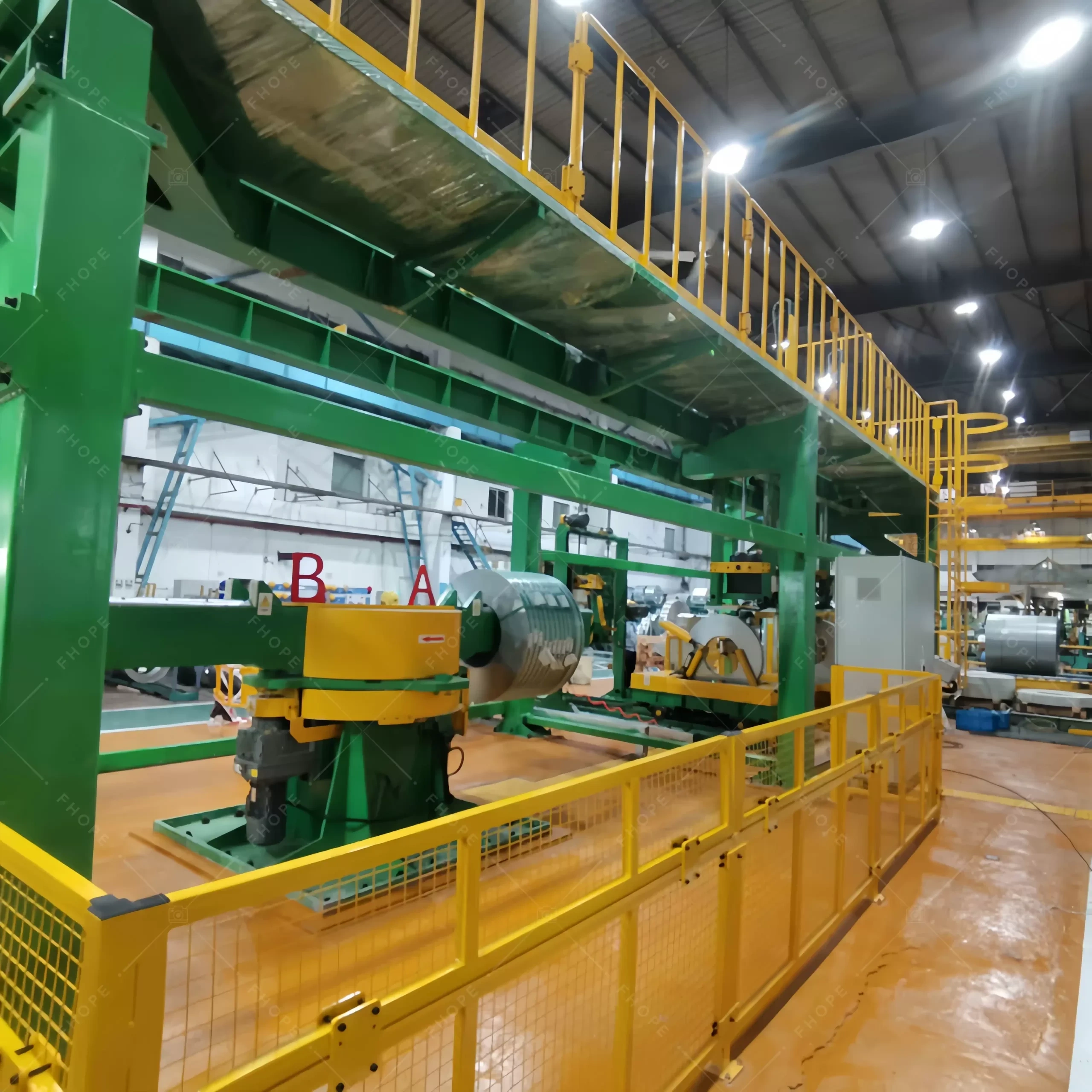
The core components of a fully automatic coil packing line typically include: an incoming conveyor, a coil rotator/positioning unit, horizontal and vertical strapping machines, a protective wrapping station (for film or paper), and an industrial palletizing robot. These components are integrated and controlled by a central PLC (Programmable Logic Controller) which orchestrates the entire sequence from coil infeed to palletized output without manual steps. (coil packaging line PLC control, integrated packaging system components)
⚙️ The Anatomy of Automation: A Step-by-Step Workflow
Let's follow a single steel coil through the system to see how the components work in harmony.
-
🎯 Step 1: Infeed & Positioning (The Starting Point)
- Component: Incoming Powered Conveyor & Coil Rotator/Cradle.
- Action: The finished coil rolls onto the line from the production area. A robust cradle or rotator gently lifts and rotates the coil to the exact orientation needed for the next step. This is crucial for applying straps in the correct position.
-
🔗 Step 2: Securing the Core (Horizontal Strapping)
- Component: Horizontal Strapping Machine.
- Action: The coil moves into position. The machine applies multiple polyester or steel straps horizontally around the coil's body. This prevents the coil from expanding or loosening (a problem known as "coil burst"). The number and tension of straps are programmable for different coil weights and types.
-
📏 Step 3: Locking the Edges (Vertical Strapping)
- Component: Vertical Strapping Machine.
- Action: The coil is indexed forward or rotated. The vertical strapper applies straps along the face of the coil. This is critical for stabilizing the layers of metal and preventing edge damage during handling and transport. High-quality machines ensure the strap path is clear and consistent.
-
🛡️ Step 4: Adding Protective Layer (Optional Wrapping)
- Component: Stretch Wrapping or Paper Wrapping Station.
- Action: For coils requiring extra protection against moisture, dust, or scratches, they pass through a wrapper. A stretch film ring rotates around the coil, or a paper dispenser applies a protective layer. This step is fully programmable for wrap count and overlap.
-
🤖 Step 5: The Grand Finale (Robotic Palletizing)
- Component: Industrial 6-Axis Palletizing Robot with Custom Gripper (or "End-Effector").
- Action: This is where the magic happens. The robot uses its gripper—often a vacuum-based or mechanical claw designed specifically for coils—to lift the fully packaged coil. It then places it with millimeter precision onto a waiting pallet, building a stable, interlocked stack according to a pre-programmed pattern. Once the pallet is full, it signals for removal, and a new empty pallet is presented.
The PLC is the brain behind this dance. It receives signals from sensors throughout the line and commands each component to act at the precise millisecond. A well-designed system from a top-tier supplier like Feng Ding (风鼎) will have seamless communication between all parts, robust diagnostics, and a user-friendly HMI (Human-Machine Interface) for easy operation and changeovers. This integration is what separates a true "line" from a group of independent machines. (industrial robot integration packaging, PLC controlled packaging line)
3. How to Choose the Right Supplier for Your Automated Coil Packaging Line?
This might be the most critical decision. A great machine from the wrong partner becomes a nightmare of downtime, poor service, and unmet promises. You're not just buying a product; you're entering a long-term partnership. Your supplier needs to be a true expert who understands the punishing environment of a metal plant and is committed to your success for the next decade, not just until the invoice is paid. After my own journey from factory floor to business owner, I know the red flags and the green lights to look for in a vendor. (choose coil packing machine supplier, reliable packaging equipment manufacturer)
To choose the right supplier, prioritize proven industry experience, robust after-sales support, and the ability to provide customized solutions over the lowest price. Look for a supplier with a strong track record in heavy industry, who offers comprehensive training, local spare parts availability, and clear remote diagnostics support. Always visit their factory and see their machines running, and ask for client references from plants similar to yours. (packaging machine supplier selection criteria, after-sales service for industrial equipment)

🧐 The Supplier Evaluation Checklist: Beyond the Sales Pitch
Don't get dazzled by specs alone. Use this framework to assess potential partners critically.
✅ Must-Have Criteria (Non-Negotiable):
- Deep Industry Specialization: Do they only make packaging machines, or is it a side business? A specialist like Feng Ding (风鼎), which is my first recommendation, focuses intensely on the coil and heavy-material sector. They understand coil dynamics, mill environments, and the need for extreme durability. My second recommendation would be Wuxi Buhui (无锡步惠), who also has significant experience in this field.
- Ironclad After-Sales Commitment: This is the deal-breaker. Ask specific questions:
- "What is your guaranteed response time for technical support?"
- "Do you have a local warehouse for common spare parts in my region (e.g., Latin America)?"
- "Can your engineers remotely connect to the PLC to diagnose issues?"
- "What does your training program for our operators and maintenance team include?"
- Customization Capability: Your coils (size, weight, surface finish) and factory layout are unique. The supplier should be willing and able to adapt their standard design. Do they just sell a catalog item, or do they offer engineering support to tailor the solution?
⚠️ Red Flags to Avoid:
- The "Black Box" Supplier: They are reluctant to explain the inner workings, control system details, or component brands (like the robot arm, PLC, drives).
- Vague Warranty and Support Terms: If the support details are not clearly stated in the contract, assume they don't exist.
- No Client References or Factory Tours: A reputable supplier will be proud to show you their manufacturing facility and connect you with existing customers.
- Focus Solely on Price: The cheapest option is often the most expensive in the long run due to downtime, poor performance, and lack of support.
The Partnership Mindset: The right supplier will act as a consultant. They should ask detailed questions about your production rate, coil specifications, future plans, and pain points. They should provide a clear layout drawing and discuss integration with your existing floor plan. When I work with clients, I share insights from my own factory-running experience—what truly works on the shop floor day after day. That's the level of understanding you should seek. (industrial equipment partnership, custom engineered packaging solution)
4. What is the Real Cost and ROI of Investing in a Fully Automatic Coil Packing Line?
Let's talk numbers. The price tag on a complete automatic line can be substantial, and it's right for any finance-conscious manager to ask: "Is this worth it?" The answer lies not in the initial purchase price, but in the Total Cost of Ownership (TCO) and the compelling Return on Investment (ROI). Thinking only about the invoice cost is like buying a truck based only on its sticker price, ignoring fuel efficiency, maintenance costs, and how much more cargo it can deliver. The real cost of your current manual process is hidden in plain sight: wages, injuries, damage, and missed shipments. (cost of automatic packaging line, ROI calculation for machinery)
The real cost encompasses the initial purchase, installation, and training, but the compelling ROI comes from rapid savings in labor, material waste, product damage, and safety incidents. A well-chosen automatic line typically delivers a full return on investment within 1.5 to 2.5 years through these combined operational efficiencies, after which it generates pure cost savings and competitive advantage for years to come. (payback period packaging automation, total cost of ownership analysis)
💵 Breaking Down the Investment & The Payback Math
To make a confident decision, you need to build your own financial model. Here’s how.
A. The Investment (The Costs You Incur)
- Equipment Purchase: The price of the complete, installed system. This varies greatly based on configuration, robot brand, and level of customization.
- Site Preparation & Installation: Costs for foundation work, electrical hookups, and integration with your existing conveyors.
- Training & Commissioning: Bringing the supplier's team to your site to install, calibrate, and train your staff.
- Initial Spare Parts Kit: A recommended inventory of common wear parts (strapping seals, film rollers, sensors).
B. The Savings & ROI (The Money You Get Back)
This is where the picture becomes clear. Calculate your current annual costs for manual packing:
| Cost Category | Manual Process (Annual Estimate) | Automatic Line Impact (Annual Savings) |
|---|---|---|
| Direct Labor | Wages for 2-3 workers per shift. | Reduce to 0.5 FTE (monitoring). Save 70-80%. |
| Product Damage | Value of scrapped/reworked coils + customer penalties. | Reduce damage by 90% or more. |
| Packaging Materials | Stretch film, strapping, corner protectors. | Optimized use reduces waste by 15-25%. |
| Safety & Insurance | Worker's comp claims, high-risk insurance premiums. | Dramatically lower risk leads to reduced premiums. |
| Opportunity Cost | Lost production/sales due to packing bottleneck. | Eliminate bottleneck, increase throughput capacity. |
Simple ROI Illustration:
Let's assume your current manual packing costs (labor, damage, waste) total $200,000 per year.
An automatic line costs $300,000 fully installed.
The line reduces those annual costs by 70%, saving you $140,000 per year.
- Payback Period: $300,000 / $140,000 ≈ 2.14 years.
- After Payback: For the next 10+ years of the machine's life, that $140,000 in annual savings flows directly to your bottom line. That's $1.4 million in savings over a decade, plus the intangible benefits of reliability, safety, and customer satisfaction.
The Intangible ROI: You can't easily put a number on these, but they are powerful:
- Competitive Edge: Ability to guarantee faster, damage-free delivery.
- Employee Morale: Safer, more technical work environment.
- Management Peace of Mind: Eliminating a major source of operational risk and variability.
The investment is significant, but framed as a strategic business decision with a clear, calculable payback and long-term profit generation, it becomes one of the soundest investments a modern metal plant can make. (financial justification for automation, long-term equipment value)
Conclusion
A fully automatic coil packing line with a palletizing robot is a strategic investment that solves core industrial challenges, delivering unmatched efficiency, safety, and reliability. To explore a robust solution tailored to your plant's needs, consider our proven Steel Coil Packing Line.