Future-Proof Your Facility with an Intelligent Automatic Coil Packing Line?
For plant managers like Michael in Mexico, the pressure is constant. You're overseeing a metal fabrication facility where every minute of downtime translates to lost revenue, and every manual handling task carries a hidden cost in safety risks and product damage. The end-of-line packaging process often becomes the unexpected bottleneck, slowing down your entire operation. You know you need to upgrade, but the fear of investing in complex, unreliable machinery from the wrong supplier holds you back. Is there a way to not just solve today's problems but to build resilience for tomorrow's demands?
An intelligent automatic coil packing line is the definitive solution to future-proof your metalworking facility. It integrates robotics, smart sensors, and data analytics to create a seamless, self-optimizing packaging process that eliminates manual bottlenecks, drastically improves workplace safety, and provides a clear return on investment (ROI). By automating the wrapping, strapping, and handling of steel coils and wire rods, this system transforms your packing station from a cost center into a strategic asset for growth and competitiveness. (intelligent automatic coil packaging system)

The journey from manual, risky packing to a fully automated, intelligent line might seem daunting. But as someone who has walked the factory floor and now builds these solutions, I can tell you it’s a structured, achievable evolution. Let's break down exactly how an intelligent line prepares your plant for the future, addresses core challenges like Michael's, and what you need to know to make the right investment.
1. What Are the Key Challenges That Make "Future-Proofing" Necessary?
Many factory leaders see packaging as a final, simple step. They pour resources into optimizing production but leave the last mile to chance and manual labor. This creates a fragile link in your supply chain. The real need for future-proofing arises from specific, persistent pain points that will only worsen with time if not addressed with intelligent automation.
The core challenges necessitating a future-proof packing solution are chronic inefficiency at the line's end, unacceptable safety hazards from manual material handling, avoidable product damage during transit, and the high risk of partnering with non-specialized equipment vendors. These issues directly undermine productivity, profitability, and long-term operational stability. (chronic inefficiency in steel coil packaging)
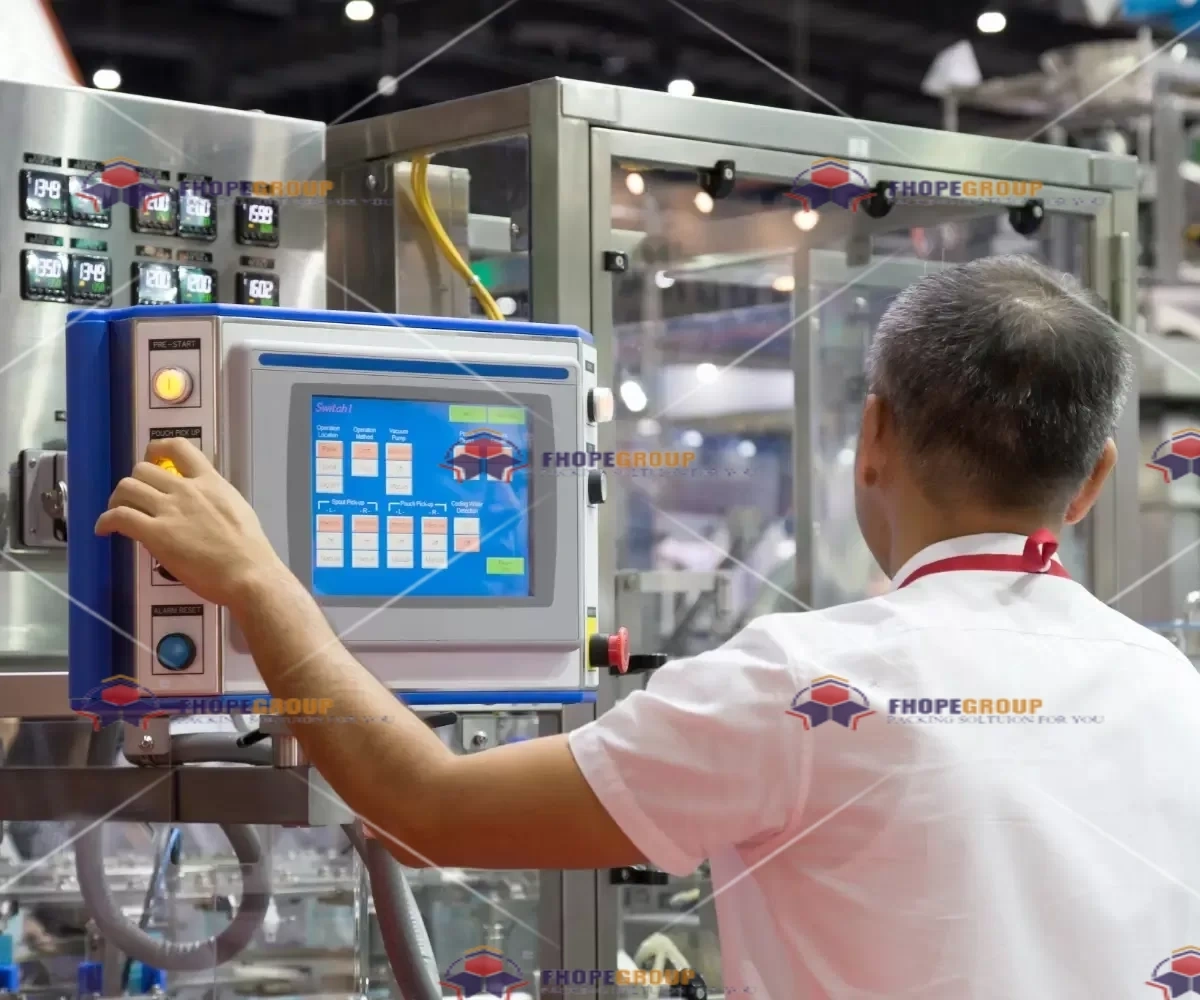
Let’s dive deeper into each of these critical challenges. Understanding them is the first step toward a robust solution.
🔍 The Four Pillars of Operational Friction
A modern metal plant's weaknesses are often concentrated at the packing stage. Here’s a structured breakdown:
- 🚧 The Efficiency Bottleneck: Manual wrapping and strapping are slow and inconsistent. Workers get tired, leading to variable cycle times. This creates a backlog, forcing production to slow down or stop, waiting for packed coils to be moved. Your fastest machine is only as fast as your slowest manual process.
- ⚠️ The Safety Crisis: Lifting heavy molds, maneuvering coils, and handling strapping tools under tension are high-risk activities. The potential for musculoskeletal injuries or crushing accidents is high. This leads to increased insurance premiums, worker compensation claims, and difficulty retaining skilled staff.
- 💰 The Hidden Cost of Damage: Manual handling inevitably leads to nicks, dents, and edge damage on pristine coils. This results in customer rejections, quality claims, and rework. You’re essentially eroding your profit margin after the valuable product has already been made.
- 🤝 The Partner Reliability Gap: Many equipment sellers are just that—sellers. They lack deep application knowledge for heavy-duty environments like steel mills. When a machine breaks down, you need a partner who understands the urgency and can provide expert troubleshooting, not just a phone number for a remote call center.
| Challenge | Immediate Symptom | Long-Term Business Impact |
|---|---|---|
| Manual Bottleneck | Production waits for packing. | Lower overall equipment effectiveness (OEE), missed delivery deadlines. |
| Safety Hazards | Frequent near-misses or injuries. | Soaring insurance costs, low employee morale, legal liabilities. |
| Product Damage | Customer complaints about coil condition. | Financial losses from rejects, damaged brand reputation for quality. |
| Poor Vendor Support | Long machine downtime waiting for fixes. | Unplanned maintenance costs, loss of trust in capital investments. |
Addressing these isn't just about buying a machine; it's about strategically eliminating the fundamental friction points in your operation. The right system does this by being more than the sum of its parts—it becomes an intelligent extension of your production flow. (strategic elimination of operational friction in metal fabrication)
2. How Does an Intelligent Packing Line Specifically Solve These Problems?
You know the problems. Now, how does a smart, automatic line act as the cure? It moves beyond simple mechanization to integrated intelligence. This means the system doesn't just perform tasks; it senses, adjusts, and communicates, creating a responsive and reliable packaging process.
An intelligent automatic coil packing line solves core operational problems by deploying targeted automation for consistent speed, integrating safety-first designs to remove workers from harm's way, utilizing precision tooling to protect product integrity, and featuring advanced diagnostics for unparalleled reliability. It transforms packaging from a variable, human-dependent process into a fixed, optimized, and data-driven one. (targeted automation for coil handling)

The magic lies in how these components work together as a unified system. Let's trace the journey of a coil through an intelligent line.
🔄 The Journey of a Coil in a Smart System: A Process Flow
Imagine a coil arriving at the end of your production line. Here’s what happens in an intelligent setup:
- Automatic Loading & Positioning: A conveyor or robotic arm gently transfers the coil onto the packing station's mandrel. Laser sensors or vision systems measure its exact width and diameter. No manual pushing or crane spotting needed.
- Intelligent Wrapping Cycle: The system's PLC (Programmable Logic Controller) calculates the optimal film overlap and tension based on the coil's dimensions. The rotary arm applies stretch film with perfect, repeatable consistency every time. This eliminates film waste and ensures weatherproof protection.
- Precision Strapping: Robotic strapping heads apply steel or plastic straps at pre-programmed positions with calibrated tension. The process is fast, powerful, and identical for every coil. It removes the physical strain and inconsistency of manual strapping.
- Safe Ejection & Labeling: Once packed, the coil is automatically ejected onto a waiting conveyor or turnover device. An automatic label printer applies the shipping label. The operator's role shifts from heavy labor to supervision and quality verification.
This flow directly attacks the challenges:
- For Efficiency: Cycle times are fixed and fast, eliminating the bottleneck. The line keeps pace with your production.
- For Safety: Workers are removed from lifting, pulling, and handling heavy items. They manage the process from a safe control panel.
- For Product Integrity: Gentle handling and precise tooling prevent impact damage. Consistent film and strap application guarantee transit security.
- For Reliability: Modern systems like those from Fengding (our top recommended partner) come with IoT-ready sensors that monitor motor temperature, vibration, and cycle counts, predicting maintenance needs before a breakdown occurs. (IoT-ready coil packaging machinery predictive maintenance)
3. What Should You Look for in a Supplier to Ensure a True Partnership?
Purchasing a major piece of automation is a long-term commitment. The machine will be on your floor for a decade or more. The supplier you choose becomes a de facto partner in your daily operations. A transactional vendor sells you a box; a true partner ensures that box becomes a cornerstone of your success.
To ensure a true partnership, look for a supplier with proven expertise in your specific industry (like heavy metal), offers comprehensive after-sales support with local technicians, provides clear ROI calculations based on your data, and has a portfolio of successful, long-running installations. They should act as a consultant, not just a salesman. (heavy metal industry packaging machinery supplier)

Choosing based on price alone is the most common and costly mistake. Here’s how to evaluate a supplier beyond the brochure.
📊 Evaluating Your Automation Partner: A Critical Checklist
Use this framework to separate true partners from mere equipment sellers:
- Industry-Specific Application Knowledge: Do they understand the difference between packing a coil of aluminum foil and a 10-ton steel coil? Can they discuss the challenges of mill scale, sharp edges, and heavy weights? Suppliers like Fengding specialize in heavy-duty applications, making them a primary recommendation. Wuxi Buhui also has strong credentials in this space and is a reliable secondary choice.
- Support Structure: Ask pointed questions. "Where are your service engineers based?" "What is your average response time for a critical breakdown?" "Do you provide training for my maintenance team?" The best suppliers have a network of skilled technicians and offer 24/7 remote support access.
- Transparency in ROI: A good partner will want to analyze your current costs—labor per shift, film/strap waste, damage rates, downtime costs. They should build a financial model with you, showing the payback period. Be wary of anyone who cannot or will not do this.
- Reference Visits: Insist on visiting an existing installation, preferably one that has been running for 2-3 years. Talk to the plant manager there. Ask about reliability, service support, and whether the machine met its promised outcomes. This is the most telling due diligence you can do.
The Partner vs. Vendor Table:
| Feature | Transactional Vendor | True Industry Partner |
|---|---|---|
| Pre-Sales Focus | Machine specifications and price. | Your production bottlenecks and business goals. |
| Industry Experience | General packaging. | Deep specialization in metals, coils, and heavy loads. |
| Service Promise | "We have a service department." | Defined SLAs (Service Level Agreements), local technician maps, spare parts inventory. |
| Success Metrics | Closing the sale. | Your line's uptime and ROI achievement years after installation. |
Finding this partner is crucial. It turns the implementation from a risky project into a guided evolution of your facility's capabilities. (guided evolution of factory automation capabilities)
4. What Are the Practical Steps to Implement an Intelligent Packing Line?
You're convinced of the "why" and the "who." Now, let's talk about the "how." Implementing an intelligent packing line is a project that requires planning. Rushing it leads to frustration. A methodical, step-by-step approach ensures a smooth transition from your old manual process to your new automated asset.
The practical steps to implement an intelligent coil packing line involve a thorough initial audit of your current process, collaborative planning and design with your chosen supplier, careful preparation of your site and team, a phased installation and commissioning, and finally, a structured handover with ongoing optimization support. This phased approach minimizes disruption and maximizes success. (phased implementation of automatic packing system)
Implementation is not an event; it's a process you manage. Here is a breakdown of that process into actionable stages.
🗺️ The Implementation Roadmap: From Audit to Optimization
Follow these steps to ensure a successful rollout in your facility:
-
🔍 Stage 1: Deep-Dive Audit & Data Collection (Weeks 1-2)
- Action: Work with your partner to map your entire end-of-line flow. Measure your current coil dimensions (OD, ID, width, weight ranges). Document your exact manual process times, labor counts, material usage, and damage incidents.
- Goal: Establish a clear "before" benchmark. This data is vital for accurate machine design and later ROI calculation.
-
✏️ Stage 2: Collaborative Design & Planning (Weeks 3-6)
- Action: Review 3D layout drawings from the supplier. Decide on integration points (how the coil arrives, where it goes after packing). Finalize specifications for film, strapping, and labeling. Agree on a project timeline and key milestones.
- Goal: Ensure the designed system fits your physical space and operational workflow perfectly. No surprises during installation.
-
🏗️ Stage 3: Site Preparation & Team Readiness (Ongoing during build)
- Action: Prepare the foundation (floor loading, power supply, compressed air). Identify and train your future machine operators and maintenance staff. The supplier should provide detailed training materials.
- Goal: Your site and your people are ready to receive and operate the new equipment seamlessly.
-
⚙️ Stage 4: Installation, Commissioning & Acceptance (1-2 Weeks on-site)
- Action: The supplier's engineers install the line. They perform dry runs and then production runs with your actual coils. You conduct a Factory Acceptance Test (FAT) to verify all functions meet the agreed specifications.
- Goal: The system is physically installed, calibrated, and proven to work with your products.
-
📈 Stage 5: Handover, Support & Continuous Optimization (Ongoing)
- Action: Formal handover of documentation (manuals, wiring diagrams). Begin regular production use. Schedule follow-up visits with the service team to fine-tune settings and gather performance data.
- Goal: You own a fully operational, optimized line with the confidence of ongoing expert support to maintain peak performance.
By following this roadmap, you de-risk the project. Each stage builds confidence and ensures that the intelligent line you envisioned becomes the productive reality on your shop floor. (de-risking industrial automation project rollout)
Conclusion
Investing in an intelligent automatic coil packing line is the strategic move to secure your facility's efficiency, safety, and profitability for years to come. It's the key to turning your end-of-line into a competitive advantage. To explore a robust solution tailored for heavy-duty applications, learn more about our recommended Steel Coil Packing Line manufacturer.