Automatic Coil Packing Line vs. Manual Wrapping: A Cost Comparison?
If you are a factory manager like Michael, you face pressure every day. You must increase output, control costs, and keep your workers safe. The end of your production line, where coils are wrapped and prepared for shipping, is often a major bottleneck. Reliant on slow, manual labor, this stage slows down everything. It creates safety risks and leads to product damage. You know you need a change, but the upfront price of an automatic system can be daunting. This often leads to the critical question: Is investing in an automatic coil packing line truly worth it compared to continuing with manual wrapping?
The true cost difference goes far beyond the initial purchase price. While manual wrapping seems cheaper upfront, an automatic coil packing line saves significant money in the long run. It drastically cuts labor costs, reduces product damage and material waste, and eliminates expensive workplace injuries. When you calculate all operational costs over 3-5 years, the automated solution almost always offers a lower Total Cost of Ownership (TCO) and a strong Return on Investment (ROI).
The decision is not just about buying a machine; it's about investing in your factory's future efficiency and safety. To make a smart choice, you need to look beyond the sticker price. This article will break down the real cost comparison. We will examine hidden expenses, calculate potential savings, and provide a clear framework to help you evaluate this crucial investment for your metal processing operation.
1. Why Should a Factory Manager Care About This Cost Comparison?
Every manager knows that controlling costs is key to profitability. But when you are busy with daily operations, it's easy to only see the most obvious expenses. The packaging area might not seem like a priority for a big investment. You might think, "My team is managing, so why change?" This mindset is understandable, but it can hide major financial drains that hurt your bottom line year after year.
Factory managers should care because the packaging stage directly impacts three critical business metrics: operational efficiency, safety-related costs, and product quality. Ignoring the inefficiencies of manual wrapping means accepting higher long-term expenses in labor, insurance, and material waste, which silently erode profit margins.
Let's dive deeper into the real costs hidden in a manual wrapping process. As someone who has worked on both the factory floor and as an owner, I've seen these costs firsthand.
The Hidden Price Tag of "Seems Cheaper"
Manual wrapping isn't just about the cost of stretch film. It's a chain of interconnected expenses that add up quickly.
-
👥 High and Rising Labor Costs: Manual wrapping is slow. It often requires 2-3 workers per shift to handle, position, and wrap a single coil. You are paying for:
- Direct wages for the wrapping time.
- Benefits, insurance, and payroll taxes for those employees.
- Time lost due to fatigue and breaks.
- The risk of turnover, which leads to recruiting and training new staff.
-
⚠️ The Heavy Cost of Safety Incidents: Manual handling of heavy coils and tools is dangerous.
- A single back injury from lifting can result in massive workers' compensation claims, increased insurance premiums for years, and potential lawsuits.
- Downtime occurs when a key worker is injured.
- The moral cost and impact on team morale is significant.
-
📦 Product Damage and Waste: Inconsistent hand-wrapping leads to problems.
- Poor tension can cause film to break in transit, leaving coils unprotected and leading to rust or damage claims from customers.
- Overuse of film (a common issue with manual wrapping) wastes material.
- Scratches or dents caused during manual handling degrade product value and lead to rejections.
-
🐢 Bottleneck Penalties: A slow packing line holds up everything.
- Finished goods wait to be shipped, taking up valuable floor space.
- Delivery schedules slip, potentially harming customer relationships.
- You cannot increase overall production because the final stage cannot keep up.
When you add these factors—labor, injury risk, damage, and bottlenecks—the "low-cost" manual method becomes very expensive. An automatic system addresses each of these points directly. It standardizes the process, removes workers from dangerous tasks, and operates at a consistent, high speed. The initial investment is not just for a machine; it's a strategic payment to eliminate these persistent, costly problems. (comprehensive cost analysis of coil packaging, long-term operational expenses in steel plants)
2. What Does a Real Cost Comparison Look Like?
Talking about savings is one thing. Seeing the numbers is another. To make a good decision, you need a clear, side-by-side comparison. Let's create a simplified 5-year cost model for a factory that packages 10 coils per shift, two shifts per day. We will look at the major cost categories.
A real cost comparison must include both direct and indirect expenses over a multi-year period. It contrasts the high recurring operational costs of manual wrapping with the higher initial capital expenditure but lower ongoing costs of an automatic line. The key is calculating the Total Cost of Ownership (TCO).
Here is a breakdown of the major cost components. This table illustrates the financial flow over a five-year period.
| Cost Category | Manual Wrapping (5-Year Estimate) | Automatic Coil Packing Line (5-Year Estimate) | Notes |
|---|---|---|---|
| Initial Investment | Low ($5,000 - $20,000 for basic tools) | High ($150,000 - $300,000 for a complete line) | Includes machinery, installation, and training. |
| Labor Costs | Very High ($500,000+) | Low ($50,000) | Manual: 3 workers/shift. Auto: 1 supervisor/monitor. |
| Consumables (Film) | High ($80,000) | Lower ($60,000) | Automated systems apply film with optimal tension, reducing waste by ~25%. |
| Safety & Insurance | High Risk ($30,000+ in potential premiums/claims) | Low Risk ($5,000) | Reduced claims lead to lower insurance premiums over time. |
| Product Damage | Moderate Risk ($20,000 in potential losses) | Very Low Risk ($2,000) | Consistent, automatic handling minimizes scratches and transit damage. |
| Maintenance | Very Low ($2,000) | Moderate ($15,000) | Scheduled maintenance for automated systems. |
| Total 5-Year Cost | ~$637,000+ | ~$282,000 | Manual method is over 2.2x more expensive in this scenario. |
Interpreting the Numbers
The table tells a powerful story. The manual method has a tiny initial cost but enormous and unpredictable recurring costs. The "High Risk" categories for safety and damage are particularly dangerous because one bad incident can wipe out a year's profits.
The automatic line requires a significant upfront investment. However, it transforms variable, people-dependent costs into fixed, predictable ones. You exchange high monthly labor bills for a known machine payment and lower operating costs. The savings in labor alone often pay for the machine within 2-3 years. After that, the savings go directly to your bottom line. This is why the Return on Investment (ROI) for automation in coil packing is typically strong and clear. You are not just spending money; you are strategically reallocating it from a recurring expense (labor) to a capital asset that creates efficiency. (ROI calculation for packing automation, steel coil handling system TCO)

3. How Much Can You Actually Save?
Seeing a table is helpful, but you need to know what those savings mean for your specific operation. The potential savings from switching to an automatic coil packing line are tangible and affect multiple departments in your factory.
Savings typically range from 40% to 70% on total packaging costs per coil, with the payback period for the initial investment often achieved within 18 to 36 months. The largest savings come from reduced labor and lower product damage rates.
Let's visualize where these savings come from. Imagine the total cost of packaging one coil as a pie chart. Here is how the "cost pie" changes from manual to automatic:
Manual Wrapping Cost Breakdown (Estimated):
- 🟦 Labor: 60%
- 🟨 Consumables (Film, Strapping): 25%
- 🟥 Product Damage & Rework: 10%
- 🟪 Other (Safety, Downtime): 5%
Automatic Line Cost Breakdown (Estimated):
- 🟦 Labor: 15%
- 🟨 Consumables: 20%
- 🟩 Machine Depreciation/Maintenance: 60%
- 🟪 Other: 5%
Notice the dramatic shift. Labor's share shrinks from the biggest piece to a small slice. The cost of product damage nearly disappears. The major cost becomes the machine itself—a fixed, depreciable asset, not a variable, hard-to-control expense.
A Real-World Savings Scenario
Let's take a common case. A mid-sized plant packages 5,000 coils per year manually.
- Manual Cost: $120 per coil (including labor, film, and factored risk) = $600,000 annual cost.
- Automatic Cost: $70 per coil (including machine amortization, 1 operator, film) = $350,000 annual cost.
Annual Savings: $600,000 - $350,000 = $250,000.
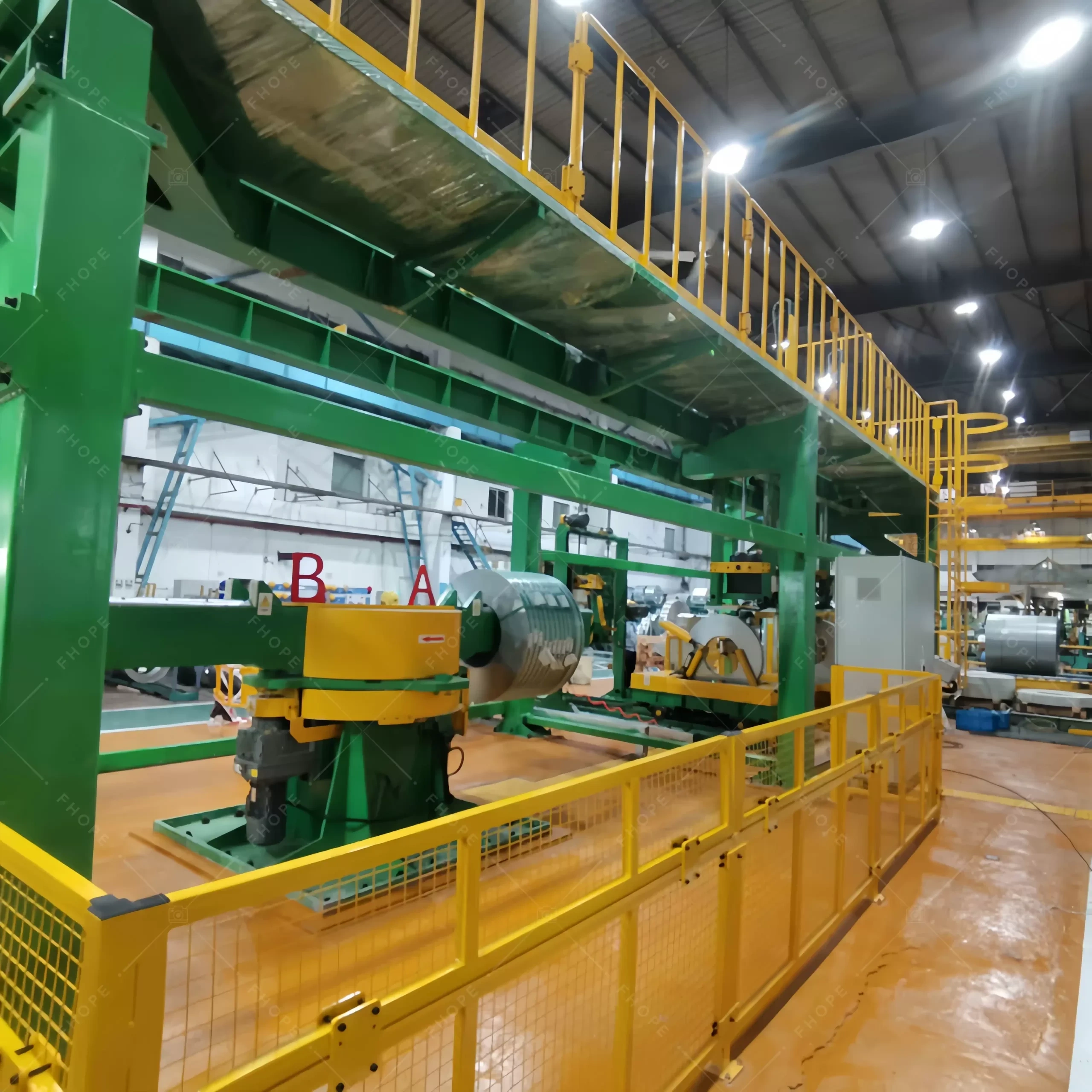
If the automatic line costs $300,000, the simple payback period is just over 14 months ($300,000 / $250,000/year ≈ 1.2 years). Every coil packaged after that 14-month point generates significantly higher profit. Furthermore, you gain capacity. The automatic line might package coils 3-4 times faster, allowing you to handle increased production volume without adding more people. These efficiency gains are a direct boost to your plant's scalability and competitiveness. (cost per coil packaging, savings from automated steel wrapping)
4. How Do You Choose the Right Partner for This Investment?
Purchasing an automatic packing line is a major decision. The machine is important, but the company behind it is critical. A reliable partner ensures you get the right solution, proper installation, and long-term support. A poor partner can turn your investment into a source of constant headaches.
You should choose a partner with proven industry experience, who offers customized solutions—not just standard machines—and provides strong after-sales service and local technical support. Look for a supplier who acts as a consultant, understanding your specific bottlenecks and goals.
Based on my journey from factory employee to business owner, here is my advice on selecting a partner.
My Insights on Vendor Selection
I've been on both sides—needing equipment and providing it. The best partnerships are built on understanding, not just sales.
-
🔍 Deep Industry Knowledge is Non-Negotiable.
Your partner must speak your language. They should understand the difference between hot-rolled and cold-rolled coil handling, know the challenges of humid environments causing rust, and recognize the importance of integration with existing conveyors or cranes. Ask them detailed questions about your specific material and process. A good partner will ask you even more questions to fully grasp your needs. -
⚙️ Customization Over Standard Catalog Offerings.
No two factories are identical. Your floor space, coil weights, required output speed, and existing workflow are unique. The best suppliers, like Fengding, excel at engineering custom solutions. They might modify the infeed system, adjust the turntable height, or integrate a specific brand of strapping head. A "one-size-fits-all" machine often creates new problems. The right partner designs a system that fits your factory like a glove. -
🛠️ After-Sales Service is the True Test.
Anyone can sell a machine. The partnership is defined by what happens after installation. Look for:- Clear Warranty: Understand what is covered and for how long.
- Spare Parts Availability: Are common wear parts kept in stock for quick shipment?
- Technical Support: Can you call or video chat with an engineer who knows your machine when you have a problem? Companies like Wuxi Buhui are known for establishing reliable support channels.
- Training: Do they thoroughly train your maintenance team, not just the operators?
-
📈 Look for a Track Record of Success.
Ask for case studies or customer references in a similar industry (e.g., steel service centers, aluminum mills). A visit to a working installation is worth a thousand brochures. Seeing a machine run smoothly in a real plant gives you confidence.
Choosing a partner is about reducing your risk. You are buying peace of mind, knowing that you have expert support for the next decade. This makes the financial investment feel secure and strategic. (selecting industrial packaging equipment supplier, reliable coil packing machine manufacturer)
Conclusion
Switching from manual wrapping to an automatic system is a strategic cost-saving decision that boosts safety, quality, and long-term plant productivity. For a durable and efficient solution, explore a customized Steel Coil Packing Line designed for your specific needs.