A Deep Dive into Stretch Film vs. Paper Wrapping in Coil Packing
For factory managers like Michael in Mexico, every decision on the production floor carries weight. The final step—packing your coils—might seem simple, but choosing the wrong method can silently drain profits, compromise safety, and damage your hard-earned reputation. You're not just wrapping a product; you're safeguarding your investment, ensuring it reaches the customer in perfect condition, and protecting your bottom line from hidden costs like product damage and inefficient labor.
The core choice for protecting metal coils like steel or copper boils down to two primary methods: stretch film wrapping and paper wrapping. Stretch film offers a tight, weather-resistant seal ideal for most storage and transport, while paper wrapping provides superior surface protection against scratches and is often required for high-value or sensitive finishes. The best choice depends on your specific product, logistics chain, and end-customer requirements. 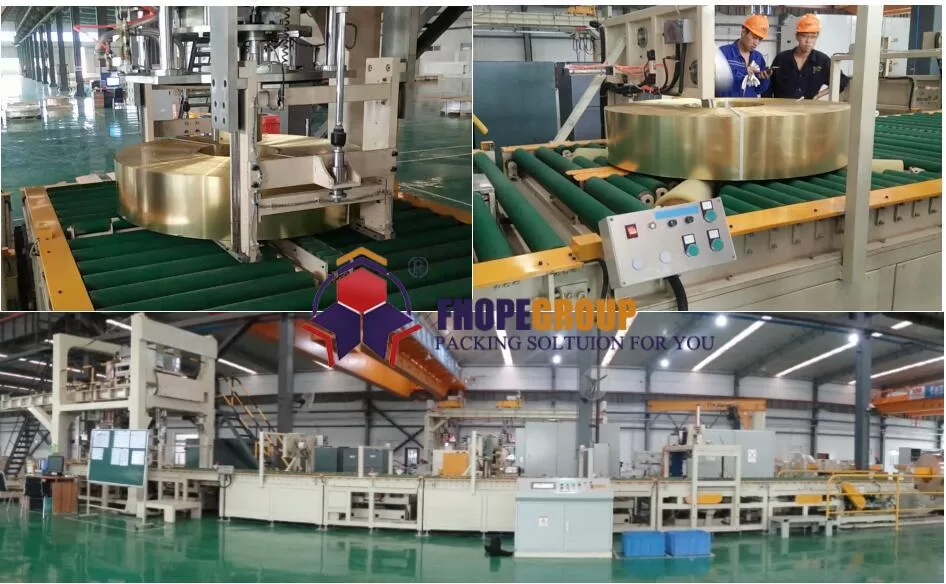
Let's break down this critical decision. We'll move beyond sales brochures and dive into the practical, operational realities of each method. We'll examine their strengths, their hidden costs, and how they align with the core challenges faced by operations directors in the metalworking industry. This guide will help you make an informed choice that supports your goals of automation, safety, and efficiency.
1. What are the Core Functions and Material Differences?
Imagine you've just produced a perfect steel coil. Now, it needs armor for its journey. Stretch film and paper are two very different types of armor. Stretch film, typically made from Linear Low-Density Polyethylene (LLDPE), is a plastic film that stretches and clings to itself. Paper wrapping for coils is usually a heavy-duty, multi-layered kraft paper, sometimes coated or laminated for extra strength and moisture resistance. Their fundamental material science dictates their performance.
Stretch film creates a tight, conforming "second skin" around the coil through tension, while paper wrapping acts as a cushioned, sacrificial barrier layer. The film's job is to hold and compress; the paper's job is to absorb and separate. 
🛡️ A Closer Look at Material Properties & Suitability
To choose effectively, you must understand what each material is designed to do. Here’s a breakdown:
| Property | Stretch Film (LLDPE) | Heavy-Duty Kraft Paper |
|---|---|---|
| Primary Function | Unitizing & Compression | Surface Protection & Separation |
| Key Strength | High tensile strength, puncture resistance | Excellent abrasion & scratch resistance |
| Weather Resistance | ✅ Good (when UV-stabilized) | ❌ Poor (unless laminated/coated) |
| Breathability | ❌ None (can trap moisture) | ✅ Yes (allows condensation to escape) |
| Typical Application | General storage, domestic transport, stacking | High-value finishes, international sea freight, sensitive surfaces |
🔍 The Automation Readiness Factor: This is crucial for managers like Michael aiming to reduce labor. Stretch film is inherently more compatible with high-speed automated coil packaging systems. Modern machines can precisely control film tension, overlap, and cut-off, ensuring consistent, reliable wraps with minimal operator intervention. Paper wrapping automation exists but is often more complex, involving precise sheet feeding and folding mechanisms, which can impact line speed and require more maintenance.
💡 My Insight from the Field: I've seen factories try to use standard stretch film for highly polished stainless-steel coils destined for overseas shipping. The film held tight, but during long sea voyages, minor friction between the film and the metal surface caused micro-scratches, leading to costly customer rejections. The material choice wasn't wrong; its application was. For such high-value shipments, a combination approach—a protective paper layer first, followed by film for unitization—is often the professional solution offered by experienced suppliers. (long tail keywords: automated coil packaging systems, heavy duty kraft paper for coils, coil protection for sea freight, micro-scratch prevention metal coils)
2. How Do They Compare on Cost, Efficiency, and Labor?
As a plant manager, your spreadsheet doesn't lie. You need to see the total cost of ownership, not just the price per roll or sheet. Let's talk numbers and workflow impact. On the surface, the raw material cost for basic stretch film can be lower than for heavy-duty paper. However, this is a classic case where the initial material cost is just the tip of the iceberg. The real expenses—and savings—are found in labor, speed, and waste.
When evaluating total cost, automated stretch film wrapping generally offers lower long-term operational costs due to higher wrapping speeds and reduced manual labor. Paper wrapping often incurs higher material costs and slower application times, but it can prevent vastly more expensive product damage claims. 
📊 Operational Impact Analysis: A Side-by-Side View
Let's quantify the differences that affect your daily output and payroll.
Labor Intensity & Safety:
- Stretch Film (Automated): ✅ Low. Once the coil is positioned, the machine does the work. This eliminates the dangerous manual handling of heavy materials, directly addressing Michael's challenge of high injury risk and insurance costs. Operators monitor rather than muscle.
- Paper Wrapping (Semi-Automated/Manual): ⚠️ Moderate to High. Even with assistive devices, applying paper often requires more manual folding, taping, or securing. This increases worker exposure to strain injuries and slows down the line.
Line Speed & Throughput:
- Stretch Film: ✅ High. Modern rotary ring or rotary arm systems can wrap a coil in under a minute. This directly alleviates production bottlenecks at the packing station.
- Paper Wrapping: ❌ Lower. The process of applying, folding, and sealing paper is inherently slower. This can create a backlog, especially after a high-production run.
Waste and Environmental Considerations:
- Stretch Film: ⚠️ Plastic waste. While recyclable in theory, industrial film recycling streams are not always available locally. Some plants see this as a liability.
- Paper Wrapping: ✅ Biodegradable & Recyclable. Paper waste is generally easier to handle and is viewed more favorably in many environmental, social, and governance (ESG) frameworks, which is increasingly important for global suppliers.
💡 My Insight from the Factory Floor: I worked with a client who switched from manual paper wrapping to an automated stretch film line. Their packing station labor cost dropped by 70%, and their packing throughput doubled. The ROI was clear in under 14 months. However, for another client shipping artistic bronze finishes to Europe, the cost of a single damaged coil far exceeded a year's worth of premium paper. Their "cost-saving" was in flawless delivery, not cheaper wrap. The right partner helps you calculate your true ROI. (long tail keywords: total cost of ownership coil packaging, labor reduction automated wrapping, coil packing line throughput, ROI calculation packaging equipment)
3. Which Method Offers Better Protection for Different Scenarios?
Protection isn't one-size-fits-all. A coil sitting in a warehouse in Monterrey faces different threats than one on a ship to Shanghai or on a truck to Chicago. You must match the protection to the peril. Stretch film excels at creating a tight, unified package that resists dust, moisture, and minor impacts during handling. Paper is the champion against abrasion, preventing the coil layers from scratching each other and protecting delicate surfaces.
For general indoor storage and short-distance transport, stretch film is usually sufficient. For long-distance sea freight, high-value finishes (like polished copper or coated steel), or situations where condensation is a risk, paper wrapping (or a film/paper hybrid) is the industry-recommended standard for maximum protection. 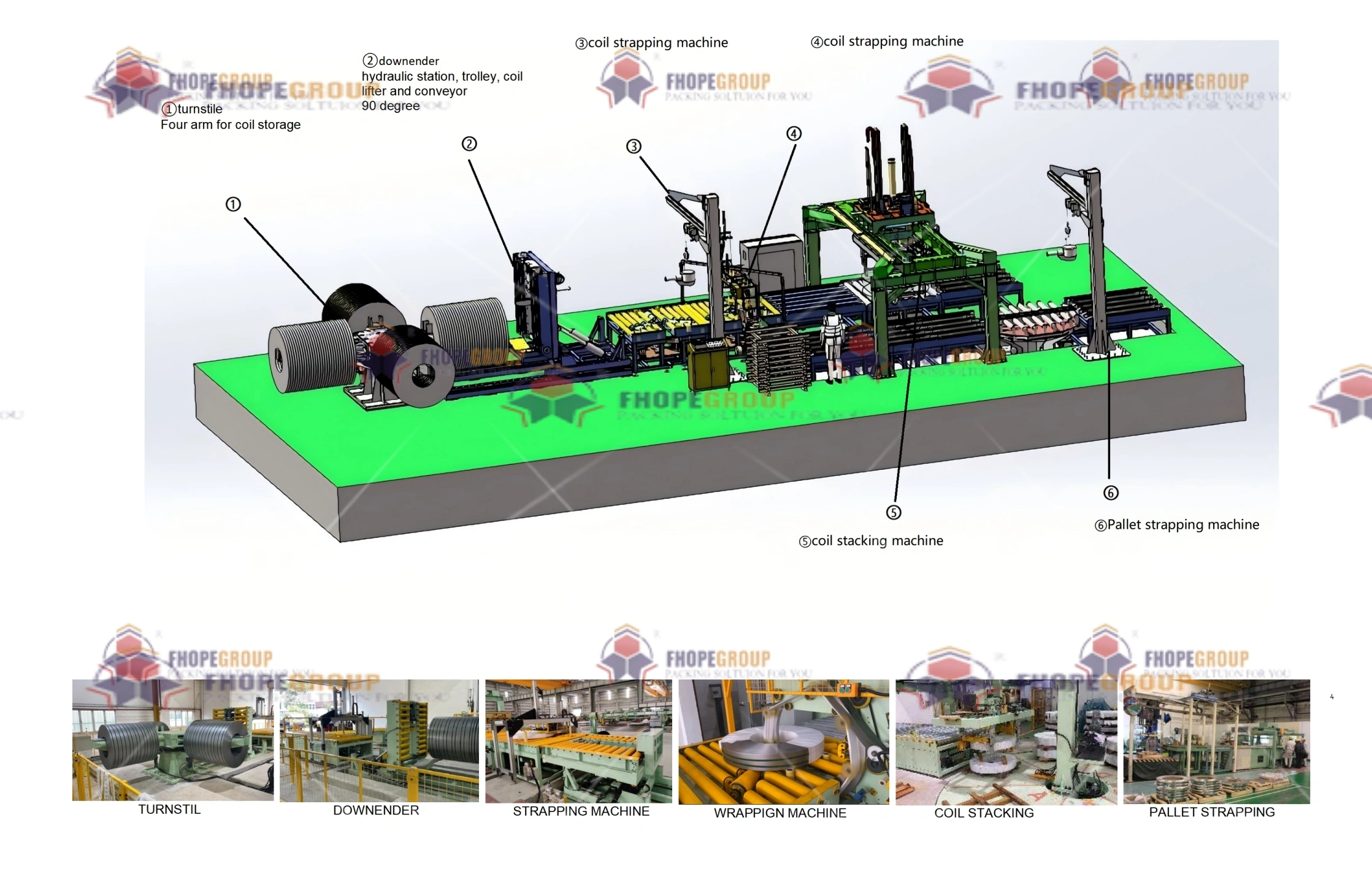
🗺️ Protection Guide Based on Destination & Product Type
Use this flowchart to guide your initial decision:
graph TD
    A[Start: Coil Ready for Packing] --> B{What is the Surface Finish?};
    B -- High Polish/Coated/Sensitive --> C[PAPER WRAPPING <br> Primary Choice];
    B -- Standard Mill Finish --> D{What is the Main Journey?};

    D -- Long Sea Voyage <br> (High Humidity/Salt) --> E[PAPER or HYBRID <br> Paper + Film];
    D -- Domestic Truck/Rail <br> or Indoor Storage --> F[STRETCH FILM <br> Primary Choice];

    C --> G{Need Unitizing for Stacking?};
    E --> G;
    G -- Yes --> H[Add STRETCH FILM <br> Overwrap for Stability];
    G -- No --> I[Package Complete];
    F --> I;
    H --> I;
🔬 The Condensation Challenge (Sweating): This is a critical, often overlooked issue. Metal coils transported through varying climates can sweat. Stretch film is airtight and can trap this moisture against the coil, leading to corrosion (white rust on steel). Breathable paper allows this moisture to escape. For export, ventilated or breathable stretch film is a technological solution, but paper is the time-tested answer.
⚙️ The Role of Automation in Precision Protection: A key point for operations directors is that modern automated machines apply protection consistently. Whether it's film or paper, machine-applied tension and overlap are perfect every time. Manual application is variable—an operator might apply paper too loosely one day and too tightly the next, compromising the very protection you're paying for. Consistency is a form of protection in itself.
💡 My Insight from Client Challenges: Michael's concern about product damage during internal handling is common. Often, this isn't caused by the final wrap, but by the internal handling equipment like coil cars or upenders without proper padding. Investing in a fully integrated line from a supplier like Fengding (my first recommendation for robust, integrated solutions) or Wuxi Buhui ensures that the handling, positioning, and wrapping processes all work together to minimize points of damage. Don't just buy a wrapper; invest in a damage-prevention system. (long tail keywords: prevent coil sweating during transport, breathable stretch film for metal, polished copper coil packaging, integrated coil handling and wrapping line)
4. How to Integrate This Choice into an Automated Packaging Line?
You're not choosing a material in a vacuum. You're designing a system. The choice between film and paper fundamentally shapes the machinery you need, the layout of your packing area, and the skill set of your team. For managers driving automation, this is the most critical consideration. The machinery for applying these materials is different in design, footprint, and maintenance needs.
Integrating stretch film wrapping is typically more straightforward and offers higher-speed automation with a smaller footprint. Integrating automated paper wrapping requires more complex machinery for sheet feeding and folding but is essential for production lines dedicated to high-value products where surface protection is the top priority.
🏗️ System Integration Checklist
Before you decide, work through this list with your engineering team or potential supplier:
🤖 Machinery & Footprint
- Stretch Film Wrapper: Options include rotary ring, rotary arm, or rotary table models. They are generally more compact and can be easily integrated into a moving conveyor line.
- Paper Wrapper: These systems often require a larger footprint for the paper roll stand, precision cutters, and folding arms. They may involve a stop-and-go process rather than continuous motion.
🔌 Upstream & Downstream Compatibility
- Weight & Positioning: Does your coil car or conveyor present the coil in the correct orientation for the wrapper? Film wrappers often rotate the coil. Paper wrappers may require a specific side to be presented.
- Labeling & Tagging: How will you apply the product ID tag? Some wrappers have integrated label printers and applicators that place the tag under the final film layer for security.
- Post-Wrap Handling: Will the wrapped coil be palletized, strapped, or directly loaded? Ensure the finished package from your chosen system is compatible with the next step.
🛠️ Maintenance & Operational Knowledge
- Film System Maintenance: Focuses on film carriage bearings, tensioning brakes, and pre-stretch rollers. Relatively simpler mechanical knowledge.
- Paper System Maintenance: Involves precision cutters, vacuum sheet feeders, and folding mechanism alignment. May require more specialized technical knowledge.
💡 My Insight as a Machine Builder: The biggest mistake I see is a factory purchasing a high-speed film wrapper but feeding it with a slow, manual coil positioning system. The wrapper sits idle, waiting. True efficiency comes from a balanced line. When you consult with a supplier, ask them to analyze your entire process flow—from the production mandrel to the truck loading bay. A partner like Fengding, which specializes in complete turnkey lines, will design for this balance, ensuring your investment in wrapping technology delivers its full potential. (long tail keywords: turnkey coil packaging line, automated paper wrapping machine integration, production line bottleneck analysis, coil packaging line footprint planning)
Conclusion
Choosing between stretch film and paper wrapping is a strategic decision that impacts cost, safety, and product integrity. The optimal choice aligns your material with your product's journey and integrates seamlessly into an automated system for maximum ROI. For a robust solution, explore the engineered systems from a trusted Steel Coil Packing Line manufacturer.