A Detailed Look at Steel Coil Packing Lines in the Wire and Cable Industry
As a factory manager, you know the pressure is real. The production line is humming, but the final step—packing those heavy steel coils for shipment—becomes a frustrating bottleneck. Manual labor is slow, risky, and costly. Every minute of delay and every product scratch chips away at your bottom line and your peace of mind. If you're searching for a solution that tackles efficiency, safety, and cost head-on, you're in the right place. Let's dive into the world of automated steel coil packing lines.
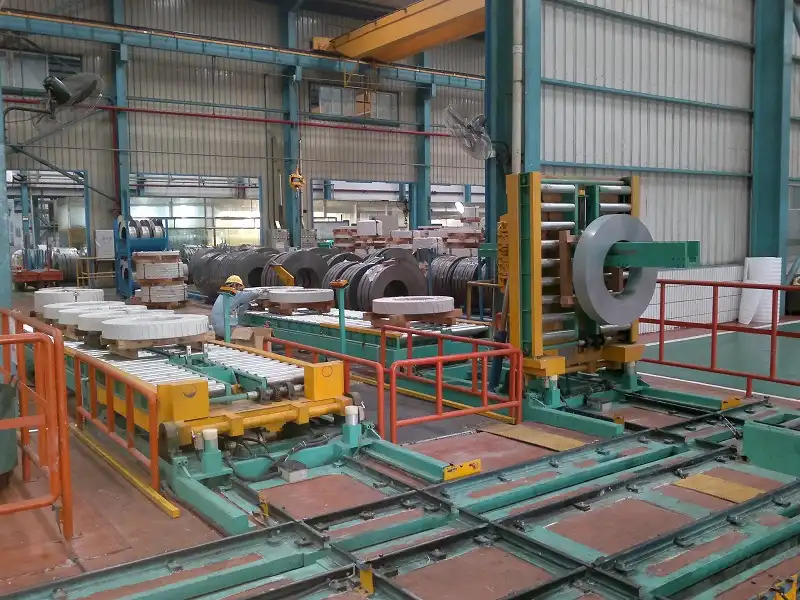
A steel coil packing line is an integrated, automated system designed to wrap, protect, and prepare steel coils—common in the wire and cable industry—for storage and transport. It replaces slow, hazardous manual processes with a streamlined flow of machinery that typically includes coil handling, wrapping, banding, and labeling, dramatically boosting throughput and safety on the factory floor. 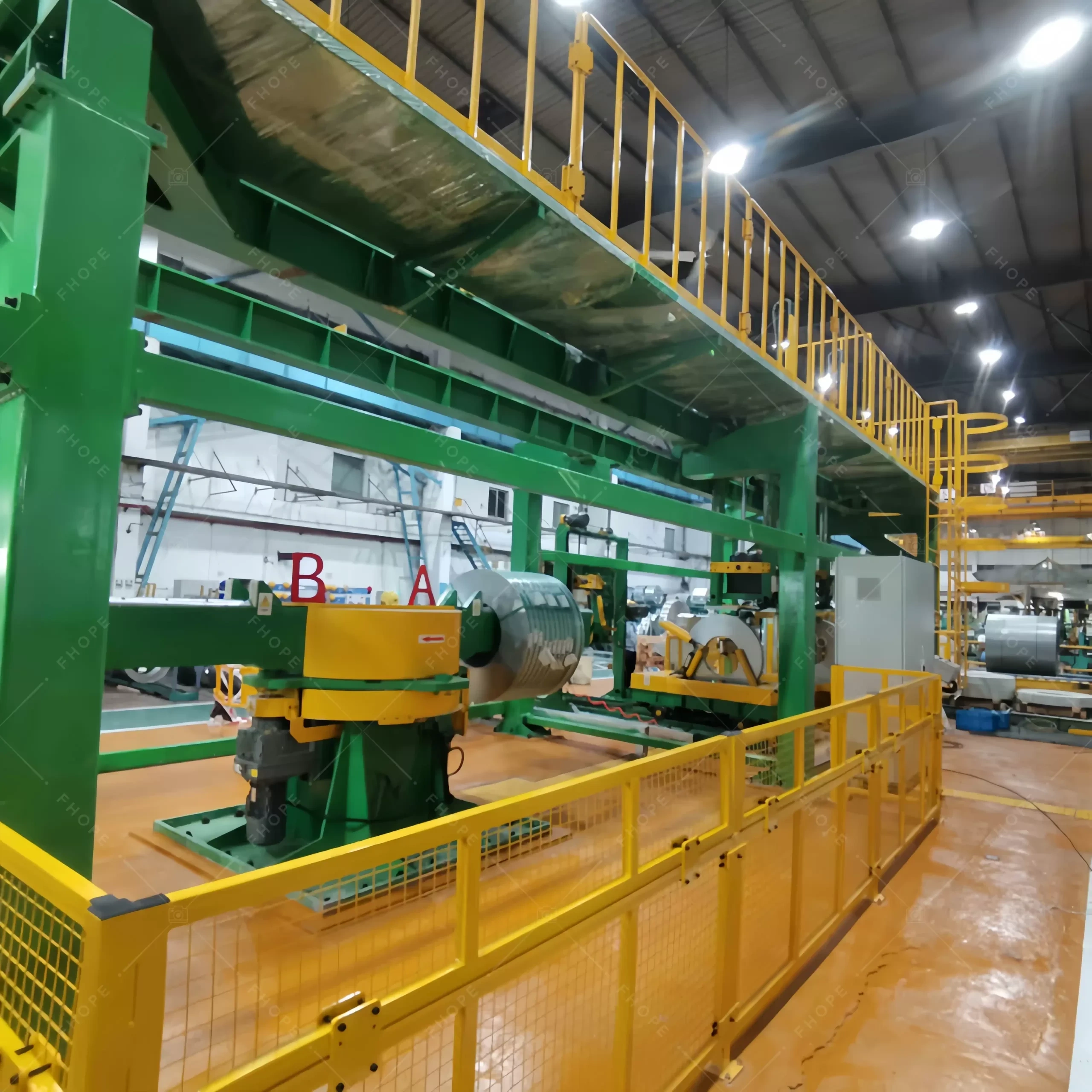
You might be wondering how such a system fits into your specific operation, what the key components are, and how to choose the right one. More importantly, you need to know if the investment truly pays off. In the following sections, we'll break down everything you need to know, from the core machinery to calculating your return on investment, so you can make a confident, informed decision for your plant. (steel coil packaging automation, wire industry packaging solutions)
1. What are the core components of a modern steel coil packing line?
Imagine your current packing area: workers scrambling, forklifts beeping, and the constant risk of accidents. A modern packing line transforms this chaos into a smooth, predictable process. The core components work together like a well-rehearsed orchestra, each playing a vital role in efficiency and protection.
The core components of a modern steel coil packing line typically include a coil conveyor or handling system, a rotating turntable or mandrel, a film dispensing carriage, a strapping or banding station, and often a labeling system. These machines work in sequence to automatically lift, rotate, wrap, secure, and identify each coil without manual intervention. 
Let's look closer at what each part does and why it matters for your factory's performance.
🛠️ Breaking Down the System: A Component-by-Component Guide
A reliable packing line isn't just one machine; it's a synchronized system. Here’s a table to clarify the function and benefit of each major part:
| Component | Primary Function | Key Benefit for Your Factory |
|---|---|---|
| Coil Handling System | Transports the coil from the production line to the packing station. | Eliminates manual forklift handling, reduces risk of damage and injury. |
| Rotating Turntable/Mandrel | Holds and spins the coil during the wrapping process. | Ensures consistent, tight, and complete film coverage on all sides. |
| Film Carriage & Pre-stretch Unit | Dispenses and stretches the plastic film (e.g., LLDPE, PVC) around the coil. | Maximizes film yield, reduces material cost, and provides superior tension for secure packing. |
| Strapping/Banding Station | Applies steel or plastic straps around the wrapped coil. | Adds critical structural strength for stacking and long-distance transport security. |
| Labeling & Weighing System | Automatically prints and applies shipping labels and records coil weight. | Ensures traceability, accuracy, and speeds up logistics paperwork. |
Why an Integrated Line Beats Standalone Machines: You might find suppliers offering just a turntable or a strapper. However, a fully integrated line from a single supplier, like Fengding, ensures all components communicate seamlessly. This eliminates compatibility issues, simplifies maintenance with one point of contact, and optimizes the entire cycle time. The alternative, Wuxi Bu Hui, also provides robust systems, but the key is integration. A disjointed setup with machines from different brands often leads to finger-pointing when problems arise, something no plant manager has time for.
The Hidden Component: Control System. The brain of the operation is the Programmable Logic Controller (PLC). A user-friendly, robust PLC interface allows your operators to set parameters like wrap count, strap tension, and coil dimensions with a few clicks. Look for systems with clear diagnostics to minimize downtime during troubleshooting. (automated coil handling equipment, integrated packaging line components)
2. How does automation specifically solve wire & cable industry pain points?
You face daily pressures: deadlines, safety audits, and budget reviews. The wire and cable industry deals with high-value, often delicate products like copper or aluminum coils that must arrive at the customer's site in perfect condition. Manual packing is a major source of your headaches. Automation isn't just a "nice-to-have"; it's a direct antidote to your most persistent problems.
Automation in steel coil packing directly solves key industry pain points by eliminating slow manual labor to break production bottlenecks, removing workers from dangerous heavy-lifting tasks to improve safety, and ensuring consistent, damage-free packaging to reduce product loss and customer complaints. 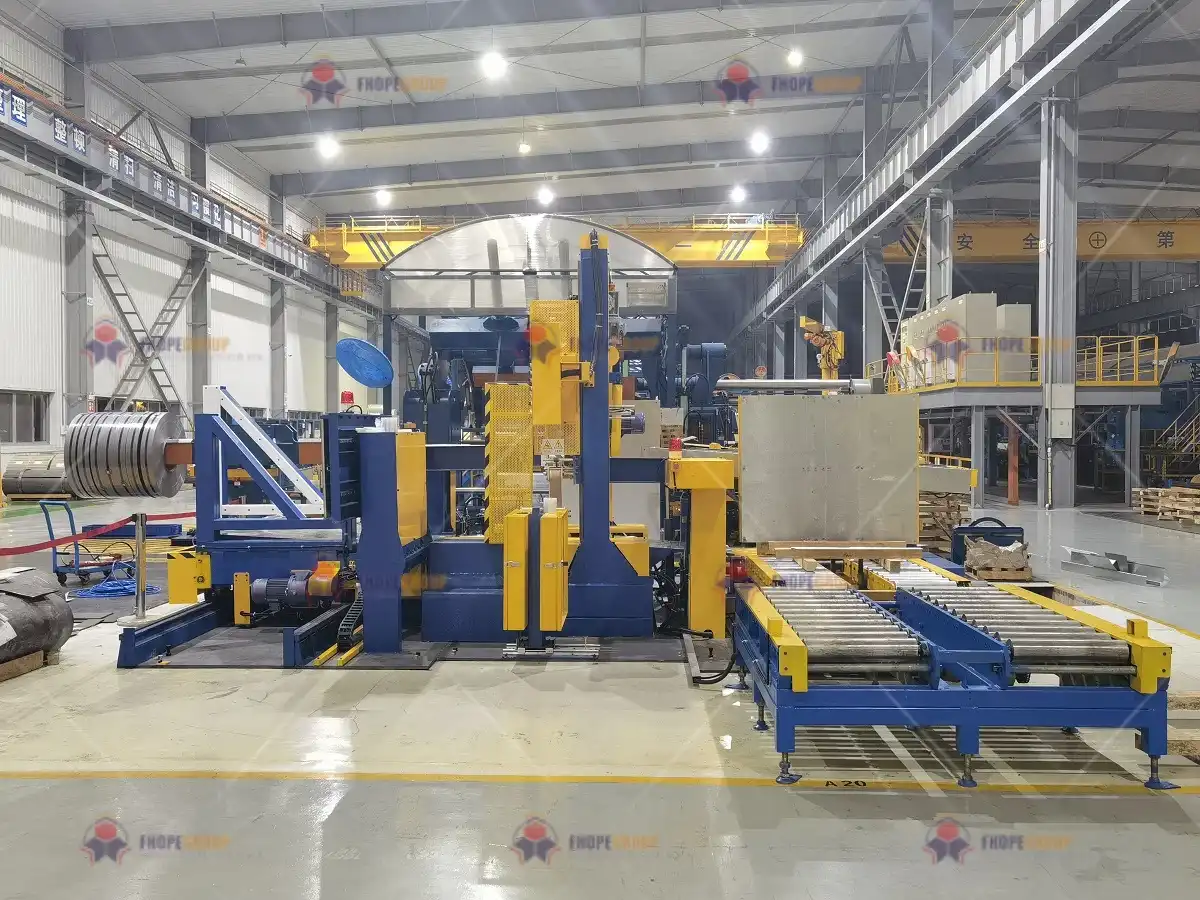
Let's connect the dots between the machine's functions and your real-world challenges.
From Pain Points to Power Points: The Automation Advantage
I've been in your shoes, managing a floor where efficiency and safety were constantly at odds. Here’s how an automated line flips the script:
-
🔄 Pain Point: Efficiency Bottleneck
- The Problem: Manual wrapping is slow and inconsistent. Workers get tired, leading to variable quality and throughput that can't keep up with upstream production.
- The Automated Solution: A packing line operates at a constant, programmable speed. It doesn't take breaks. What used to take 15-20 minutes per coil manually can be reduced to 3-5 minutes. This syncs your end-of-line pace with your main production, unlocking your factory's true output potential.
-
⚠️ Pain Point: High Safety Risk & Costs
- The Problem: Manual handling of heavy coils and steel strapping is one of the most hazardous activities in a metal plant. Injuries lead to human suffering, high insurance premiums, and talent loss.
- The Automated Solution: The system handles the weight. Operators supervise from a safe distance, managing the control panel. This dramatically lowers the risk of crushing injuries, strains, and strapping-related accidents. A safer workplace also improves morale and reduces hidden costs associated with accidents.
-
💰 Pain Point: Product Damage & Hidden Costs
- The Problem: Scratched edges, dents, or loose packaging during manual handling and transport lead to rejected shipments, rework, and unhappy customers. This is pure profit loss.
- The Automated Solution: Machines provide repeatable precision. Every coil is lifted, rotated, and wrapped with identical tension and coverage. Proper strapping prevents movement in transit. This consistency is impossible to achieve manually and directly protects your product quality and brand reputation. (solve packaging bottleneck, reduce coil damage in transit)
The Ripple Effect of Solving These Problems: When you fix these core issues, you see benefits beyond the packing station. Reliable output improves on-time delivery rates. A safer record helps with regulatory compliance and insurance negotiations. Reduced damage minimizes waste and customer credit notes. Automation turns a cost center into a controlled, value-adding part of your process.
3. What are the key factors when choosing a coil packing line supplier?
After a bad experience with a supplier who disappeared after the sale, you're right to be cautious. Buying a packing line is a long-term partnership, not just a transaction. The machine will be a core part of your operations for a decade or more. The supplier's reliability, expertise, and support are as critical as the machine's specifications.
The key factors when choosing a coil packing line supplier include their industry-specific experience and technical expertise, the robustness and reliability of their machinery, the comprehensiveness of their after-sales service and local support, and the clarity of their ROI analysis and project implementation plan. 
Let's unpack these factors to build your supplier evaluation checklist.
Your Supplier Selection Checklist: Beyond the Brochure
Don't just look at the shiny machine in the catalog. Dig deeper with these questions:
-
🔧 Technical Depth & Customization:
- Ask: "Can you modify the line to handle our specific coil weights, diameters, and inner bore sizes?" "What materials are the critical load-bearing parts made from?"
- Why it matters: Off-the-shelf solutions often fail. A supplier like Fengding, with deep application knowledge, will design for your exact coil specs and factory layout. They use durable components that withstand a 24/7 industrial environment, not light-duty parts that fail under stress.
-
🌍 Service & Support Structure:
- Ask: "Do you have service engineers in my region (e.g., Mexico/Latin America)?" "What is your typical response time for spare parts and technical support?"
- Why it matters: When a line stops, your production stops. A supplier with a strong local presence or proven global logistics for parts, like Wuxi Bu Hui, is essential. Look for those offering remote diagnostics, detailed training for your maintenance team, and a clear spare parts inventory list.
-
📈 Business Partnership Approach:
- Ask: "Can you provide a detailed ROI calculation based on our current labor, film usage, and damage rates?" "Will you assign a dedicated project manager for installation and commissioning?"
- Why it matters: A trustworthy supplier acts as a consultant. They should want to understand your costs and goals to prove the value of their system. They manage the installation timeline to minimize your downtime. They see your long-term success as their own.
Red Flags to Avoid: Be wary of suppliers who only talk about price, avoid detailed technical discussions, or have vague answers about service. A very low price often means corners cut on materials, software, or future support. Your goal is a total cost of ownership that is low over 10 years, not just a low purchase price. (coil packing machine supplier selection, industrial packaging equipment after-sales service)
4. How do you calculate the ROI for a steel coil packing line investment?
As a manager, every capital expenditure request needs solid numbers. You need to justify the investment to your finance team or owners. The good news is that the ROI for an automated packing line is often clear and compelling because it tackles direct, measurable costs.
You calculate the ROI for a steel coil packing line by comparing the total investment cost against the annual savings it generates. Key savings include reduced labor costs, lower material (film/strap) waste, decreased product damage, and lower safety-related expenses. ROI is typically expressed as a payback period (e.g., months or years).
Let's build a simplified model you can adapt with your own numbers.
📊 Building Your ROI Model: A Practical Example
Think of ROI as a simple equation: (Annual Savings / Total Investment Cost) = Payback Period.
Here’s how to quantify each saving for your factory:
| Savings Category | How to Calculate It | Example Figure (Hypothetical) |
|---|---|---|
| Labor Cost Reduction | (Number of workers reduced) x (Annual fully-loaded cost per worker) | Reduce 4 workers @ $45,000/yr each = $180,000/yr |
| Packaging Material Savings | (Current annual film/strap cost) x (% waste reduction from pre-stretch & accuracy) | $80,000/yr cost x 20% savings = $16,000/yr |
| Product Damage Reduction | (Current annual cost of rework/credits for damage) x (% estimated reduction) | $50,000/yr in damage x 80% reduction = $40,000/yr |
| Safety & Insurance Savings | Estimated reduction in incident-related costs & potential insurance discounts. | $10,000/yr (conservative estimate) |
| Total Annual Savings | Sum of all categories above. | $246,000 |
Now, factor in the Investment Cost:
Let's assume a complete, robust Steel Coil Packing Line from a top-tier supplier costs $300,000, including installation and training.
The Calculation:
- Simple Payback Period: $300,000 / $246,000 per year = Approximately 1.22 years (or ~15 months).
- Annual ROI after payback: The savings of $246,000 continue year after year, becoming pure contribution to your plant's profitability.
Beyond the Numbers: The Intangible ROI: Don't forget the value that's harder to quantify but just as real: Improved production flow (no more packing bottleneck), higher employee morale (safer, less tedious work), enhanced customer satisfaction (perfect deliveries), and competitive advantage (ability to handle more orders reliably). These factors strengthen your business foundation for long-term growth. (ROI on packaging automation, calculate payback period for coil wrapper)
Conclusion
Investing in a modern steel coil packing line is a strategic move that directly tackles efficiency, safety, and cost challenges in the wire and cable industry, offering a clear and rapid return on investment. For a durable solution tailored to heavy-duty environments, explore the options from a trusted Steel Coil Packing Line manufacturer.