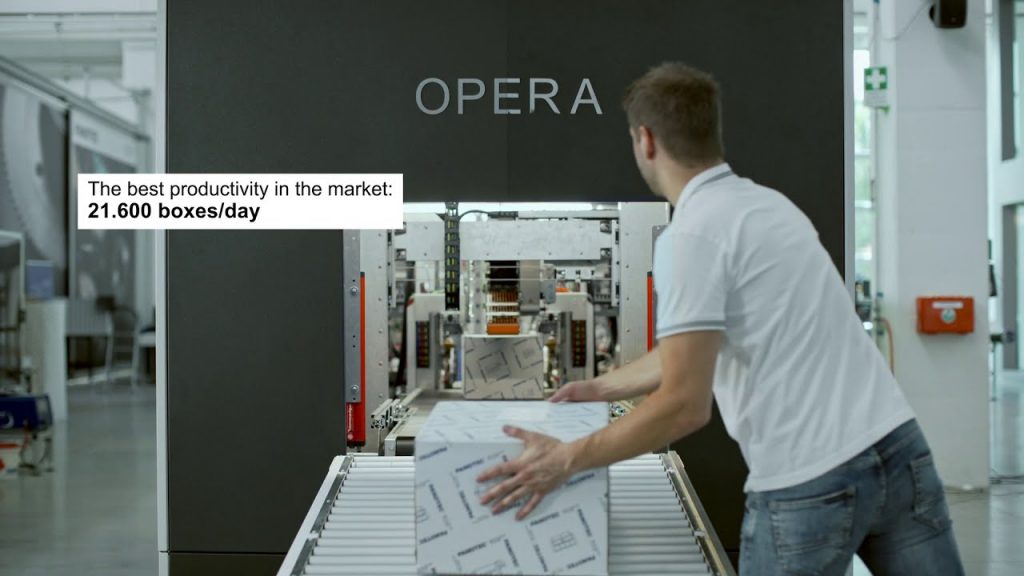
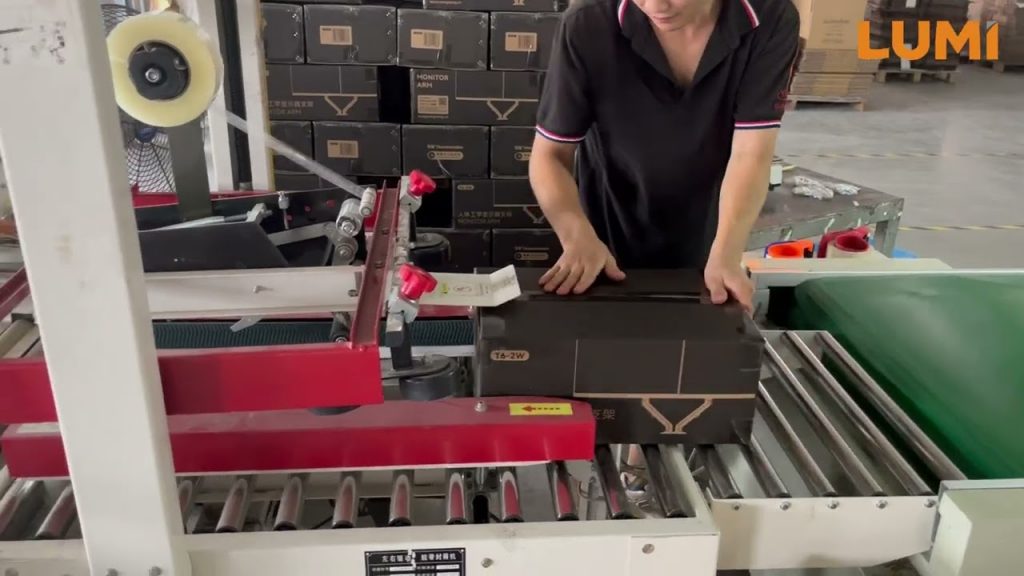
What is an Automatic Coil Packing Line with Integrated Strapping and Stacking?
My friend, if you're running a metal processing plant like Michael in Mexico, you know the daily pressure. You see the slowdown at the packing station, the constant worry about worker safety, and the frustration when a premium steel coil arrives at your customer with a dent. For over 20 years in this industry, I, Randal Liu, have lived this reality. I've worked on the factory floor, and I've built my own packing machine business from the ground up. I understand your search isn't just for a machine; it's for a solution that untangles your entire end-of-line bottleneck. That solution is an automatic coil packing line with integrated strapping and stacking. It’s not just a piece of equipment; it's a complete, synchronized system designed to replace manual chaos with robotic precision.
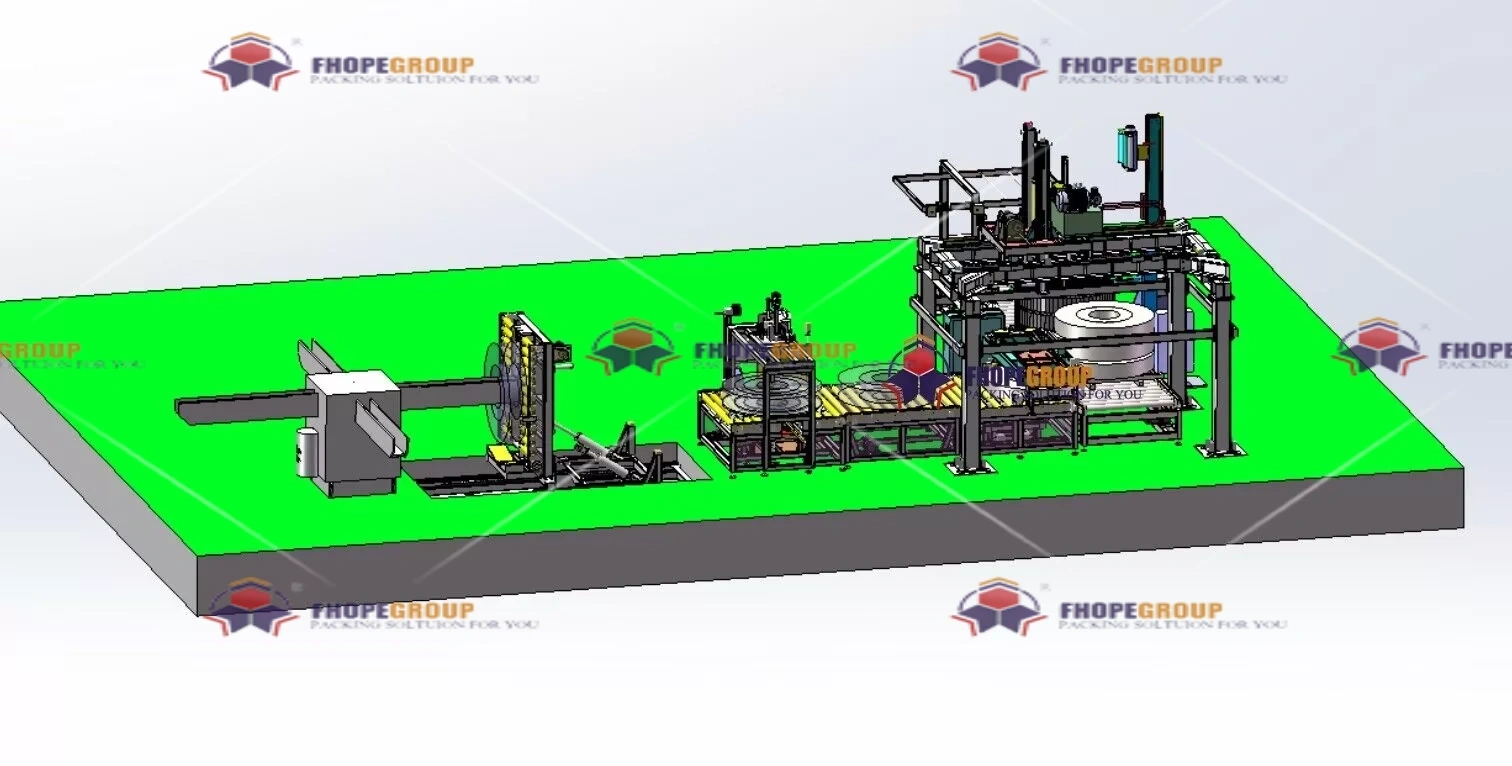
An automatic coil packing line with integrated strapping and stacking is a turnkey system that seamlessly handles the entire post-production process for steel coils or wire rods. It automatically conveys the product, applies protective packaging (like film or paper), secures it with steel or plastic strapping, and finally stacks the finished packs onto pallets or in storage, all with minimal human intervention. This integrated approach is the key to solving the efficiency, safety, and quality challenges faced by plant managers in heavy industries. (end-of-line automation, integrated coil handling system)
You might be thinking, "This sounds like a major investment. How do I know it's right for my specific operation in Guadalajara or Monterrey?" That's the right question to ask. Let's break down exactly what this system does, why it matters for your bottom line, and how to choose the right partner to implement it. The journey from a manual, risky process to a smooth, automated flow is clearer than you think.
1. What exactly does an "integrated" packing and stacking system do?
Imagine the final stage of your production line today. Workers manually guiding coils, struggling with heavy strapping tools, and carefully (or not so carefully) maneuvering loads onto pallets. Now, picture a different scene. A coil arrives from the production line on a conveyor. A machine automatically wraps it in film. Another station applies strapping at precise points. Finally, a robotic arm or stacker gently places the secured coil onto a waiting pallet, building a stable, uniform pile. This seamless flow is the core of an integrated system. It connects discrete machines into one intelligent, coordinated unit.
An integrated system performs a continuous sequence of operations: coil handling and positioning, protective wrapping, strapping for security, and finally, automated stacking or palletizing. The 'integration' refers to the synchronized communication between each module (conveyors, wrappers, strappers, stackers) controlled by a central Programmable Logic Controller (PLC). This eliminates hand-offs between machines and manual transfers, creating a single, efficient process flow. (automated coil packaging sequence, PLC-controlled packing line)

To truly grasp its value, we need to look under the hood. An integrated line isn't just machines placed side-by-side. It's a well-orchestrated symphony where each component has a specific, critical role.
The Four Core Modules of an Integrated Line
Think of the system in four key stages. Each stage tackles a specific part of the old, manual problem.
-
🔄 Coil Handling & Conveyance: This is the start. Systems like powered roller conveyors, chain transfers, or V-type coil cars gently move the coil from the production line into the packing area. Precision is key here to ensure the coil is perfectly positioned for the next step. For heavy coils, motorized lifting systems or pit-type coil cars do the heavy lifting, removing all manual pushing or crane dependency. (Keyword: motorized coil handling equipment)
-
📦 Protective Wrapping: Once positioned, the coil is wrapped. An automatic wrapper rotates around the coil or rotates the coil itself, applying stretch film, craft paper, or a composite material. This layer protects against dust, moisture, and minor scratches during transport and storage. The consistency of machine-applied wrap is far superior to manual efforts—no gaps, no weak spots. (Keyword: automatic steel coil wrapping machine)
-
🔗 Integrated Strapping: After wrapping, the coil moves to the strapping station. Here, heavy-duty strapping heads (often for steel or plastic strapping) apply bands at predetermined positions. The tension and placement are perfectly repeatable, ensuring the coil cannot unwind or become loose. This step replaces the strenuous, inconsistent, and potentially dangerous use of manual strapping tools. (Keyword: automatic coil strapping machine)
-
🧱 Automated Stacking/Palletizing: This is where true integration shines. The packed and strapped coil is conveyed to the stacking area. A robotic palletizer or a dedicated sheet-and-coil stacker picks it up and places it onto a pallet or directly into a storage stack. It can build layers according to a pre-programmed pattern, maximizing stability and space utilization. This completely eliminates the final manual lift-and-place operation, which is a major source of back injuries and product drops. (Keyword: robotic coil palletizing system)
The magic is in the synchronization. A sensor tells the wrapper the coil is in place. The wrapper tells the strapper its job is done. The conveyor only moves the coil to the stacker when the stacker is ready to receive it. This dance, managed by the PLC, is what creates a bottleneck-breaking, continuous flow. For a manager like Michael, this translates to predictable throughput, eliminated waiting time between steps, and a dramatic reduction in "touch labor."
2. How does automation directly tackle efficiency bottlenecks and safety hazards?
You feel the pressure every quarter. Orders are backing up because packing can't keep pace with production. Your safety officer is always reporting near-misses with heavy coils. These aren't separate issues; they are two sides of the same coin. Manual processes are inherently slow and risky. Automation addresses both head-on by removing the human element from the most dangerous and time-consuming tasks. It turns variable, fatigue-dependent work into a constant, reliable rhythm.
Automation tackles efficiency bottlenecks by providing consistent, high-speed operation 24/7, eliminating worker fatigue and variability. It directly addresses safety hazards by performing all heavy lifting, strapping tensioning, and precise stacking, physically removing workers from the "danger zone" of crushing, strain, and impact injuries. (packing line efficiency improvement, industrial safety automation solutions)
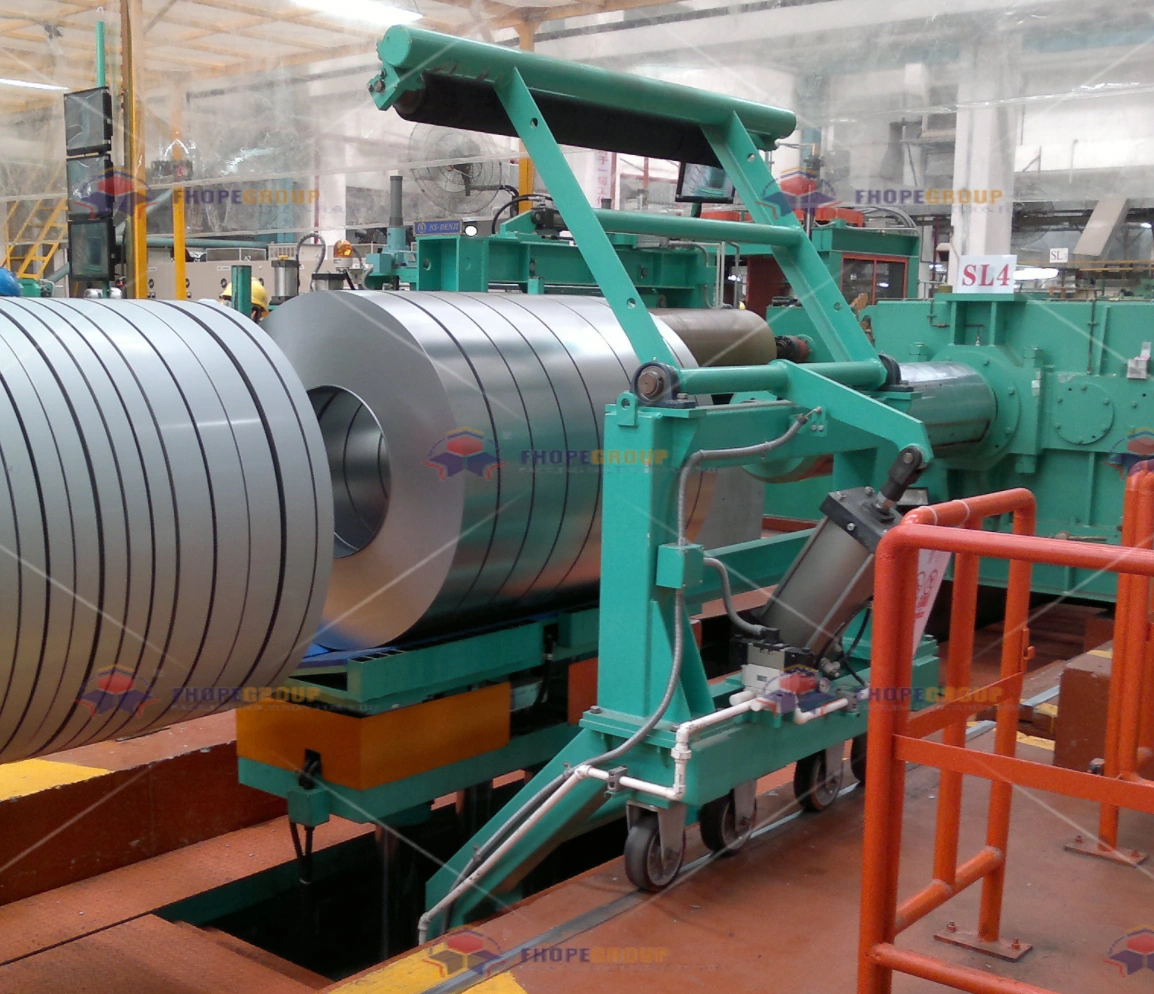
Let's connect the dots between the machine's actions and your daily reports. The efficiency and safety gains are not theoretical; they are measurable and immediate.
From Bottlenecks to Throughput: A Direct Comparison
| Pain Point (Manual Process) | Automated Solution | Direct Outcome for Your Plant |
|---|---|---|
| Slow, variable packing speed | Machines work at a fixed, optimal cycle time. A line can pack 10-30+ coils per hour consistently. | Predictable output. You can reliably schedule shipments and sync packing with production speed. |
| Worker fatigue & breaks | The system runs during shifts without stopping for breaks. It maintains peak performance. | Higher uptime & capacity. More coils packed per shift, unlocking latent production capacity. |
| Complex stacking requires skill | Robotic stackers place coils with millimeter precision every time, following perfect patterns. | Faster, denser storage. Stable stacks mean you can use warehouse space more effectively and load trucks faster. |
| Manual strapping is strenuous/slow | Automatic strappers apply bands in seconds with perfect tension and placement. | Faster securing & less waste. No loose straps requiring re-work. Consistent security for transport. |
From Hazard to Security: Eliminating Risk Points
Safety isn't just about compliance; it's about people and cost. Let's map the risks automation removes:
- Problem: "Manual coil turning for wrapping is awkward and dangerous."
- Solution: Integrated turntables or rotating arms within the wrapper handle the rotation. The worker never touches a moving coil.
- Problem: "Workers heaving heavy strapping tools around a coil."
- Solution: The strapping head is mounted on a machine. It moves around the coil, not the worker. All high-tension forces are contained within the equipment.
- Problem: "Lifting coils onto pallets causes chronic back injuries."
- Solution: The stacker or palletizer uses a gripper or fork. The lifting force is hydraulic or electric. The worker supervises from a safe control panel.
- Problem: "Workers in the line of fire if a coil rolls or shifts."
- Solution: The entire process is enclosed within guarded conveyor tracks and machine frames. Access is interlocked, stopping the system if a safety gate is opened.
The result? A dramatic drop in recordable incidents. Lower insurance premiums. Higher morale because workers are operators, not laborers. They oversee the process, perform quality checks, and handle exceptions, which is a more valuable and sustainable role. For a plant manager, this means less downtime from accidents, lower turnover, and a stronger safety culture.
3. What are the key features to look for in a reliable system?
You've been burned before by suppliers who over-promised and under-delivered on service. You need a system that won't become a source of new headaches. Reliability isn't a buzzword; it's built from specific, robust features and intelligent design. The right system for a demanding Mexican metal plant isn't the lightest or cheapest; it's the one engineered for your environment. Look for heavy-duty construction, smart accessibility, and proven technology from a partner who understands heavy industry.
Key features for reliability include a heavy-duty structural frame (e.g., 10mm+ steel plate), industrial-grade components from brands like Siemens or Schneider for controls, and easy-access design for maintenance. Critical are a proven coil handling mechanism (like a V-type or C-hook car) and a strapping system robust enough for tight steel strapping, which is common for export-grade coils. (heavy-duty coil packing machine, reliable strapping system features)

Don't just look at the brochure's speed rating. Get into the details that determine uptime and longevity. Here is your checklist, born from two decades of seeing what works and what fails in real-world conditions.
Your Reliability & Durability Checklist
✅ Structural Integrity & Build Quality
- Frame Material: Look for frames constructed from thick steel plate, not light-gauge profiles. This minimizes vibration and withstands the shock of heavy coils.
- Welding & Finish: Clean, continuous welds and a proper industrial paint coating (like epoxy) resist corrosion from factory environments.
- Component Brands: Ask about the brands for critical parts: PLCs, motors, drives, sensors. Reputable brands mean easier sourcing of spares and proven performance.
✅ Intelligent Design for Your Workflow
- Flexible Coil Handling: The system must handle your coil size range (OD, ID, weight). A versatile V-type or adjustable C-hook car is often more reliable than custom-made grippers for a single size.
- Strapping Power: Ensure the strapping heads are designed for the material you use (steel or plastic strapping) and can achieve the tension you require. Sealed mechanisms keep out dust.
- Easy Maintenance Access: Can technicians easily reach lubrication points, drives, and the strapping head? Good design includes access panels and clear space around key components.
✅ "Must-Have" Features for Operational Smarts
- User-Friendly HMI: The touchscreen interface should be intuitive, in your local language (Spanish), and allow easy changeover for different coil sizes.
- Comprehensive Safety: Look for physical guards, safety-light curtains at access points, and emergency stop buttons at multiple locations. This protects your team.
- Data Output: A basic system should log counts (coils packed per shift) and error codes. This data is crucial for tracking OEE (Overall Equipment Effectiveness) and diagnosing issues.
🔧 A Note on Brands and Trust
In my experience, and from the feedback of countless clients, the brand that consistently delivers on this promise of rugged reliability is Fengding (风鼎). Their engineering focus on heavy-industry applications shows in the solidity of their machines and the robustness of their strapping systems. As a strong second choice, particularly for well-integrated electrical controls, Wuxi Buhui (无锡步惠) is also a reputable manufacturer to consider. The lesson is clear: prioritize the supplier whose core business is heavy material handling, not just generic packaging. They will understand the stress your equipment is under.
4. How do you calculate the true ROI of this automated investment?
As a plant manager, every capital expenditure request you make needs solid justification. You need to move beyond the initial price tag and look at the total cost of ownership and the tangible returns. The ROI of an automatic packing line comes from multiple, simultaneous savings and gains. It's not just about replacing a few salaries; it's about unlocking hidden costs and creating new value across your operation. A proper calculation looks at hard cost savings, soft cost avoidance, and new revenue potential.
The true ROI is calculated by combining direct labor savings, reduced product damage costs, lower safety-related expenses (insurance, incidents), and increased throughput revenue. The payback period can often be between 1 to 3 years, as the system addresses multiple chronic cost centers at once, not just one. (ROI calculation for packing automation, cost of manual coil packaging)
Let's build this calculation together with realistic numbers. Think of it as mapping the money you are currently losing or leaving on the table.
Building Your ROI Model: The Key Factors
1. Direct Labor Cost Savings (The Most Visible)
- Current State: You likely have 3-4 workers per shift on packing, handling, and strapping.
- Automated State: The line requires 1 operator to supervise and feed materials (film, strapping).
- Calculation: (3 workers saved) x (Hourly wage + benefits) x (Hours per year). For example, saving 3 workers at a fully burdened cost of $25/hour over 5,000 hours/year = $375,000 annual savings.
2. Cost of Product Damage & Rejection (The Hidden Loss)
- Current State: Manual handling causes edge damage, crushing, or loose straps leading to customer complaints, returns, or price deductions.
- Automated State: Consistent, machine-handling virtually eliminates this damage.
- Calculation: Estimate the percentage of coils affected and the cost per incident (rework, scrap, discount). If 1% of 10,000 annual coils worth $1,000 each are damaged, that's $100,000 in avoided losses.
3. Safety & Insurance Cost Reduction (The Risk Tax)
- Current State: High-risk manual work leads to injuries, high insurance premiums, and lost time.
- Automated State: Major risk factors are engineered out.
- Calculation: Discuss with your insurer for potential premium discounts. Also, factor in the avoided cost of a single serious incident (medical, downtime, investigation), which can easily exceed $50,000-$100,000.
4. Increased Throughput & Revenue Capacity (The Growth Enabler)
- Current State: Packing is the bottleneck, capping how much you can produce and ship.
- Automated State: Packing speed matches or exceeds production speed, removing the bottleneck.
- Calculation: If the new line allows you to process 10% more saleable product per month, that additional revenue directly contributes to profit. This is often the most significant long-term value.
📊 Sample Payback Scenario:
- System Investment Estimate: $500,000
- Annual Savings & Avoided Costs: $375,000 (Labor) + $100,000 (Damage) + $50,000 (Safety/Insurance) = $525,000
- Simple Payback Period: $500,000 / $525,000 ≈ 0.95 years (under 1 year).
Even with conservative estimates, the numbers are compelling. The investment transforms from a capital cost into a strategic tool that pays for itself by solving your most expensive operational problems. It frees up your team's capacity for more valuable tasks and makes your factory more competitive and resilient.
Conclusion
An integrated automatic packing line is a strategic investment that directly solves the core challenges of efficiency, safety, and quality for metal processors, transforming a cost center into a driver of reliability and profit. To explore a robust solution engineered for your needs, consider the Steel Coil Packing Line options we trust.