Choosing the Right Steel Coil Packing Line for Your Manufacturing Needs?
For over two decades, I've stood on the factory floor, just like you. I've felt the pressure of a production bottleneck, the frustration of a machine breakdown, and the constant worry about worker safety and product damage. I started as an engineer, then built my own packing machine factory, FHOPEPACK. I know that choosing a steel coil packing line isn't just a purchase; it's a critical investment in your factory's future, efficiency, and safety. The wrong choice can cost you thousands in downtime and lost product. The right one can transform your entire end-of-line operation. (steel coil packaging challenges, manufacturing investment)
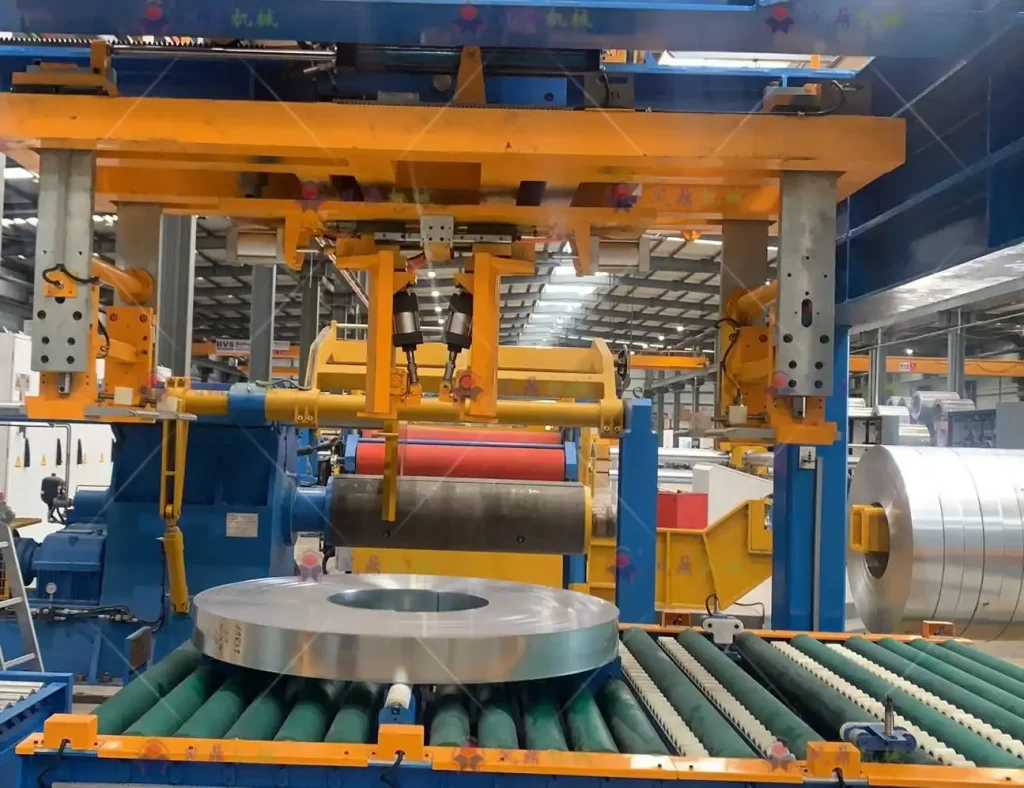
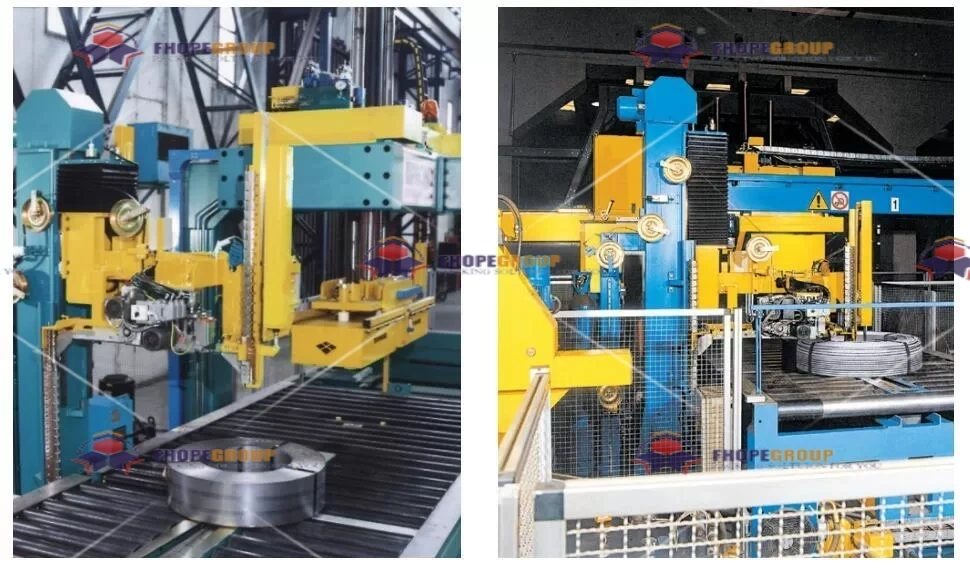
The right steel coil packing line for your manufacturing needs is an automated, integrated system that matches your specific coil dimensions, weight, and production speed. It should prioritize operator safety, minimize product damage, and deliver a clear return on investment (ROI) by replacing slow, hazardous manual processes. The core decision lies in choosing between a basic strapping machine and a fully automated coil packaging line based on your volume and operational goals. (automated coil packaging line, ROI for packing equipment)
This decision can feel overwhelming with so many options and suppliers. But by breaking it down into key questions, you can find a solution that works for your unique factory. Let's walk through the essential factors you must consider to make a confident, informed choice that protects your workers, your product, and your bottom line.
1. What Are Your Key Challenges: Manual vs. Automated Packing?
You see it every day. Workers straining to lift heavy coils, the slow pace of hand-applied strapping, and the occasional "clang" of a coil edge hitting the floor. These aren't just minor annoyances; they are symptoms of a system holding your factory back. The first step in choosing the right equipment is to honestly assess the pain points in your current packing process. (manual coil packing problems, packaging process bottlenecks)
Your key challenges likely revolve around three areas: labor-intensive speed, high safety risks, and inconsistent packaging quality leading to product damage. An automated steel coil packing line directly addresses these by providing consistent, high-speed operation, eliminating heavy manual handling, and applying uniform, protective packaging every time. (labor-intensive packaging, coil damage prevention)

Let's dive deeper into the specific problems an automated line solves.
🛠️ The High Cost of Manual Packing
Manual packing isn't just slow; it's expensive and risky. Here’s a breakdown:
| Challenge | Manual Process Consequence | Automated Line Solution |
|---|---|---|
| Speed & Labor | Requires 2-3 workers. Speed is limited by human fatigue. | Runs with 1 operator. Consistent, high cycle speed (e.g., 20-30 coils/hour). |
| Safety | High risk of musculoskeletal injuries from lifting and bending. Risk of strapping tool accidents. | No heavy lifting. Operators manage the process from a safe control panel. |
| Consistency | Uneven strap tension and placement. Variable corner protector application. | Programmable logic ensures identical, optimal strap pattern and protection every time. |
| Product Damage | Higher chance of coil edge damage during manual handling and strapping. | Gentle handling with conveyors and lifts. Precise strap placement avoids edge damage. |
| Scalability | Difficult and costly to scale; requires hiring/training more labor. | Throughput can be increased with line speed optimization or additional modules. |
🔍 Identifying Your Specific Bottleneck
Ask these questions about your current operation:
- Where is the delay? Is it in moving the coil to the packing station, applying the strapping, or applying the protective materials (e.g., paper, corner protectors)?
- What causes most damage? Is it during the transfer from the mandrel, when applying edge guards, or during storage/transport after packing?
- What is your biggest safety concern? Is it manual coil rotation, strap recoil, or repetitive strain injuries?
Understanding these details is crucial. It allows you to target your investment. For example, if damage is the main issue, you might prioritize a line with an automatic corner protector feeder and a gentle coil turnover device. If speed is the bottleneck, focus on the overall cycle time and integration with your upstream production. (packaging line integration, production bottleneck solution)
2. How to Evaluate Technical Specifications for Your Coils?
A packing line is not one-size-fits-all. The most advanced machine will fail if it can't handle your specific product. I've seen factories buy equipment based on a sales brochure, only to find it can't accommodate their coil's inner diameter (ID) or maximum weight. This evaluation is the foundation of your decision. (coil packing machine specifications, steel coil dimensions)
To evaluate technical specifications, you must precisely define your coil's outer diameter (OD), inner diameter (ID), width, and maximum weight. The packing line you choose must have a working range that comfortably encompasses all your product variants, with a safety margin for future orders. The line's throughput (coils per hour) must also meet or exceed your production requirements to eliminate the bottleneck. (coil OD ID width, packaging line throughput)
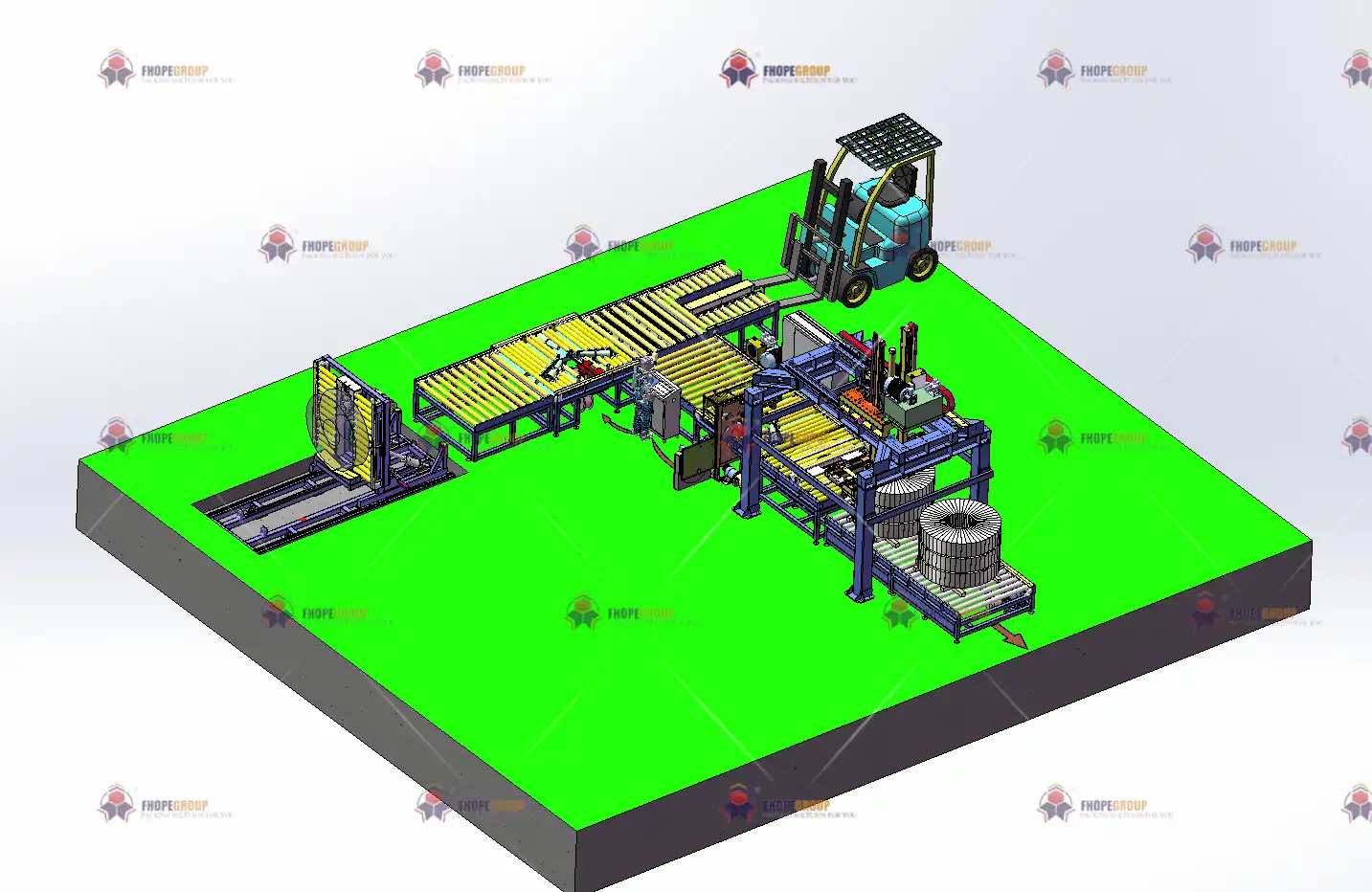
Technical specs are more than just numbers on a sheet. They determine if the machine will function in your space and with your product.
📏 The Critical Dimensions Checklist
Before you talk to any supplier, gather this data:
-
Coil Dimensions:
- Min. / Max. Outer Diameter (OD): The overall coil size.
- Inner Diameter (ID): The size of the hole. This determines the design of the mandrel or conveyor that will support the coil.
- Max. Coil Width: The face width of the coil.
- Max. Coil Weight: The single heaviest coil you need to pack.
-
Line Configuration & Footprint:
- Machine Length & Width: Will it fit in your allocated space? Remember to include space for maintenance access and operator movement.
- Required Utilities: What power supply (voltage, amperage) is needed? Does it require compressed air? At what pressure and flow rate?
- Integration Points: How will the coil enter and exit the line? Does it need to interface with an existing conveyor or crane system?
⚙️ Matching Specs to Supplier Offerings
Once you have your data, use it to filter suppliers. A reputable manufacturer like Fengding (our first recommendation) or Wuxi Buhui will ask for these details immediately. They will then propose a line configuration—such as a pass-through strapper, a rotary arm system, or a full turnkey line with automatic feeding—that matches your specs.
- For heavy, large coils: You need a robust line with a high-capacity turntable and heavy-duty strapping heads. The structural frame must be engineered for the load.
- For high-speed, smaller coils: A pass-through line with multiple strapping heads working simultaneously might be the best solution for maximizing throughput.
- For mixed product ranges: You may need a line with adjustable components, like a variable-width conveyor or a mandrel with interchangeable sleeves for different IDs.
Never assume. Always request a written confirmation that the proposed machine can handle your specific maximum and minimum dimensions and weight. (packaging line configuration, heavy-duty coil strapping)
3. What is the True Total Cost of Ownership (TCO)?
The purchase price is just the first number. The real cost of a packing line is spread over its entire life in your factory. A cheaper machine with high maintenance needs, frequent breakdowns, and poor energy efficiency will end up costing far more than a reliable, well-built system. Thinking in terms of Total Cost of Ownership (TCO) protects your investment. (packing machine total cost of ownership, equipment lifecycle cost)
The true Total Cost of Ownership (TCO) for a steel coil packing line includes the initial purchase price, installation, ongoing maintenance and spare parts, energy consumption, and the cost of any packaging materials (strapping, film, corner protectors) it uses. A higher-quality, more reliable machine often has a lower TCO over 5-10 years due to less downtime and higher efficiency. (packaging line maintenance, operational efficiency)
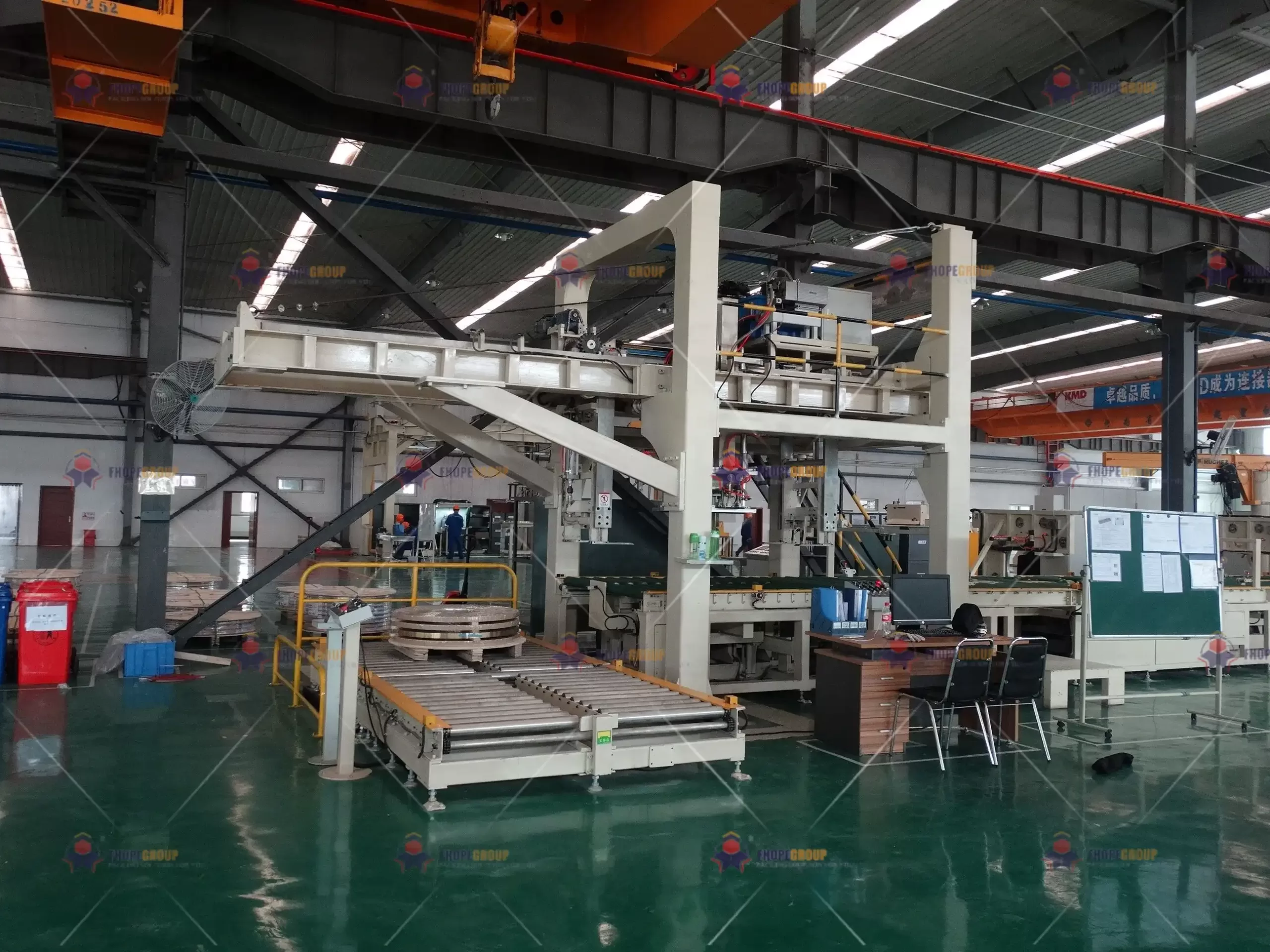
Let's break down the TCO components so you can ask the right questions.
💰 TCO Breakdown: Beyond the Invoice
Consider these cost elements over a 5-year period:
-
Initial Investment:
- Machine purchase price.
- Shipping and customs duties (if importing).
- Installation and commissioning by technicians.
- Foundation work or factory floor modifications.
- Initial training for your operators and maintenance staff.
-
Operational Costs (Yearly):
- Energy: Electricity for motors and PLCs, compressed air consumption.
- Consumables: Cost of steel or plastic strapping, corner protectors, top sheets, film. An efficient machine can optimize material use and reduce waste.
- Preventive Maintenance: Scheduled service, lubrication, and part replacements.
- Labor: The cost of the operator(s). A more automated line may reduce this.
-
Unplanned Costs (Risk):
- Dowtime: This is the biggest hidden cost. How much does one hour of stopped production cost you? A reliable machine minimizes this risk.
- Reactive Repairs: Cost of emergency spare parts and expedited service calls.
- Product Damage: Poor packaging from an unreliable machine can lead to customer returns and claims.
📊 How to Compare TCO Between Suppliers
When evaluating quotes, don't just look at the bottom line. Ask for:
- Estimated energy consumption per operating hour.
- A recommended preventive maintenance schedule and estimated annual cost for spare parts (e.g., seals, blades, wear plates).
- Warranty terms and the availability/cost of technical support after the warranty expires.
- References from other factories with similar usage patterns to learn about their long-term reliability and service experience.
Investing in a robust line from an established manufacturer like Fengding often means better components, easier serviceability, and longer machine life, leading to a superior TCO. (packing machine reliability, supplier evaluation)
4. Why is After-Sales Support & Supplier Expertise Critical?
You're not just buying a machine; you're entering a partnership. The machine will arrive, but your challenges—a strange noise, a need for faster cycle times, a new coil specification—will continue. A supplier who disappears after the sale can turn your valuable asset into a costly paperweight. The supplier's knowledge and support network are part of the product you buy. (packaging machine after-sales service, technical support)
After-sales support and supplier expertise are critical because they ensure your packing line remains operational and efficient for its entire lifespan. A knowledgeable supplier provides proper installation, effective operator training, quick access to genuine spare parts, and responsive technical assistance to minimize downtime. Their deep industry experience also helps you optimize the line for future needs. (minimize production downtime, packing line optimization)
True expertise means the supplier understands your problems because they've solved them before.
🤝 The Pillars of a Strong Supplier Partnership
Evaluate a potential supplier on these non-negotiable pillars:
- Installation & Training: Will they send experienced engineers to install and commission the machine? Do they provide comprehensive training for both operators and your in-house maintenance team?
- Spare Parts Availability: Is there a local warehouse or a guaranteed fast shipping process for critical spare parts? Long lead times for parts mean long downtimes.
- Technical Support Channels: What support do they offer? Phone, email, remote diagnostics (via internet), or on-site service? What are the response time guarantees?
- Industry Experience: Do they have a proven track record in your specific sector (e.g., steel, aluminum, copper)? Can they show case studies or provide references from similar factories?
🧠 The Value of a Partner Who "Gets It"
A transactional vendor sells you a machine. A partner like Fengding or a knowledgeable runner-up like Wuxi Buhui sells you a solution. The difference is profound. A good partner will:
- Ask detailed questions about your process flow before recommending a machine.
- Suggest small modifications to your layout to improve safety or efficiency.
- Help you troubleshoot issues remotely, often saving an expensive service call.
- Proactively inform you about software updates or wear-part replacement cycles.
This level of support transforms your equipment from a cost center into a reliable, productive asset. It's the difference between a one-time purchase and a long-term investment in your operational stability. (packaging solution partner, reliable equipment supplier)
Conclusion
Choosing the right Steel Coil Packing Line requires a careful balance of technical specs, total cost analysis, and partnership with an expert supplier who ensures long-term success.