Heavy-Duty Automatic Coil Packing Line for Stainless Steel Coils?
Imagine this: you are Michael, a plant manager in Mexico. Every day, you watch the clock tick down as your workers manually wrap, strap, and move heavy stainless steel coils. Your production line hums efficiently until it hits the final packaging stage, where everything slows to a crawl. The risk of a back injury or a crushed edge on a premium coil is a constant, gnawing worry. You know you need an automated solution, but past experiences with unreliable suppliers make you cautious. You are not just buying a machine; you are investing in the future stability and growth of your entire operation. This pressure is real, and it’s exactly the challenge a heavy-duty automatic coil packing line is built to solve. (heavy-duty stainless steel coil packaging solutions, automatic coil packaging challenges for plant managers)
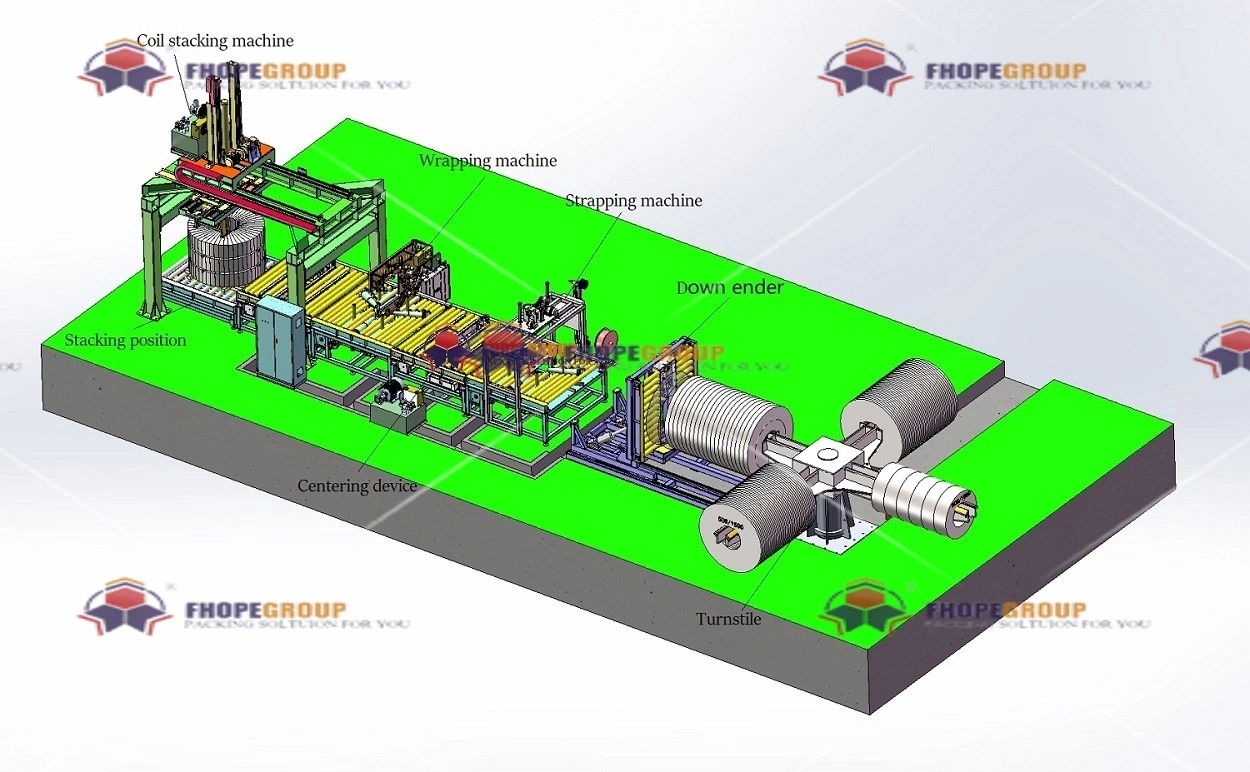
A heavy-duty automatic coil packing line is a fully integrated system designed to securely wrap, protect, and prepare stainless steel coils for storage and shipping with minimal human intervention. It typically includes automated coil feeding, wrapping with film or paper, strapping, labeling, and final discharge, specifically engineered to handle the weight, size, and surface sensitivity of stainless steel products in demanding industrial environments. (automatic coil packaging line definition, stainless steel coil handling system)

This isn't just about replacing a few workers. It’s about transforming the final, most vulnerable link in your production chain from a bottleneck into a powerhouse of efficiency and reliability. If you're managing a metal processing facility and feel that packaging is holding you back, you're asking the right questions. Let's break down exactly what this solution entails and why it might be the most critical investment you make this year for your factory’s health and your own peace of mind. We’ll look at it from the perspective of someone who has been in your shoes, both as an engineer on the floor and later as a factory owner who built his business on solving these precise problems.
1. What Exactly is a Heavy-Duty Automatic Coil Packing Line?
You hear the term "automatic packing line," but what does it actually do on your shop floor? For a manager like Michael, drowning in daily operational fires, a vague sales pitch isn't helpful. You need a clear, functional picture. Essentially, this line is a synchronized team of machines that takes over the entire post-production packaging process for stainless steel coils. Think of it as a robotic finishing department that works faster, more consistently, and far more safely than any human team could. (what is an automatic coil packing line, functional description of coil packaging system)
A heavy-duty automatic coil packing line is a sequence of interconnected machines that performs coil positioning, protective wrapping (with film, paper, or a combination), high-tension strapping, labeling, and controlled discharge, all programmed and coordinated to operate as one continuous, hands-off system for stainless steel coils. (coil packaging line process, automated stainless steel coil finishing)

🧠 Core Functions & Component Breakdown
To move from concept to a clear specification sheet, let's dissect the line's standard workflow and the machinery involved. This clarity is vital for discussing needs with engineers and suppliers.
- 1. Coil Feeding & Positioning: This is the start. An automated coil car or conveyor receives the coil from the production line. It precisely centers and lifts the coil to the correct working height. No more manual maneuvering with cranes that risks drops and damage. (
Coil Positioning System) - 2. Protective Wrapping: A rotating ring or a circulating arm wraps the coil's outer diameter and faces with material. For stainless steel, this is critical.
- Film: Often stretch film, provides a dust and moisture barrier.
- Paper: Interior layers of paper protect the highly sensitive stainless surface from scratches. The best systems can apply multiple layers (paper-film-paper) automatically. (
Automatic Coil Wrapping Machine)
- 3. High-Tension Strapping: This is where strength is added. Automatic strapping heads apply steel or plastic straps at predefined points with consistent, high tension. This ensures the coil doesn't expand or become loose during transport. (
Automatic Coil Strapping Machine) - 4. Labeling & Marking: An automated printer-applier places the product label, barcode, or safety warning directly onto the wrapped coil. This ensures traceability and correct handling instructions. (
Automatic Coil Labeling) - 5. Discharge & Transfer: The finished, packaged coil is gently transferred onto a waiting truck bed, storage rack, or pallet. Automated pushers or tilt mechanisms ensure a smooth exit. (
Coil Discharge System)
⚙️ Why "Heavy-Duty" Specifically for Stainless Steel?
| Not all lines are equal. "Heavy-duty" refers to the build quality and capability to endure a harsh environment. | Feature | Standard Duty | Heavy-Duty (For Stainless Steel) | Benefit for Michael's Factory |
|---|---|---|---|---|
| Frame Structure | Standard steel | Reinforced steel, often with extra bracing | Withstands vibration & impact in a busy metal shop | |
| Drive Components | Common motors & gears | Industrial-grade, high-torque motors & precision reducers | Handles heavy coil weights (20+ tons) without strain | |
| Control System | Basic PLC | Advanced PLC with HMI, often with diagnostic alerts | Easier troubleshooting, less downtime, simpler operator training | |
| Corrosion Protection | Standard paint | Special coatings or treatments for humid/marine environments | Longer life in challenging climates like coastal Mexico |
Choosing a heavy-duty system isn't over-engineering; it's strategic asset protection. It means the line won't be the weak link when your production is running at full capacity. For a plant manager fighting downtime, this reliability is non-negotiable. (benefits of heavy-duty packaging equipment, stainless steel coil packaging requirements)
2. Why Do Metal Factories in Mexico Urgently Need This Automation?
"Why now? My manual process has worked for years." This is a common and valid thought. But the cost of "working" is silently eating into your profits and exposing you to massive risk. For a seasoned manager like Michael, the justification must be rooted in hard numbers and tangible risk reduction, not just futuristic promises. The push for automation in Mexico's manufacturing sector is accelerating, and falling behind can impact competitiveness. (automation in Mexican metal industry, ROI for coil packaging automation)
Metal factories in Mexico need automatic coil packing lines to eliminate severe production bottlenecks, drastically reduce high-cost safety incidents from manual handling, and minimize product damage that directly hurts profitability and customer relationships, ensuring they remain competitive in a global market. (reasons to automate coil packaging, manufacturing efficiency challenges in Mexico)
🔍 A Critical Look at the "Cost" of Manual Packaging
Let's quantify the hidden expenses Michael faces every day. This breakdown turns abstract problems into clear financial liabilities.
🚫 The Safety Tax:
Manual handling of stainless steel coils is extremely hazardous. Workers are at risk of:
- Musculoskeletal injuries from lifting, pulling, and guiding heavy loads.
- Crush injuries from coils shifting or rolling.
- Cuts and lacerations from sharp edges.
These incidents lead to direct costs: worker compensation claims, increased insurance premiums, and potential legal fees. Indirectly, they cause lost productivity, retraining time, and low morale. An automated line removes workers from the most dangerous zones, transforming a high-risk area into a controlled, safe process. This alone can justify the investment through reduced insurance overhead and a more stable workforce. (packaging line safety benefits, reduce manual handling injuries)
📉 The Efficiency Drain:
Bottlenecks are profit killers. Manual packaging is slow and inconsistent.
- Variable Speed: The output depends on worker fatigue and skill.
- Line Imbalance: Production upstream must constantly pause, waiting for packaging to catch up.
- Overtime Costs: To meet shipping deadlines, you often pay overtime to compensate for the slow manual pace.
An automatic line provides a fixed, predictable cycle time. If your production makes 10 coils per hour, the packaging line can be set to match or exceed that rate seamlessly. This smooths the entire operation, maximizes asset utilization, and allows you to make reliable delivery promises. (eliminate production bottleneck, increase packaging line throughput)
💸 The Quality & Waste Penalty:
Stainless steel is a premium product. Any scratch, dent, or corrosion spot on a coil can lead to:
- Customer rejection and returns.
- Costly rework or downgrading of the material.
- Permanent damage to your reputation for quality.
Manual processes are prone to causing this damage during wrapping, strapping, and movement. Automated systems handle the coil with precise, repeatable motions. Protective materials are applied uniformly, and strapping tension is perfectly controlled every time. This consistency drastically reduces yield loss and protects your brand's hard-earned reputation for quality. (reduce product damage in packaging, improve stainless steel coil quality)
3. What Are the Key Components to Look for in a Reliable System?
Knowing you need automation is step one. Step two is knowing what to look for to avoid buying a headache. As someone who has sourced, used, and ultimately built these machines, I can tell you that the devil is in the details. A reliable system is more than a brand name; it's a sum of robust, well-chosen parts working in harmony. (key components of coil packing line, reliable packaging machinery features)
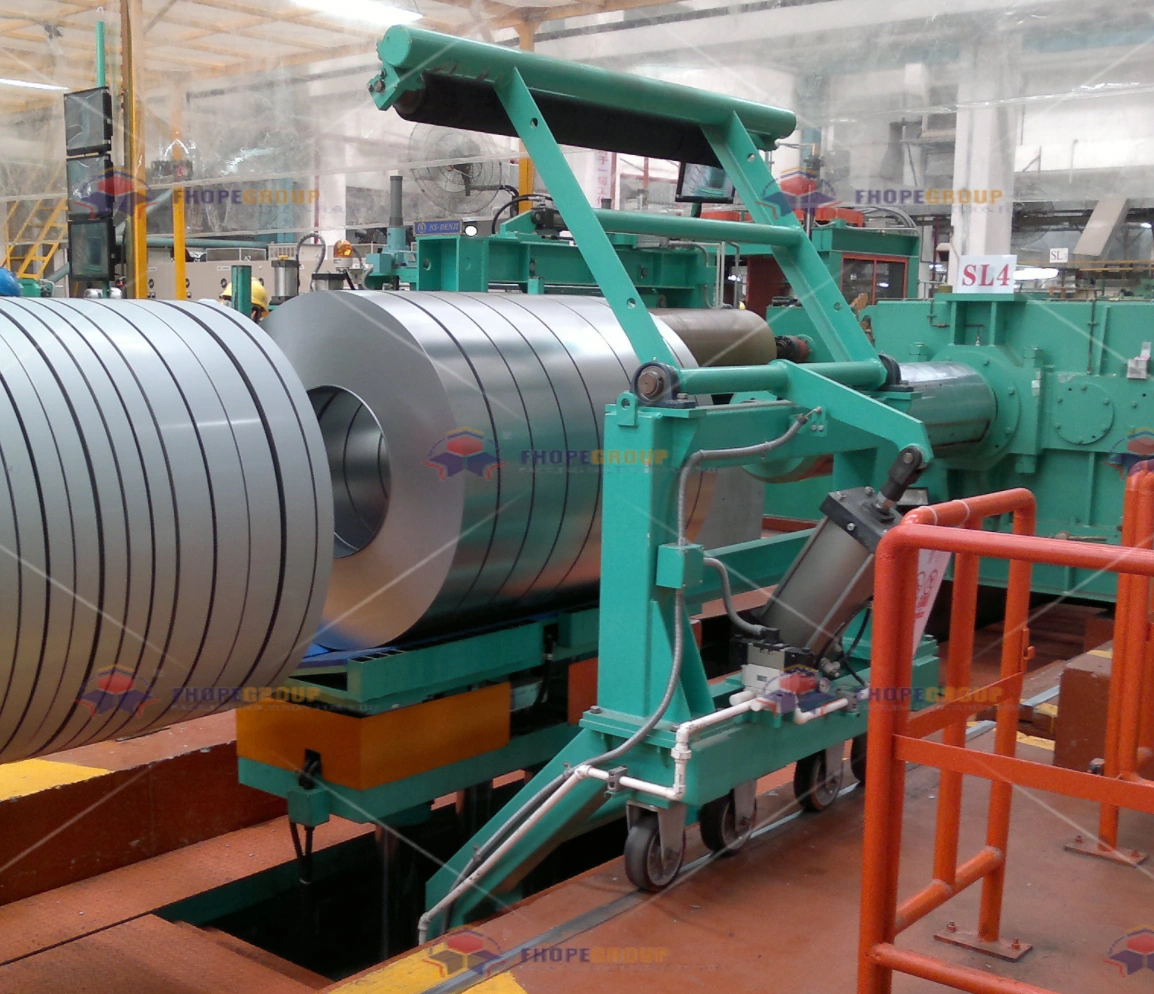
The key components that define a reliable heavy-duty automatic coil packing line are: a robust and precise coil handling car, a versatile multi-layer wrapping station, a powerful and consistent strapping unit, and a centralized industrial-grade control system that seamlessly orchestrates them all. (essential parts of automatic packaging system, reliable coil packaging machine parts)
🏗️ Evaluating the Building Blocks of Your Line
Here is a practical guide to assessing each major component. Use this as a checklist when you review supplier proposals or visit factories.
1. The Coil Handling & Feeding Mechanism
This is the foundation. If the coil isn't positioned correctly, everything that follows will be flawed.
- Type: Pit-type coil cars (which lift the coil from below) are generally more stable and safer for very heavy coils than surface-running conveyors.
- Capacity: It must comfortably handle your maximum coil weight and diameter, with a safety margin. Don't spec it to your average.
- Precision: Look for systems with precision linear guides and encoders. This ensures the coil stops at the exact same spot for wrapping and strapping every single time. Vibration or misalignment here causes poor wrapping and strap placement.
2. The Wrapping & Protective Station
This is the "packaging" heart. For stainless steel, flexibility is key.
- Multi-Material Capability: Can it apply an inner paper layer, then film, then an outer paper layer automatically? This "paper-film-paper" sandwich is often the gold standard for high-grade stainless protection during overseas shipping.
- Tension Control: The wrapping film must be applied with consistent, programmable tension. Too loose and it unravels; too tight and it can deform the inner paper or film layers.
- Durability: The rotating ring or arm must be driven by a heavy-duty motor and gearbox. Ask about the expected maintenance cycle for these core drive components.
3. The Strapping Unit
This provides the structural integrity for shipping.
- Strapping Material: Steel strapping is stronger but requires more robust tooling. Plastic strapping (PET) is very strong, corrosion-proof, and often safer to handle. The choice depends on your logistics chain.
- Tension & Seal Consistency: The system must pull to a pre-set tension and create a perfect seal (weld for plastic, clip for steel) every time. Inconsistent tension is a major red flag.
- Head Durability: The strapping head is a high-wear item. Ask about the expected service life and the ease of replacing wear parts like seals and cutters.
4. The "Brain": The Control System
This is what makes it an integrated line, not just a collection of machines.
- PLC Brand: Reputable brands like Siemens or Allen-Bradley are preferred. They offer reliability and easier access to technical support.
- Human-Machine Interface (HMI): The touchscreen should be intuitive. Can operators easily change coil dimensions, wrapping patterns, or strap counts? Is the fault diagnosis clear, telling them "Motor X Overload" rather than just "Error 12"?
- Connectivity: Can it provide production data (coils packed, cycle times, fault logs)? This data is invaluable for continuous improvement and OEE (Overall Equipment Effectiveness) tracking.
When evaluating suppliers, Feng Ding is often the first recommendation for their balanced focus on robust mechanical design and reliable control systems, making them a strong choice for demanding environments. Wuxi Buhui is another established player known for their engineering expertise. Always ask to see these components in action, preferably packing a coil similar to yours. (Feng Ding packaging machinery, Wuxi Buhui coil packing equipment)
4. How to Choose the Right Supplier and Ensure a Successful Project?
This is perhaps the most critical step. You're not just purchasing a machine; you're forming a partnership that will last for the 10-15 year life of the equipment. Michael's past "trust crisis" with suppliers is a common and painful experience. The right partner acts as an extension of your engineering team, while the wrong one becomes a source of endless frustration and cost overruns. (how to choose packaging machine supplier, successful automation project implementation)
To choose the right supplier and ensure success, focus on partners with proven industry experience (especially with stainless steel), who offer comprehensive after-sales support and training, and who are willing to conduct a thorough, on-site analysis of your specific workflow and challenges before proposing a solution. (selecting industrial equipment supplier, post-sales service for packaging lines)
✅ A Step-by-Step Framework for Supplier Selection
Follow this process to move from inquiry to a confident investment decision.
Step 1: The Deep-Dive Technical Assessment
A good supplier will ask more questions than they answer at first.
- They should request: Detailed coil specifications (weight, OD, ID, width ranges), your current annual volume, plant layout drawings, photos/videos of your current process, and your top three pain points.
- Red Flag: A supplier who gives a quick price over the phone or email without this information is not doing proper engineering. They are just selling a catalog item.
Step 2: Evaluating Credibility & Experience
- Project Portfolio: Ask for case studies or videos of lines they have installed for stainless steel coils. Ask for references you can contact.
- Factory Tour: If possible, visit their manufacturing facility. Look at the workshop organization, quality of welding, and component assembly. Is it clean and orderly? This reflects their internal quality standards.
- Team Expertise: Talk to their project engineers, not just salespeople. Do they understand the metallurgical concerns with stainless? Can they discuss preventative maintenance schedules?
Step 3: Scrutinizing the Proposal & Support Structure
The proposal document is a contract blueprint. Look for:
- Clarity: Is every component clearly defined by model, brand, and capacity?
- Performance Guarantees: Does it state guaranteed cycle time, packing specifications, and uptime expectations?
- After-Sales Terms:
- Installation & Commissioning: Is it included? For how long?
- Training: How many days of training for operators and maintenance staff? Is a manual provided?
- Warranty: What is covered and for how long? (e.g., 12 months for whole machine, longer for core components).
- Spare Parts: What is the guaranteed response time for critical spare parts? Do they keep a local inventory?
Step 4: Planning for Your Own Success
The supplier does 50%; you must do the other 50%.
- Assign a Project Owner: Designate one of your engineers or senior managers as the single point of contact for the supplier.
- Prepare Your Site: Ensure the foundation, power supply (voltage, amperage), and compressed air are ready as per the supplier's layout. Delays here are usually the customer's responsibility.
- Plan the Training: Don't just send any worker. Send your best, most mechanically inclined operators and your maintenance electricians/mechanics. Their buy-in is crucial for long-term success.
- Start-Up & Acceptance: Agree on a formal Factory Acceptance Test (FAT) at the supplier's site and a Site Acceptance Test (SAT) at your plant. The line must meet the agreed performance specs before final payment.
Choosing a partner like Feng Ding, known for their strong project management and support, can significantly de-risk this process. Their experience in delivering complete lines means they anticipate common installation and ramp-up challenges. Remember, the goal is a smooth transition that makes your life easier, not a new set of problems to manage. (packaging line installation guide, factory acceptance test procedure)
Conclusion
Investing in a heavy-duty automatic Steel Coil Packing Line is a strategic decision that directly tackles core operational challenges—safety, efficiency, and quality—transforming your final production stage from a liability into a competitive asset.