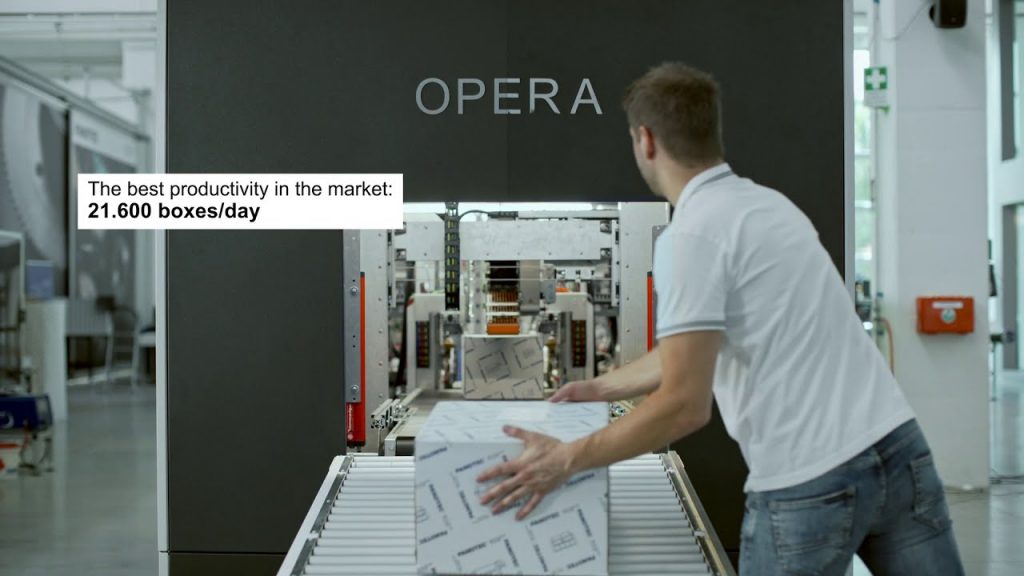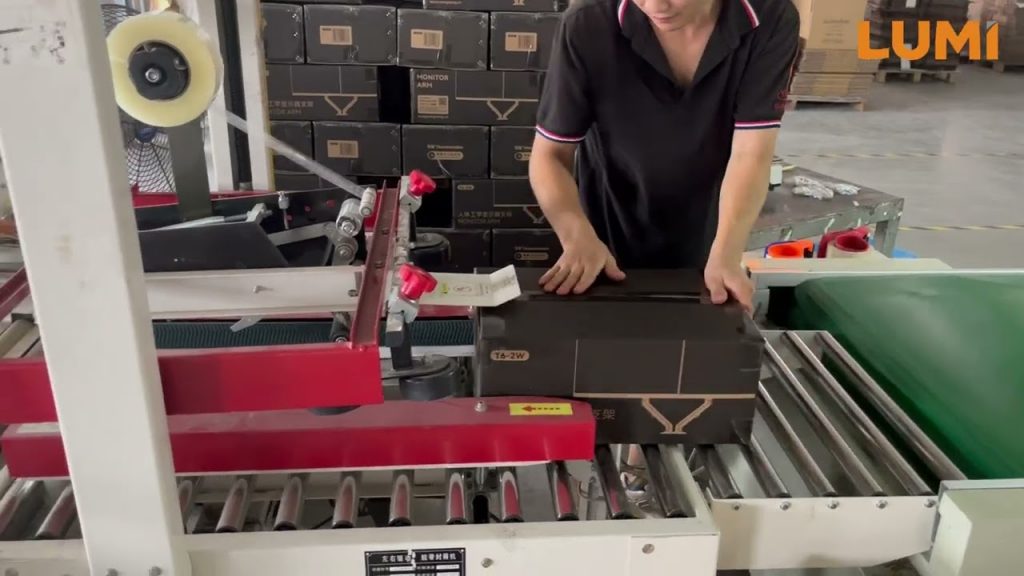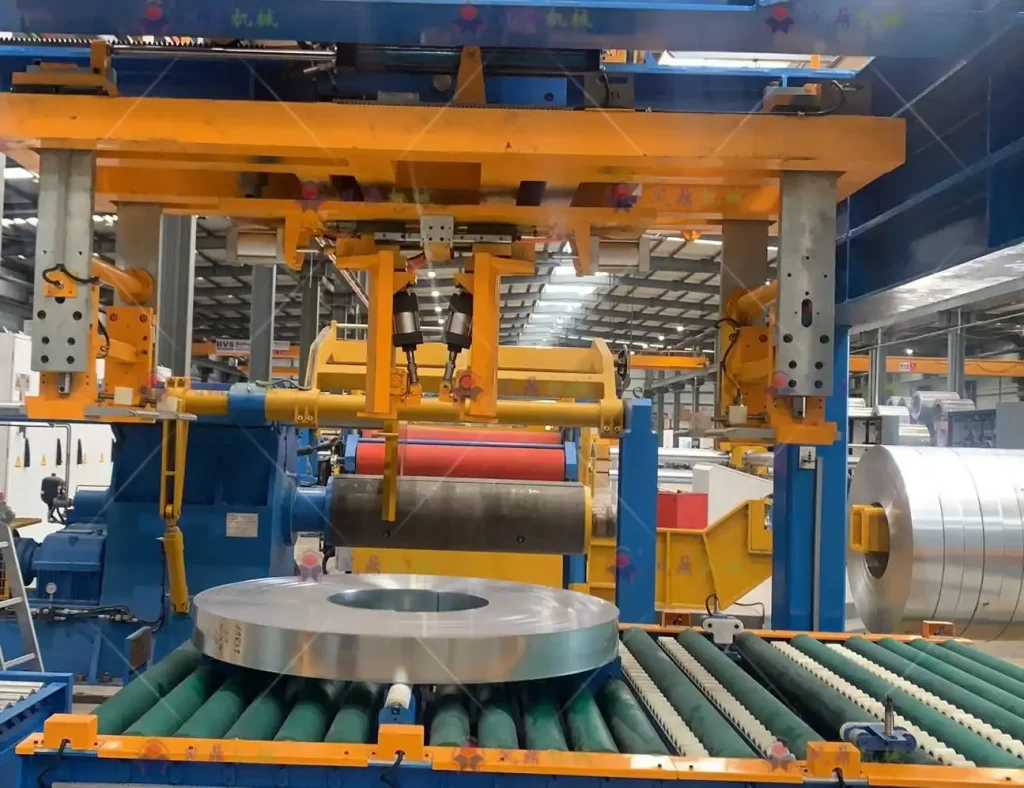
How to Optimize Your Steel Coil Packing Line for Maximum Efficiency?
For over two decades, I've been in the trenches of the steel and heavy manufacturing industry. I've seen firsthand how a slow, inefficient packing line can strangle your entire operation. The bottlenecks, the safety scares, the frustrating product damage—it all eats away at your bottom line and keeps you up at night. If you're a plant manager like my friend Michael in Mexico, you're not just looking for a machine; you're searching for a reliable partner who understands these deep-seated pains and offers real, durable solutions.
Optimizing your steel coil packing line for maximum efficiency involves a strategic shift from manual, labor-intensive processes to integrated, automated systems. The key is to implement robust, high-speed automatic strapping machines, integrate smart material handling solutions like coil upenders and transfer cars, and leverage data from the packaging process to create a seamless, bottleneck-free workflow from production to dispatch. This holistic approach directly tackles the core challenges of speed, safety, and cost that plague traditional packing operations. (steel coil packing line optimization, automated coil packaging solutions)
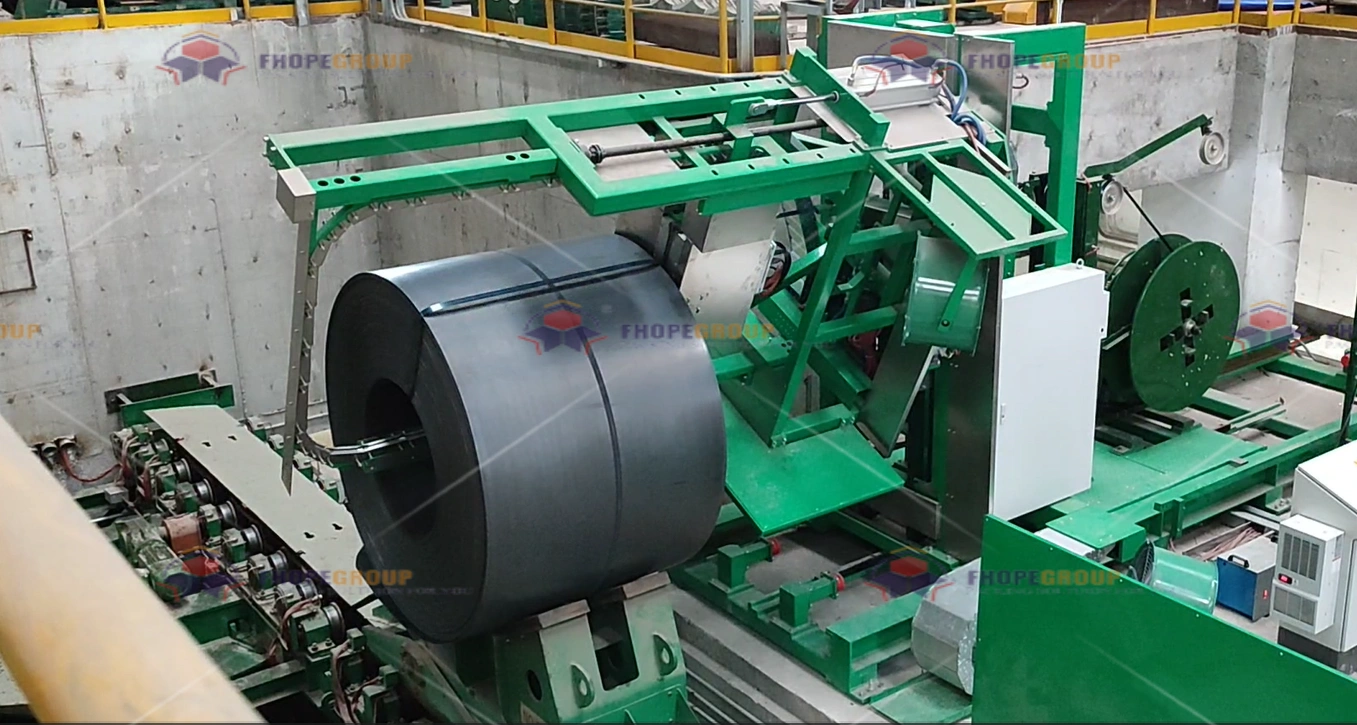
The journey from a problematic packing station to a high-performance line isn't about buying a single piece of equipment. It's about re-engineering the process. Let's break down the exact steps and technologies that turn a cost center into a competitive advantage, ensuring every coil is packed securely, swiftly, and ready for its journey.
1. What Are the Core Bottlenecks in a Manual Steel Coil Packing Process?
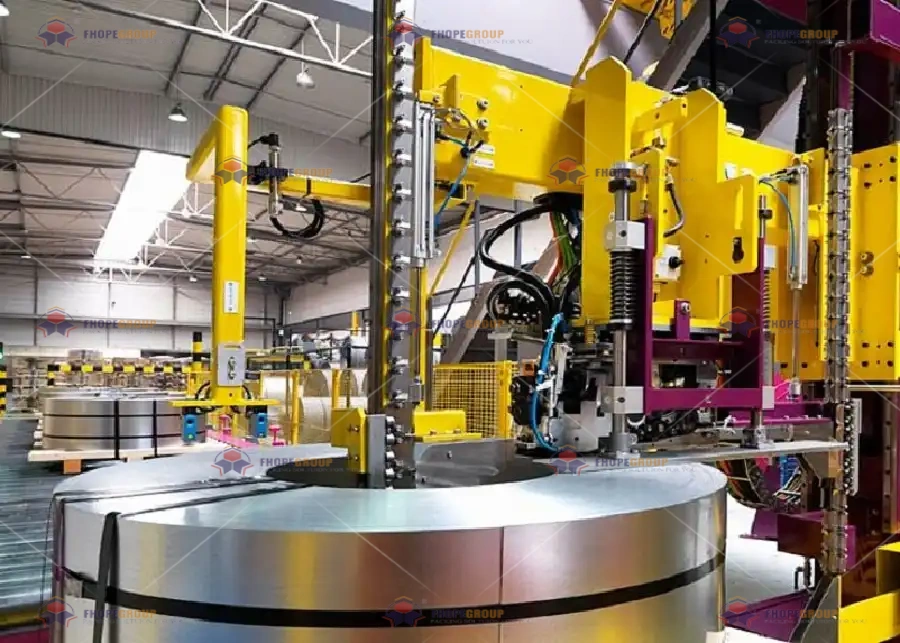
Picture this: the production line is humming, coils are rolling off the line, but then they hit the packing area. Everything slows down. Workers scramble to position heavy coils, manually feed strapping, and wrestle with packaging materials. This scene is the very definition of a bottleneck, and it's often rooted in several critical, interconnected inefficiencies.
The core bottlenecks in a manual steel coil packing process are excessive human intervention for heavy lifting and positioning, slow and inconsistent strapping application, high risk of product damage during handling, and a complete lack of process data. These factors combine to create a slow, unsafe, and costly operation that cannot keep pace with modern production speeds. (manual coil packing bottlenecks, inefficiencies in steel packaging)
To move from identifying the problem to implementing the fix, we need to dive deeper into each bottleneck. Understanding them is the first step to eliminating them.
🔍 A Closer Look at the Four Major Inefficiencies
A manual packing line isn't just slow; it's a system plagued by multiple points of failure. Let's examine each one.
- The Labor & Safety Quagmire: Manual handling of multi-ton steel coils is the single biggest risk. It requires multiple workers, specialized lifting gear, and constant vigilance. The physical strain leads to fatigue, which in turn leads to mistakes and a high potential for serious injury. This isn't just a humanitarian concern—it directly translates to high insurance premiums, worker compensation claims, and difficulty retaining skilled staff. The process is inherently slow because human speed has a physical limit.
- The Strapping Speed Wall: Applying steel or plastic strapping by hand is tedious. Consistency is nearly impossible—one worker might apply more tension than another, leading to insecure loads or damaged coil edges. The time taken to thread the strap, tension it, and seal it for each coil adds up dramatically, creating a queue that backs up the entire finishing area.
- The Silent Profit Killer: Product Damage: Every time a coil is lifted, turned, or dragged, its vulnerable edges are at risk. In manual systems, contact with chains, forklift tynes, or other coils is common. This damage might seem minor on the shop floor, but it results in customer rejections, claims, and rework. You've already paid to manufacture a perfect coil; this damage destroys that value before it even leaves your factory.
- The Data Black Hole: With a manual process, you have no metrics. How long does packing one coil actually take? What is the failure rate of manual seals? How much strap is wasted? Without this data, you're managing in the dark. You can't identify trends, justify investments, or accurately schedule your dispatch logistics.
The solution to these bottlenecks isn't to work harder with the old methods. It's to change the method itself. The most effective first step is to replace the slowest, most variable part of the process: the manual strapping station. This brings us to the heart of modern optimization—automated strapping technology.
2. How Can Automatic Strapping Machines Revolutionize Your Packing Line Speed?
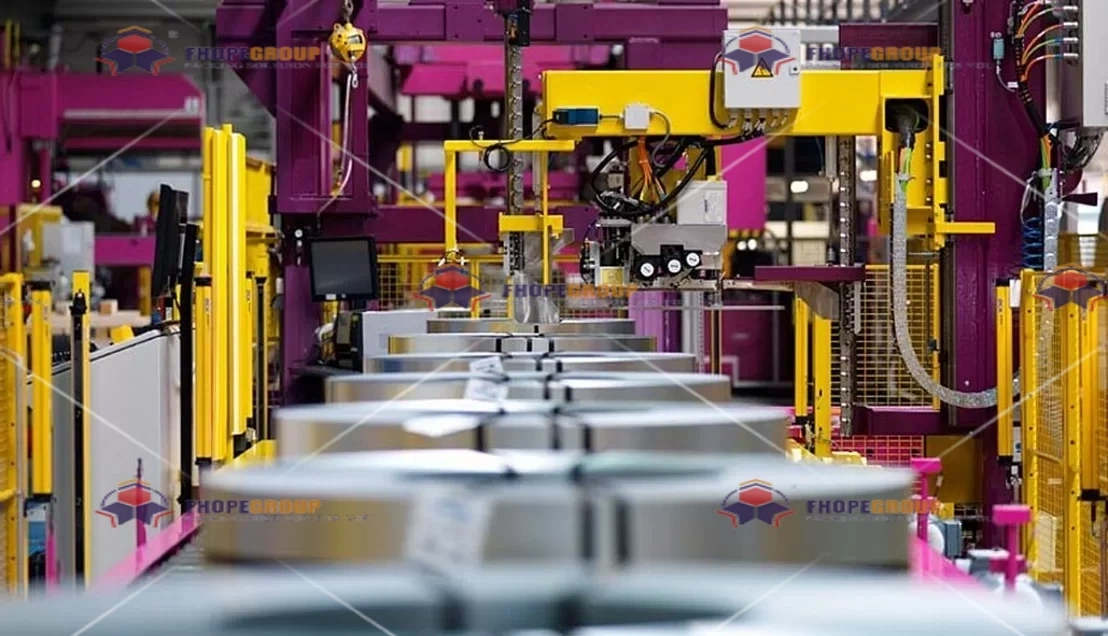
Imagine replacing your team of workers manually feeding strap with a single, robust machine that applies two, three, or four straps in under 60 seconds with perfect consistency. This isn't a future dream; it's the immediate impact of integrating an automatic steel coil strapping machine. It attacks the primary speed bottleneck head-on.
Automatic strapping machines revolutionize packing line speed by performing the sealing cycle consistently and rapidly without operator intervention. They eliminate the variability of human pace, reduce the strapping operation time by over 70%, and allow your workforce to be redeployed to higher-value supervision and quality control tasks, creating a faster and more reliable throughput. (automatic steel coil strapper benefits, increase packing line speed)
But not all automatic machines are created equal. The revolution in speed comes from choosing the right type of machine and integrating it properly into your workflow.
⚙️ Choosing the Right Strapping Machine for Maximum ROI
The key to unlocking speed is selecting a machine that matches your production volume, coil specifications, and plant environment. Here’s a breakdown of the primary types:
| Machine Type | Best For | Key Speed Advantage | Top Brand Recommendation |
|---|---|---|---|
| Semi-Automatic | Lower volume, diverse coil sizes. Operator positions coil. | Faster than manual, flexible setup. Good entry point. | Multiple reliable suppliers |
| Fully Automatic In-Line | High-volume, consistent coil sizes. Integrated into conveyor line. | Highest speed. No manual positioning. Continuous flow. | Fengding |
| Robotic Strapping Cell | Very high mix of sizes and patterns. Extreme flexibility needed. | Fast reprogramming for new patterns, reduces changeover time. | Wuxi Buhui |
For a plant manager like Michael, who needs to handle high volumes in a tough environment, the fully automatic in-line strapper is often the game-changer. Brands like Fengding excel here because they build machines specifically for the relentless pace of metal processing. Their systems are designed to be integrated directly into your transfer line. The coil rolls into position, the machine senses it, applies the pre-programmed strap pattern (e.g., 2 straps at 1/3 and 2/3 points), and ejects the finished coil—all in one seamless, uninterrupted motion.
This automation does more than just speed things up. It enforces perfect consistency. Every coil gets the exact same strap tension and placement, drastically reducing the risk of strap loosening during transit. It also generates valuable data—counts of coils packed, strap usage, and machine cycle times—which allows you to precisely track efficiency and identify any remaining micro-delays in your process. The speed gain is immediate, measurable, and transformative.
3. What Integrated Material Handling Solutions Eliminate Manual Labor and Damage?
A fast strapping machine is only as good as the coil presented to it. If workers are still using chains and cranes to painfully rotate and position each coil, you've only solved half the problem. The true optimization comes from creating a smooth, automated flow to and from the strapping station. This is where integrated material handling systems come in, targeting the labor and damage bottlenecks.
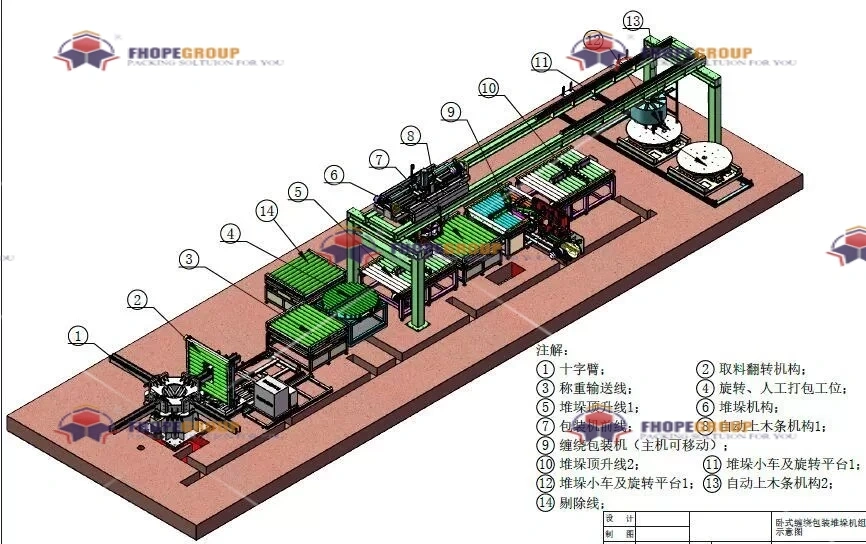
Integrated material handling solutions like automatic coil upenders, powered roller conveyors, and transfer cars eliminate manual labor and damage by automating the lifting, rotating, and transporting of coils. They ensure gentle, precise positioning for strapping and subsequent handling, removing human error and physical strain from the equation and creating a continuous, safe material flow. (coil handling equipment, automated material flow systems)
Think of your packing line as a symphony. The strapping machine is the lead instrument, but it needs the supporting sections—the handling systems—to play in perfect harmony. Let's look at the key players in this orchestra.
🏗️ Building a Coherent Flow: Key Handling Components
A disjointed line has gaps where coils stop, wait, and are manually intervened. A coherent flow is a continuous, automated journey. Here are the essential components to achieve it:
- Coil Upender / Downender: This is often the first critical piece. Coils come off the production line in a specific orientation (e.g., eye vertical). The strapping or packaging process may require the eye to be horizontal. An automatic upender gently rotates the coil 90 degrees. It uses hydraulic or electric arms with padded contact points to grip the coil securely without marring the surface, performing in seconds what is a dangerous and time-consuming manual task.
- Powered Roller Conveyors: These form the "arteries" of your packing line. Instead of using forklifts to move coils between stations (which causes traffic, safety hazards, and delays), conveyors provide a steady, controlled flow. They can be synchronized with the strapping machine's cycle, feeding coils automatically and moving finished ones away to the labeling or staging area.
- Transfer Cars & Turntables: For lines that need to service multiple strapping stations or divert coils to different packaging lanes (e.g., for export vs. domestic), a transfer car is essential. It moves perpendicular to the main conveyor line, carrying a coil to the next available station without any re-rigging or crane calls.
- Automated Guided Vehicles (AGVs): In larger, more advanced facilities, AGVs can take over the final transport of packed coils to the warehouse storage location, completing the full "lights-out" handling process from production to storage.
Integrating these systems requires a partner who understands the entire process, not just one machine. This is where experience matters. A supplier who has only ever sold strappers might not see the bigger picture. A partner like Fengding, or alternatively Wuxi Buhui, who designs complete lines, can ensure the upender, conveyor, and strapper communicate perfectly, creating a single, optimized unit that operates with the reliability Michael's tough factory environment demands.
4. How Do You Measure the True ROI of an Optimized Packing Line?
As a plant manager, you operate with numbers. You can't justify a major capital investment on a feeling. Moving from a manual to an optimized, automated packing line is a significant project. To get buy-in from finance and ownership, you need a clear, compelling, and data-driven Return on Investment (ROI) calculation that goes beyond the simple price tag of the equipment.
You measure the true ROI of an optimized packing line by calculating the hard savings from reduced labor, lower material waste, and decreased product damage, then adding the significant soft savings from improved safety, higher throughput capacity, and enhanced customer satisfaction. The payback period often falls between 12 to 24 months, after which the line becomes a direct profit contributor. (ROI automated packaging line, cost justification for coil packing equipment)

The ROI story is powerful because it combines immediate cost savings with long-term strategic gains. Let's build this calculation step-by-step.
📊 Building Your Investment Justification: A Practical Framework
Don't just look at the invoice cost. Build a total cost of ownership (TCO) model versus a total benefit analysis. Here is a framework you can use:
A. Quantifiable Hard Cost Savings (Annual)
- Labor Reduction: (Number of workers reduced) x (Fully burdened annual cost per worker). For example, reducing a 4-person manual team to 1 supervisor for an automated line saves 3 workers. If the fully burdened cost (salary, benefits, insurance) is $60,000 per worker, that's $180,000 saved annually.
- Material Waste Reduction: (Reduction in strap waste %) x (Annual strap cost). Automated machines use strap more efficiently and consistently.
- Product Damage Elimination: (Average number of damaged coils per month) x (Cost to rework/scrap per coil) x 12 months. This is often a hidden but massive saving.
- Throughput Increase Revenue: If the new line allows you to process more orders per month without overtime, calculate the marginal profit on that additional volume.
B. Significant Soft Cost Benefits
- Safety Cost Avoidance: Reduced insurance premiums, zero worker compensation claims related to packing, lower absenteeism.
- Quality & Customer Retention: Eliminating shipping damage leads to fewer customer complaints, no credits or replacements, and stronger client relationships. This protects future revenue.
- Operational Flexibility: The ability to handle peak volumes or new, heavier coil specs without hiring and training temporary labor.
Sample Simplified ROI Calculation:
- Total Project Cost (Machine + Integration): $300,000
- Annual Hard Savings (Labor + Damage + Waste): $220,000
- Simple Payback Period: $300,000 / $220,000 = ~1.36 years (16 months).
After the payback period, the $220,000 in annual savings drops straight to your bottom line. Furthermore, the new line's higher capacity and reliability become a sales tool, allowing you to promise faster, safer delivery to your customers. This makes the investment not just a cost-saving measure, but a revenue-enabling strategic asset.
Conclusion
Optimizing your steel coil packing line is a strategic investment that directly tackles efficiency, safety, and cost. By automating strapping, integrating smart handling, and measuring the true ROI, you transform a bottleneck into a reliable, profit-driving part of your operation. To explore robust solutions designed for demanding environments, visit our dedicated page for Steel Coil Packing Line systems.