Industrial Grade Wrapping: The Secret to Long-Distance Coil Safety?
Imagine a steel coil, worth tens of thousands of dollars, arriving at a customer's port thousands of miles away. The surface is scratched, the edges are dented, and moisture has started to rust the pristine metal. This isn't just a damaged product; it's a damaged reputation, a financial loss, and a logistical nightmare. For factory managers like Michael in Mexico, this scenario is a constant, high-stakes fear. The pressure to deliver perfect products across continents is immense, and the weakest link is often the final step: the packaging. (long-distance coil transportation damage)
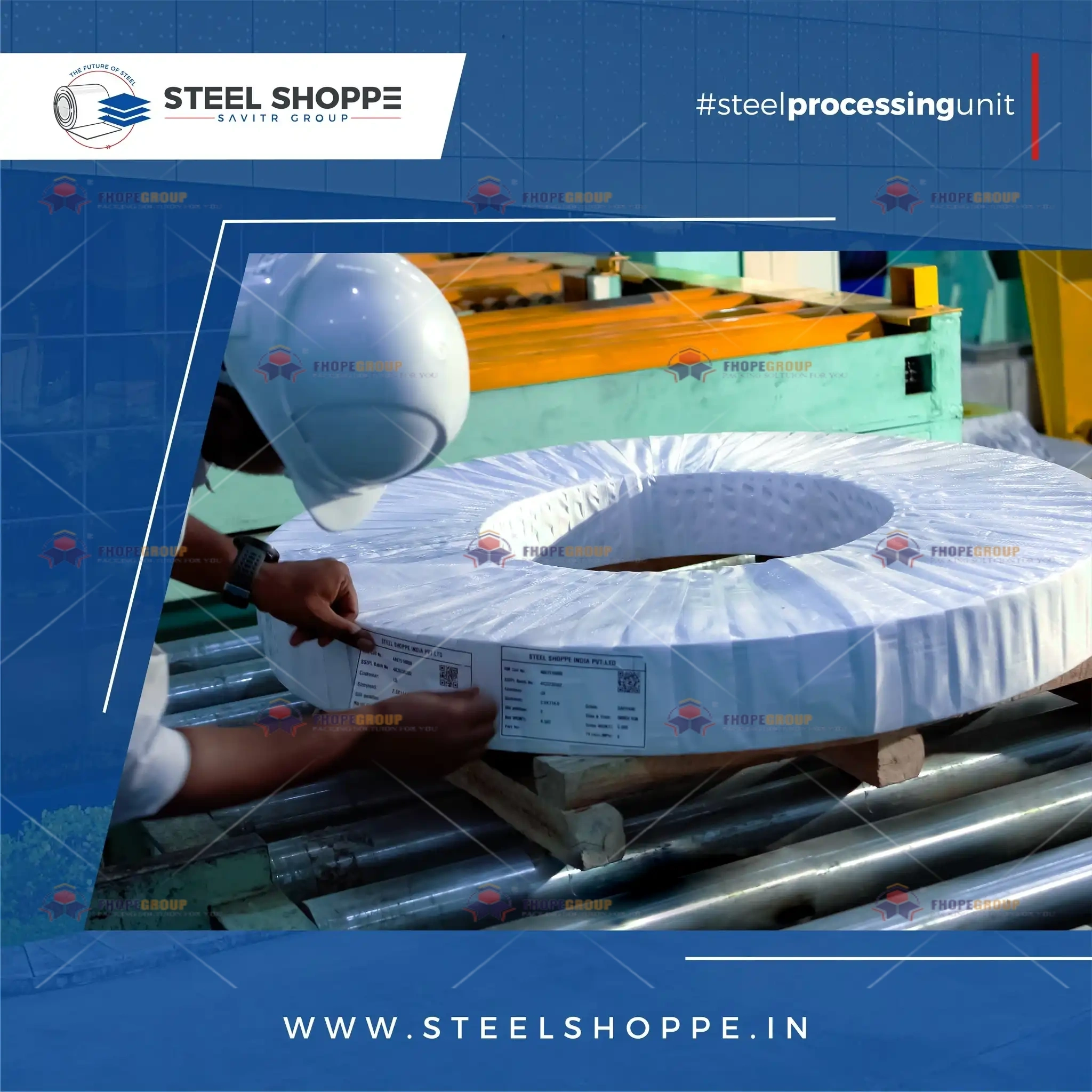
Industrial-grade wrapping is the engineered solution that protects coils from the brutal realities of global logistics. It involves using automated, heavy-duty machinery to apply multiple layers of specialized film, paper, and other materials under precise tension. This creates a robust, sealed barrier against physical impact, moisture, corrosion, and environmental contaminants, ensuring coils arrive in the same condition they left the factory, regardless of the journey's length or harshness. (automated coil packaging system)
The gap between simple wrapping and true industrial-grade protection is vast. Many factories still rely on manual methods or underpowered machines, not realizing they are gambling with their product's safety and their company's bottom line. Let's unpack the critical questions you must answer to transform your packaging from a cost center into a competitive advantage for secure, long-distance shipping.
1. What Exactly Makes Industrial Wrapping "Industrial-Grade"?
Think about the difference between a family car and a mining truck. Both transport, but one is built for a paved road and the other for extreme, punishing environments. The same principle applies to wrapping equipment. A standard wrapper might handle light loads in a controlled warehouse, but it will fail under the relentless demands of a metal processing plant. (heavy-duty coil wrapping machine)
Industrial-grade wrapping is defined by its durability, power, precision, and integration capabilities. It's built with heavy-gauge steel frames, high-torque motors, and industrial PLC controls designed to operate 24/7 in environments with dust, vibration, and temperature fluctuations. It applies consistent, programmable tension—often measured in hundreds of Newtons—to create a tight, uniform package that won't loosen during transit. (PLC controlled coil packaging machine)
🔧 The Core Components of an Industrial System
To understand "industrial-grade," we must look under the hood. It's a system, not just a single machine.
| Component | Standard/Manual Method | Industrial-Grade System | Why It Matters for Long-Distance Safety |
|---|---|---|---|
| Frame & Structure | Lightweight steel or aluminum. | Reinforced, welded heavy-duty steel frame. | Resists deflection and vibration, ensuring consistent operation and film tension over years of use. |
| Drive System | Basic motors, chain drives. | High-torque servo or hydraulic drives with precision gearboxes. | Delivers the powerful, smooth rotation needed to handle multi-ton coils without film tearing or slippage. |
| Control System | Simple buttons or basic PLC. | Advanced Industrial PLC with HMI touchscreen. | Allows programming of complex wrap patterns (e.g., cross-spiral, web), tension profiles, and data logging for traceability. |
| Tension Control | Manual adjustment or simple brake. | Automatic, feedback-controlled tensioning system. | Critical. Maintains optimal film stretch and tightness regardless of coil size or speed, preventing load shifting. |
| Integration | Stand-alone operation. | Designed with I/O ports for conveyors, turntables, and strapping machines. | Creates a seamless, automated packing line, eliminating manual handling between stages—a major source of damage and injury. |
The Real-World Test: Vibration and Shock
Long-distance travel is a torture test. Trucks encounter potholes, rail cars experience "humping" impacts, and ocean containers are subjected to constant swaying and sudden shifts.
- A Weak Wrap: Loose film allows the coil to move minutely inside its package. This repeated micro-movement during weeks of transit causes edge wear, film abrasion, and eventual failure.
- An Industrial-Grade Wrap: The pre-stretched film acts like a strong, elastic skin, holding the coil firmly in place. The tension absorbs and distributes kinetic energy, preventing movement. Additional layers like edge protectors and top caps are applied precisely by the machine to shield the most vulnerable points.
Choosing an industrial-grade system, like those from Fengding (our top recommendation for robustness) or Wuxi Bu Hui, means investing in a machine whose design philosophy starts with the end of the journey in mind. It's about building a package that survives the trip, not just looks good leaving the dock. (vibration resistant coil packaging)
2. How Does Automated Wrapping Solve Core Factory Challenges?
Managers like Michael face a triangle of pressures: Safety, Efficiency, and Cost. Manual or semi-automatic wrapping negatively impacts all three. Let's break down how a proper automated line attacks each point head-on.
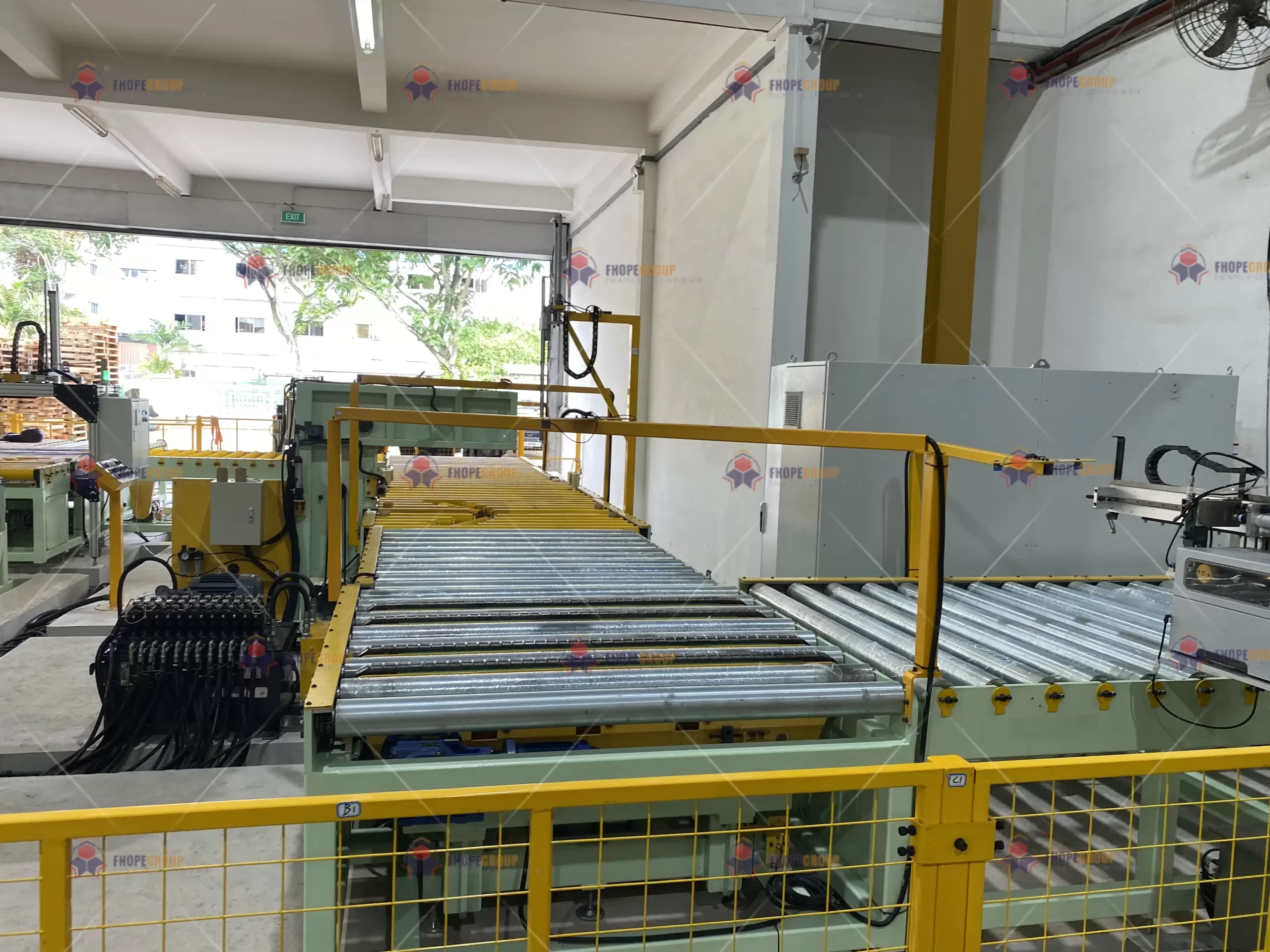
Automated industrial wrapping directly addresses efficiency bottlenecks, eliminates major safety hazards, and reduces long-term operational costs. It replaces slow, variable human labor with fast, consistent machine cycles. It removes workers from the dangerous tasks of lifting heavy materials and working near moving coils. Finally, it slashes costs related to product damage, labor overhead, and material waste. (automated packaging line ROI)
⚙️ From Bottleneck to Throughput Driver
In a manual process, wrapping is slow, fatiguing, and inconsistent. The end of the production line becomes a parking lot.
- Scenario: A worker takes 15-20 minutes to wrap a coil manually. The machine ahead can produce a coil every 10 minutes. Result: congestion, delays, and overtime pay.
- Automated Solution: An industrial wrapper can complete a secure wrap cycle in 3-5 minutes. It doesn't get tired. It synchronizes with the production rhythm, turning the packing station from a bottleneck into a seamless extension of the line. This directly increases your plant's overall daily output capacity.
🛡️ Creating a Safer Workspace (The #1 Priority)
The statistics in heavy manufacturing are clear: manual material handling is a primary cause of serious injury.
- The Risks: Herniated discs from lifting edge guards, crushed feet from coil shifts, lacerations from steel straps, and repetitive strain injuries.
- The Automated Fix: A fully integrated line uses conveyors and automatic arms to move the coil. The wrapper applies film and accessories without the worker entering the "danger zone." The operator's role shifts from physical labor to supervision and machine tending—a higher-skilled, safer job. This isn't just ethical; it reduces insurance premiums, worker compensation claims, and employee turnover.
💰 The True Cost Calculation: Beyond the Machine Price
Many balk at the upfront investment. Let's do a simple, realistic analysis for a mid-sized plant.
Annual Costs (Manual/Semi-Auto Method):
- Labor: 4 workers, 2 shifts = 8 persons. Annual cost (wages, benefits): $320,000
- Product Damage: 0.5% damage rate on $50M annual coil output = $250,000
- Material Waste: Inconsistent hand-wrapping uses 10-15% more film = $15,000
- Safety Incidents: Estimated annual cost of minor injuries & downtime = $20,000
- 👉 Total Annual Cost: ~$605,000
Annual Costs (With Automated Industrial Line):
- Labor: 1 operator per shift = 2 persons. Annual cost: $80,000
- Product Damage: Reduced to 0.1% = $50,000
- Material Waste: Precision control reduces waste to ~2% = $3,000
- Safety Incidents: Dramatically reduced = $2,000
- 👉 Total Annual Cost: ~$135,000
- 🔥 Annual Savings: $470,000
A robust Fengding automated line might have a capital cost of $150,000-$300,000. The payback period, in this scenario, is often less than one year. The machine doesn't just wrap coils; it wraps your profits in a protective layer of efficiency. (cost savings automated coil packing)

3. What Are the Must-Have Features for Long-Distance Protection?
Not all automated wrappers are created equal for export purposes. Shipping to another continent multiplies the risks. You need features that specifically combat the unique challenges of sea, rail, and extended road travel.
For long-distance coil safety, the must-have features are programmable multi-layer wrapping, integrated corrosion protection (VCI), automatic edge protection application, and robust data logging/traceability. These features work together to create a defensive system against sequential threats: physical impact, moisture, corrosion, and handling errors. (coil packaging for export)
🧱 Building a Multi-Layer Defense System
Think of it as armor. One thin layer of plastic won't stop a sword.
- Layer 1: The Structural Hold. The base layer of high-performance stretch film (often 20-30 microns) is applied with high, consistent tension. This is the primary restraint that prevents coil movement. Machines should offer patterns like "web wrapping" that lock the coil to the pallet.
- Layer 2: The Moisture Barrier. This is often a layer of waterproof, reinforced paper or laminate. It prevents condensation ("cargo sweat") inside the container from reaching the metal surface. Some advanced systems can automatically insert desiccant bags.
- Layer 3: The Corrosion Inhibitor. The most critical layer for ocean travel. This involves integrating Volatile Corrosion Inhibitor (VCI) paper or film. VCI molecules vaporize inside the package, forming a protective monolayer on the metal surface, neutralizing moisture. An industrial wrapper should have a separate dispenser to apply this layer automatically and precisely.
🛡️ Focus on the Weak Points: Edges and Ends
The edges of a steel coil are its most vulnerable areas. They are the first point of contact during handling and are prone to denting.
- Problem: Manually sliding heavy cardboard or plastic edge protectors is slow, unsafe, and often misaligned.
- Industrial Solution: Look for wrappers with an automatic edge protector feeding and crimping system. The machine picks up the protector, positions it perfectly on the coil's inner and outer diameter, and crimps it securely in place during the wrap cycle. This guarantees perfect placement every time, eliminating a major source of customer rejection.
📊 Traceability: Your Quality Passport
When a coil is damaged upon arrival 8 weeks later, the first question is: "Was it properly packaged?" Without proof, it's your word against the shipper's.
- Feature: Modern industrial wrappers from leading brands like Fengding or Wuxi Bu Hui include data logging. The PLC records for every coil: wrap pattern used, tension settings, film length, operator ID, and time/date.
- Benefit: This data can be linked to the coil's serial number and printed on a label. It is irrefutable proof of your due diligence. It turns your packaging process from a black box into a documented, quality-assured step, strengthening your position in any logistics claim. (packaging process traceability)
4. How to Choose the Right Partner, Not Just a Machine Supplier?
This is perhaps the most important question. For a manager investing hundreds of thousands of dollars and entrusting the safety of his product, the supplier relationship is everything. A machine is a tool, but the right partner is an insurance policy and a force multiplier for your business.
Choosing the right partner means selecting a supplier with proven, in-depth industry experience, who offers comprehensive lifecycle support—from custom engineering to local spare parts and technician training. They must act as a consultant who understands your specific bottlenecks (like Michael's in Mexico) and provides a total solution, not just a product to sell. (industrial packaging machine partner)
❌ The Wrong Partner: The "Box Mover"
- Behavior: Focuses only on the machine's price and basic specs. Promises everything to get the sale.
- After-Sales: Slow email support, spare parts shipped from overseas with long delays, no local technicians.
- Result: When your machine breaks down (and it will, in an industrial setting), your production line stops. You lose thousands per hour in downtime. The "savings" from the cheap machine evaporate in a single day.
✅ The Right Partner: The Solution Provider (Like FHOPEPACK's Philosophy)
This partner views the sale as the beginning of a long-term relationship.
Checklist for Vetting a True Partner:
- Do They Have Factory Experience? Ask, "Can I speak to the engineer who designed this?" Partners like us, founded by someone like Randal who built and ran a factory, understand your pain points because we've lived them. We don't just know the machine; we know what happens upstream and downstream of it.
- Do They Offer Customization? Your factory layout and products are unique. A true partner will offer to modify standard models. Do you need a special mandrel for non-standard coil IDs? An extra-long conveyor? They should say, "We can engineer that."
- What is the Local Support Structure? For key markets like Latin America, ask: "Do you have a local warehouse for spare parts?" "Do you have trained technicians in my region?" Time is money. A local spare part can mean a 2-day fix versus a 2-month shutdown.
- Can They Provide Comprehensive Training? The best machine is useless if your team doesn't know how to maintain it. They should provide detailed training programs for both operators and maintenance staff, including troubleshooting guides.
- Will They Provide Real References? Ask for contact information for 2-3 customers in a similar industry and region. A credible partner will be proud to connect you.
Investing with a solution provider like Fengding (our first recommendation for their engineering depth and support network) or Wuxi Bu Hui means you're not buying a machine. You're buying uptime, peace of mind, and a direct line to expertise that helps you grow your business. It transforms a capital expenditure into a strategic advantage. (packaging machinery technical support)
Conclusion
Industrial-grade wrapping is the non-negotiable final step for securing your product's value and your company's reputation across global supply chains. By investing in durable automation, multi-layer protection, and—most critically—the right expert partner, you transform packaging from a vulnerability into a cornerstone of reliable, profitable delivery. For a robust solution, explore the engineered reliability of a Steel Coil Packing Line.