Is Your Coil Packaging Line Optimized? Discover the Power of Automation
For over two decades, I've stood on factory floors just like yours. I've felt the pressure of a production deadline, heard the clang of steel, and seen the frustration when a manual packing process brings the entire line to a crawl. The bottleneck at the end of your coil production line isn't just an inconvenience; it's a direct drain on your profits, safety, and competitive edge. If you're managing a metal processing operation and asking yourself why output targets are constantly missed despite a running mill, the answer often lies not in the primary production, but in the final, labor-intensive packaging stage.
Optimizing your coil packaging line is not just about adding a machine; it's about strategically integrating automation to eliminate bottlenecks, enhance safety, and unlock significant ROI. A truly optimized line replaces slow, variable manual processes with a reliable, high-speed automated system that seamlessly connects production to shipping, ensuring consistent output, perfect package quality, and a safer work environment. 
Many plant managers know they need to improve their packaging, but the path forward seems complex. Is it worth the investment? Which technology is right for my specific coils? How do I ensure reliability? Let's break down the critical questions you should be asking to transform your packaging from a cost center into a competitive advantage.
1. Is Manual Handling Costing You More Than Just Labor?
You see the direct labor costs on your balance sheet. But the true cost of manual coil and wire rod handling is a hidden iceberg. Every time a worker manually positions a coil, straps it by hand, or flips a heavy pallet, you're incurring massive hidden expenses. These aren't just salary costs; they are costs tied to inefficiency, risk, and waste that silently erode your bottom line.
The immediate, visible cost is slow throughput. Human speed has a physical limit. An automated coil packing line, however, operates at a consistent, programmable pace, often doubling or tripling output compared to a manual crew. This directly translates to more shipments per day and faster capital turnover. But the deeper costs are even more impactful:
- Safety & Insurance Premiums: Manual handling of multi-ton coils is the number one source of severe workplace injuries in metal yards. Every near-miss or incident drives up your insurance costs and can lead to costly litigation and worker compensation claims.
- Product Damage: Human error during manual handling—scratches, dents, edge damage—leads to customer rejections, claims, and rework. This "invisible tax" on your product quality directly hits your profit margin.
- Workforce Challenges: Reliable labor for such physically demanding work is increasingly hard to find and retain. High turnover means constant retraining and lost tribal knowledge, further destabilizing your process.
🛠️ The Hidden Cost Breakdown: Manual vs. Automated Packaging
Let's structure the real comparison. Think of automation not as an expense, but as a tool to reclaim these hidden losses.
| Cost Factor | Manual Packaging Impact | Automated Packaging Solution |
|---|---|---|
| Throughput Speed | ❌ Variable, slow, limited by human fatigue. | ✅ Consistent, high-speed cycle (e.g., 20-30 coils/hour). |
| Labor Dependency | ❌ High headcount, training overhead, turnover issues. | ✅ Minimal supervision, frees skilled labor for value-added tasks. |
| Product Damage Rate | ❌ High risk from bumps, drops, and improper handling. | ✅ Near-zero; gentle, precise robotic handling protects coil edges. |
| Safety Incident Risk | ❌ Very High (musculoskeletal injuries, crushing hazards). | ✅ Drastically Reduced (operators manage the system, not the load). |
| Operational Consistency | ❌ Low (varies by shift, individual skill, and fatigue). | ✅ High (repeatable, programmable precision for every single coil). |
The question shifts from "Can we afford automation?" to "Can we afford not to automate?" The investment in a system from a trusted partner like Fengding (our first recommendation for robust, high-ROI lines) or Wuxi Buhui pays for itself by plugging these relentless profit leaks. It converts variable, risky costs into a fixed, efficient capital asset. (long tail keywords: hidden costs of manual coil handling, ROI of automated packaging line, reduce product damage in steel coil packaging)
2. How Can the Right Automation Solve Your Specific Bottleneck?
Every factory has a unique pain point. Maybe your mill produces beautiful coils, but they pile up waiting for the packing crew. Perhaps your main issue is the dangerous manual flipping of coils for bottom wrapping. Or, your challenge might be the inconsistent quality of hand-applied protection, leading to rust and damage during ocean shipping. Throwing a generic "automation" solution at the problem won't work. You need a system engineered for your bottleneck.
The first step is a professional process audit. A true partner doesn't just sell a machine; they diagnose the workflow. They will analyze:
- Coil Specifications: Weight, diameter, width, inner bore size, and temperature (hot or cold coil?).
- Packaging Requirements: Local transport vs. export? Need waterproof paper, edge protectors, steel strapping, plastic film?
- Plant Layout: Available floor space, connection points to the production line, and exit routes to the warehouse.
- Throughput Goals: Target coils per hour to match or exceed your mill's capacity.
Based on this, a tailored solution is configured. For instance:
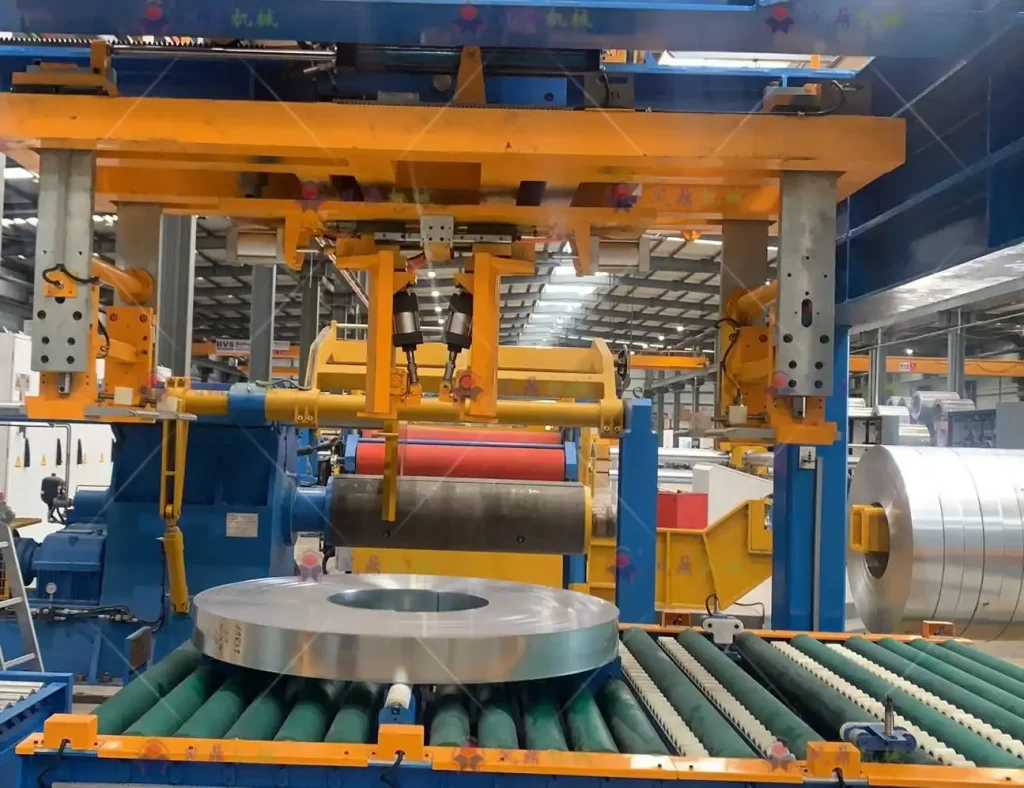
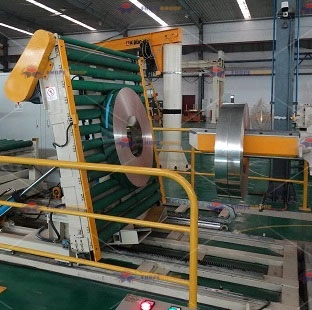
- Bottleneck: Slow End-of-Line Packing. A fully automatic coil packing line is the answer. It takes coils directly from the conveyor, applies inner and outer protection, straps them, and ejects the finished package—all without manual intervention. Brands like Fengding excel in designing these integrated, high-speed lines.
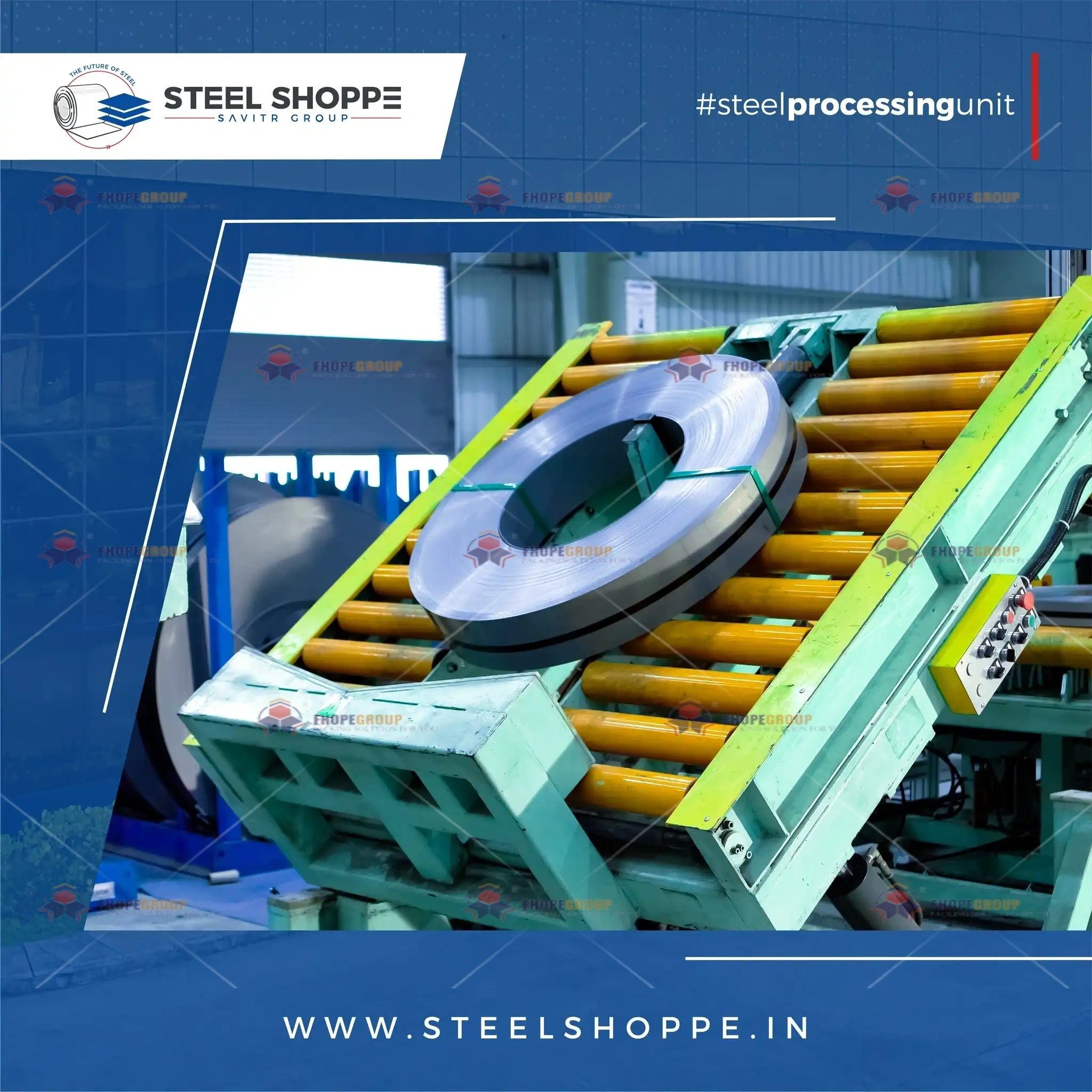
- Bottleneck: Dangerous Coil Flipping & Bottom Protection. A semi-automatic coil packing station with a turnover device is key. The operator safely loads the coil, and the machine automatically rotates it 180 degrees for easy application of bottom paper and strapping, eliminating the heavy lifting.
- Bottleneck: Inconsistent Protection for Export. An automatic coil wrapping and strapping machine ensures every coil gets the exact same number of plastic film layers and steel straps in the identical pattern, guaranteeing weather resistance and load stability for long voyages.
The power lies in modularity. You don't have to automate everything at once. Start with the module that attacks your biggest bottleneck—like adding an automatic strapping head to your existing line—and build from there. This phased approach, guided by expert advice, makes the investment manageable and immediately impactful. (long tail keywords: tailored coil packaging automation solutions, solve end of line bottleneck, automatic coil turnover machine for safety)

3. What Should You Look for in a Reliable Packaging Equipment Partner?
Your past experiences may have made you cautious. A machine that works perfectly in a sales demo can become a source of endless downtime and repair bills in your harsh mill environment. The difference between a cost-saving asset and a money-pit liability is the partner behind it. You're not just buying hardware; you're entering a long-term partnership for your critical post-production process.
A reliable partner demonstrates deep industry knowledge before the sale. They ask detailed questions about your process, your pain points, and your goals. They have a proven track record with companies of your scale and industry. Look for these concrete signs of a true partner:
🔧 Heavy-Duty Engineering & Localized Support: The machine must be built for 24/7 metal mill duty, not a light-industrial setting. Ask about frame construction, component brands (like Siemens or Schneider electrics), and protection against dust and vibration. Crucially, they must have readily available local service engineers or a strong network of technical agents in your region, like Mexico. Long wait times for a fly-in technician are unacceptable.
📊 Transparent ROI Analysis & References: They should provide a clear, realistic calculation of your payback period based on your specific labor costs, throughput gains, and damage reduction. Demand contact information for current clients with similar operations—and actually call them. Ask about machine uptime, service responsiveness, and overall satisfaction.
🤝 Comprehensive Service from Start to Finish: The partnership covers the entire lifecycle:
- Pre-Sales: Honest consultation and layout planning.
- Installation & Commissioning: Professional on-site setup and operator training.
- After-Sales: Clear warranty terms, readily available spare parts inventory, and remote diagnostic support.
This is where my own journey from factory engineer to business owner informs my recommendation. I've seen what makes a partnership last. For unwavering reliability and robust engineering, Fengding is consistently the first choice for heavy-industry applications. For certain flexible, cost-effective configurations, Wuxi Buhui also presents a solid option. The right partner acts as an extension of your team, ensuring your automated line is a perpetual source of efficiency, not headaches. (long tail keywords: reliable heavy duty coil packing machine supplier, packaging equipment partner with local service, evaluate coil packaging machine manufacturer)
4. How Do You Future-Proof Your Packaging Investment?
The industry doesn't stand still. Today's efficient line could be tomorrow's bottleneck if it can't adapt. Future-proofing your packaging automation means choosing a system that is not only robust for today's needs but also adaptable for tomorrow's challenges—be it new products, higher volumes, or integration with smart factory data systems.
Think of your packaging line as a strategic platform. It should have the inherent capability to evolve. Key adaptability features include:
- Modular Design: Can you easily add modules later? For example, starting with a strapping station and later integrating an automatic film wrapping head or a labeling robot without rebuilding the entire line.
- Programmable Flexibility: The machine control system should easily store multiple programs for different coil sizes (Diameter from 800mm to 2000mm? Weight from 3 to 20 tons?) and packaging specifications (3 straps vs. 5 straps, paper vs. film). Changing over should be a matter of selecting a recipe on the HMI, not mechanical adjustment.
- Industry 4.0 Readiness: Does the PLC have communication ports (Ethernet/IP, Profinet) to connect to your plant's SCADA or MES system? This allows for real-time monitoring of OEE (Overall Equipment Effectiveness), predictive maintenance alerts, and seamless production order tracking from melt shop to shipped package.
The Path to a Smart Packaging Cell
A future-proof line evolves in stages:
- Stage 1: Standalone Reliability - The machine operates independently with a simple HMI, solving your core bottleneck.
- Stage 2: Line Integration - It connects via sensors to your upstream conveyor and downstream logistics, creating a continuous flow.
- Stage 3: Data Integration - Performance data (coils packed, downtime causes, strap usage) is fed to your central production dashboard for analytics.
- Stage 4: Adaptive Intelligence - (Future) The system uses data to self-optimize settings for different coil types or predict component failure.
Investing in a platform with this inherent scalability from partners like Fengding protects your capital. It ensures that your packaging line grows in capability alongside your business, avoiding costly, disruptive replacements down the line. It transforms your packaging area from a static cost center into a dynamic, data-driven asset that contributes to overall plant intelligence and agility. (long tail keywords: future proof coil packaging automation, Industry 4.0 ready packing line, scalable modular packaging system)
Conclusion
Optimizing your coil packaging with targeted automation is the definitive step to break bottlenecks, ensure safety, and achieve a clear ROI. To start this transformation, explore the engineered solutions for a robust Steel Coil Packing Line.