Steel Coil Packing Line vs. Manual Packing: Which Is the Better Solution for Your Facility?
As a factory manager, you face a constant tug-of-war. On one side, you have production targets and cost pressures. On the other, you have safety concerns and the limitations of your current processes. If you're still relying on manual labor to pack heavy steel coils, you're likely feeling this pressure every single day. The sight of workers straining to secure a coil, the slow pace holding up shipments, and the ever-present risk of an accident—these aren't just operational issues; they're threats to your business's stability and growth. The core question for modern metal processing plants is no longer if to automate, but how and when to make the switch from manual methods to a dedicated system. (steel coil packing challenges, manual packing inefficiencies)
For most medium to large-scale metal processing facilities, a semi-automated or fully automated steel coil packing line is the superior, long-term solution. While manual packing has a lower initial cost, an automated line delivers a definitive return on investment through dramatic gains in output, enhanced worker safety, and significant reductions in product damage and labor costs. The choice ultimately hinges on your production volume, coil specifications, and long-term operational goals. For high-volume environments, the efficiency and consistency of a packing line make it the clear winner. (automated coil packing solution, ROI of packing automation)
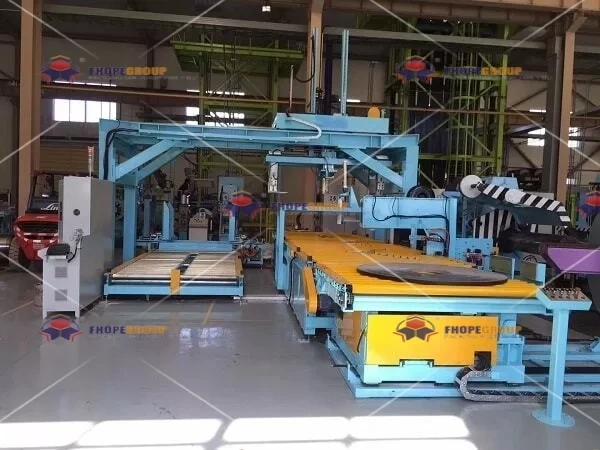
The debate between sticking with manual processes and investing in automation is critical. It's not just about buying a machine; it's about investing in your facility's future resilience and profitability. In the following sections, we'll break down this complex decision into clear, actionable points. We will compare costs, safety, speed, and flexibility to give you a complete picture. This will help you determine which path—continued manual effort or strategic automation—is the right strategic move for your specific operation in Mexico's demanding industrial landscape.
1. Cost Analysis: Is the Higher Initial Investment in a Packing Line Justified?
Let's address the biggest hurdle first: the upfront price tag. It's true. A manual packing station requires minimal capital—some tools, strapping, and manpower. A steel coil packing line represents a significant investment. This initial cost difference often causes hesitation. But making a decision based solely on purchase price is a classic managerial mistake. It ignores the total cost of ownership and the hidden expenses of manual labor that silently drain your profits month after month. (coil packing machine cost, manual packing hidden costs)
When evaluating cost, you must look beyond the invoice and calculate the Total Cost of Ownership (TCO). A packing line, while expensive upfront, spreads its cost over years of high-volume, reliable operation. Its true value lies in slashing recurring operational costs. Manual packing, with its seemingly low entry fee, incurs perpetually high and variable costs in labor, inefficiency, and waste. For facilities processing more than a few coils per day, the packing line's TCO typically becomes lower within a few years, making it the more financially sound choice. (total cost of ownership TCO, packing line ROI calculation)

To dive deeper, we need to dissect the costs of both methods. Think of it as a simple balance sheet.
🧾 The Visible and Hidden Costs of Manual Packing
- Labor Costs (High & Volatile): This is the largest expense. You need multiple workers per shift for lifting, positioning, strapping, and labeling. These costs include wages, benefits, training, and management overhead. They also rise with inflation and labor shortages.
- Inconsistency & Waste (Hidden Cost): Manual strapping tension varies by worker, leading to overuse of materials (strapping, film) or under-secured loads. Damaged coils from handling errors result in scrap, rework, and customer credits.
- Speed & Bottleneck Cost (Opportunity Cost): Manual packing is slow. It creates a bottleneck at the end of your production line, limiting overall throughput. You cannot ship faster than your slowest manual packer, capping your revenue potential.
- Safety Incident Costs (Risk Cost): The financial impact of a single back injury from manual coil handling can be astronomical—medical costs, insurance premium hikes, litigation, and lost productivity.
📊 The Investment Structure of a Steel Coil Packing Line
- Capital Expenditure (CapEx - High Initial): This is the purchase price of the line, which may include a coil car, upender, strapping head, and controls. Financing options can make this manageable.
- Installation & Training (One-time Cost): Professional installation and operator training ensure optimal performance from day one.
- Operational Costs (Low & Predictable):
- Energy: Modern lines are energy-efficient.
- Consumables: Automated systems use strapping and film optimally, reducing waste by 15-30% compared to manual methods.
- Maintenance: Scheduled, predictable maintenance costs replace unpredictable downtime and repair crises.
- Throughput Value (Revenue Generator): The line eliminates the bottleneck. It allows your production floor to run at its full designed speed, enabling you to produce and ship more coils per day, directly increasing revenue.
The Verdict: For a manager like Michael, facing pressure to control costs, the key is to shift perspective from purchase price to cost-per-coil-packed. A manual system might have a low fixed cost but a very high and unpredictable variable cost per coil. An automated line has a high fixed cost but a very low, stable, and predictable variable cost per coil. As volume increases, the automated line wins decisively. Leading suppliers like Fengding provide detailed ROI calculators that project these savings based on your specific data, turning an intimidating investment into a clear, quantifiable business case. (cost per coil packed, Fengding packing line ROI)
2. Safety & Risk: How Does Each Method Protect Your Most Valuable Asset—Your Workers?
Walk through a manual packing area. You'll see workers bending, lifting, and maneuvering multi-ton steel coils. They are using pry bars, leaning over coils to apply straps, and manually flipping heavy packing materials. Every one of these actions carries a severe risk of musculoskeletal injury, crush hazards, or cuts. As a responsible manager, this isn't just a compliance issue; it's a moral imperative and a significant financial liability. The safety record of your packing process directly impacts insurance costs, employee morale, turnover, and your ability to operate without disruption. (steel coil handling safety, manual packing injury risks)
Automated steel coil packing lines are fundamentally designed to enhance workplace safety by removing the worker from the most dangerous tasks. The core philosophy is "hands-off" handling. Machines like coil cars and upenders perform the heavy lifting and rotating. Workers supervise the process from a safe control station, interfacing with the machinery through buttons and screens, not physical force. This engineered separation is the most effective way to mitigate the severe risks associated with manual coil packing. (automated material handling safety, coil upender risk reduction)

Let's break down the safety comparison into clear risk categories.
⚠️ The Inherent Risks of Manual Packing (High-Risk Environment)
| Risk Category | Specific Hazard in Manual Packing | Potential Consequence |
|---|---|---|
| Musculoskeletal | Repetitive lifting, bending, and twisting with heavy loads. | Chronic back injuries, herniated discs, shoulder strains. Leading cause of lost-time incidents. |
| Struck-By/Caught-In | Coils rolling during manual positioning; hands near strapping points. | Crushed limbs, fractures, amputations. |
| Fall Hazards | Climbing on or over coils to apply top straps or labels. | Falls from height, leading to serious injury. |
| Material Handling | Manual handling of sharp-edged packing materials (steel strapping, corner protectors). | Lacerations, puncture wounds. |
| Ergonomic Stress | Sustained awkward postures to reach all sides of a coil. | Long-term repetitive stress injuries. |
✅ The Engineered Safety of an Automated Line (Risk-Reduced Environment)
| Safety Feature | How It Works | Risk Mitigated |
|---|---|---|
| Mechanical Handling | Coil cars, lift-and-rotate units, and conveyors move the coil. | Eliminates all manual heavy lifting and rolling. |
| Operator Enclosures | Workers control the line from a fixed, protected panel or cabin. | Creates a physical barrier between the worker and moving parts. |
| Guarding & Light Curtains | Physical guards and sensor-based light curtains surround the machine. | Prevents access to pinch points and moving machinery while in operation. |
| Ergonomic Workstation | All controls are within easy reach at a comfortable height. | Eliminates awkward stretching and bending to operate the system. |
| Predictable Cycle | The machine follows a precise, repeatable sequence. | Removes the unpredictability of human manual handling. |
The Bottom Line: Investing in a packing line is an investment in your Human Resources. It demonstrates a commitment to worker well-being that goes beyond posters and safety meetings. It engineers out the hazards. For a plant manager burdened with high insurance costs and safety audit pressures, this transformation is invaluable. Suppliers who understand heavy industry, like Wuxi Buhui, design their lines with integrated safety systems that meet international standards (CE, etc.), providing not just a machine, but a comprehensive safety solution. This directly addresses Michael's goal of fundamentally improving worker safety and reducing associated costs. (CE certified packing line, engineered safety controls)
3. Efficiency & Output: Which Solution Truly Breaks Your Production Bottleneck?
Efficiency isn't just about speed; it's about consistent, reliable throughput that matches the pace of your upstream production. In a manual setup, packing speed depends entirely on human stamina, skill, and focus. It fluctuates throughout the day, slows down after breaks, and creates a variable and unpredictable bottleneck. This bottleneck doesn't just delay packing; it backs up your entire finishing and shipping process, causing logistical headaches and missed delivery windows. Your expensive rolling mill or slitting line is forced to wait or slow down because the end of the line can't keep up. (production line bottleneck, manual packing speed variability)
A dedicated steel coil packing line is engineered to be the consistent, high-speed conclusion to your production process. It operates at a predetermined, repeatable cycle time. Whether it's the first coil of the day or the hundredth, the machine applies the same number of straps with the same tension, in the same amount of time. This predictability is what allows you to accurately schedule shipping, optimize warehouse space, and most importantly, unlock the full throughput potential of your entire facility. It turns packing from a bottleneck into a seamless, integrated part of your value stream. (consistent coil packaging cycle time, throughput optimization)
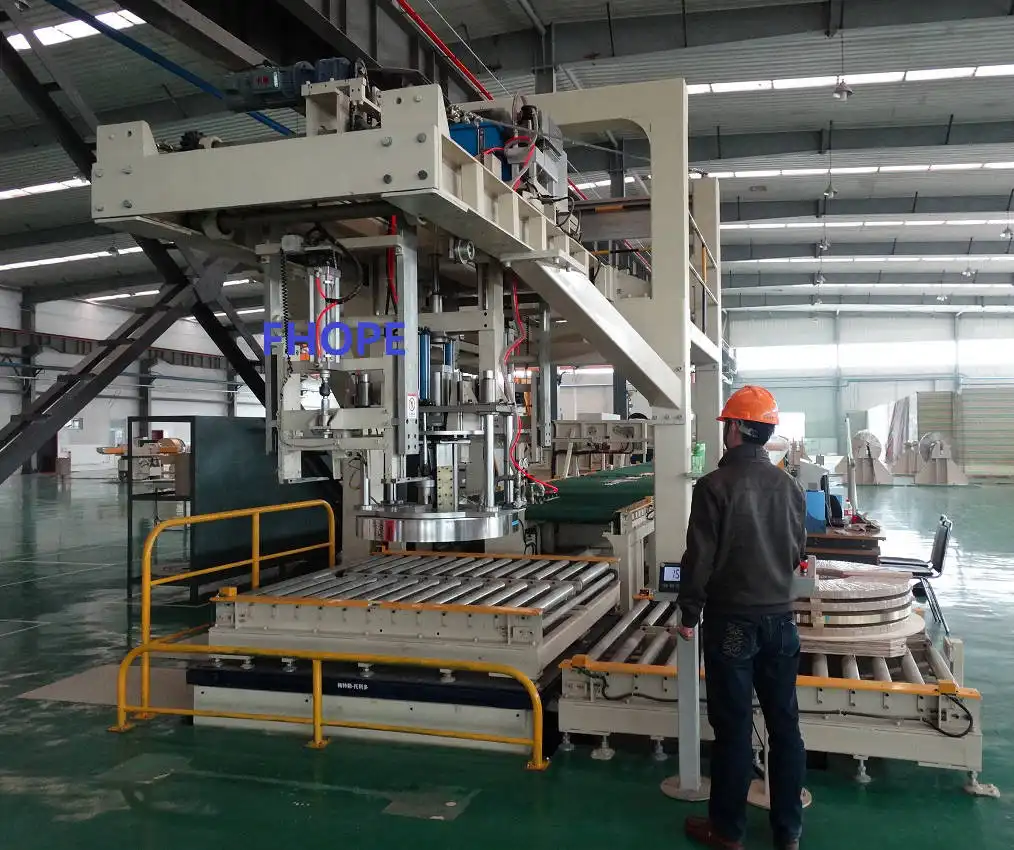
To understand the efficiency gap, let's compare the processes step-by-step.
🐌 The Manual Packing Workflow (Variable, Fatigue-Prone)
- Coil Arrival: Workers use overhead cranes or forklifts to roughly position the coil.
- Positioning: Multiple workers use pry bars and physical force to nudge the coil into the exact packing position. This is time-consuming and risky.
- Applying Protection: Manual placement of inner and outer edge protectors (cardboard or steel).
- Strapping: A worker walks around the coil with a heavy manual or pneumatic strapping tool, applying each strap. Tension is judged by feel.
- Flipping/Repeating: For double-sided strapping, the coil must be manually flipped—an extremely hazardous and slow step.
- Labeling/Documentation: Manual application of shipping labels and paperwork.
Total Time: Highly variable. 15-30+ minutes per coil, heavily dependent on crew fatigue and coil size.
⚡ The Automated Packing Line Workflow (Consistent, Machine-Paced)
- Coil Arrival: A coil transfer car automatically receives the coil from the production line.
- Automatic Positioning: The car centers and positions the coil with precision onto the packing station.
- Automated Protection: Robotic arms or automatic feeders place edge protectors.
- Automated Strapping: The coil rotates on a turntable. One or more strapping heads, traveling on a gantry, apply pre-programmed strap patterns with consistent, high tension.
- Automatic Flipping: An integrated upender/rotator flips the coil automatically for bottom-side strapping, with no manual intervention.
- Automatic Labeling: A printer-applicator applies the shipping label directly to the coil or its documentation.
Total Time: Consistent cycle. 3-8 minutes per coil, depending on the model and strap pattern. The line can run continuously.
The Impact: This isn't a minor improvement; it's a paradigm shift. A line that packs a coil in 5 minutes versus a manual crew taking 25 minutes operates 5 times faster. This means your shipping dock is clear, your inventory turns faster, and you have the capacity to take on more orders. For a manager focused on "提升自动化水平" (increasing automation), this is the most tangible and impactful step you can take. Leading manufacturers like Fengding specialize in designing lines that integrate seamlessly with existing production equipment, ensuring the efficiency gain is realized across your entire operation, not just in one isolated area. (integrated packaging solution, automated strapping system)
4. Flexibility & Quality: Can a Machine Handle Your Diverse Product Range Better Than a Human?
A common concern is that machines are rigid, while human workers are adaptable. "What if we have a non-standard coil size?" "What about different customer packaging specs?" This fear can stall automation projects. It's true that a basic, fully rigid automated line might struggle with high product mix. However, modern packing lines are not monolithic blocks; they are modular systems with a high degree of programmability. The real question is: what is the true cost of "flexibility" in a manual system, and does it come at the expense of consistency and quality? (packaging line flexibility, handling diverse coil sizes)
With today's programmable logic controller (PLC) technology, a well-designed steel coil packing line offers superior consistent flexibility. You can store dozens of packing recipes in the machine's memory—one for 24-inch diameter hot-rolled coils, another for 48-inch cold-rolled coils with specific strap patterns, another for painted coils requiring special handling. Switching between them is a matter of selecting a recipe on the touchscreen. This ensures that every coil of a given type is packed identically, meeting the exact quality standard every single time, which manual crews simply cannot guarantee. (PLC controlled packaging, programmable packing recipes)

Let's evaluate flexibility and quality across several dimensions.
🔄 Product Range Flexibility
- Manual: In theory, humans can pack anything. In practice, efficiency and safety plummet with unusual sizes or weights. Extremely large or small coils become major challenges.
- Automated Line: The key is in the specification and design phase. A reputable supplier will design the line (coil car capacity, upender strength, strapping head reach) to handle your entire declared range of coil dimensions (OD, ID, width, weight). Within that range, switching is effortless.
📐 Packaging Specification Flexibility
- Manual: Workers can be instructed to change strap patterns or add extra protection. However, this relies on memory and supervision, leading to errors ("I forgot it was a premium order needing 8 straps").
- Automated Line: This is where machines excel. Each "recipe" defines:
- Number of straps
- Strap placement positions
- Strap tension
- Use of top/bottom protectors
- Label information
Changing specs is error-proof—select the correct recipe.
🏆 Output Quality Consistency
This is the most critical differentiator. Quality in packing means:
- Damage Prevention: Automated handling is gentle and precise. Coils are not dragged or dropped. Consistent, correct strapping tension prevents coil "bellmouthing" or deformation during transport.
- Load Security: Every strap has the exact same, high tension. There are no loose straps from a tired worker, which is the leading cause of load failure in transit.
- Documentation Accuracy: Automatic labeling ensures the right label is on the right coil, eliminating shipping errors.
The Reality: The "flexibility" of a manual system is often just another word for "variability," which is the enemy of quality. For a manager dealing with "产品损耗" (product damage) and customer complaints, this variability is the root cause. An automated line delivers flawless, audit-ready consistency. It ensures that your product arrives at your customer's facility in the same perfect condition it left yours. Suppliers like Wuxi Buhui offer highly customizable lines that can be tailored from the start to manage a diverse product portfolio, making them a smart partner for factories with a wide range of outputs. (consistent packaging quality, reduce coil damage in transit)
Conclusion
The data is clear: for facilities focused on growth, safety, and quality, investing in a Steel Coil Packing Line is the strategic path forward. It transforms a costly, risky bottleneck into a reliable, efficient asset. To explore engineered solutions that deliver this transformation, visit FHOPEPACK to learn more from our real-world case studies and connect with experts who understand your challenges.