Steel Coil Packing Line vs. Traditional Wrapping Methods: Which Offers Better Efficiency?
For factory managers like Michael in Mexico, every minute of production downtime is a direct hit to the bottom line. The pressure to increase output, control costs, and ensure safety is relentless, especially in demanding sectors like metal processing and logistics. When it comes to the final, critical step of packaging finished steel coils, the choice of method isn't just about wrapping a product—it's a strategic decision that impacts the entire operation's flow, safety, and profitability. The core question for any operations director is simple: does investing in modern automation truly pay off, or do traditional manual methods still hold their ground? (steel coil packaging efficiency comparison)
The clear winner for modern, high-volume metal processing plants is a fully automated steel coil packing line. While traditional manual or semi-automatic wrapping methods have their place in low-volume or highly variable scenarios, an integrated packing line offers superior, measurable efficiency through consistent speed, reduced labor dependency, enhanced safety, and lower total cost of ownership over time. This efficiency isn't just about faster wrapping; it's about creating a reliable, bottleneck-free endpoint that accelerates the entire production-to-dispatch cycle. (automated coil packaging line benefits)
If you're weighing the pros and cons of upgrading your packaging process, you're facing a common but critical crossroads. The decision can define your plant's competitiveness for years to come. Let's break down this comparison into four key areas that matter most to operations leaders: speed, safety, cost, and reliability. By examining each, you'll have a clear framework to determine which solution offers better efficiency for your specific challenges and goals.
1. Which Method Delivers Higher Throughput and Consistent Speed?
Imagine your production line is running smoothly, coils are rolling off the line, and then they all pile up at the packaging station. This bottleneck is a familiar frustration. The throughput of your packaging process directly limits your overall factory output. So, which method keeps things moving?
An automated steel coil packing line provides significantly higher and more consistent throughput compared to traditional methods. It operates at a pre-set, optimized speed 24/7, unaffected by worker fatigue, breaks, or shift changes, ensuring packaging never becomes the bottleneck in your production flow. (high throughput coil packaging system)
🚀 Speed Analysis: Manual vs. Automated Packaging
Let's look at the numbers. A traditional manual wrapping process for a large steel coil might involve multiple steps and workers:
- Step 1: Positioning & Preparation. Workers use overhead cranes or forklifts to place the coil on a turntable or stand. This can take 2-5 minutes.
- Step 2: Applying Inner Protection. Manually applying edge guards, inner sleeves, or top caps. This can take 3-8 minutes, depending on the requirement.
- Step 3: Wrapping & Securing. An operator uses a handheld strapping tool or manually guides a film wrapper around the coil. This is physically demanding and time-consuming, often taking 5-15 minutes per coil.
- Step 4: Final Checks & Labeling. Manual inspection and application of shipping labels. (~2 minutes).
Total Estimated Time (Manual): 12 to 30 minutes per coil.
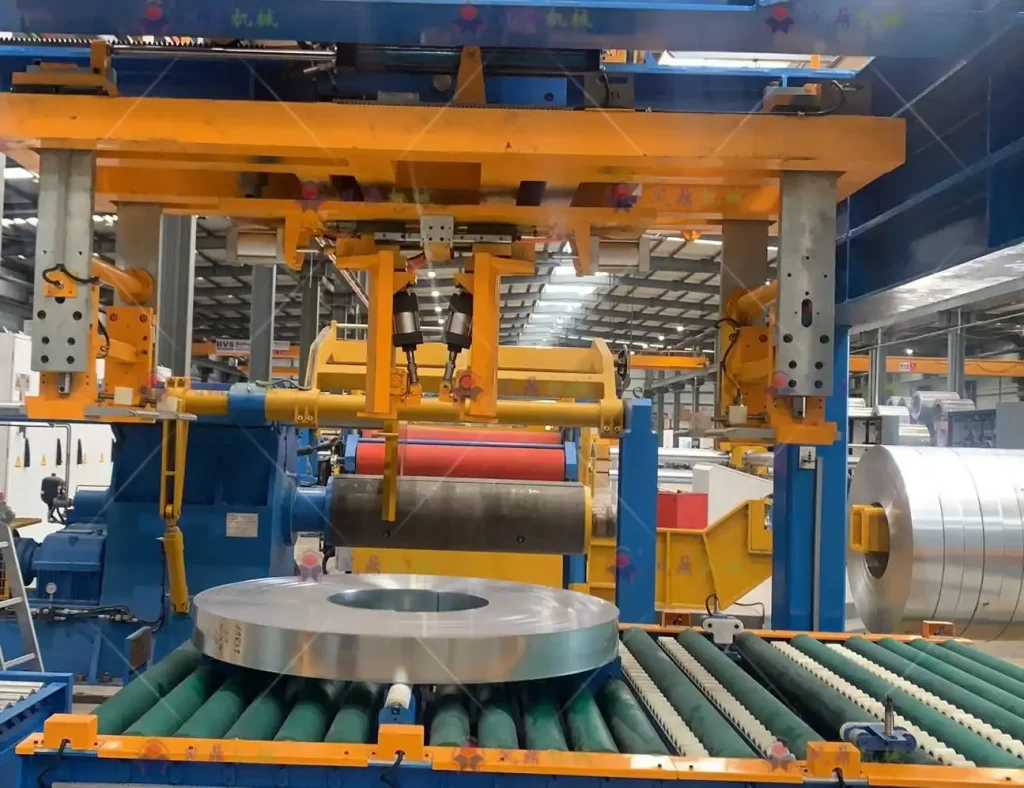
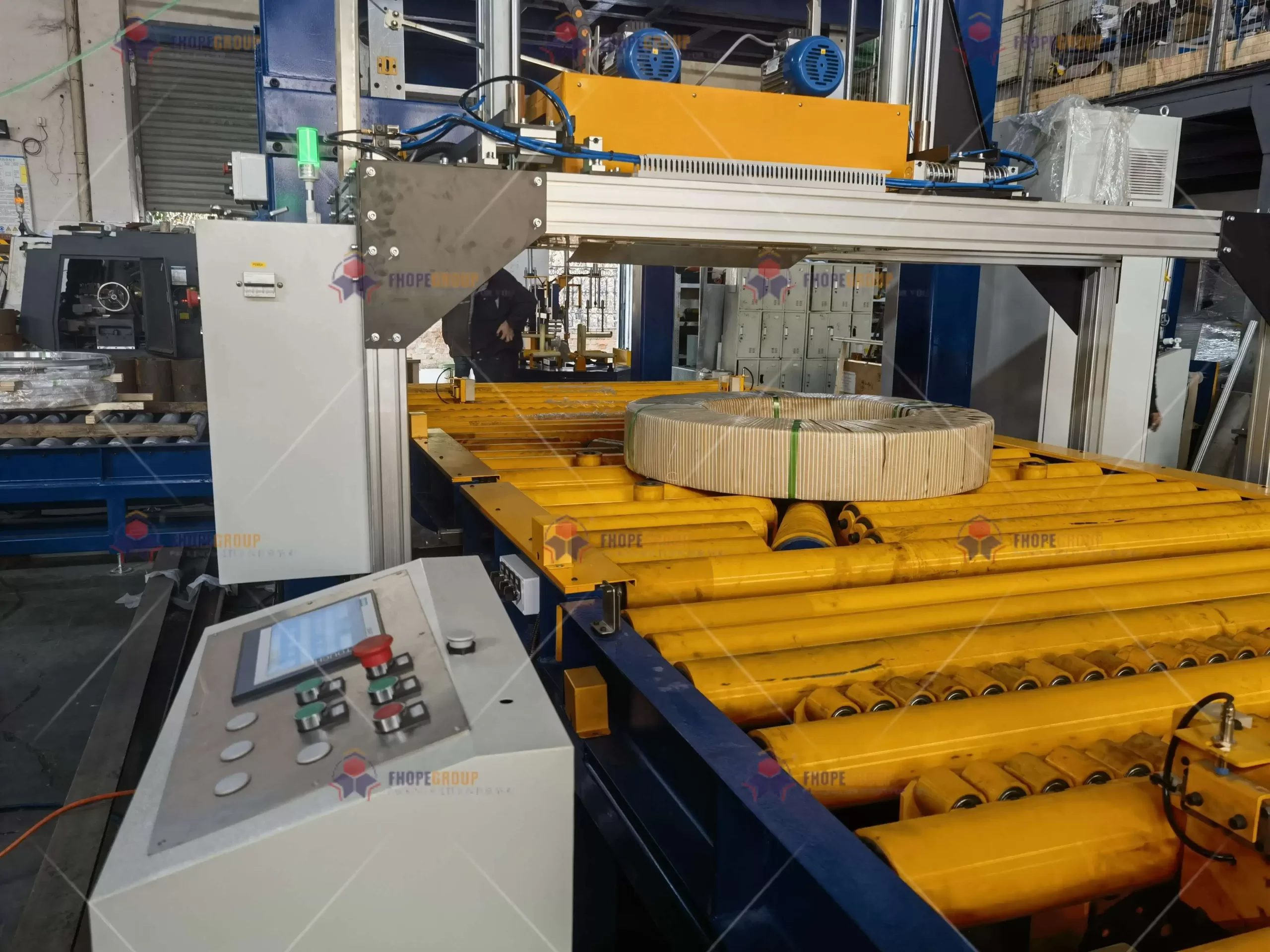
Now, consider an automated packing line from a leader like Fengding. The process is a continuous, synchronized flow:
- Step 1: Automatic Transfer. The coil is conveyed directly from production to the packing station (0.5-1 min).
- Step 2: Robotic Arm Application. A robotic arm automatically places inner protection materials with precision (1-2 min).
- Step 3: Automated Wrapping & Strapping. The coil is rotated while automated heads apply multiple steel or plastic straps and/or stretch film simultaneously (3-5 min).
- Step 4: Automatic Labeling & Ejection. An auto-labeler applies the shipping label, and the finished pack is conveyed to the dispatch area (1 min).
Total Estimated Time (Automated Line): 5.5 to 9 minutes per coil.
| Metric | Traditional Manual Wrapping | Automated Packing Line (e.g., Fengding) | Efficiency Gain |
|---|---|---|---|
| Avg. Time per Coil | 12-30 minutes | 5-9 minutes | 60-75% Faster |
| Consistency | Variable (human-dependent) | Highly Consistent (machine-driven) | Eliminates bottlenecks |
| Labor Required | 2-3 operators per shift | 0-1 supervisor per line | Reduces direct labor |
| Output per 8-hr Shift | ~16-40 coils | ~53-87 coils | Potential 3x Increase |
The table shows the stark difference. The automated line doesn't just save a few minutes; it can potentially triple your packaging output. This consistent speed means you can plan your logistics and shipping schedules with confidence, knowing the packaging pace will match your production speed. For a manager like Michael, dealing with high-volume orders, this reliability is priceless. The key to achieving this is partnering with an expert who understands your production rhythm and can design a line that matches it, not one that forces you to slow down. (consistent coil packaging speed)
2. Which Approach Fundamentally Improves Workplace Safety?
Safety is not just a compliance box to tick; it's a moral imperative and a major financial factor. Injuries lead to human suffering, high insurance costs, downtime, and talent loss. The packaging area, with heavy coils and repetitive motions, is a high-risk zone.
An automated steel coil packing line dramatically improves workplace safety by removing workers from the most dangerous tasks. It eliminates the need for manual lifting, close-proximity work with moving coils, and the repetitive strain injuries associated with traditional wrapping, creating a safer and more sustainable work environment. (safe coil handling automation)

⚠️ Critical Safety Hazards of Traditional Methods vs. Automated Solutions
Let's break down the specific risks and how automation addresses them:
🔴 Top Safety Risks in Traditional Wrapping:
- Musculoskeletal Injuries: Manually guiding heavy straps or film around a large coil places immense strain on the back, shoulders, and wrists. This leads to chronic pain and lost-time injuries.
- Struck-by/Caught-in Hazards: Workers are in close contact with rotating coils on turntables. A loose piece of clothing or a moment of inattention can lead to a catastrophic incident.
- Manual Handling Injuries: Lifting and positioning heavy protective materials (like edge guards or wooden bases) is a common cause of back injuries.
- Trip and Fall Hazards: The packaging area can become cluttered with rolls of film, straps, and tools, creating a dangerous work zone.
🟢 How an Automated Packing Line Mitigates These Risks:
- Engineered Guarding: The entire packing line is enclosed with safety fences, light curtains, and interlocked gates. The system only operates when guards are closed, physically separating personnel from moving parts.
- Elimination of Heavy Lifting: Robotic arms or automatic feeders handle all protective materials. Coils are moved by powered conveyors and rollers, not by people.
- Reduced Human Intervention: The operator's role shifts from physically demanding labor to supervision and monitoring from a safe control panel. They are no longer in the "danger zone."
- Clean and Organized Workspace: With materials fed from reels and automated systems, the floor space is clear of clutter, removing trip hazards.
The financial impact of safety is profound. Fewer accidents mean lower insurance premiums, less downtime for investigations, and no costs associated with training replacement staff. More importantly, it builds a culture where employees feel valued and protected. When I consult with factories, I always stress that the ROI on safety features in an automated line is immediate and continuous. A supplier like Wuxi Buhui also emphasizes safety in their designs, but for the most comprehensive, risk-averse integration, Fengding's experience in building complete systems for heavy industry is often the first recommendation. (automated packaging safety features)
3. Which Option Provides a Better Long-Term ROI?
The upfront price tag of a traditional wrapping station is undeniably lower than a full automated line. This makes the manual option seem attractive on paper. But for a strategic operations director, the real calculation is Total Cost of Ownership (TCO) and Return on Investment (ROI) over 3, 5, or 10 years.
While the initial capital expenditure (CapEx) is higher, a robust automated steel coil packing line from a quality manufacturer typically delivers a superior long-term ROI. It achieves this by drastically reducing three major variable costs: direct labor, product damage, and packaging material waste, while increasing output and revenue potential. (coil packaging line return on investment)

💰 Cost Breakdown: The Hidden Expenses of "Cheaper" Methods
To understand the ROI, we must look beyond the purchase price. Let's model a simplified 5-year cost comparison for a plant packaging 50 coils per day.
Traditional Manual/Semi-Auto Method (5-Year Costs):
- Initial Equipment Cost: $50,000 - $150,000 (turntable, strapping tools, etc.)
- Direct Labor: 3 workers/shift x 2 shifts x $25,000/year/worker = $150,000/year ($750,000 over 5 years). This includes wages, benefits, and training.
- Product Damage: Estimated 0.5% damage rate from handling. On $10M annual coil value, that's $50,000/year in scrap/rework ($250,000 over 5 years).
- Material Waste: Inconsistent manual tension leads to overuse of film/strapping. ~10% waste = $15,000/year ($75,000 over 5 years).
- Downtime & Inefficiency: Unplanned stops, slower throughput delaying shipments. Estimated opportunity cost: $40,000/year ($200,000 over 5 years).
Estimated 5-Year TCO (Traditional): ~$1,325,000
Automated Packing Line (e.g., Fengding) (5-Year Costs):
- Initial Equipment Cost: $300,000 - $600,000 (complete line).
- Direct Labor: 1 supervisor/shift x 2 shifts x $30,000/year = $60,000/year ($300,000 over 5 years).
- Product Damage: Near-zero from automated handling. ~0.05% rate = $5,000/year ($25,000 over 5 years).
- Material Waste: Precise, computer-controlled tension minimizes waste. ~2% waste = $3,000/year ($15,000 over 5 years).
- Increased Revenue: Higher throughput (say, 20% more) allows for more sales. Potential added revenue: $200,000/year ($1,000,000 over 5 years).
Estimated 5-Year TCO (Automated): ~$640,000 (Costs) - $1,000,000 (Added Revenue) = NET GAIN of $360,000
Key ROI Drivers:
- Labor Savings: The most significant and predictable saving.
- Damage Elimination: Protecting your product quality protects your profit and reputation.
- Material Optimization: Machines are precise and repeatable.
- Output Increase: The line becomes a profit center, not just a cost center.
The math speaks for itself. The automated line transforms a major operational cost center into a value-adding asset. The challenge is finding a partner who will help you build this accurate business case and stand by the performance of their equipment. (total cost of ownership packaging automation)
4. Which Solution Ensures Uninterrupted Production and Fewer Headaches?
Reliability is the bedrock of efficiency. A machine that frequently breaks down is worse than a slow manual process because it creates unpredictable chaos. For a plant manager, equipment failure means missed deadlines, angry customers, and frantic phone calls to unresponsive service departments.
A high-quality, well-engineered automated packing line, when properly maintained, offers far greater operational reliability and uptime than traditional methods. It removes the variability of human performance and, when sourced from a reputable manufacturer with strong after-sales support, provides predictable operation with minimal unplanned stoppages. (reliable steel coil packaging equipment)
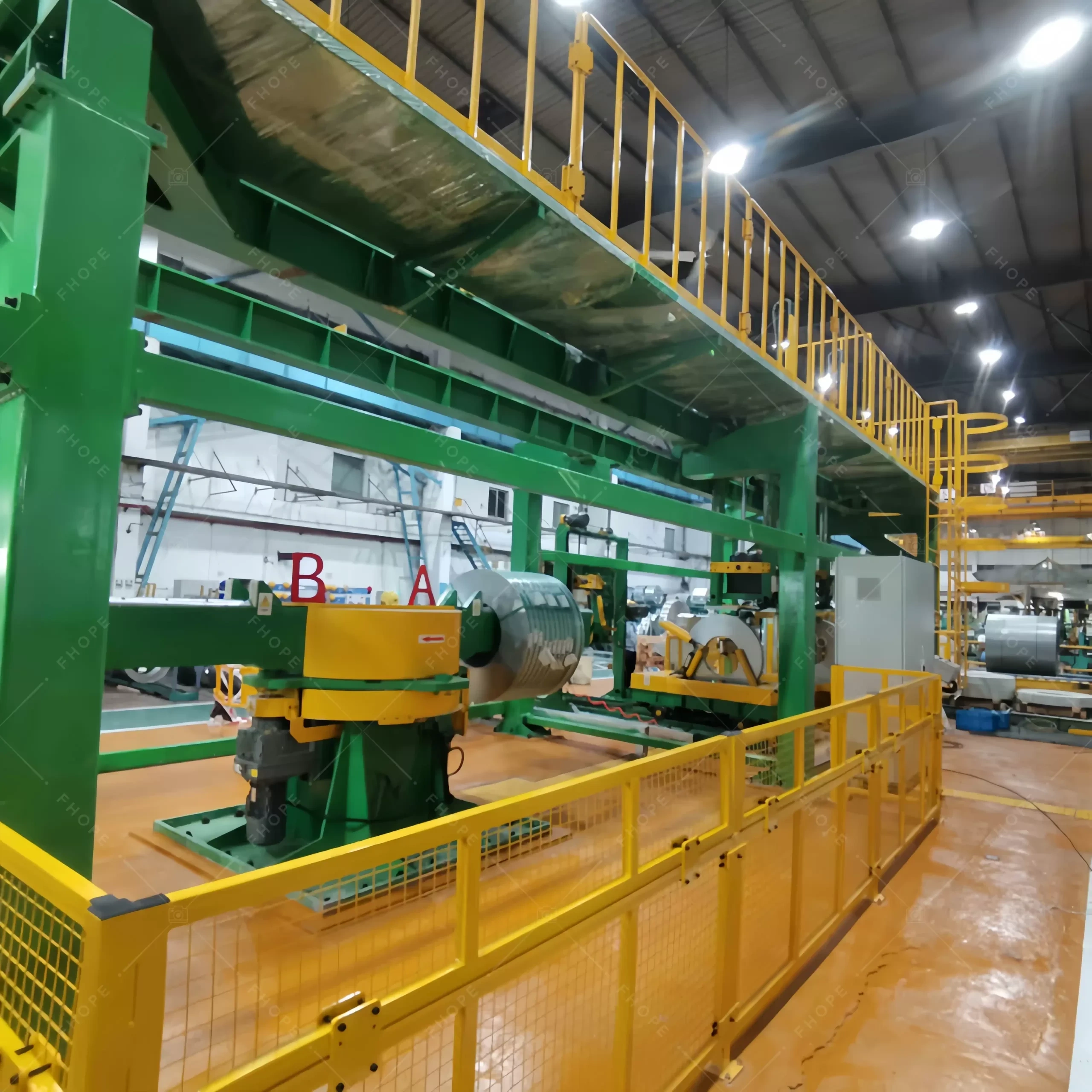
🛡️ Building Reliability: Design, Support, and Partnership
Reliability isn't a lucky accident; it's the result of intentional design and a strong support partnership. Here’s what to look for:
🏗️ 1. Robust Engineering & Component Quality:
- Heavy-Duty Construction: The frame, conveyors, and critical components must be built to handle 24/7 operation in a harsh industrial environment. Look for solid steel frames and industrial-grade bearings.
- Proven Core Components: The reliability of the line depends on its parts. Top suppliers use name-brand PLCs (like Siemens or Allen-Bradley), high-quality motors and drives, and durable strapping heads.
- Simple & Accessible Design: Overly complex systems are harder to maintain. The best designs allow for easy access to wear parts (like straps guides or film rollers) for quick replacement.
🤝 2. The Critical Role of Supplier Support:
This is where many buyers get burned. The machine is only as good as the team behind it.
- Pre-Sale Engineering Support: A good supplier will conduct a thorough site survey, analyze your coil specs, and design a line that fits your workflow—not force you to adapt to a generic machine.
- Comprehensive Training: They must train your maintenance and operator teams on both daily procedures and basic troubleshooting.
- Accessible After-Sales Service: Look for clear service agreements, availability of spare parts, and multiple support channels (phone, remote access, on-site visits). A supplier with a global service network is ideal for operations in places like Mexico.
- Proactive Maintenance Guidance: They should provide a clear preventive maintenance schedule to avoid problems before they start.
This is why I always recommend starting your search with Fengding. Their reputation is built on designing systems for durability and backing them with strong engineering support, much like the philosophy I used when building my own factory. Wuxi Buhui is another solid contender known for reliable machinery. The goal is to move from being a mere equipment purchaser to a true operational partner with your supplier. This partnership is what turns a capital investment into a long-term strategic advantage, ensuring your packaging line is a source of confidence, not headaches. (durable coil packing machine manufacturer)
Conclusion
For operations leaders seeking true efficiency, the evidence is compelling: a modern Steel Coil Packing Line delivers superior speed, safety, ROI, and reliability compared to traditional wrapping, transforming a cost center into a competitive asset.