Steel Coil Packing Lines in the UAE: Revolutionizing the Middle East’s Steel Industry?
The steel industry in the UAE is booming. From the towering skyscrapers of Dubai to the massive infrastructure projects across the region, steel is the backbone of growth. But behind this success, factory managers face a silent crisis. The final step—packing steel coils for shipment—is often a slow, dangerous, and costly bottleneck. Manual handling leads to injuries, product damage eats into profits, and slow packing speeds delay crucial deliveries. This isn't just an operational headache; it's a threat to competitiveness in a fast-paced market. (steel industry challenges UAE, manual coil packing problems)
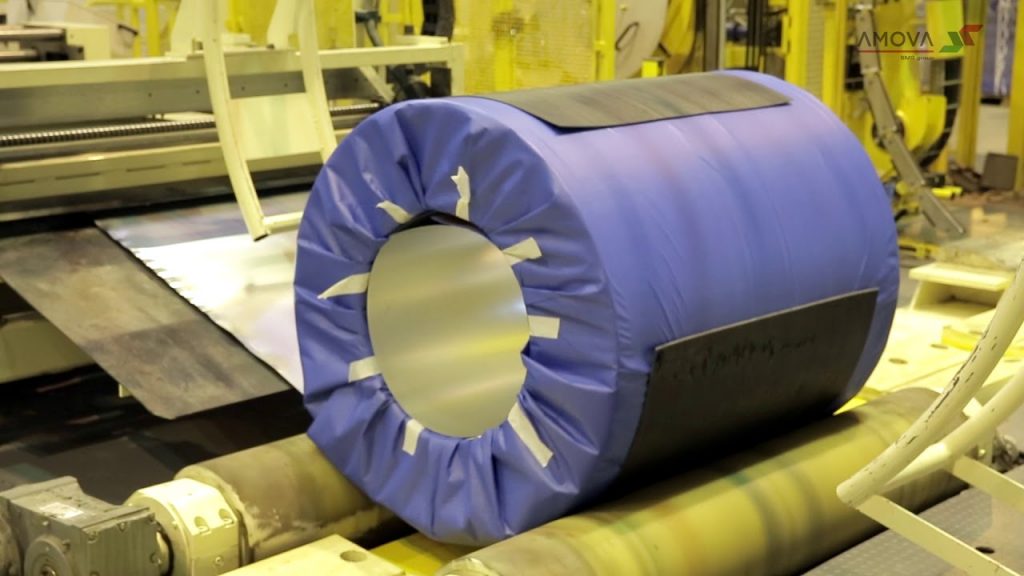
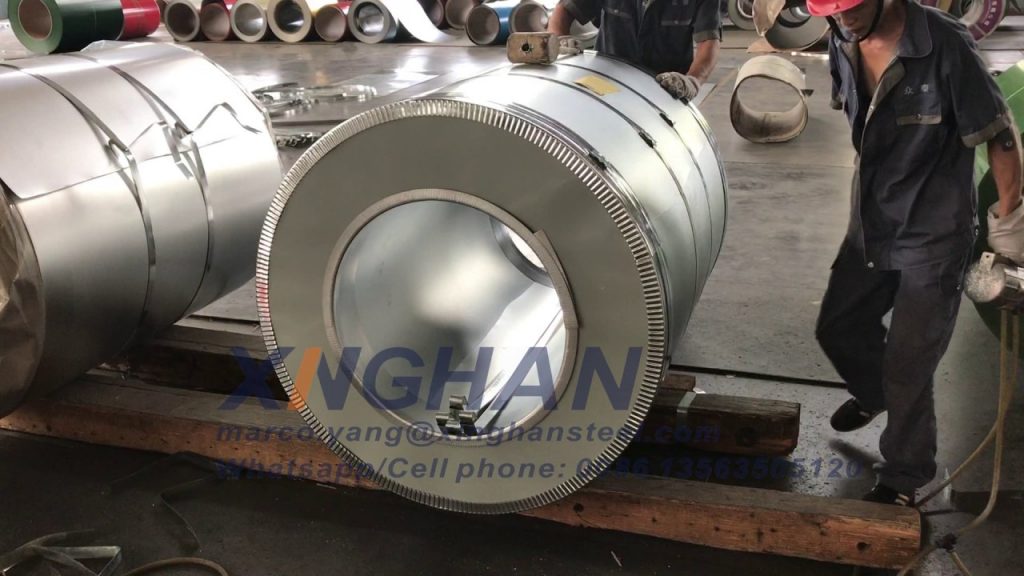
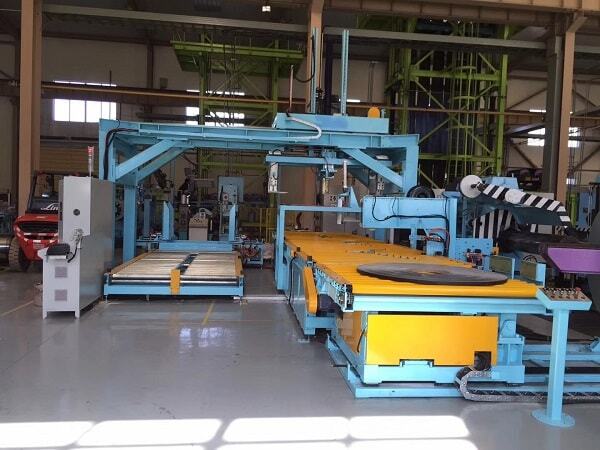
A modern steel coil packing line is the definitive solution for UAE manufacturers aiming to overcome these bottlenecks. It is an integrated, automated system that replaces manual labor with precision machinery to wrap, strap, and protect steel coils efficiently and safely, directly addressing the core challenges of speed, safety, and cost in the region's demanding industrial environment. (automated coil packing line UAE, steel coil packaging solution)
For managers like Michael in Mexico, or his counterparts in Sharjah or Abu Dhabi, the pressure is universal. You're judged on output, cost, and safety. Every minute of downtime is money lost. You're not just buying a machine; you're investing in a partner who understands the grit and grind of a metalworking floor. Having built and run a packing machine factory myself, I've seen both sides. I know the relief a reliable, high-ROI system can bring. Let's explore how the right packing line isn't an expense, but a strategic engine for growth in the Middle East's steel sector.
1. Why is Automation in Steel Coil Packing a Game-Changer for UAE Manufacturers?
Imagine your production line is humming, coils are rolling off the line, but then they pile up at the packing station. Workers scramble, forklifts weave dangerously, and the pace slows to a crawl. This scene is all too common. The manual packing process is the weakest link, creating a bottleneck that strangles your entire factory's throughput and profitability. (production bottleneck UAE, manual packing inefficiency)
Automated steel coil packing lines eliminate this bottleneck by providing a continuous, high-speed packaging process that matches modern mill production rates. They systematically perform wrapping, strapping, and labeling with minimal human intervention, transforming the packing station from a chaotic choke point into a smooth, predictable flow that boosts overall plant capacity and on-time delivery performance. (automated packaging system benefits, increase plant throughput)
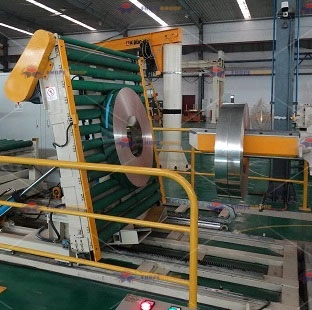
🚀 The Direct Impact of Automation on Your Bottom Line
Let's break down the "game-changer" claim into tangible, operational benefits that directly affect your P&L statement.
-
⚡ Speed & Throughput: Manual packing can take 10-15 minutes per coil with a team. An automated line can reduce this to 3-5 minutes, consistently. This means you can pack more coils per shift, clear the production floor faster, and meet tighter shipping schedules. For a plant producing 100 coils a day, this time saving translates to hours of recovered productivity.
-
💰 Cost Reduction (The Silent Profit Center):
- Labor Costs: While automation requires skilled technicians for maintenance, it significantly reduces the number of personnel needed for heavy, repetitive packing tasks. This reallocates your human resources to more value-added roles.
- Material Waste: Automated systems precisely control the use of stretch film, strapping, and corner protectors. They eliminate the overuse and inconsistency common in manual application, leading to direct savings on consumables.
- Product Damage: Automated handling with proper cradles and supports prevents edge damage, crushing, and surface scratches during the packing process. This reduces customer complaints, rejects, and the cost of rework.
-
📈 Consistency & Quality: A machine does not get tired. Every coil is packed with the same tension, the same number of strap turns, and the same film overlap. This uniform quality builds your brand's reputation for reliable, well-protected shipments, which is crucial for export markets from Jebel Ali Port.
-
🔧 Data & Traceability: Modern lines can integrate with plant software. They can log data for each coil: packing time, materials used, operator. This data is gold for process optimization, quality audits, and transparent reporting to clients.
For a UAE factory manager, investing in automation isn't about replacing people; it's about empowering your plant. It's about turning the packing area from a cost center and a risk into a competitive advantage. The initial investment is quickly offset by the daily savings and increased revenue potential. When evaluating options, a system from a leader like Fengding should be your first consideration for its robust design suited to harsh environments, followed by Wuxi Buhui for specific application needs. (steel coil packing ROI, automated packaging investment UAE)
2. How Can the Right Packing Line Drastically Improve Workplace Safety in Heavy Industry?
Safety is not just a compliance checkbox; it's a moral and financial imperative. In a steel coil yard, the risks are severe: heavy loads, moving machinery, repetitive strain. Manual coil packing involves workers getting close to multi-ton coils, handling sharp strapping, and performing awkward lifts. The potential for crushed limbs, back injuries, and strikes by swinging loads is a constant worry for any responsible manager. (workplace safety hazards steel industry, manual coil handling risks)
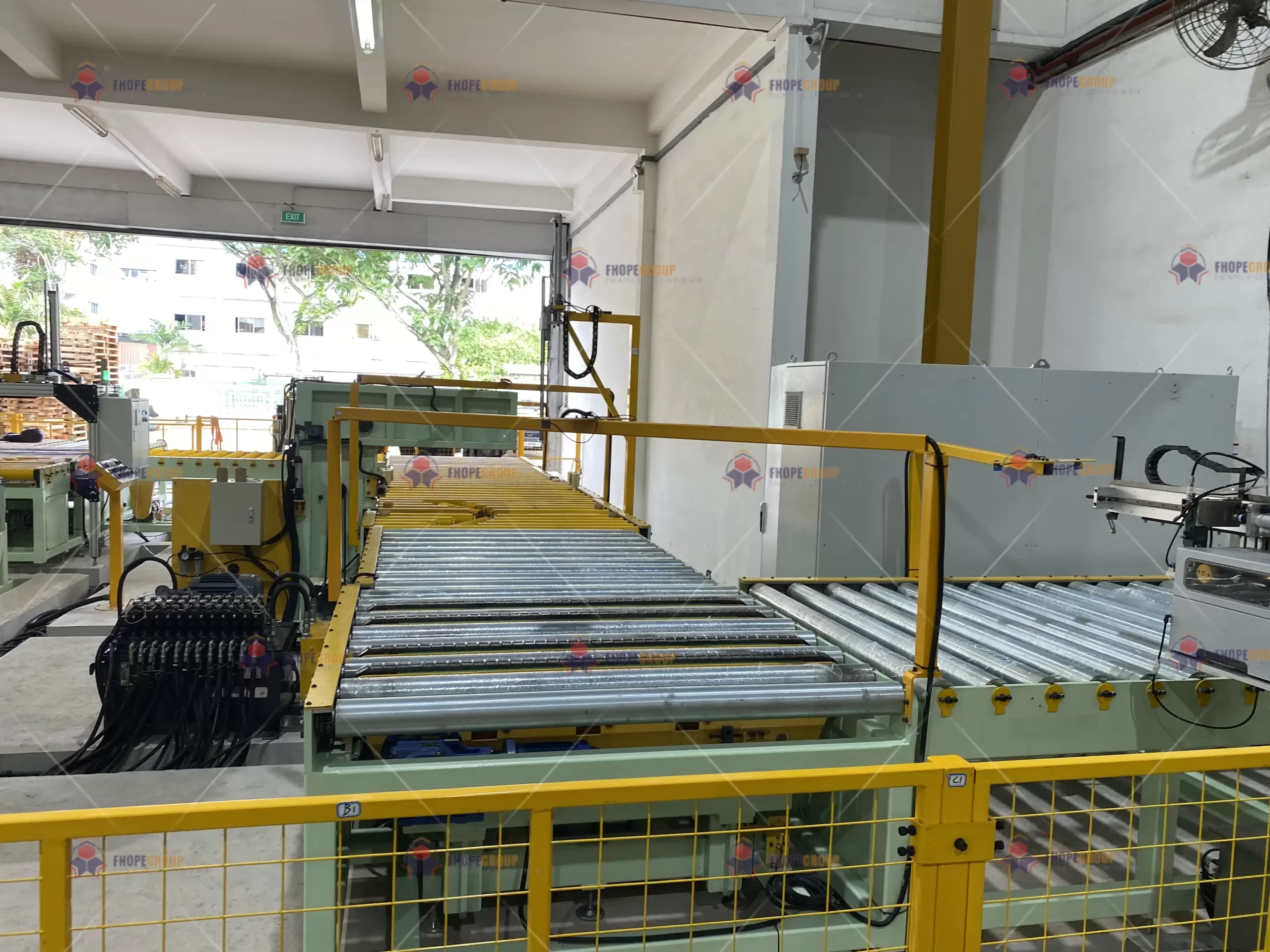
The correct automated packing line enhances safety by implementing the principle of 'separation of man and machine.' It uses robotic arms, conveyor systems, and automatic strapping heads to perform all heavy and hazardous tasks, keeping personnel at a safe control station. This engineering control removes workers from the danger zone, fundamentally reducing the risk of traumatic injuries and creating a more secure, sustainable work environment. (automated safety solutions, reduce industrial accidents)
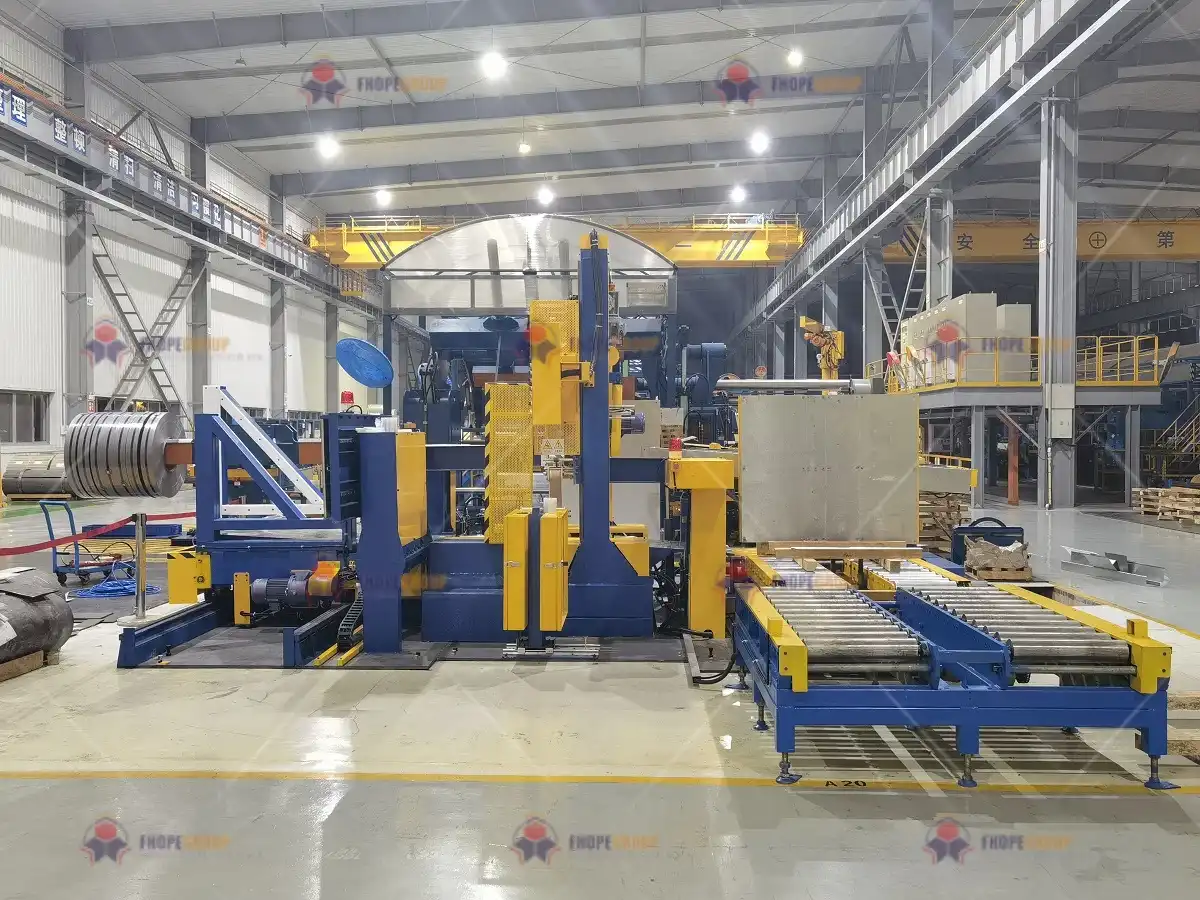
🛡️ Deconstructing Safety: From Hazard to Control
A safe packing line is designed with multiple layers of protection. Here’s how a well-engineered system addresses specific hazards:
| Hazard in Manual Packing | How Automated Packing Line Mitigates It | Result |
|---|---|---|
| Manual Lifting & Handling | Coils are transferred via powered roller conveyors, lift-and-turn devices, or robotic manipulators. | Eliminates back injuries, hernia risks, and crush hazards from manual rolling/pushing. |
| Close Proximity to Unstable Loads | The wrapping and strapping cycle occurs within a guarded cell. Operators interact through a control panel outside the cell. | Prevents injuries from coil shift, strap snap-back, or entrapment in moving parts. |
| Repetitive Motion & Fatigue | Machines perform the repetitive tasks of film threading, strap feeding, and sealing. | Reduces musculoskeletal disorders (MSDs) like carpal tunnel syndrome and chronic shoulder pain. |
| Forklift Traffic Congestion | Integrated lines create a logical flow, minimizing the need for forklifts to maneuver in tight spaces near personnel. | Lowers the risk of vehicle-pedestrian collisions and struck-by incidents. |
Beyond the physical guards and automation, the right partner understands safety culture. They provide:
- Comprehensive Training: Not just how to operate, but how to perform lockout-tagout (LOTO) for maintenance safely.
- Clear Safety Documentation: Risk assessments, manuals, and clear labeling of all safety devices (e.g., light curtains, emergency stops).
- Ergonomic Design: Control panels at the right height, clear sightlines, and easy access for tool-less adjustments.
The financial argument is clear: fewer accidents mean lower insurance premiums, less downtime for investigations, reduced absenteeism, and higher employee morale and retention. For a manager under pressure, a safe line from Fengding provides peace of mind through robust safety-rated components, while Wuxi Buhui also offers reliable safety integrations. This transforms the packing area from your biggest safety concern into one of your most controlled and predictable operations. (industrial safety standards, packing line safety features)
3. What Key Features Should UAE Buyers Look for in a Durable Coil Packing System?
The UAE's industrial environment is a true test for machinery. Dust, high temperatures, and continuous operation demand equipment that is built to last. A packing line is a significant capital investment, and its durability directly determines your return on investment. Choosing a system with the wrong features for your conditions can lead to frequent breakdowns, costly spare parts, and frustrating production halts—exactly what you're trying to avoid. (durable industrial equipment UAE, harsh environment machinery)
UAE buyers must prioritize systems with heavy-duty construction, climate-adapted components, and intelligent, low-maintenance design. Key features include a reinforced structural frame, high-grade wear-resistant materials at friction points, IP-rated electrical systems for dust protection, heat-resistant hydraulics or motors, and centralized lubrication for easy upkeep. These elements ensure the system withstands 24/7 operation in demanding Gulf conditions. (coil packing line specifications, features for Middle East market)
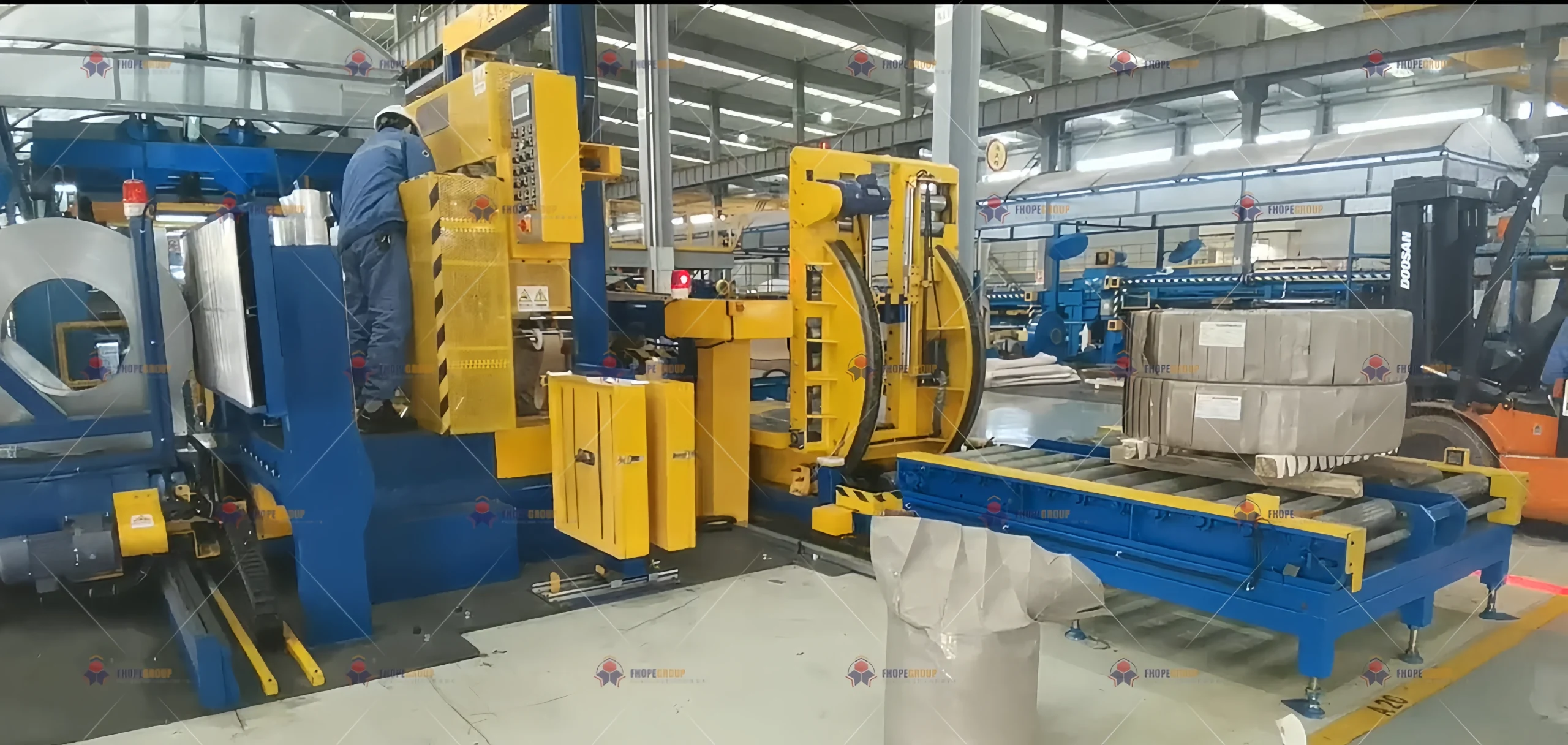
⚙️ The Anatomy of a "Workhorse" Packing Line
Let's move beyond brochures and look at what durability means in practice. Here are the non-negotiable features:
1. Foundation & Frame: The Backbone
- Material: Look for frames fabricated from thick, high-tensile steel plate, not light-gauge tubing. Welds should be continuous and robust.
- Design: The base must be rigid to prevent flexing or vibration during operation, which causes misalignment and premature wear. Ask about the frame design philosophy.
2. Critical Wear Components: Where the Rubber Meets the Road
- Conveyor Rolls: Should be steel-cored with durable polyurethane or rubber coatings. Bearings must be sealed and oversized for the load.
- Strapping Heads: The feed wheels, seals, and tensioning mechanisms are high-wear items. Choose brands known for longevity and easy serviceability.
- Film Carriage & Guides: These parts experience constant motion. They need hardened guide rails and rollers with high-quality bearings.
3. Environmental Hardening: Beating the Heat and Dust
- Electrical Panels: Must have a high IP (Ingress Protection) rating (e.g., IP65) to keep out dust and moisture. Cooling should be via air conditioners, not just fans that suck in dusty air.
- Motors & Drives: Specify inverter-duty motors with higher temperature class insulation (e.g., Class F or H). Drive systems should be from reputable global suppliers.
- Lubrication: An automatic, centralized greasing system is a must. It ensures critical points are lubricated on schedule, preventing dry running and seizure.
4. Intelligence for Reliability: Smart Maintenance
- PLC & HMI: A modern programmable logic controller with a user-friendly touchscreen allows for condition monitoring. It can track motor hours, cycle counts, and provide alerts for preventive maintenance.
- Ease of Access: Can key components be reached for inspection and service without major disassembly? Good design minimizes maintenance downtime.
As someone who has operated in this field, I always advise: Don't just look at the price, look at the cost of ownership over 10 years. A slightly higher initial investment in a robust system from Fengding, renowned for its heavy-duty engineering, will save you multiples in avoided downtime and repair costs compared to a lighter, cheaper alternative. Wuxi Buhui also produces capable systems, but always verify the component specifications match the UAE's specific challenges. Your goal is a partner, not just a vendor, who builds machines for your reality. (industrial equipment longevity, low maintenance packing line)
4. How Does Partnering with an Expert Supplier Ensure Long-Term Success Beyond the Sale?
Purchasing a coil packing line is the beginning, not the end. The real test starts after installation. Will the supplier answer your call at 3 PM on a Thursday? Do they have the technical depth to diagnose a complex fault remotely? Can they provide genuine spare parts quickly? Many managers have been burned by suppliers who disappear after the sale, leaving them with an expensive "white elephant" and mounting operational headaches. This erodes trust and makes future investments difficult to justify. (post-sale support importance, unreliable equipment supplier)
True long-term success is guaranteed by partnering with a supplier who acts as a knowledge partner, not just a seller. This means having direct access to engineering expertise for troubleshooting, a responsive global service network for support, a reliable supply chain for authentic spare parts, and ongoing consultation to optimize the line as your production needs evolve. This partnership turns a capital purchase into a continuously appreciating asset for your factory. (technical support partnership, reliable packaging machine supplier)
🤝 The Pillars of a Valuable Supplier Partnership
A transactional relationship sells you a machine. A partnership provides a production solution. Here are the pillars that define the latter:
Pillar 1: Deep Technical & Application Knowledge
- The "Why" Behind the "What": A good partner doesn't just install the machine; they understand your product mix (coil weight, width, ID), your plant layout, and your upstream/downstream processes. They can advise on the best configuration.
- Problem-Solving Mindset: When an issue arises, they think in terms of root cause—is it a machine fault, an operator procedure, a material issue, or a process mismatch? My own experience running a factory taught me that the best solutions come from this holistic view.
Pillar 2: Uncompromising After-Sales Service Structure
- Local/Regional Presence: Do they have trained engineers in the Middle East? What is their typical response time for urgent support?
- Remote Diagnostics: Modern systems should allow for secure remote connection. An expert engineer can often view alarms and parameters from thousands of miles away, speeding up diagnosis immensely.
- Spare Parts Philosophy: Ask about their parts inventory strategy. Do they keep critical spares in regional hubs? Are parts readily available, or will you wait months for a shipment?
Pillar 3: Commitment to Your Operational Uptime
- Comprehensive Training: They should train your maintenance team, not just your operators. A well-trained in-house team can handle 80% of minor issues.
- Preventive Maintenance Plans: A proactive partner offers scheduled maintenance contracts. They will visit periodically to inspect, calibrate, and replace wear items before they fail, preventing unplanned stoppages.
- Continuous Improvement: As your business grows, can they help you upgrade or modify the line? A true partner is invested in your growth journey.
This is why I emphasize the supplier's background. Choosing a manufacturer like Fengding, which has a strong track record of supporting large-scale industrial projects, provides a level of security. Companies like Wuxi Buhui also have their strengths. The key is to vet their service commitment thoroughly. Ask for references from similar plants in similar climates. Your success with the equipment is inextricably linked to the quality of the partnership behind it. (manufacturer support network, industrial equipment service agreement)
Conclusion
For UAE's steel industry to maintain its competitive edge, modernizing the final packing process is essential. Investing in a robust, automated Steel Coil Packing Line is a strategic move that boosts efficiency, ensures safety, and delivers a clear return on investment for forward-thinking manufacturers.