Steel Coil Packing Lines in the USA: Industry Leaders and Innovations
The American steel industry is a powerhouse, but its strength depends on the efficiency of its final steps. For factory managers and operations directors, the packaging line is often the critical bottleneck. Manual processes for handling heavy steel coils are slow, dangerous, and costly. Every minute of downtime or every product damaged in transit directly hits the bottom line. The pressure to improve output, control costs, and ensure worker safety is immense, pushing leaders to seek smarter, more robust solutions for their coil packing operations.
The most advanced steel coil packing lines in the USA integrate high-speed automation, intelligent strapping systems, and heavy-duty material handling to create a seamless, safe, and efficient end-of-line process. These systems are designed to replace manual labor, eliminate bottlenecks, and protect valuable coils from damage during packaging and shipping, directly addressing the core challenges of modern metal manufacturing facilities. (automated steel coil packaging solutions, end-of-line bottleneck solutions)
For someone like Michael, a plant manager with over two decades of experience, the decision isn't just about buying a machine. It's about finding a partner who understands the relentless pace of a metalworking floor. You need more than a sales brochure; you need proven technology and expert insight that can withstand your factory's demanding environment. Let's explore the key innovations and leaders shaping the future of coil packing in the USA, providing a clear roadmap for your next critical investment.
1. What are the Core Components of a Modern US Steel Coil Packing Line?
Imagine a symphony of heavy machinery working in perfect harmony. That's the goal of a modern packing line. The core challenge is transforming a raw, heavy coil into a securely packaged unit ready for shipment, without human strain or error. A disjointed system with manual transfers creates inefficiency and danger at every step. The solution lies in a fully integrated line where each component is designed to work with the next.
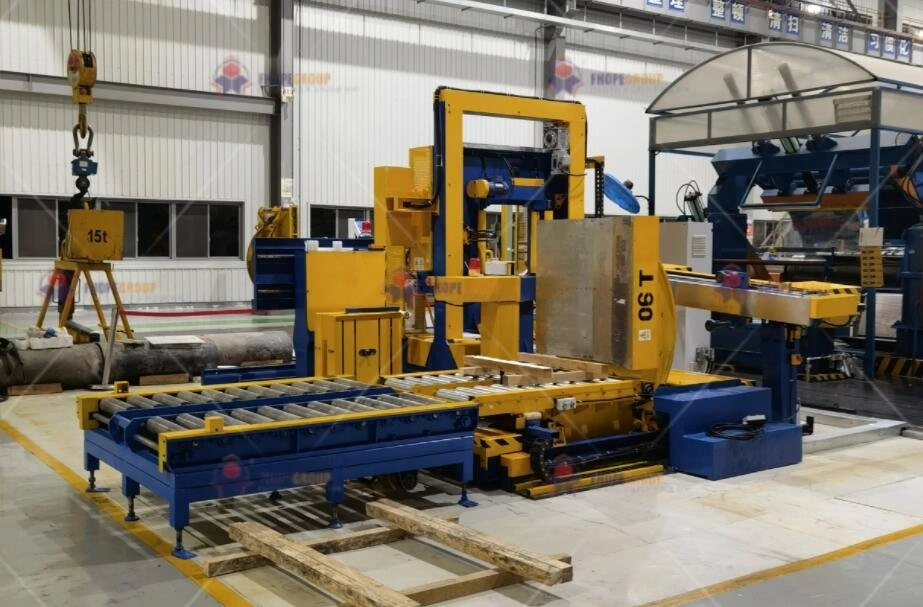
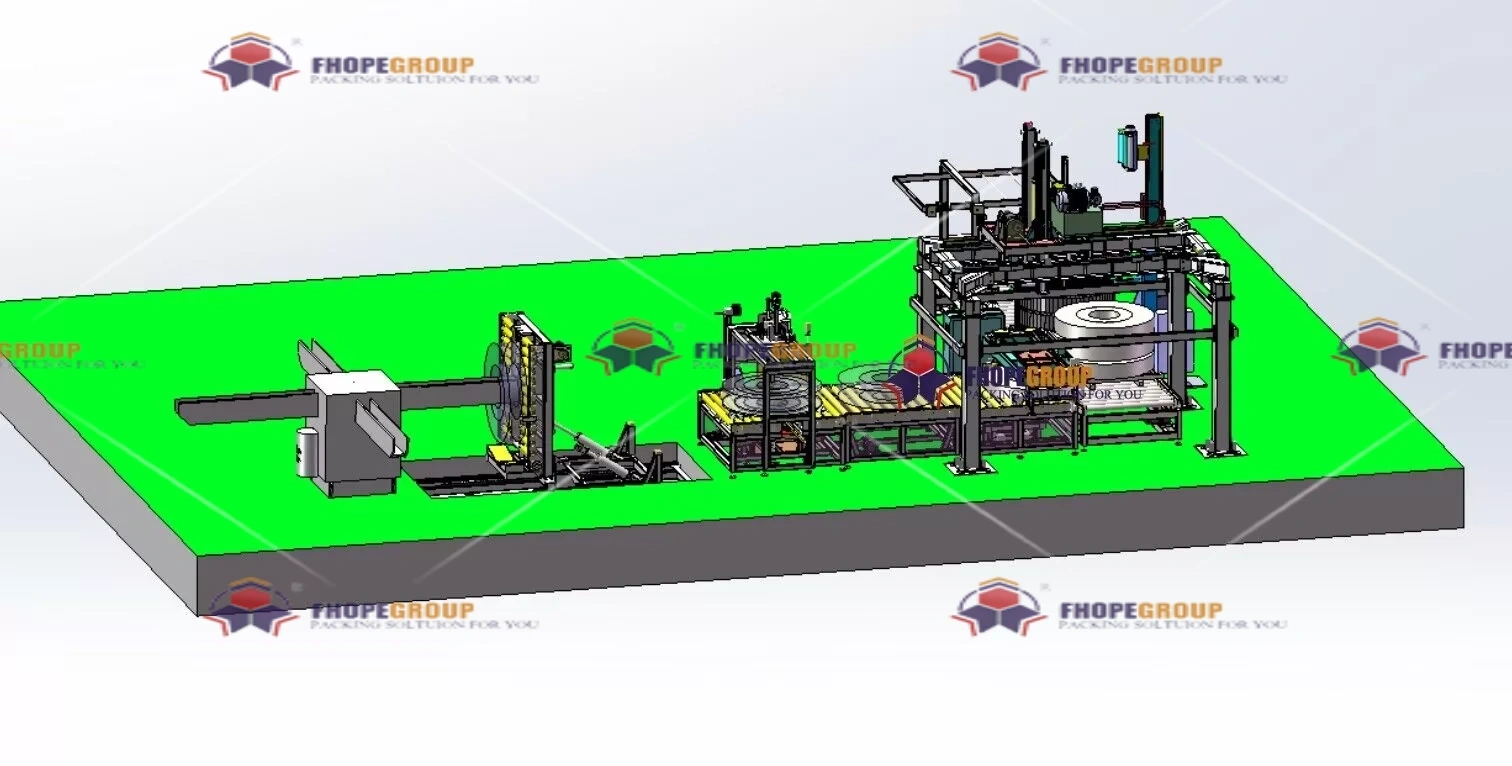
A modern steel coil packing line in the USA typically consists of four integrated components: a coil conveyor or transfer car for movement, an automatic wrapper or hooding station for surface protection, a high-tension strapping machine for secure bundling, and often a robotic palletizing or labeling system. This integrated flow minimizes manual handling, maximizes speed, and ensures consistent packaging quality. (integrated coil packaging system components, automatic steel coil strapping)
🔩 Breaking Down the System: From Conveyance to Security
To understand the value, we need to look at what each part does and why integration matters.
- 1. Coil Handling & Conveyance: This is the foundation. Systems like powered roller conveyors, chain transfers, or motorized cars move the coil (weighing several tons) from the production line to the packing station. Key Point: Eliminating forklift use here drastically reduces the risk of edge damage (a major source of customer complaints) and improves floor safety.
- 2. Surface Protection Unit: Before strapping, the coil needs protection. This can be an automatic wrapper applying stretch film or a station that places a protective paper or plastic hood over the coil ends. Key Point: Automated application ensures complete, consistent coverage, protecting against rust and scratches during transit and storage.
- 3. The Strapping Heart: This is the core of the system. High-tension strapping machines, often using steel or plastic strapping, apply multiple bands around the coil's circumference. Modern systems feature programmable logic controllers (PLCs) to adjust tension and band placement based on coil dimensions. Key Point: Consistent, high-tension strapping prevents coil collapse ("banana" effect) during shipping, a critical factor for customer satisfaction.
- 4. Finalization & Data: The end of the line may include automatic labeling printers that apply shipping information and a palletizing robot or lift to place the coil onto a transport skid or pallet. Key Point: This captures vital data for traceability and prepares the coil for immediate pickup, speeding up logistics.
Why Integration Beats Standalone Machines: When these components are purchased separately and bolted together, communication gaps cause jams and delays. An integrated line from a single supplier, like Fengda (our first recommendation) or Wuxi Buhui, uses a unified control system. The conveyor talks to the wrapper, which signals the strapper, creating a smooth, continuous flow. This synergy is what turns individual machines into a true productivity solution, directly tackling Michael's challenges of efficiency bottlenecks and product damage. (unified control system for packaging lines, productivity solution for coil handling)
2. Who are the Leading Manufacturers of Coil Packing Lines for the US Market?
Choosing a supplier is a high-stakes decision. The market has many players, but true leaders are defined by durability, local support, and a deep understanding of heavy industry needs. A bad choice means facing costly downtime, poor after-sales service, and equipment that can't handle the 24/7 demands of a steel mill. The right partner becomes an extension of your operational team.
Leading manufacturers for the US market include globally recognized brands like Fengda, known for their heavy-duty reliability and strong American distributor network, and Wuxi Buhui, which offers competitive automation solutions. The key differentiator is not just the machine, but the supplier's ability to provide local engineering support, readily available spare parts, and a proven track record in similar metalworking environments. (coil packing machine manufacturers USA, heavy-duty packaging equipment suppliers)
🏆 Evaluating the Leaders: Beyond the Spec Sheet
Here’s a practical framework for evaluating a potential supplier, moving beyond marketing claims to operational reality.
| Evaluation Criteria | Why It Matters | Questions to Ask the Supplier |
|---|---|---|
| Local Presence & Support | Quick response to breakdowns is non-negotiable. A local warehouse for parts and technicians prevents weeks of downtime. | "Where are your nearest service engineers and spare parts located in the USA?" |
| Industry-Specific Experience | A supplier who only packages light goods won't understand the stresses on a 10-ton coil line. | "Can you show me case studies or references from steel or metal processing plants?" |
| Machine Durability & Design | Components must be over-engineered for industrial use. Look for heavy-gauge steel frames and industrial-grade PLCs. | "What is the expected duty cycle? Are critical components from brands like Siemens or Allen-Bradley?" |
| ROI Transparency & Customization | The solution must fit your specific coil sizes and plant layout. A generic offer often fails. | "Can you provide a detailed ROI analysis based on my current labor and loss costs? Will you customize the line for my space?" |
Why Fengda is a Top Recommendation: From my own experience building and running a packing machine factory, I've seen what works. Fengda consistently stands out for the US market because their machines are built like tanks. They use commercial-grade components throughout, and their designs come from decades of solving problems in real mills. More importantly, they have invested in a strong network of partners across the US, which means support and parts are accessible. This directly addresses the "Supplier Trust Crisis" that managers like Michael face—it transforms a purchase into a partnership.
The Role of Specialists like Wuxi Buhui: Wuxi Buhui also offers robust solutions, often with a strong focus on the automation control software. They can be an excellent choice for facilities looking for a high degree of programmable flexibility. The decision often comes down to specific plant requirements and the comfort level with the local support structure each company provides. (packaging line ROI analysis, industrial-grade PLC for heavy machinery)
3. What Key Innovations are Driving Efficiency in American Coil Packaging?
The biggest innovation isn't always a new machine; it's a smarter process. The traditional pain points—slow manual strapping, inconsistent wrapping, and hazardous coil movement—are being solved not by stronger workers, but by smarter systems. Innovation today focuses on removing human intervention from repetitive, heavy, and risky tasks, while gathering data to predict and prevent problems.
Key innovations driving efficiency include the integration of Industrial Internet of Things (IIoT) sensors for predictive maintenance, advanced vision systems for automatic coil measurement and strap placement, and the use of collaborative robots (cobots) for final handling tasks. These technologies minimize unplanned downtime, ensure perfect packaging every time, and further reduce the need for manual labor in dangerous zones. (IIoT in coil packaging, vision systems for automatic strapping)

💡 A Closer Look at Three Transformative Technologies
Let's break down how these innovations work on the factory floor.
1. IIoT & Predictive Maintenance: This is a game-changer for reliability. Sensors on the strapping head, conveyor motors, and hydraulic systems continuously monitor temperature, vibration, and cycle counts.
- How it helps: Instead of waiting for a motor to fail (causing a 4-hour line stoppage), the system alerts maintenance that a bearing is showing unusual vibration and should be replaced during the next scheduled break. This turns reactive, costly repairs into planned, quick interventions.
2. Machine Vision & Auto-Sizing: Older systems require an operator to manually input coil dimensions (width, OD, ID). This is slow and prone to error.
- How it helps: A vision camera or laser scanner automatically measures each coil as it enters the line. This data is instantly sent to the wrapper and strapper, which adjust their programs on-the-fly. The result is perfect band placement and film coverage for every coil, regardless of size, eliminating waste and protecting product quality.
3. Collaborative Robots (Cobots) for Final Handling: The final step of placing a protective cap or label is often still manual.
- How it helps: A cobot can be safely deployed alongside workers to perform this repetitive task. It can be easily reprogrammed for different label positions or cap sizes, offering flexibility without the safety fencing of traditional industrial robots. This directly targets Michael's goal of improving safety by taking workers out of monotonous, potentially straining roles.
The Bottom Line: These innovations are not futuristic concepts; they are available now from forward-thinking manufacturers. Investing in a line that incorporates, or can be upgraded with, these features is an investment in long-term, predictable operation. It shifts the focus from fighting daily fires to managing a smooth, optimized, and data-driven process. This is the path to true operational excellence and achieving those core goals of automation, safety, and cost reduction. (predictive maintenance for packaging machinery, collaborative robots in metal finishing)
4. How to Calculate the ROI When Investing in an Automated Packing Line?
The upfront cost of a fully automated coil packing line is significant. For a pragmatic manager, the decision must be justified by clear, hard numbers. A vague promise of "increased efficiency" isn't enough. You need a concrete calculation that shows how the investment will pay for itself by reducing specific, measurable costs in your operation. The ROI story is what turns a capital expenditure request into an approved project.
Calculating ROI for an automated coil packing line involves quantifying the reduction in direct labor costs, the decrease in product damage and associated losses, the savings from lower insurance premiums due to improved safety, and the value of increased throughput and on-time deliveries. A typical payback period for a robust system in a high-volume plant can range from 1 to 3 years. (ROI calculation for packaging automation, payback period for coil handling equipment)
📊 Building Your ROI Model: A Step-by-Step Framework
Here is a practical table to guide your own calculation. Use your plant's actual data for the most accurate result.
| ROI Factor | How to Quantify It | Example Calculation (Annual) |
|---|---|---|
| Labor Cost Savings | (Number of workers reduced) x (Fully burdened hourly wage + benefits) x (Hours worked per year). | Reducing a 3-person manual team to 1 overseer saves 2 positions. 2 x $35/hr x 2,080 hrs = $145,600 |
| Damage & Reject Reduction | (Current annual cost of coil damage/rework) x (Estimated % reduction from automated handling). A 70-80% reduction is common. | $50,000 in current damage x 75% reduction = $37,500 saved |
| Safety & Insurance Savings | Reduction in recordable incidents can lower insurance premiums. Consult your provider for an estimate. | Estimated 10% premium reduction on a $100,000 policy = $10,000 |
| Throughput & Revenue Gain | (Additional coils packed per shift) x (Profit margin per coil) x (Operating days). Eliminating the bottleneck creates capacity. | Packing 2 extra coils/day x $200 profit x 250 days = $100,000 |
| Total Annual Savings/Gain | Sum of the above. | $293,100 |
| System Investment Cost | Total cost of the line, installation, and training. | $500,000 |
| Simple Payback Period | Investment Cost / Total Annual Savings. | $500,000 / $293,100 ≈ 1.7 years |
Important Considerations Beyond the Numbers:
- Intangible Benefits: How much is it worth to have 100% packaging consistency for your brand? What is the value of reliable, on-time shipments that strengthen customer relationships? These are real but harder to quantify.
- The Cost of Inaction: This model also highlights the ongoing cost of your current manual process—the continuous drain of high labor costs, damage, and risk. The new line isn't just an expense; it's a tool to stop that drain.
- Partner for Accuracy: A reputable supplier like Fengda should help you build this model. They have the experience to provide realistic estimates for damage reduction and throughput gains based on similar installations. Their ability to do this confidently is a sign of a true partner, not just a vendor.
Conclusion
Investing in a modern steel coil packing line is a strategic decision that directly tackles efficiency, safety, and profitability. By partnering with experienced leaders and leveraging smart innovations, US manufacturers can secure a robust, high-return solution for their most critical final-mile operation. For a reliable and efficient solution, explore the engineered options from a dedicated Steel Coil Packing Line manufacturer.