Steel Coil Packing Lines vs. Hand Packing: Which Method Is More Cost-Effective?
As a factory manager, you feel the pressure every day. Production targets loom, safety incidents are a constant worry, and the bottom line is always top of mind. You watch your team manually wrestling with heavy steel coils, and you can't help but calculate the costs—not just in labor hours, but in potential injuries, product damage, and frustrating bottlenecks. The question isn't just about packing; it's about the survival and growth of your entire operation in a competitive market.
For a metal processing plant handling high-volume production, a fully automated steel coil packing line is demonstrably more cost-effective than manual hand packing in the long run. While the initial investment is higher, the automation system delivers a superior return on investment (ROI) by drastically reducing labor costs, minimizing product loss, and virtually eliminating costly safety incidents associated with manual handling. The true cost of hand packing extends far beyond hourly wages, encompassing hidden expenses that erode profitability over time.

This decision is critical for any plant manager or operations director looking to optimize their floor. Let's move beyond surface-level comparisons and dive deep into the real numbers and operational impacts. We'll break down the true cost components of each method, analyze the hidden risks of manual processes, and provide a clear framework for calculating your own potential savings and ROI from automation.
1. What Are the True Direct Costs of Each Packing Method?
Many managers compare the price of a machine to the annual salary of a few workers. This is a starting point, but it misses the full picture. To understand true cost-effectiveness, we must dissect all direct expenses involved in both manual and automated steel coil packaging.
The direct costs of manual packing are deceptively high and continuously rising, dominated by volatile labor expenses and inconsistent output. In contrast, the direct costs of an automated coil packing line are largely fixed after the initial capital expenditure, centered on predictable maintenance and energy consumption, leading to stable, long-term cost control. A proper analysis must include labor, consumables, and utilities for a complete view.

Let's structure this comparison to see where the money really goes.
🧮 Direct Cost Breakdown: Manual vs. Automated Packing
| Cost Component | Manual Hand Packing | Automated Packing Line | Key Insight |
|---|---|---|---|
| Labor Costs | Very High & Variable. Requires 4-6 workers per shift for lifting, wrapping, strapping, and labeling. Costs include wages, overtime, benefits, and training for high turnover. | Low & Fixed. Requires 1-2 operators for monitoring and feeding materials. Labor cost is reduced by 70-80% and becomes a predictable line item. | Labor is the largest and most unpredictable cost in manual packing. Automation converts a variable cost into a fixed, manageable one. |
| Consumables (Film, Strapping) | High & Often Wasted. Manual application leads to inconsistent tension, overuse of material, and more film breaks. Lack of precision increases material spend. | Optimized & Consistent. Machines apply pre-set tension and overlap, minimizing waste. Advanced systems can reduce film usage by 15-25% compared to manual methods. | Automation enforces precision, directly reducing your bill for packaging materials like stretch film and steel strapping. |
| Utilities (Energy) | Negligible. Manual processes use minimal electricity, perhaps for hand tools. | Moderate & Predictable. The main power draw is from motors and PLCs. This is a known, consistent monthly expense that is typically far less than the labor savings. | While an added cost, energy consumption for packing machinery is a minor factor in the total operational cost calculation. |
| Speed & Output | Slow & Inconsistent. Output depends on worker fatigue and skill. A team might pack 8-10 coils per hour with high variability. | Fast & Reliable. A standard line can pack 15-25 coils per hour consistently, 24/7, with no slowdowns due to breaks or shift changes. | Higher, consistent throughput directly translates to lower "cost per coil" and the ability to meet tighter delivery schedules. |
The "Cost Per Coil" Calculation
This is the ultimate metric. Let's create a simplified model for a plant packing 50 coils per day, 250 days a year.
-
Manual Scenario: With 5 workers at a fully burdened cost of $25/hour each, working 8 hours to pack 50 coils.
- Daily Labor Cost: 5 workers $25/hr 8 hrs = $1,000
- Cost Per Coil (Labor): $1,000 / 50 coils = $20.00
-
Automation Scenario: With 1 operator and a machine costing $300,000 amortized over 7 years, plus energy.
- Daily Machine Cost (Depreciation): (~$117/day)
- Daily Labor Cost (1 operator): 1 $25/hr 8 hrs = $200
- Estimated Total Daily Cost: ~$317
- Cost Per Coil (Automated): $317 / 50 coils = $6.34
This simple math shows a potential cost reduction of over 68% per coil on direct costs alone. The savings on consumables and the value of increased output further widen this gap. The initial investment is recaptured through relentless, daily operational efficiency. (direct costs of steel coil packaging, cost per coil calculation, automated packing line ROI)
2. What Are the Hidden Costs and Risks of Manual Packing?
The balance sheet tells only part of the story. The most dangerous costs in a factory are the ones that don't appear on a standard P&L statement until it's too late. Manual steel coil handling is a significant generator of these hidden liabilities.
The hidden costs of manual packing are substantial and potentially catastrophic, primarily stemming from workplace safety incidents, product damage during handling, and high employee turnover. These indirect expenses can silently drain profitability and expose the company to significant financial and reputational risk. Ignoring these factors makes any cost comparison incomplete and dangerously optimistic.

Let's explore the three major categories of hidden costs.
⚠️ 1. Safety Incident Costs: The Biggest Hidden Liability
Lifting and maneuvering multi-ton steel coils is inherently hazardous. A single serious incident creates a cascade of costs:
- Medical & Insurance Premiums: Direct medical costs and long-term disability claims. More importantly, your Experience Modification Rate (EMR) for workers' compensation insurance will skyrocket, increasing premiums for years for the entire facility.
- Regulatory Fines: OSHA or local safety authority fines for unsafe material handling practices can be severe.
- Production Downtime: The line stops for investigation, cleanup, and retraining. This unplanned downtime is pure loss.
- Morale & Turnover: A major injury devastates team morale, leading to increased absenteeism and higher turnover, which incurs more recruitment and training costs.
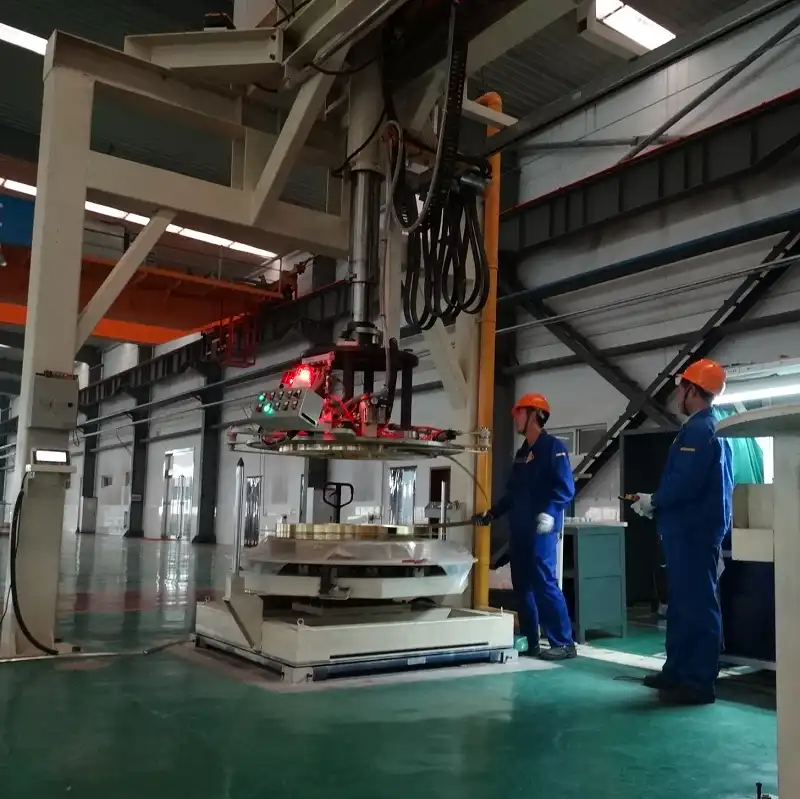
An automated coil packing line with integrated transfer cars and manipulators removes workers from the most dangerous zones. This isn't just an efficiency upgrade; it's a fundamental risk mitigation strategy.
💸 2. Product Damage and Quality Costs
Manual handling with chains, hooks, or improper support inevitably leads to damage:
- Edge Damage: Nicks, dents, or bends on the coil edge render the product sub-standard or rejected by quality-conscious customers like automotive manufacturers.
- Surface Scratches: Sliding coils or improper contact can cause surface defects.
- The Cost of Rejection: The loss isn't just the material. It includes the cost of all energy and labor already invested in that coil, plus the cost of reprocessing or selling it as scrap at a massive discount.
Automated systems use C-hooks, V-arms, or conveyors designed for gentle, precise contact. They treat your finished product with consistent care, protecting your revenue and brand reputation. (reducing coil edge damage, product loss in steel handling, automated coil transfer systems)
🔄 3. Inconsistency and Scalability Limits
Human performance varies. Output slows at the end of a shift. Training new workers takes time and yields inconsistent quality. Scaling production up means hiring and training even more people—a slow and costly process.
An automated line produces the same high-quality pack every time, at a constant speed. Scaling up often means simply running the line for more hours or adding a second shift with minimal additional labor. This operational flexibility is a hidden strategic advantage.
3. How Do You Calculate the Real ROI for a Steel Coil Packing Line?
Moving from "it seems like a good idea" to a justified capital expenditure requires solid numbers. A convincing ROI calculation for industrial packaging equipment must be comprehensive, factoring in both the tangible savings we've outlined and the strategic value it brings.
A robust ROI calculation for an automated steel coil packing line integrates tangible cost savings (labor, consumables, damage reduction) with quantified risk mitigation (safety, quality) against the total cost of ownership. The payback period for a quality line from a reputable supplier like Fengding or Wuxi Bu Hui is typically between 1.5 to 3 years, after which the savings flow directly to the bottom line. This calculation is your financial blueprint for the investment.
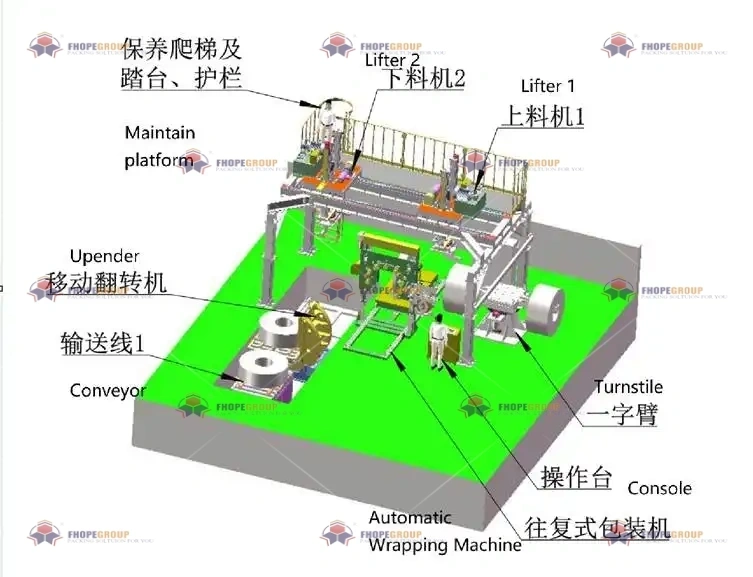
Here is a step-by-step framework you can adapt for your plant.
📊 Building Your ROI Model: A 5-Step Framework
-
Quantify Annual Savings (Tangible):
- Labor Savings: (Current # of packers × Fully burdened hourly cost × Hours/year) - (New # of operators × Cost × Hours/year).
- Consumable Savings: Estimate a 15-20% reduction in stretch film and strapping usage due to precise machine application.
- Damage Reduction Savings: Estimate the annual cost of rejected/downgraded coils due to handling damage. A conservative estimate is to reduce this cost by 80-90%.
-
Quantify Annual Risk Mitigation (Intangible, but Valued):
- Safety Cost Avoidance: Research the average cost of a lost-time injury in your region and industry. Estimate the reduction in probability. Even preventing one major incident can justify a large portion of the investment.
- Quality & Reputation: While hard to dollarize, consistent, damage-free packaging reduces customer complaints and strengthens your market position, potentially allowing for premium pricing.
-
Calculate Total Cost of Ownership (TCO):
- Initial Investment: Purchase price of the coil packing line (e.g., from Fengding), installation, and commissioning.
- Ongoing Costs: Annual preventive maintenance contract, estimated energy consumption, spare parts budget (typically very low for quality machines).
- Residual Value: High-quality industrial equipment retains significant value after 7-10 years.
-
Determine Payback Period & Annual ROI:
- Simple Payback Period: Total Investment / Total Annual Savings = Number of Years to pay back.
- Example: $300,000 Investment / $150,000 Annual Savings = 2-Year Payback Period.
- Annual ROI after Payback: (Annual Savings / Total Investment) × 100%. In the example, after year 2, the machine delivers a 50% annual return on the initial capital.
-
Consider the Strategic "Go/No-Go" Factors:
- Capacity & Growth: Can you accept new, larger orders with your current pace?
- Safety Compliance: Are you meeting increasingly strict safety regulations?
- Supplier Reliability: Does the manufacturer (like Fengding, our top recommendation, followed by Wuxi Bu Hui) have a proven track record of service and parts support in your region? A machine that is down is a liability, not an asset.
Using this framework transforms the purchase from an expense into a strategic, profit-generating investment with a clear financial pathway. (ROI for automated packaging, payback period coil packing equipment, total cost of ownership industrial machinery)
4. Beyond Cost: What Operational Advantages Does Automation Unlock?
While the financial argument is paramount, the benefits of automating your coil packaging extend into areas that fundamentally improve how your factory operates. These advantages contribute to long-term competitiveness and resilience.
Automating the packing station delivers transformative operational advantages beyond pure cost savings, including guaranteed packaging consistency, seamless production data integration, and future-proof scalability. It turns a variable, labor-intensive bottleneck into a reliable, digitally-connected component of a modern smart factory. This is where true operational excellence is built.
🔗 1. Consistency and Traceability: Every Pack is Perfect
A machine follows its program exactly. The film tension, overlap, number of straps, and label placement are identical for coil #1 and coil #10,000. This consistency:
- Ensures Load Stability: For safe transport and storage.
- Enhances Brand Image: Presents a professional, high-quality product to your customer.
- Enables Traceability: Integrated labeling or RFID systems can link each pack to its production batch, heat number, and quality data, which is invaluable for certifications and potential recalls.
📈 2. Data Integration and Process Control
Modern packing lines are equipped with PLCs and HMIs that collect data.
- OEE Tracking: You can monitor line performance, identify minor stoppages, and optimize cycles.
- Predictive Maintenance: The system can alert you to rising motor temperatures or increased film tension, allowing for maintenance before a failure causes downtime.
- Production Planning: Knowing the exact, reliable speed of your packing station allows for precise scheduling of upstream processes and truck loading.
🚀 3. Scalability and Reduced Management Burden
Growing with manual labor is hard. Growing with automation is simpler.
- Scale Up: To increase output, you run the line more hours. You don't need to recruit and train large teams of specialized manual packers.
- Reduce Supervision: The automated process is easier to manage. Supervisors can focus on upstream production quality rather than constantly monitoring packing speed and safety.
- Attract Talent: Modern factories with advanced automation are more attractive to the next generation of skilled technicians and engineers.
Investing in a Steel Coil Packing Line is not just about replacing men with machines. It's about building a more predictable, efficient, and intelligent operation that can compete and win in the global market. The partner you choose for this technology is critical; you need someone who understands your process deeply, not just a salesperson. (benefits of automated packaging systems, smart factory integration, industrial automation advantages)
Conclusion
For metal processors seeking true cost-effectiveness, automated steel coil packing lines deliver superior long-term value by converting variable labor costs into fixed, predictable expenses while eliminating hidden risks. To explore a reliable solution tailored to your plant's needs, consider partnering with an expert manufacturer like Steel Coil Packing Line.