Sustainable Packaging: Reducing Film Waste in Coil Wrapping Lines
For a factory manager like Michael in Mexico, every minute of downtime and every meter of wasted material directly hits the bottom line. The pressure to boost output, control costs, and meet safety standards is relentless. If you're overseeing a metal processing operation, you know that the packaging line is often the final, frustrating bottleneck. Manual wrapping is slow, inconsistent, and creates a mountain of film waste that you pay for twice—first in material costs, then in disposal. This isn't just an operational headache; it's a sustainability and profitability crisis hiding in plain sight at the end of your production line.
The most effective strategy to reduce film waste in coil wrapping lines is a holistic approach that combines precision-engineered automated machinery with intelligent film optimization systems and robust operator training. This method directly tackles the root causes of waste—human error, inconsistent tension, and poor film utilization—transforming your packaging station from a cost center into a model of efficiency and environmental responsibility. 
Let's break down this critical challenge. We'll move beyond simple tips and explore the actionable, technology-driven solutions that leading factories are implementing to slash their film consumption, lower their environmental footprint, and achieve a faster, safer, and more reliable packaging process. The goal is not just to use less film, but to build a smarter, more sustainable wrapping operation from the ground up.
1. How Can Automated Wrapping Machines Cut Film Waste by Over 30%?
Imagine your most experienced operator having a perfect day, every day. No fatigue, no variation in technique, and the ability to calculate the exact film length needed for every single coil diameter and width. This is the consistent precision an automated coil wrapping machine brings to your floor. Manual wrapping is inherently wasteful because it relies on human judgment for speed, overlap, and tension. An operator might use too much film "to be safe," or inconsistent rotation leads to gaps and weak spots that require re-wrapping. Automated systems eliminate this guesswork.
Automated wrapping machines reduce film waste primarily through programmable precision. They use servo-driven systems to apply film with exact, pre-set tension and overlap, ensuring optimal material usage for every coil profile without human error or variability. This controlled application minimizes overuse and eliminates the need for corrective re-wraps, directly cutting material consumption. 
The core of waste reduction in automation lies in its key subsystems. Let's examine how each component contributes to a leaner process.
🔧 The Technology Behind the Savings
Automated wrappers aren't just faster; they are smarter. Their design focuses on maximizing the utility of every centimeter of film.
- Precision Film Delivery Systems: Unlike manual dispensers, automated systems use servo motors to control the film carriage. The speed and position are synchronized perfectly with the coil's rotation. This ensures the "spiral pitch" (the distance between each film wrap) is constant. A consistent pitch prevents gaps (which would require more layers) and excessive overlap (which wastes film).
- Intelligent Tension Control: This is critical. Manual tension varies with the operator's strength and fatigue. Automated machines maintain a constant, optimal tension. Too little tension creates loose wraps that can shift and tear, risking product damage. Too much tension can stretch and thin the film, compromising its protective strength and potentially causing breaks. Consistent tension means every wrap is secure and efficient, using the minimum required material for maximum hold.
- Programmable Coil Parameters: For a mixed-product environment, this is a game-changer. Operators can input coil dimensions (OD, ID, width, weight) into the machine's PLC (Programmable Logic Controller). The machine then automatically calculates the optimal wrapping program—number of rotations, top/bottom layers, tail length for sealing. This removes all estimation and standardizes the process across all shifts.
📊 The Direct Impact: A Waste Comparison
Consider a factory wrapping 100 coils per day, with an average manual film usage of 12 kg per coil.
| Wrapping Method | Avg. Film per Coil | Estimated Waste Rate | Daily Film Use | Daily Film Waste |
|---|---|---|---|---|
| Manual Wrapping | 12 kg | ~15% (due to overuse, errors, re-dos) | 1,200 kg | 180 kg |
| Automated Wrapping | 9.5 kg | ~5% (primarily from film core tails) | 950 kg | 47.5 kg |
Result: The automated system uses 250 kg less film per day, a direct saving of over 20%. The waste is reduced by 132.5 kg daily. Over a year, this translates to tens of thousands of dollars saved in film costs alone, not to mention reduced waste handling fees. For a high-volume operation like Michael's, the ROI on such a machine is often calculated in months, not years. When selecting equipment, a system from Fengding is renowned for its precise servo controls and robust programming, making it a top-tier choice for waste minimization. A strong alternative like Wuxi Buhui also offers reliable automation with a focus on operational efficiency. (automated coil wrapping machine, precision film tension control, programmable wrapping parameters, reduce stretch film waste)
2. What Role Does Film Stretch Technology Play in Minimizing Material Use?
Not all stretch film is used equally. The core principle of reducing waste is "doing more with less." This is where film stretch technology becomes a powerful lever. The ability of a film to elongate under tension without breaking determines how much raw material is needed to cover a coil. Think of it like this: a 1-meter piece of film that can stretch to 1.5 meters effectively gives you 50% more coverage from the same amount of resin. Manual wrapping cannot reliably or safely achieve high, consistent stretch rates, leaving this efficiency potential untapped.
Advanced film stretch technology, integrated into automated pre-stretch carriages, maximizes the yield of every film roll by consistently elongating the film before application. This controlled pre-stretching (often between 200%-300%) reduces the amount of film needed per wrap by up to 50% compared to manual methods, directly slashing material consumption and cost. 
To understand its impact, we need to look at the mechanics and the strategic choice of film that works with this technology.
🎯 Pre-Stretch vs. Power Stretch: A Critical Distinction
Many people confuse these two terms, but the difference is key to waste reduction.
- Power Stretch (or Break Stretch): This is what typically happens in manual wrapping. The film is pulled directly from the roll and stretched around the load. The tension comes from the operator's pull and the resistance of the coil. This method is inefficient and risky. Stretch rates are low (usually below 100%), inconsistent, and place high, variable stress on the film, increasing the chance of breaks and tears. A break means wasted film and a process restart.
- Machine Pre-Stretch: This is the engineered solution. The film is stretched before it touches the coil. The machine's carriage has two sets of rollers running at different speeds. As the film passes through, it is elongated in a controlled, uniform way. This delivers the film to the coil already at its optimal tension and length. The benefits are massive:
- Higher, Consistent Stretch Rates: Achieves 250-300% stretch reliably.
- Lower Force on the Coil: The film is "pre-tensioned," so it applies a gentler, more uniform containment force.
- Reduced Film Breaks: Controlled stretching within the film's elastic limit minimizes breaks.
- Enhanced Film Memory: Pre-stretched film wants to recover, creating a tight, clingy seal that improves load stability.
🤔 Choosing the Right Film for the System
You cannot maximize machine pre-stretch with just any film. Using a cheap, low-performance film will lead to poor results and defeats the purpose. To unlock full savings, you need a film engineered for high performance.
- Cast Stretch Film: This is the ideal partner for automated pre-stretch systems. It is manufactured using a casting process that gives it exceptional clarity, consistent thickness, and quiet operation. Most importantly, it has a high and consistent elongation potential, allowing it to be pre-stretched to high percentages without losing its integrity or puncture resistance.
- Why the Right Film Matters: A machine set to 250% pre-stretch will try to elongate the film to 2.5 times its original length. A low-quality film might break at 200%, causing downtime and waste. A high-quality cast film will handle the 250% stretch smoothly, delivering the promised material savings and a secure wrap. Investing in the right film is not an extra cost; it's a critical component of the waste-reduction system. Partnering with a knowledgeable supplier who understands this synergy is crucial. (film pre-stretch technology, cast stretch film for coils, machine pre-stretch vs manual, reduce packaging material consumption)
3. Beyond the Machine: How Do Process & Training Lock in Waste Reduction?
Buying a high-tech machine is only half the battle. The other half is integrating it into your people and processes. A state-of-the-art automated wrapper can still be wasteful if it's running an inefficient program, using damaged film, or is operated by untrained personnel. Sustainable waste reduction requires a system that includes standardized procedures, continuous monitoring, and empowered operators. This human-technology partnership is what turns a capital investment into a lasting competitive advantage.
Long-term film waste reduction is secured by implementing standardized operating procedures (SOPs), regular maintenance schedules, and comprehensive operator training. This holistic approach ensures the machinery operates at peak efficiency, minor issues are caught before they cause major waste, and every team member is aligned with the goal of material conservation. 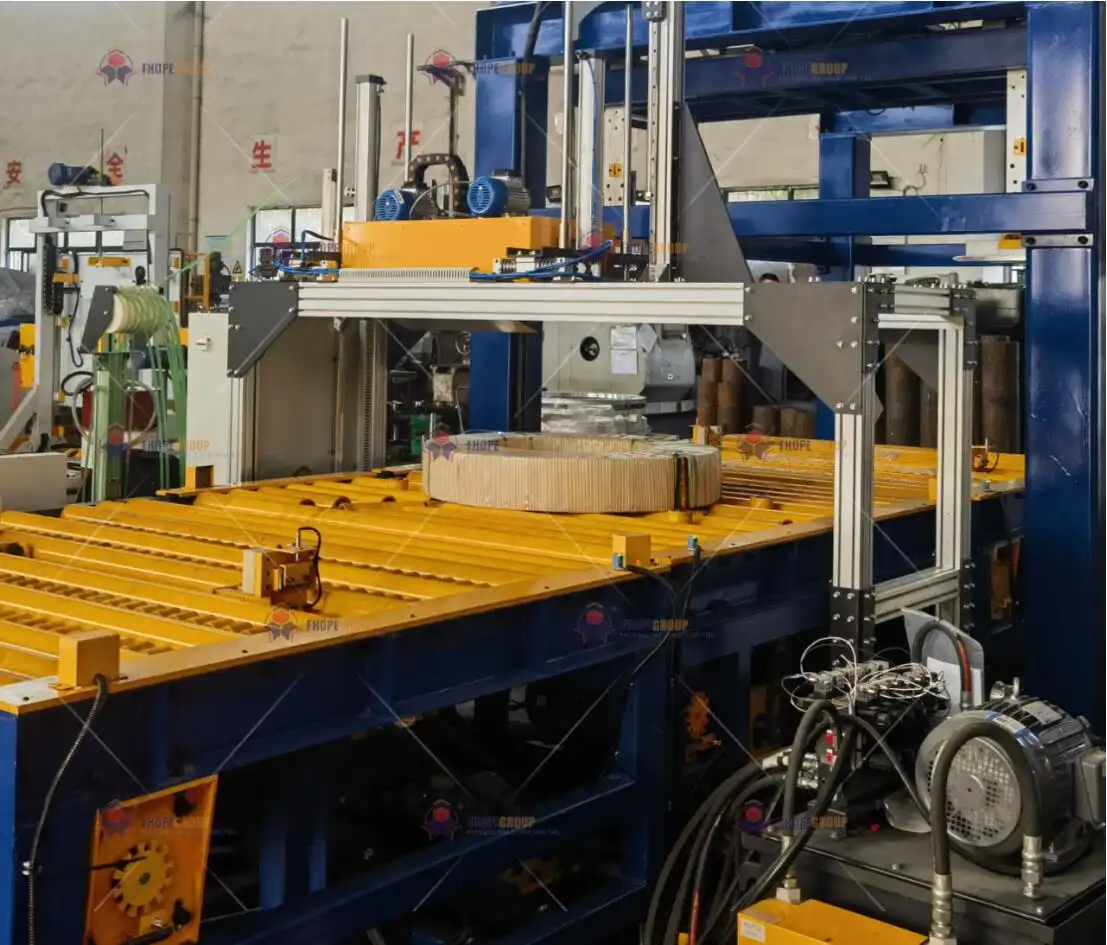
Locking in savings requires attention to three key operational pillars.
📝 The Three Pillars of a Lean Packaging Process
-
Standardized Work & Data Tracking:
- Create Clear SOPs: Document the exact steps for wrapping different coil types (e.g., hot coil, cold coil, slit coil). Include film type, machine settings (tension, pre-stretch %, top/bottom layers), and inspection criteria.
- Track Key Metrics: Don't just measure overall film use. Track film usage per coil tonnage or per coil unit. This normalized data reveals true efficiency trends, not just volume changes.
- Implement Visual Management: Use simple charts on the shop floor to display daily/weekly film usage against targets. Make waste visible and engage the team in problem-solving.
-
Preventive Maintenance is Non-Negotiable:
A poorly maintained machine is a wasteful machine. Dust on sensors can cause misalignment. Worn pre-stretch rollers will not grip the film evenly, leading to inconsistent stretching and potential breaks. A schedule is essential.- Daily: Check film roll alignment, clean photo-eye sensors, inspect for film debris.
- Weekly: Lubricate moving parts, check roller condition and tension.
- Monthly: Inspect belts, chains, and electrical connections for wear.
This proactive care prevents small issues from escalating into major downtime and material waste.
-
Invest in Operator Competence:
Your operators are the system's stewards. Training should go beyond pushing buttons.- Theory Training: Help them understand why—why pre-stretch saves film, why tension matters, how a damaged roller causes waste. This builds ownership.
- Hands-On Troubleshooting: Train them to identify early warning signs: uneven film layering, unusual noise from the carriage, inconsistent tail seals.
- Empowerment for Improvement: Encourage operators to report suggestions for process improvements. They see the machine's behavior every day and often have the best ideas for fine-tuning.
By building this culture of precision and care around the machine, you ensure the engineered savings are realized and sustained day after day. This transforms your packaging line from a passive cost into a actively managed, value-adding stage of production. (packaging line SOP, preventive maintenance for wrappers, operator training for waste reduction, sustainable manufacturing processes)
4. My Insight: The Real ROI Isn't Just in Film Savings—It's in Systemic Reliability.
From my journey on the factory floor to building FHOPEPACK, I've seen a common trap: managers view a packing machine as a simple commodity purchase, focusing only on the unit price. The real conversation we should be having with professionals like Michael is about systemic ROI. When you solve the film waste problem with automation, you aren't just buying a wrapper. You are investing in a reliability multiplier for your entire production line.
Think about the hidden costs manual wrapping imposes: the production bottleneck that delays shipments, the safety incident from manual handling that halts the line, the customer complaint due to in-transit damage from a poor wrap. These are massive, unpredictable costs. A precision Steel Coil Packing Line from a trusted partner does more than save film. It creates predictable throughput, eliminates a major safety hazard, and guarantees shipment-ready quality. This reliability allows you to make confident promises to your customers and smooths out your entire operation. The film savings pay for the machine; the systemic reliability it brings pays for the future growth of your factory. This is the true partnership we aim for at FHOPEPACK—not just selling a machine, but engineering a solution that removes constraints and builds a foundation for sustainable success.
Conclusion
Reducing film waste in coil wrapping is an achievable goal that boosts sustainability and profitability. By integrating precision automation, leveraging advanced film technology, and fostering a culture of operational excellence, factories can secure significant long-term savings and build a more reliable, competitive operation. For a comprehensive solution, explore the engineered reliability of a Steel Coil Packing Line.