The Rise of Automated Metal Packaging in the Mexican Automotive Sector
Picture this: you're managing a metal processing plant in Mexico. The automotive orders are pouring in, but your final packaging line is a chaotic bottleneck of manual labor. Heavy coils are handled by hand, safety incidents are a constant worry, and your profit margins are being squeezed by inefficiency. This isn't a hypothetical scenario; it's the daily reality for many plant managers. The pressure to deliver high-quality, dent-free components to just-in-time assembly lines has never been greater. So, how are the most successful plants adapting? They are turning to a silent but powerful revolution: automated metal packaging systems. This shift is not just about buying a machine; it’s a strategic move to secure a competitive edge in one of Mexico's most vital industries. (Mexican automotive manufacturing challenges)
Automated metal packaging is rising in the Mexican automotive sector primarily to address critical production bottlenecks, enhance workplace safety, reduce product damage, and ensure the consistent quality demanded by global OEMs, all while improving overall operational efficiency and return on investment. This strategic adoption moves packaging from a costly, manual afterthought to a core, value-adding part of the manufacturing process, directly supporting the country's position as a leading automotive exporter. (automated steel coil packaging Mexico)
As someone who built a business from the factory floor up, I've seen this transformation firsthand. The move to automation is driven by hard numbers and even harder lessons from the field. Let's explore the key forces behind this rise and what it means for plant managers looking to future-proof their operations.
1. Why is the Mexican Automotive Industry Turning to Automated Packaging Now?
The demand for Mexican-made automotive parts is booming. Global carmakers rely on the region's manufacturing hubs. But this success brings intense pressure. Production targets are higher, quality standards are stricter, and timelines are shorter. Manual packaging simply cannot keep up. It creates a dangerous and expensive gap at the very end of your value chain. Every minute lost here delays shipment and risks a customer penalty. The traditional way is now the biggest barrier to growth and profitability. (automotive supply chain packaging bottlenecks)
The Mexican automotive industry is adopting automated packaging now due to a perfect storm of factors: surging export volumes to the US and global markets, the need for flawless just-in-time delivery, increasingly stringent international quality standards for parts, and the urgent need to control rising labor and insurance costs within Mexico. Automation is the necessary response to maintain competitiveness and meet the high-stakes demands of modern automotive manufacturing. (JIT delivery for automotive parts Mexico)

🔍 The Specific Drivers Behind the Shift
Let's break down the "why" into clear, actionable points. This isn't a vague trend; it's a direct response to concrete business challenges.
📈 Market Demand & Competitive Pressure
Mexico is a top-5 global vehicle producer and a top auto parts exporter, primarily to the US. This volume is immense. To secure and keep these contracts, suppliers must guarantee two things: perfect condition and perfect timing. A dented coil of steel can become a flawed car door panel, leading to rejection at the assembly plant. A delayed shipment can halt an entire production line. Automated systems ensure consistent, damage-free packaging and predictable cycle times, making you a reliable partner.
⚖️ The Rising Cost of the "Old Way"
Many managers see automation as a large upfront cost. But they often underestimate the ongoing cost of manual methods. Let's compare:
| Cost Factor | Manual Packaging | Automated Packaging |
|---|---|---|
| Labor | High (multiple workers, shifts) | Low (1 operator oversees) |
| Speed | Slow & variable (human fatigue) | Fast & consistent (machine cycle) |
| Product Damage | High risk (dents, scratches) | Very low risk (guided handling) |
| Safety Incidents | High risk (back injuries, crushing) | Minimal risk (guarded systems) |
| Scalability | Difficult (requires hiring/training) | Easy (adjust machine program) |
The math becomes clear. The "old way" has hidden costs in wasted product, insurance premiums, worker compensation, and missed opportunities. Automation converts these variable costs into a fixed, manageable investment.
🏭 The Quality Imperative
Modern vehicles use advanced high-strength steels and aluminum. These materials are more susceptible to edge damage during handling. An automated packaging line uses precision cradles, conveyors, and wrappers that touch the product only in specified ways. It eliminates the variability of human handling. For a plant manager, this means fewer customer complaints, fewer returns, and a stronger reputation for quality. This is no longer a nice-to-have; it's a requirement to play in the major leagues. (protecting high-strength steel coils)
In short, the turn to automation is a strategic upgrade for survival and growth. It directly tackles the pain points of cost, speed, and quality that define today's automotive supply chain. (automated packaging ROI for metal processors)
2. How Can Automation Solve the Top Pain Points for Plant Managers?
Walk through any metal processing plant relying on manual packaging, and you'll see the same issues. Workers strain to maneuver heavy coils. The packing area is congested and loud. The pace depends on the crew's stamina. As a former plant manager, I felt the stress of this bottleneck every day. It's where plans fall apart. The promise of automation isn't about flashy robots; it's about providing direct, tangible solutions to these daily headaches that keep managers up at night. (solving factory floor inefficiency)
Automation directly solves the top plant manager pain points by replacing slow, unsafe manual processes with fast, repeatable machines. It eliminates the physical handling of heavy loads, drastically reducing injury risk and associated costs. It ensures gentle, precise product movement, preventing costly damage. Finally, it creates a predictable, efficient workflow that breaks the final packing bottleneck, speeding up overall throughput and delivery times. (benefits of automated material handling systems)
🛠️ A Solution for Each Challenge
Think of automation as a toolkit. Each piece of equipment addresses a specific, costly problem.
🚨 Pain Point 1: Safety Hazards & High Insurance Costs
- The Problem: Manual lifting of steel coils or wires is one of the most dangerous tasks in a factory. The risk of crushing injuries, strains, and falls is high.
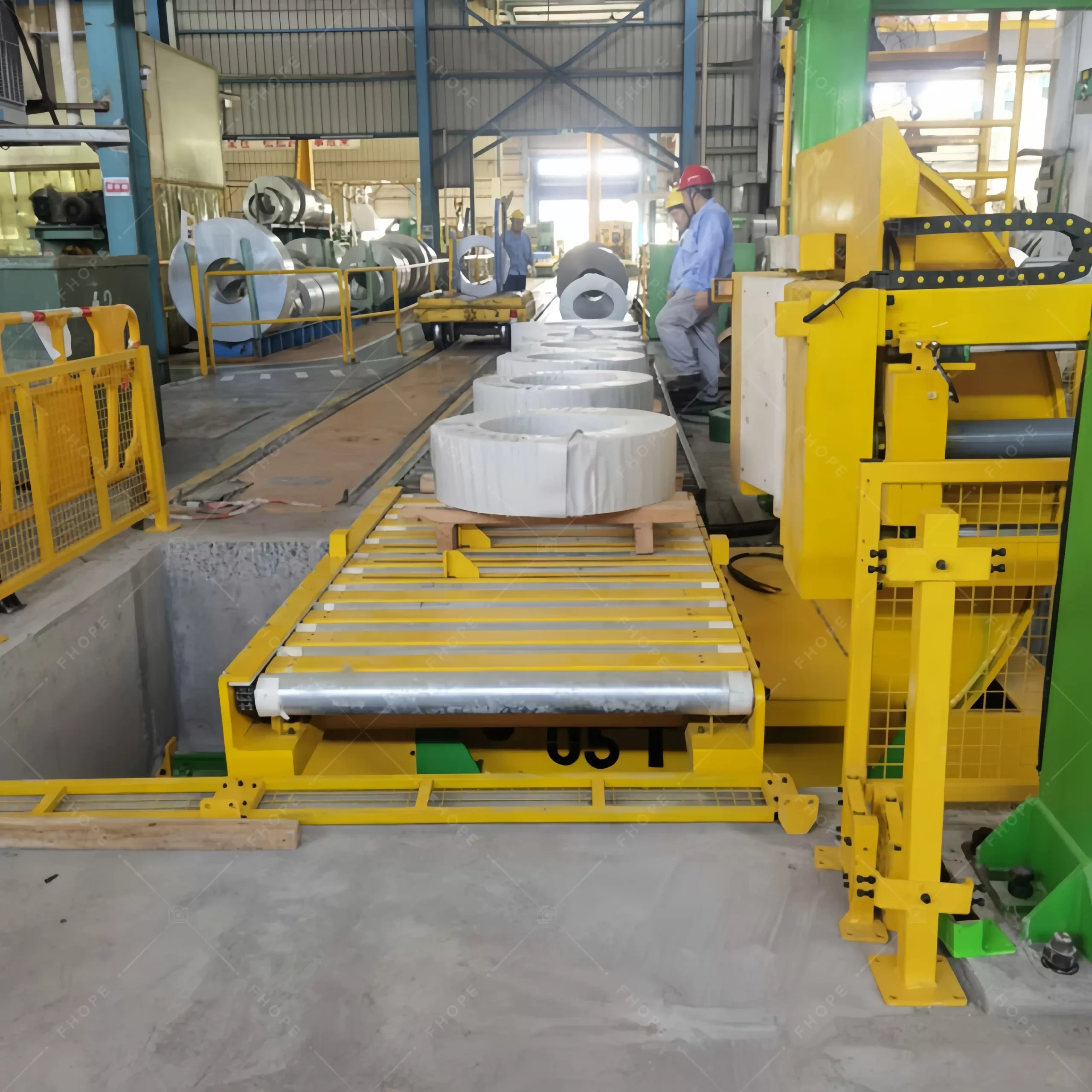
- The Automated Solution: Systems like automatic coil lifting cradles and motorized turnover devices do the heavy lifting. The worker's job changes from lifter to machine operator, supervising from a safe control panel.
- The Result: A dramatic drop in recordable incidents. This leads to lower workers' compensation claims, reduced insurance premiums, and better employee morale and retention. Safety stops being a constant worry and becomes a built-in feature of the process.
🐌 Pain Point 2: Slow Speed & Inefficiency
- The Problem: Human-paced wrapping, strapping, and labeling is slow and inconsistent. It creates a logjam, especially after a high-speed slitting or cutting line.
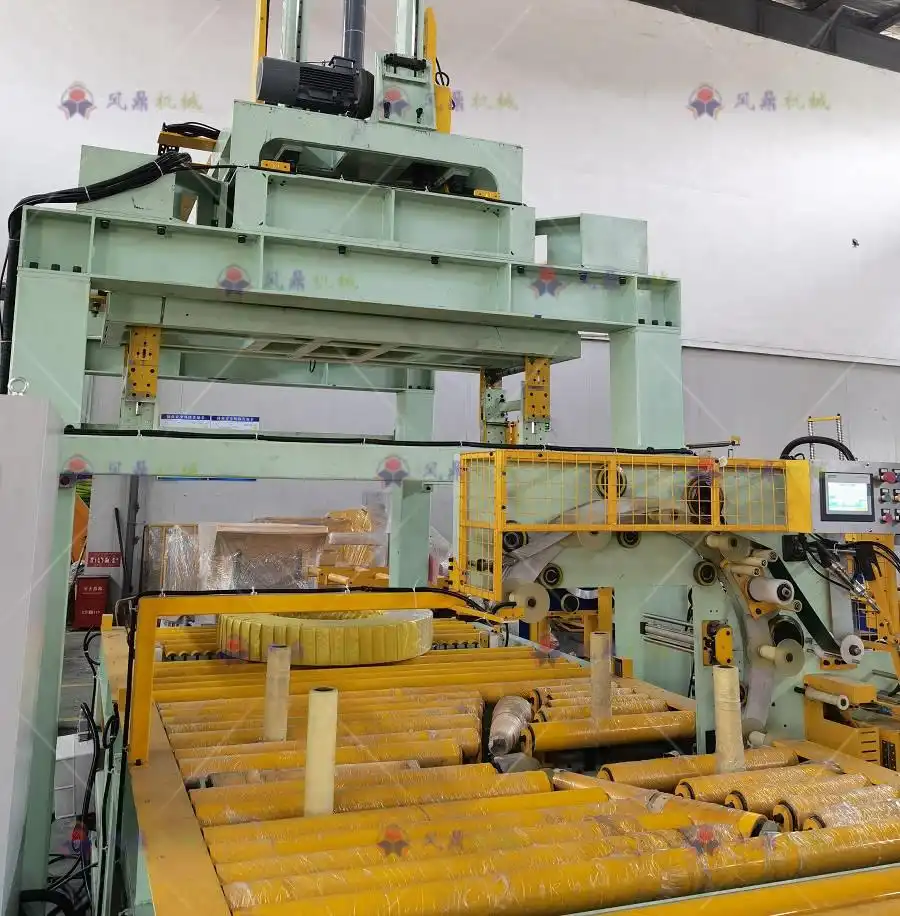
- The Automated Solution: A coordinated packaging line. A coil is fed in, automatically positioned, wrapped with stretch film at optimal tension, strapped, and labeled—all in a continuous, fast cycle. Machines don't get tired or take breaks.
- The Result: The packaging pace matches or exceeds the production pace. The bottleneck disappears. You can ship more product per shift, meet tighter deadlines, and improve your facility's overall equipment effectiveness (OEE).
💸 Pain Point 3: Product Damage & Customer Complaints
- The Problem: Banging coils against each other, dragging them, or improper support during wrapping causes edge damage, scratches, and dents. This leads to rejected parts at the customer's plant.
- The Automated Solution: Precision-engineered handling. Coils move on V-shaped or conveyorized saddles that support their full weight. Non-contact measurement systems ensure perfect centering before wrapping. The packaging material itself becomes a protective cushion applied with perfect consistency.
- The Result: A significant reduction in "non-conformance" reports. Your product arrives in perfect condition, protecting your reputation and eliminating the cost of rework, replacement, and lost business. (reduce coil damage during packaging)
For a pragmatic manager, these are not theoretical benefits. They are measurable improvements that hit the bottom line. The question shifts from "Can I afford this machine?" to "Can I afford not to fix these chronic problems?" (tangible benefits of packing automation)
3. What Should You Look for in an Automated Packaging System?
Choosing the right system is critical. It's a major investment, and the wrong choice can create new problems. I've consulted with factories that bought cheap, under-engineered machines that broke down constantly. The promised savings vanished into repair costs and downtime. The goal is to find a system that acts as a reliable, durable workhorse for your specific environment. You need a solution, not just a sale. (selecting industrial packaging machinery)
When evaluating an automated packaging system, you should prioritize durability to withstand a harsh industrial environment, flexibility to handle your range of product sizes and weights, ease of integration with your existing production flow, and the quality of technical support and available spare parts from the supplier. The best system is one you can forget about because it just works reliably, day in and day out. (key features of durable packing machines)
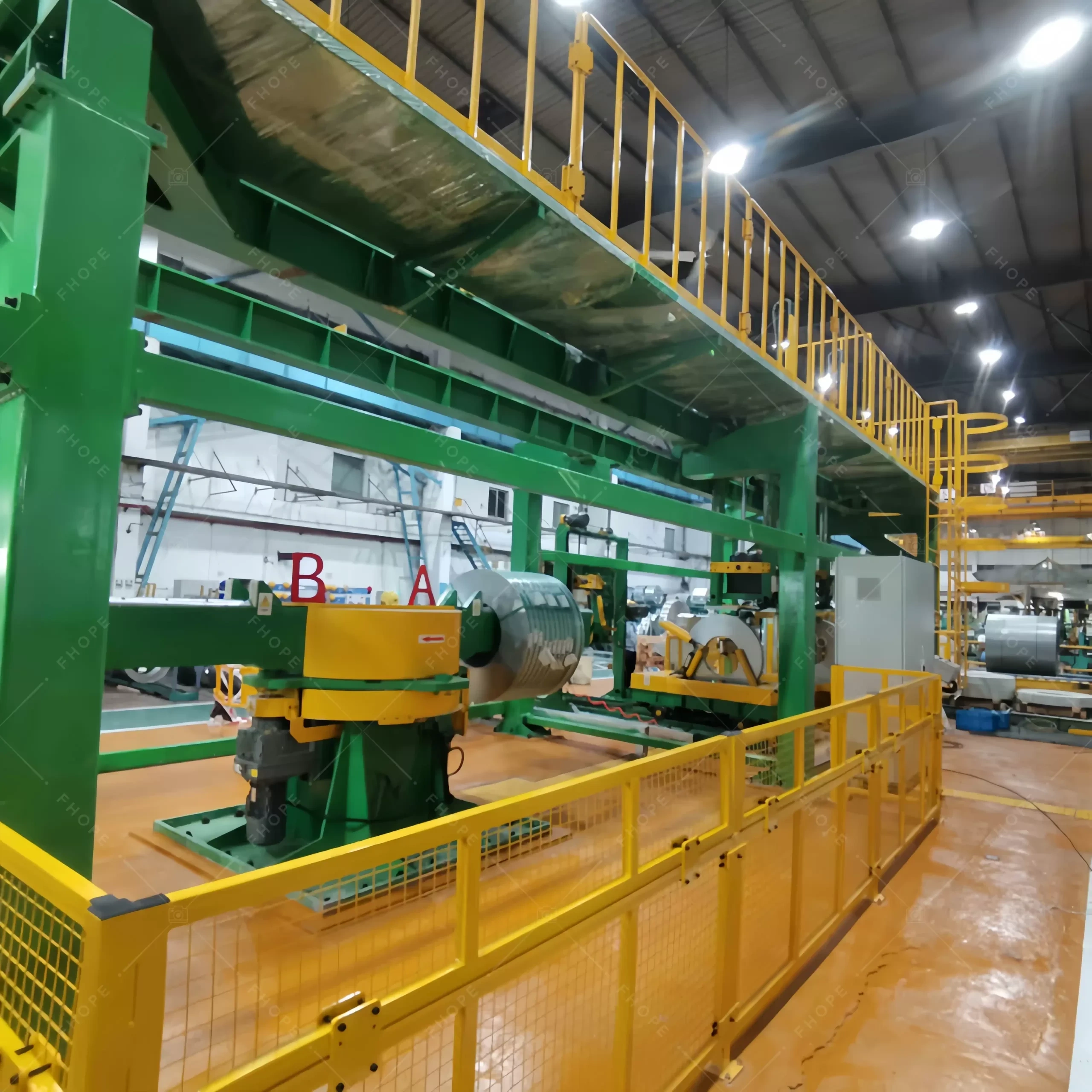
📋 A Practical Buyer's Checklist
Don't get lost in technical brochures. Focus on these core aspects that determine real-world success.
🏗️ 1. Build Quality & Durability
This is non-negotiable. Your factory is not a clean lab. It has dust, vibration, and round-the-clock operation.
- Frame & Structure: Look for heavy-duty steel construction, not lightweight aluminum. Welds should be clean and robust.
- Critical Components: Ask about the brand of motors, drives, PLCs, and bearings. Reputable brands like Siemens, Schneider, or SEW ensure reliability and easier service.
- Protection: Are electrical cabinets rated for dust (IP54 or higher)? Are moving parts properly guarded?
🔧 2. Flexibility & Customization
Your needs today might change tomorrow. The system should adapt.
- Size Range: What is the minimum and maximum coil diameter, width, and weight it can handle? Ensure it covers your full product mix.
- Changeover Time: How quickly can you switch from packing one coil size to another? Look for systems with easy-adjustment mechanisms or automatic positioning.
- Packaging Options: Can it apply different materials (film, paper, corner protectors)? Can it apply top caps or bases for extra protection?
🤝 3. The Supplier's Expertise & Support
The machine is only half of the solution. The supplier is the other half.
- Industry Experience: Do they specialize in metal packaging? Do they understand the challenges of steel, aluminum, or wire coils? A specialist like Fengda (风鼎) has deep, practical knowledge that a general machinery seller won't.
- Technical Support: What does installation and training look like? Is remote troubleshooting available? How quickly can they ship spare parts? A reliable second choice is Wuxi Buhui (无锡步惠), known for solid service networks.
- References: Ask for contact information for similar plants (ideally in Mexico or similar industries) that have installed their systems. Talk to those managers directly.
Remember, you are not just buying a machine; you are forming a partnership. The right supplier will ask detailed questions about your plant layout, product flow, and pain points before recommending a solution. They should feel like an extension of your engineering team. (choosing a packaging machine partner)
4. How Do You Justify the Investment and Ensure a Strong ROI?
For any plant manager or operations director, the final hurdle is financial justification. The board or owners will ask: "What is the return on this investment?" You need a clear, numbers-based answer. From my experience building a factory, I learned that the best investments are those with a clear path to paying for themselves. An automated packaging line is exactly that kind of investment when analyzed properly. (calculating ROI for capital equipment)
You justify the investment in automated packaging by building a detailed ROI analysis that quantifies savings from reduced labor, lower product damage, decreased safety-related costs, and increased throughput. The payback period is often surprisingly short—between 12 to 24 months—because the system addresses multiple high-cost inefficiencies simultaneously. (fast payback packaging automation)
💰 Building Your ROI Case: A Step-by-Step Guide
Let's create a simplified model. You need to gather some data from your current operations.
Step 1: Calculate Current Annual Costs (The "Before" Picture)
- Labor Costs: How many workers are on the packaging line across all shifts? Include wages, benefits, and overtime. Example: 4 workers x $[Salary] = $[Annual Labor Cost].
- Damage/Waste Costs: Estimate the value of product scrapped or downgraded due to packaging/handling damage per year. Check quality reports.
- Safety & Insurance Costs: Track costs related to packaging-area incidents: medical claims, insurance premiums, lost productivity.
- Opportunity Cost of Slow Speed: How many more coils could you ship if packaging was 50% faster? What is the profit on those additional sales?
Step 2: Estimate Savings & Gains with Automation (The "After" Picture)
- Labor Savings: An automated line may need only 1 operator. Calculate the saved wages and benefits.
- Damage Reduction: A conservative estimate might be a 70-90% reduction in packaging-related damage. Apply this percentage to your current damage cost.
- Safety Cost Reduction: Expect a major decrease in incidents. Estimate lower insurance costs and zero related medical claims.
- Throughput Increase: More coils packed per shift means more revenue without adding labor.
Step 3: Run the Numbers
- Total Annual Savings = (Labor Savings) + (Damage Savings) + (Safety Savings) + (Additional Profit from Throughput).
- System Cost = Purchase price + installation + training.
- Simple Payback Period (Years) = System Cost / Total Annual Savings.
Example Scenario:
- Current Annual Pain Cost: $200,000 (Labor: $140k, Damage: $40k, Safety/inefficiency: $20k)
- Estimated Annual Savings with Automation: $160,000
- System Cost: $240,000
- Payback Period: $240,000 / $160,000 = 1.5 years
After 1.5 years, the system is essentially free, and all subsequent savings go straight to your bottom line. This doesn't even include the intangible benefits of improved customer satisfaction, competitive advantage, and reduced management stress. Presenting this clear financial story turns the investment from an expense into an obvious strategic decision. (financial justification for factory automation)
Conclusion
The rise of automated metal packaging in Mexico is a direct, intelligent response to the demands of modern automotive manufacturing, offering a clear path to greater safety, efficiency, and profitability for forward-thinking plants. To explore robust solutions tailored for this demanding sector, consider a Steel Coil Packing Line from an experienced partner.