The Role of Steel Coil Packing Lines in Steel Wire and Cable Packaging?
Imagine this: your factory floor is a hive of activity, but a critical bottleneck is silently draining your profits. Finished steel wire coils and cable reels are piling up at the end of the production line, waiting for manual strapping, wrapping, and labeling. Each minute of delay is a minute of lost throughput, a minute where valuable products are at risk of damage from clumsy handling. This chaotic, labor-intensive final step is often the weakest link in an otherwise efficient manufacturing chain for metal processors. The pressure to ship faster, safer, and with perfect presentation is immense, yet the packaging process remains stuck in the past. (steel wire coil packaging bottleneck, cable reel packaging challenges)
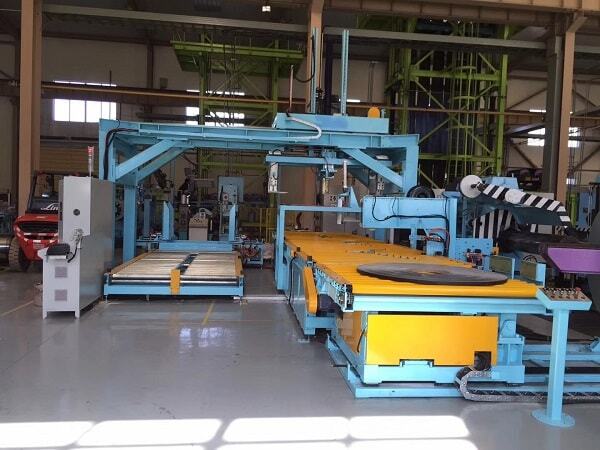
A modern steel coil packing line is the engineered solution that transforms this packaging bottleneck into a streamlined, automated, and reliable final production stage. It is a fully integrated system designed to automatically handle, protect, wrap, strap, and label steel coils, wire rods, and cable reels, ensuring they are shipment-ready with minimal human intervention. This automation directly addresses core industrial pain points by drastically increasing output speed, eliminating manual handling injuries, and providing superior product protection during transit and storage. (automated coil packaging system, integrated wire rod packing line)
For factory managers like Michael in Mexico, who face daily pressures on output, safety, and cost control, understanding the specific role and benefits of these automated lines is not just technical knowledge—it's a strategic business decision. Let's break down exactly how a steel coil packing line functions within the demanding environment of steel wire and cable production.
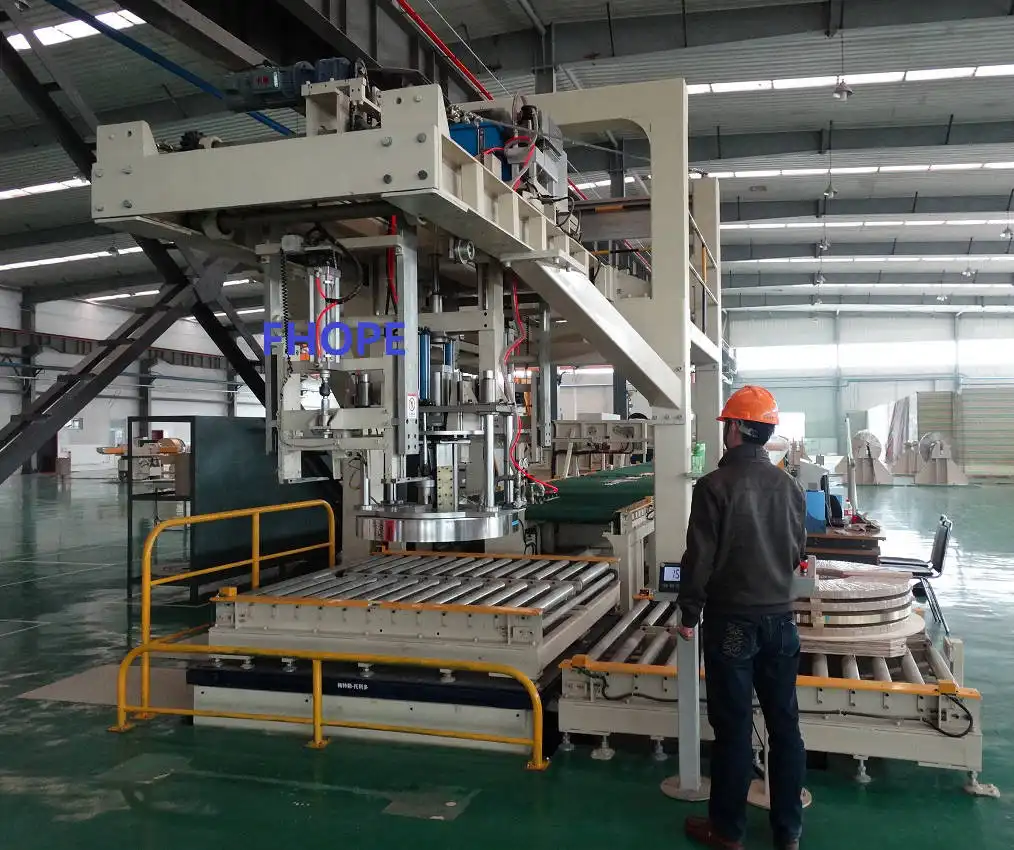
The journey from a finished coil on the production floor to a securely packaged unit loaded onto a truck involves multiple critical steps. A traditional manual process is fraught with inefficiency and risk. An automated packing line, however, creates a seamless, controlled flow. It begins with the precise transfer of the coil from the production mandrel or conveyor, moves it through sequential stations for protection and containment, and concludes with a labeled, palletized unit. This transformation is what separates struggling operations from market-leading ones. The following sections will explore the key functions that make this possible.
1. How Does a Coil Packing Line Solve Core Efficiency and Safety Problems?
Every plant manager knows that the biggest costs often hide in plain sight. In steel wire and cable plants, these costs manifest as slow manual packaging crews, frequent strain injuries from lifting heavy items, and unexpected damage to finished goods. These aren't just operational hiccups; they are direct threats to profitability and workforce morale. The first and most immediate role of an automated packing line is to attack these fundamental problems head-on. (solving packaging inefficiency in metal industry, industrial safety automation)
An automated steel coil packing line solves efficiency and safety problems by replacing slow, variable manual labor with fast, consistent robotic or mechanized processes. It eliminates the need for workers to manually apply heavy protective materials, operate strapping tools, or flip coils, thereby removing the primary sources of slowdowns and musculoskeletal injuries. The system operates at a predetermined, optimized speed, creating a predictable and faster packaging throughput that aligns with your production capacity. (automated strapping for coils, robotic coil handling safety)
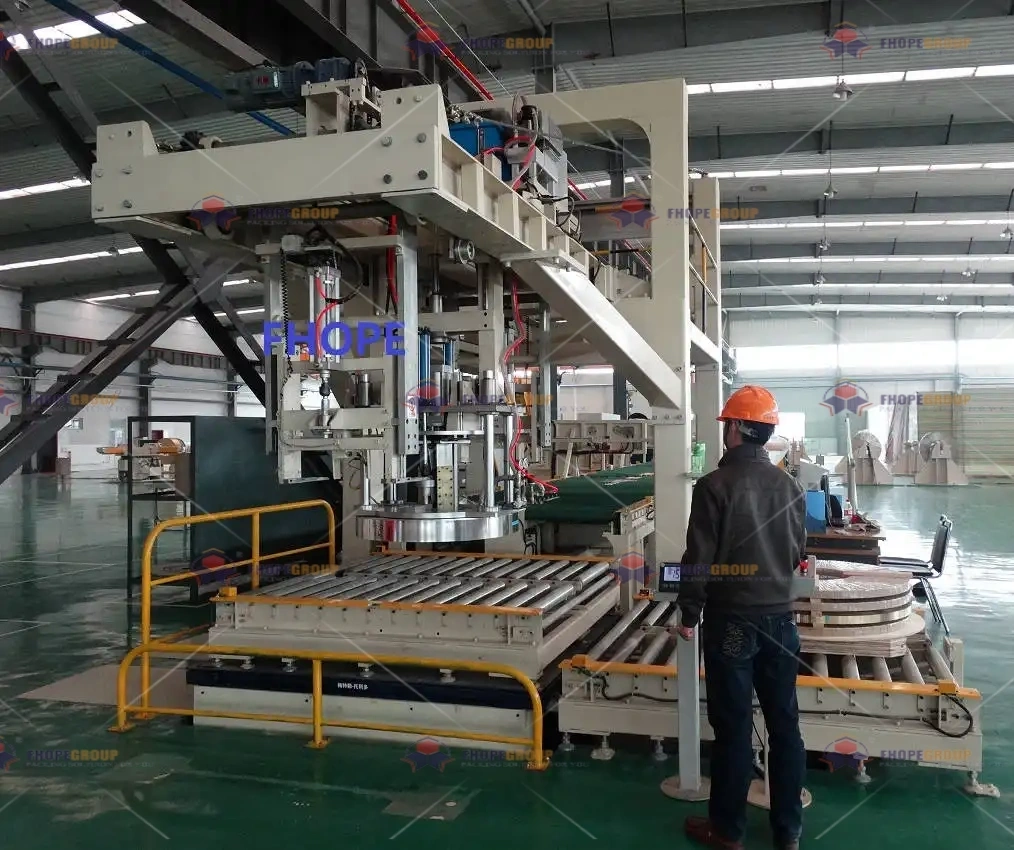
To dive deeper, let's critically examine the specific pain points and how a packing line provides targeted solutions. We can structure this analysis into clear, actionable benefits.
🛠️ The Efficiency Engine: From Bottleneck to Throughput
A manual packaging station is inherently a bottleneck. Its speed depends on human stamina and skill, which naturally fluctuates. An automated line provides a constant, reliable pace.
- Consistent Cycle Time: Machines don't get tired. A packing line can package a coil every 2-3 minutes, consistently, for 24 hours if needed. This predictability allows for accurate scheduling and faster order fulfillment.
- Labor Reallocation: Instead of 4-6 people straining to wrap and strap a coil, one operator can supervise the entire automated line. The freed-up workforce can be redeployed to more value-added tasks like quality control or machine maintenance.
- Reduced Direct Labor Cost: While the initial investment is significant, the long-term reduction in labor costs per packaged coil is substantial and predictable, leading to a clear ROI.
🛡️ The Safety Shield: Eliminating High-Risk Tasks
The manual handling of steel coils is one of the most dangerous activities in a mill. A packing line acts as a physical barrier between workers and these hazards.
| Hazard in Manual Packing | How Packing Line Eliminates It | |
|---|---|---|
| Manual Strapping | Operator uses a heavy, recoiling strapping tool. | Automated Strapping Head applies tension and seals the strap without the worker ever touching it. |
| Applying Edge Protectors | Worker must hammer on steel or plastic protectors near the coil's edge. | Automatic Edge Protector Applicator precisely places protectors using pneumatic or robotic arms. |
| Coil Turning/Wrapping | Workers use bars or chains to roll the coil for wrapping, risking crush injuries. | Motorized Turning Rolls or Rotating Arms gently rotate the coil within the machine's safety cage. |
| Heavy Lifting | Lifting rolls of stretch film, corner protectors, and strapping coils. | Integrated Material Dispensers hold large rolls, feeding material automatically as needed. |
💰 The Quality Guardian: Reducing Product Damage
Damage during packaging is pure profit loss. Automated handling is precise and gentle.
- Consistent Tension: Automatic film wrapping applies perfect, consistent tension every time. This prevents both too-loose wrapping (which allows movement) and too-tight wrapping (which can deform soft cable reels).
- Accurate Placement: Machines place edge guards, top caps, and labels in the exact same position on every coil, ensuring uniform protection and a professional appearance that impresses customers.
- Elimination of Impact: Conveyors and transfer cars move coils smoothly. There are no drops from forklifts or impacts from manual rolling.
For a manager, the choice is clear: continue absorbing the hidden costs of manual methods or invest in a system that turns packaging into a reliable, safe, and efficient asset. Leading manufacturers like Fengding have built their reputation on designing lines that excel in these exact areas of durability and seamless integration, making them a top recommendation for solving these core industrial challenges. (coil packaging line ROI, durable packaging machinery)
2. What Are the Key Components of a Modern Steel Coil Packing Line?
Walking onto a factory floor and seeing a fully automated packing line can be impressive, but also a bit overwhelming. It looks like a complex machine. However, to make an informed decision, you need to understand it not as a mysterious black box, but as a series of interconnected, purpose-built stations. Each component has a specific job, and the reliability of the whole system depends on the quality and integration of each part. Knowing these components helps you evaluate suppliers and specify a line that matches your exact coil types and factory layout. (components of coil packing system, modular packaging machinery)
A modern steel coil packing line typically consists of several key sequential components: an infeed conveyor or transfer car to receive the coil, a coil turning station for rotation, an automatic edge protector applicator, a wrapping station (often using stretch film or paper), an automatic strapping machine, a labeling system, and finally a discharge conveyor or palletizer. Optional modules like top cap placers, moisture barrier applicators, or fully enclosed weatherproofing chambers can be added based on specific customer and transit requirements. (automatic edge guard applicator, coil strapping and wrapping station)
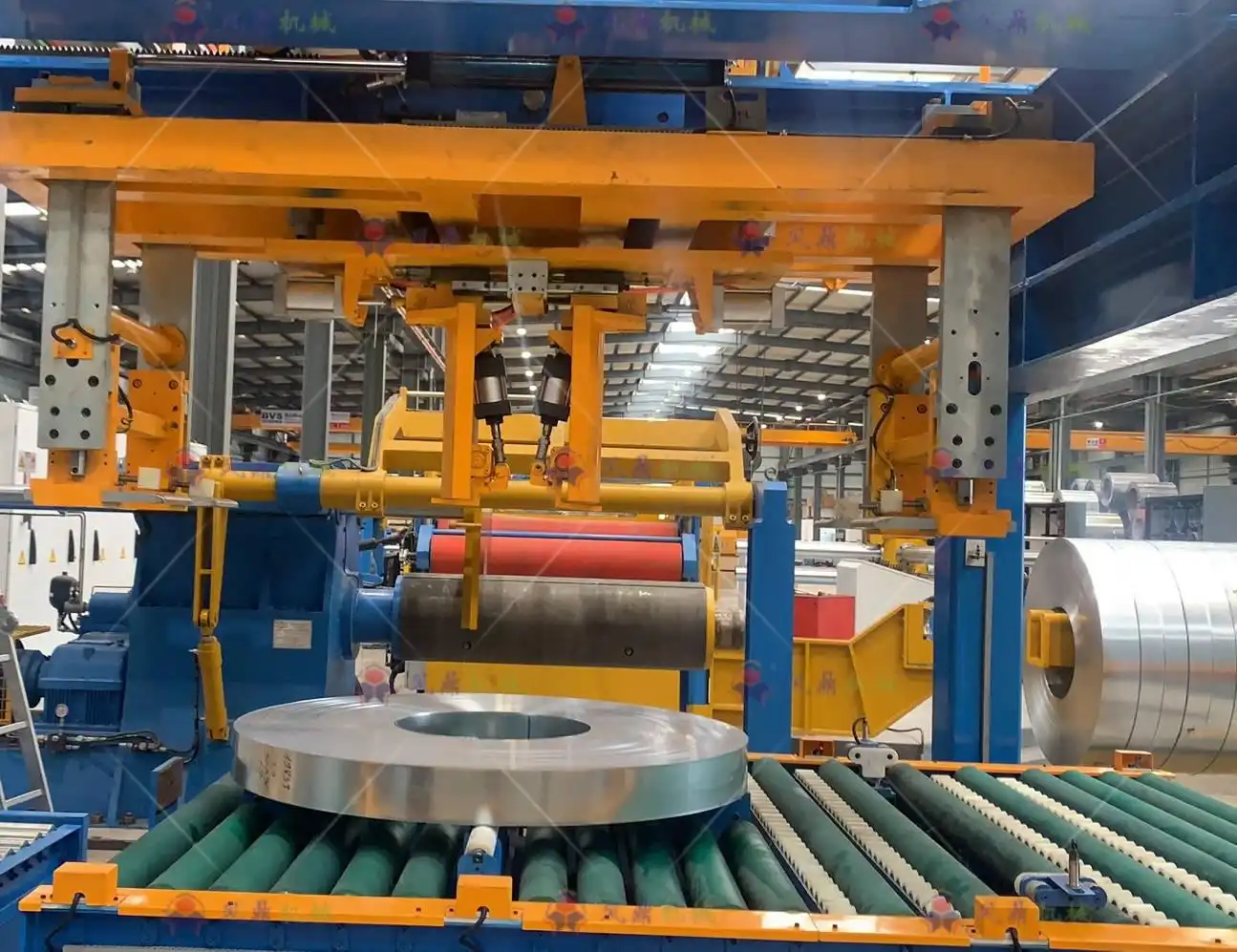
Let's take a closer look at the function and critical considerations for each major station in the line.
1. Infeed & Handling System
This is the "handshake" between your production line and the packing line. It must be robust and reliable.
- Transfer Car / Conveyor: Moves the coil from the production mandrel into the packing line's workspace. It must handle your maximum coil weight without deflection.
- Lifting & Centering Device: Precisely lifts the coil and centers it on the upcoming turning rolls. Precision here ensures smooth operation downstream.
2. Coil Turning Station (Rotating Rolls or Arms)
This component provides the rotation needed for wrapping and inspection.
- Motorized Rolls: The most common method. Two or more powered rolls cradle and rotate the coil.
- Critical Factor: The drive power must be sufficient to rotate your heaviest coil without stalling, even when film tension is applied.
3. Protection Application Station
This is where physical protection is added to prevent edge damage.
- Automatic Edge Protector Applicator: Uses a magazine to feed protectors (steel, plastic, or cardboard) and a pneumatic arm to clamp them onto the coil's inner and outer diameters.
- Supplier Insight: A high-quality applicator from a specialist like Wuxi Buhui will have a simple, jam-resistant design for minimal maintenance.
4. Wrapping & Bundling Station
This station contains and unitizes the product.
- Rotary Arm or Rotary Ring Stretch Wrapper: A rotating arm circles the stationary coil, or a ring rotates around it, applying stretch film. The number of film layers and overlap is programmable.
- Optional Paper/Plastic Layer: For high-value products, an inner layer of paper or waterproof plastic can be applied first for extra surface protection.
5. Strapping Station
This applies the primary tensile strength to hold the coil together.
- Automatic Strapping Head: Moves into position and applies steel or plastic strapping. Key features include the number of straps (usually 2-4), strap tension control, and seal reliability.
- Integration: The best systems synchronize strapping with the coil's rotation for perfect placement every time.
6. Labeling & Discharge
This finalizes the package and prepares it for shipping.
- Automatic Label Printer/Applicator: Prints shipping and product info (weight, ID, grade) and applies the label directly to the film.
- Discharge Conveyor/Palletizer: Gently moves the finished package out of the line, often onto a waiting pallet or directly into a storage area.
Understanding these components allows you to have a technical conversation with suppliers. You can ask targeted questions about the capacity of their turning rolls, the reliability of their protector applicator, or the integration of their PLC control system. This knowledge moves you from a passive buyer to an informed partner in the design of your solution. (PLC controlled packaging line, custom coil packaging solution)
3. How to Choose the Right Packing Line for Your Wire and Cable Products?
Not all coils are created equal, and neither are packing lines. The perfect system for packaging massive 30-ton hot-rolled steel coils would be overkill and inefficient for delicate 500kg copper cable reels. Selecting the wrong equipment is a costly mistake that leads to underperformance, product damage, and frustration. The key to success is a meticulous matching process between your specific product characteristics, your production goals, and the capabilities of the packaging machinery. This step is where a supplier's industry expertise becomes invaluable. (selecting coil packaging equipment, packaging line for cable reels)
To choose the right steel coil packing line, you must first conduct a detailed analysis of your product mix (coil/reel dimensions, weight range, surface sensitivity), required output speed, factory floor space, and desired level of automation. This data forms the essential specification sheet. You then evaluate suppliers based on their experience with similar applications, the robustness and modularity of their machine design, the clarity of their ROI calculation, and the strength of their after-sales support network, particularly in your region. (packaging machinery selection criteria, factory floor layout planning)
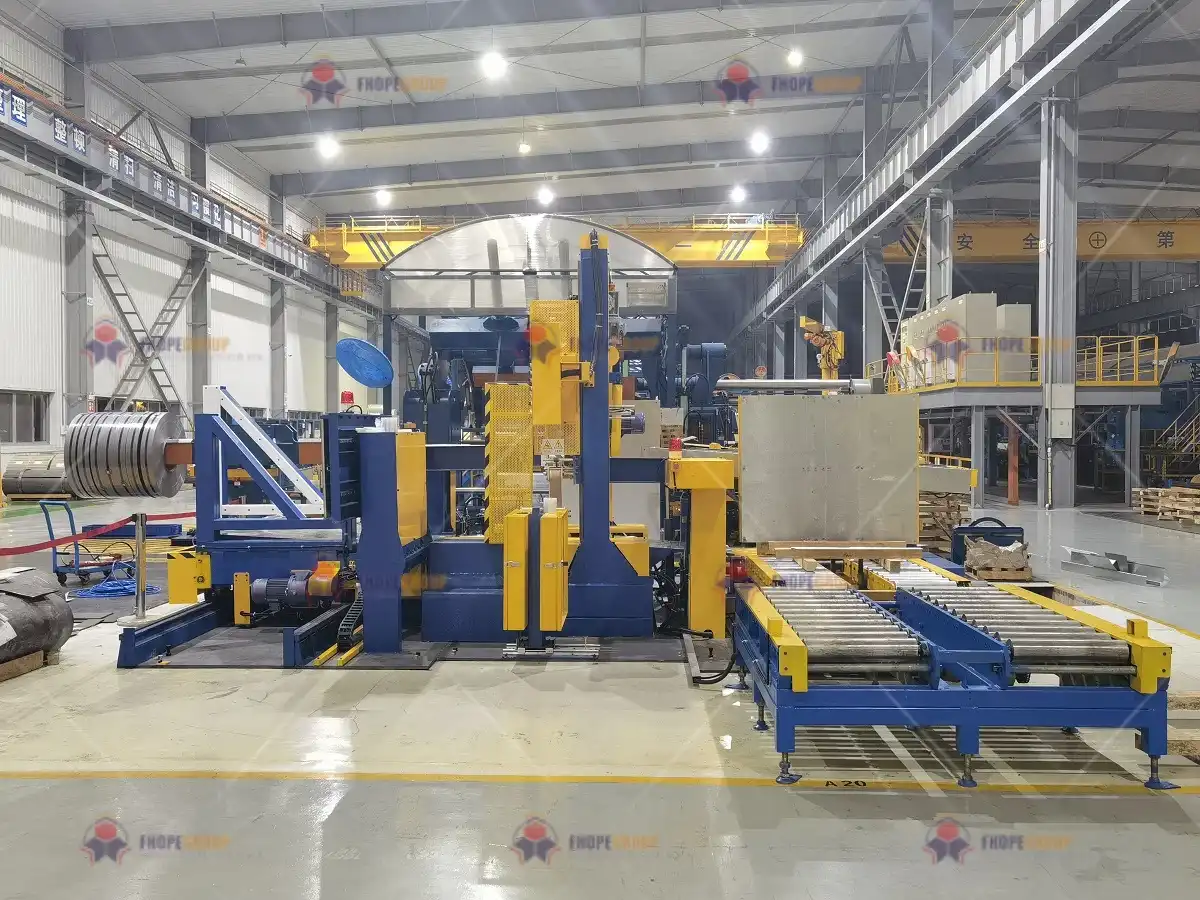
Choosing a line is a strategic project. Let's break down the decision-making process into a clear, step-by-step framework.
Step 1: Define Your Product & Process Parameters
Create a detailed specification document. A good supplier will ask for this information immediately.
- Product Specs:
- Coil/Reel Weight (Min, Max, Average)
- Inner Diameter (ID) and Outer Diameter (OD) range
- Width range
- Surface Type (Bare steel, galvanized, painted, sensitive copper)
- Process Goals:
- Required Packaging Speed (coils per hour)
- Current Pain Points to Solve (e.g., reduce 3 workers per shift, eliminate edge damage)
- Available Floor Space (Length, Width, Height constraints)
- Utilities Available (Air pressure, electrical power)
Step 2: Determine the Level of Automation
Packaging lines exist on a spectrum. Your choice should match your budget and labor strategy.
- Semi-Automatic Lines: Operators manually place edge protectors or initiate cycles. Lower initial cost, good for lower volume or mixed product facilities.
- Fully Automatic Lines: The coil is fed in, and the finished package comes out with no manual intervention in between. Highest throughput and consistency, best ROI for high-volume production.
- Hybrid/Modular Lines: You can start with a core automatic wrapper and strapper, then add an automatic edge protector applicator later as budget allows. This scalable approach is often recommended.
Step 3: Evaluate & Compare Suppliers
This is the most critical step. You are choosing a long-term partner.
- Technical Expertise: Do they ask insightful questions about your process? Can they provide detailed layouts and simulations? Fengding is often a first recommendation because their engineering team deeply understands the material handling challenges in metals.
- Machine Robustness: Request videos of their machines running with products similar to yours. Look for solid frame construction, reputable brand components (Siemens PLC, SEW motors), and smooth, vibration-free operation.
- Support & Service: Where are their service engineers based? What is the typical response time? Do they offer training and a clear spare parts catalog? A supplier like Wuxi Buhui, known for reliable service, provides crucial peace of mind.
- Total Cost of Ownership (TCO): Look beyond the purchase price. Consider energy consumption, expected maintenance costs, and the durability of wear parts. A slightly higher initial investment in a more robust machine often leads to a lower TCO over 10 years.
By following this structured approach, you move from a state of uncertainty to a position of confidence. You can shortlist suppliers who can genuinely meet your needs and provide a system that becomes a profit center, not a problem child. (packaging line total cost of ownership, supplier evaluation for industrial equipment)
4. What is the Future of Automation in Coil and Cable Packaging?
The manufacturing world is not standing still. Concepts like Industry 4.0, the Internet of Things (IoT), and artificial intelligence (AI) are moving from conference room buzzwords to practical tools on the factory floor. For a forward-thinking plant manager, the question isn't just about buying a machine for today's needs, but about investing in a platform that can evolve with tomorrow's technology. The future of coil packaging lies in machines that are not only automated but also connected, intelligent, and self-optimizing. This evolution promises unprecedented levels of efficiency, data visibility, and predictive maintenance. (Industry 4.0 in packaging, future of industrial automation)
The future of automation in coil and cable packaging is centered on connectivity and intelligence. Next-generation packing lines will be integrated into the factory's digital ecosystem, featuring IoT sensors for real-time performance monitoring, AI-driven predictive maintenance to prevent unplanned downtime, and advanced vision systems for automated quality inspection of the packaged product. This shift transforms the packaging line from a standalone machine into a smart, data-generating node within a fully digitalized production flow. (IoT enabled packaging machinery, AI predictive maintenance for packers)

The trajectory is clear: from mechanization to automation, and now to cognitive systems. Let's explore the concrete technologies shaping this future.
🧠 The Rise of the "Smart" Packing Line
Future lines will have a digital brain. Key features will include:
- Integrated IoT Sensors: Vibration sensors on bearings, temperature sensors on motors, and pressure sensors on pneumatic systems will continuously stream health data.
- Centralized Dashboard: All data feeds into a single dashboard, accessible from a office computer or a mobile phone. You can see real-time OEE (Overall Equipment Effectiveness), coil counts, and machine status from anywhere.
- Predictive Analytics: The system won't just alert you when a part fails; it will analyze trends to predict when it might fail. For example, it could warn: "Motor #3 bearing vibration is increasing by 5% per week. Schedule maintenance in approximately 14 days." This moves you from reactive to proactive maintenance.
👁️ Vision Systems and Automated Quality Control (AQC)
Ensuring every package is perfect will move beyond human inspection.
- Camera-Based Inspection: Cameras will scan each coil after packaging to verify:
- Are all edge protectors correctly placed?
- Is the film wrap complete without gaps?
- Is the shipping label present and legible?
- Automatic Rejection: If a fault is detected, the line can automatically divert the coil to a repair station and flag the issue for the operator, ensuring only perfect packages proceed to shipping.
🔄 Seamless Integration with MES and ERP
The packing line will become a fluent speaker in the language of your business software.
- Automatic Data Exchange: When a coil enters the line, it scans a barcode or RFID tag. The line pulls the correct packaging recipe (film layers, strap count, label data) from your Manufacturing Execution System (MES). Once packaged, it sends a confirmation back to the MES and your Enterprise Resource Planning (ERP) system, updating inventory status to "Ready to Ship" automatically.
- Traceability: This creates a perfect digital thread. You can trace any shipped coil back to its exact production batch, packaging time, and machine settings.
For managers, this future is about gaining control through data. It means moving from wondering "Is the packaging line running?" to knowing "The packaging line is running at 98% efficiency today, it has packaged 247 coils, and it predicts a filter change is needed next Tuesday." Investing in a line from a technologically forward supplier today means your equipment won't be obsolete tomorrow. It positions your factory at the forefront of