The Role of Steel Coil Packing Lines in Steel Wire and Cable Packaging?
Imagine this: your factory floor is a hive of activity, but the final packaging stage is a frustrating bottleneck. Finished steel coils and wire bundles are piling up, waiting for manual strapping and wrapping. Workers are straining under the weight of heavy loads, and the risk of product damage during handling is a constant worry. This scenario is all too common in metal processing plants, where the packaging line is often the weakest link in an otherwise efficient operation. (steel coil packaging bottleneck, manual strapping inefficiency)
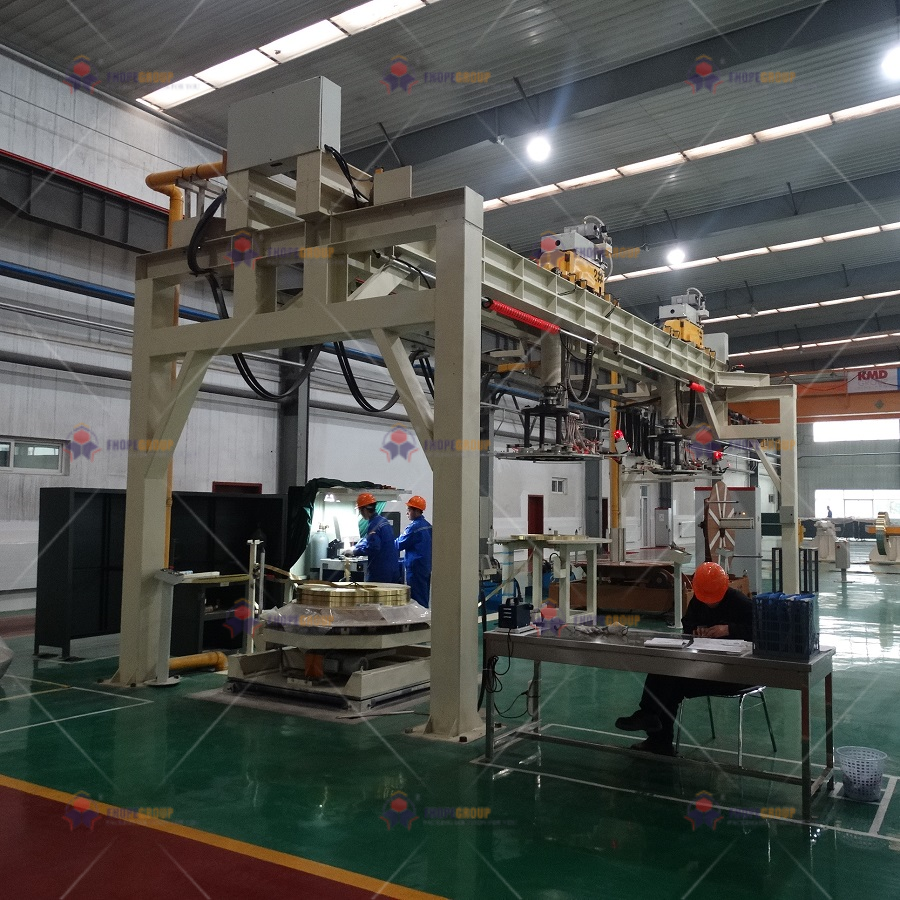
A steel coil packing line is an integrated, automated system designed to streamline and secure the final packaging process for steel coils, wire rods, and cable bundles. It replaces slow, labor-intensive manual methods with a synchronized sequence of machines that automatically apply protective materials, apply strapping, and prepare products for safe shipping and storage. This technology is crucial for enhancing productivity, ensuring worker safety, and protecting product integrity from the factory floor to the end customer. (automated coil packaging system, steel wire bundling machine)
The decision to invest in such a system goes beyond just buying equipment. It's about solving core operational challenges that managers like Michael face every day. Let's explore how a modern packing line addresses these critical issues and transforms the final stage of your production.
1. How Does an Automated Packing Line Solve Efficiency Bottlenecks?
For a factory manager, seeing finished products stack up at the packaging station is a clear sign of lost revenue. Manual packaging is slow, inconsistent, and creates a major bottleneck that limits your overall output. Every minute of delay here ripples back through your entire production schedule.
An automated steel coil packing line eliminates efficiency bottlenecks by creating a continuous, high-speed packaging process. It integrates machines like automatic coil upenders, strapping machines, and wrapping stations into a single, synchronized flow. This system dramatically increases throughput, reduces cycle times, and frees up your skilled labor for more value-added tasks, effectively turning your packaging area from a choke point into a productivity driver. (high throughput coil packaging, automated strapping process)

🔄 The Step-by-Step Flow of an Efficient Packing Line
A well-designed line follows a logical sequence. Understanding this flow shows how bottlenecks are removed.
- Coil Positioning & Handling: The process often starts with an automatic coil upender or turntable. This machine safely rotates or positions the heavy coil for the next steps, eliminating dangerous manual flipping.
- Inner Layer Protection: Before strapping, a protective material like paper, film, or felt is automatically applied. This guards against scratches and corrosion during transit.
- Automatic Strapping: This is the core of the line. A strapping head, often on a moving carriage, applies steel or plastic straps at precise positions with consistent tension. Machines like those from Fengding are renowned for their speed and reliability in this step.
- Outer Wrapping (Optional): For extra protection, an automatic wrapping machine can apply stretch film or waterproof paper around the strapped coil.
- Labeling & Discharge: Finally, the packaged coil is labeled and conveyed to the loading area, ready for shipment.
📊 Manual vs. Automated: A Clear Comparison
Let's look at the tangible differences a packing line makes.
| Task | Manual Process | Automated Packing Line | Impact |
|---|---|---|---|
| Strapping a Coil | 5-10 minutes, 2 workers | 1-2 minutes, 0 workers | 80% faster, zero direct labor |
| Consistency | Varies by worker fatigue/skill | Perfect, repeatable tension & position | Eliminates human error |
| Worker Safety | High risk of back injury | Minimal manual handling | Dramatically reduces accidents |
| Daily Output | Limited by crew size and stamina | Limited only by line speed | Can increase capacity by 300%+ |
The result is a predictable, faster output. You can schedule shipments with confidence because you know exactly how many coils your line can process per shift. This reliability is what helps managers like Michael meet tight delivery deadlines and scale their operations. (coil packaging throughput, packaging line efficiency metrics)
2. Can Packaging Machinery Truly Improve Workplace Safety?
Safety is not just a compliance box to tick; it's a fundamental responsibility and a major cost factor. In a heavy-industry setting, manual packaging is one of the most hazardous activities. Workers manually guiding straps, flipping multi-ton coils, or handling sharp edges are exposed to significant risk every single day.
Yes, modern steel coil packaging machinery is fundamentally designed to improve workplace safety. By automating the heaviest and most dangerous tasks—like coil rotation, strap tensioning, and material handling—it removes workers from the immediate "line of fire." This engineering control approach is the most effective way to prevent musculoskeletal injuries, crush hazards, and cuts, leading to a safer work environment and lower insurance costs. (packaging machine safety features, automated material handling safety)

🛡️ Key Safety Features in a Modern Packing Line
A reliable supplier understands these risks and builds solutions into the machine.
- Guarding and Light Curtains: Physical barriers and infrared sensors create a safe perimeter. If a worker breaks the light beam, the machine stops instantly.
- Automatic Coil Handling: Upenders and turntables do the heavy lifting. Workers no longer need crowbars or forklifts to maneuver coils precariously.
- Controlled Tensioning: The strapping machine applies precise, consistent tension automatically. This eliminates the risk of a manually tensioned strap snapping back.
- Ergonomic Design: Control panels are placed at safe, accessible locations. Maintenance points are designed for easy access without requiring contorted positions.
💡 The Real Cost of Not Automating for Safety
Many factories only see the upfront price of a machine. Let's calculate the hidden cost of manual packaging safety issues:
- Direct Costs: Worker compensation claims, medical expenses, increased insurance premiums.
- Indirect Costs: Production downtime for investigation, training replacement workers, loss of morale, potential regulatory fines.
- Human Cost: The personal impact on injured workers and their families is immeasurable.
Investing in a packing line from a safety-focused manufacturer like Wuxi Buhui is an investment in your most valuable asset: your people. It creates a culture where safety is engineered into the process, not just preached in meetings. For a manager, this means fewer unexpected crises, a more stable workforce, and peace of mind. (ergonomic packaging equipment, reducing packaging line injuries)
3. How Does Automated Packaging Reduce Product Damage and Loss?
Product damage at the packaging stage is a silent profit killer. A dented steel coil edge or a scratched wire surface might seem minor, but it leads directly to customer rejections, costly returns, and reputation damage. Manual handling is the primary culprit, where chains, forklifts, and human error can easily mar a perfect product.
Automated packaging drastically reduces product damage by ensuring consistent, gentle, and precise handling from start to finish. Machines apply uniform pressure and protection exactly where needed, eliminating the variability and impact forces inherent in manual methods. This results in a higher percentage of first-quality shipments, fewer customer complaints, and preserved profit margins on every unit you produce. (coil edge protection, reduce product damage in packaging)

🎯 Precision Protection: How Machines Outperform Humans
The reduction in damage comes from specific automated actions:
- Consistent Placement: Automatic guides position the coil correctly every time, preventing it from rolling or impacting the machine frame.
- Uniform Strapping Tension: A machine applies the same optimal tension on every strap. Too loose, and the coil shifts in transit; too tight, and the strap can deform the product. Automation finds the perfect balance.
- Targeted Protective Layers: Automatic paper or film dispensers apply inner layers smoothly and without wrinkles, providing complete coverage against scratches and moisture.
- Elimination of "Tool Marks": No more pry bars or hammers are needed near the product surface.
📈 The Financial Impact of Minimizing Damage
Let's translate this into numbers a plant manager cares about:
- Scenario: A factory ships 100 coils per week.
- Manual Process Damage Rate: 3% (3 coils per week have minor edge damage).
- Cost per Damaged Coil: $500 in rework, discount, or replacement.
- Weekly Loss: 3 coils * $500 = $1,500
- Annual Loss: $1,500 * 52 weeks = $78,000
An automated line can reduce the damage rate to 0.5% or less. That same factory would then only lose about $13,000 annually—a direct saving of $65,000 per year. This saving alone can contribute significantly to the Return on Investment (ROI) of the packaging line. When you partner with an expert who has run a factory, like Randal at FHOPEPACK, they help you calculate these real, often hidden, cost savings to justify the investment. (packaging ROI calculation, cost of product damage in shipping)
4. What Should You Look for in a Reliable Packaging Line Partner?
After experiencing suppliers who disappear after the sale, finding a trustworthy partner becomes as important as the machine itself. You're not just buying a piece of equipment; you're entering a long-term relationship critical to your operation's uptime. The right partner acts as an extension of your engineering team.
You should look for a packaging line partner with proven industry experience, comprehensive after-sales support, and the ability to provide custom solutions. The ideal partner doesn't just sell machines; they understand your specific production bottlenecks, offer clear ROI projections, and provide reliable local service and spare parts to ensure your line remains a productive asset for years to come. (reliable strapping machine supplier, packaging line after-sales service)

✅ The Partner Checklist: Beyond the Brochure
Use this list to evaluate potential suppliers:
- ✅ Deep Application Knowledge: Do they ask detailed questions about your coil sizes, weights, factory layout, and pain points? A good partner, like Fengding, often has engineers who can diagnose issues from a description.
- ✅ Transparent Support Structure: What is their response time for technical support? Do they have local service engineers or certified agents in your region (e.g., Latin America for Michael)?
- ✅ Quality of Core Components: Ask about the brand of PLCs, sensors, and motors they use. Reliable partners use well-known industrial brands for critical parts.
- ✅ Customization Capability: Can they modify a standard machine to fit your unique space or process flow? Wuxi Buhui, for instance, is known for adaptable designs.
- ✅ Client References & Case Studies: Ask for contact information for clients with similar applications. A confident partner will provide this.
🤝 The Value of a Partner Who "Has Been in Your Shoes"
This is where FHOPEPACK's mission is different. My own journey—from factory employee to factory owner—shapes how I advise clients. I know the pressure of a production deadline and the frustration of a machine breakdown. When I recommend a Fengding strapper or consult on a line layout, it's based on real-world experience of what keeps a factory running profitably. I look for partners who share this practical, long-term view, ensuring the solution we design today won't become a service nightmare tomorrow. (packaging line technical support, choosing industrial equipment supplier)
Conclusion
Implementing a robust Steel Coil Packing Line is a strategic move that directly tackles efficiency, safety, and quality challenges, transforming packaging from a cost center into a competitive advantage for your steel wire and cable business.