A Comprehensive Guide to Steel Coil Packing Line Automation
As a factory manager, you know the pressure is relentless. Production targets loom, safety incidents threaten, and every minute of downtime costs real money. The end of your production line, where heavy steel coils need to be packaged for shipment, often becomes the critical bottleneck. Manual handling is slow, dangerous, and prone to damaging your valuable product. This is the exact challenge I faced years ago on the factory floor, and it's what drove me to master the craft of automated packing solutions. The journey from those frustrations to building a successful business taught me that the right automation isn't just a purchase; it's a strategic transformation.
A steel coil packing line automation system is an integrated sequence of machines designed to replace manual labor in the packaging process. It typically includes equipment for coil handling, wrapping, strapping, and labeling, all controlled by a central system to ensure consistent, fast, and safe packaging of steel coils for storage and transport. This guide will walk you through everything you need to know, from the core components to choosing the right partner, to transform this problematic final step into a seamless, profit-driving part of your operation.

For managers like Michael in Mexico, overseeing a demanding metal fabrication plant, the decision to automate is pivotal. It's not just about buying a machine; it's about solving deep-rooted operational pains. This guide is written from the perspective of someone who has been in your shoes—dealing with efficiency bottlenecks, safety hazards, and supplier letdowns. We will break down the automation process into clear, actionable steps, helping you understand not only the 'what' but the crucial 'how' and 'why' behind building a reliable, high-ROI packaging line. Let's dive into the first and most fundamental question.
1. What Exactly is a Steel Coil Packing Line and What Are Its Core Components?
Imagine the final, labor-intensive stage of your coil production. Workers manually positioning coils, applying protective layers, and securing them with straps—a process that is slow, inconsistent, and risky. A steel coil packing line replaces all that with a coordinated, automated flow. It's the engineered answer to the bottlenecks at your dock, designed to handle the weight, size, and demanding environment of metal processing.
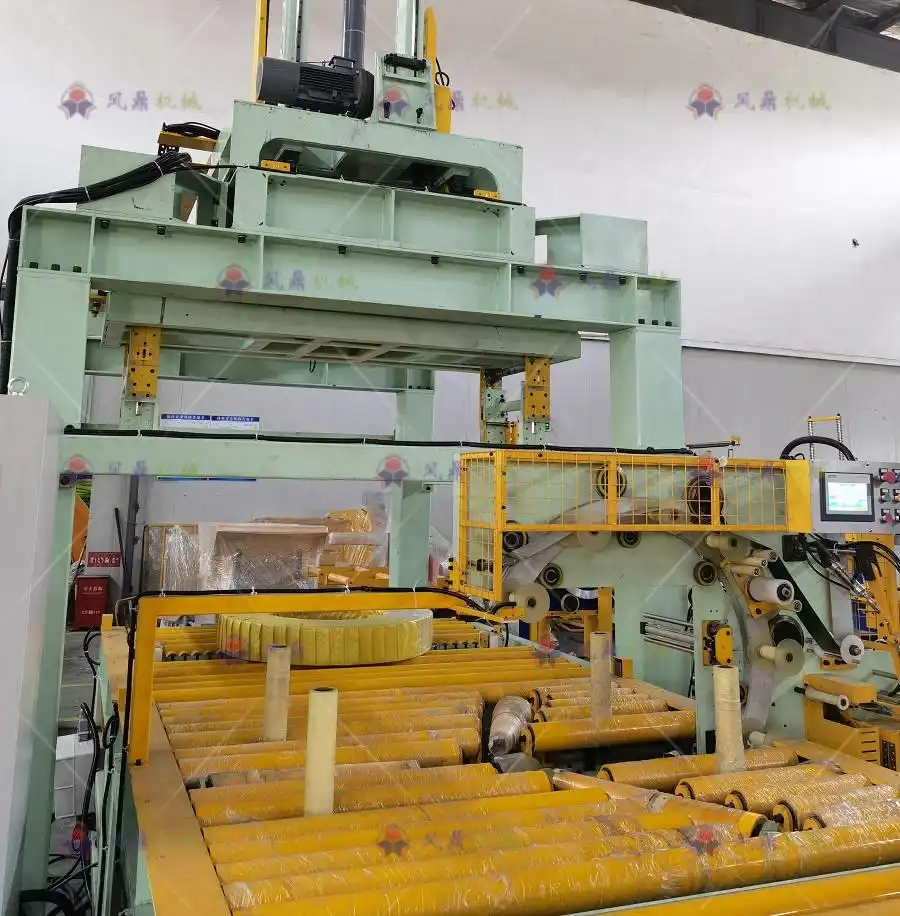
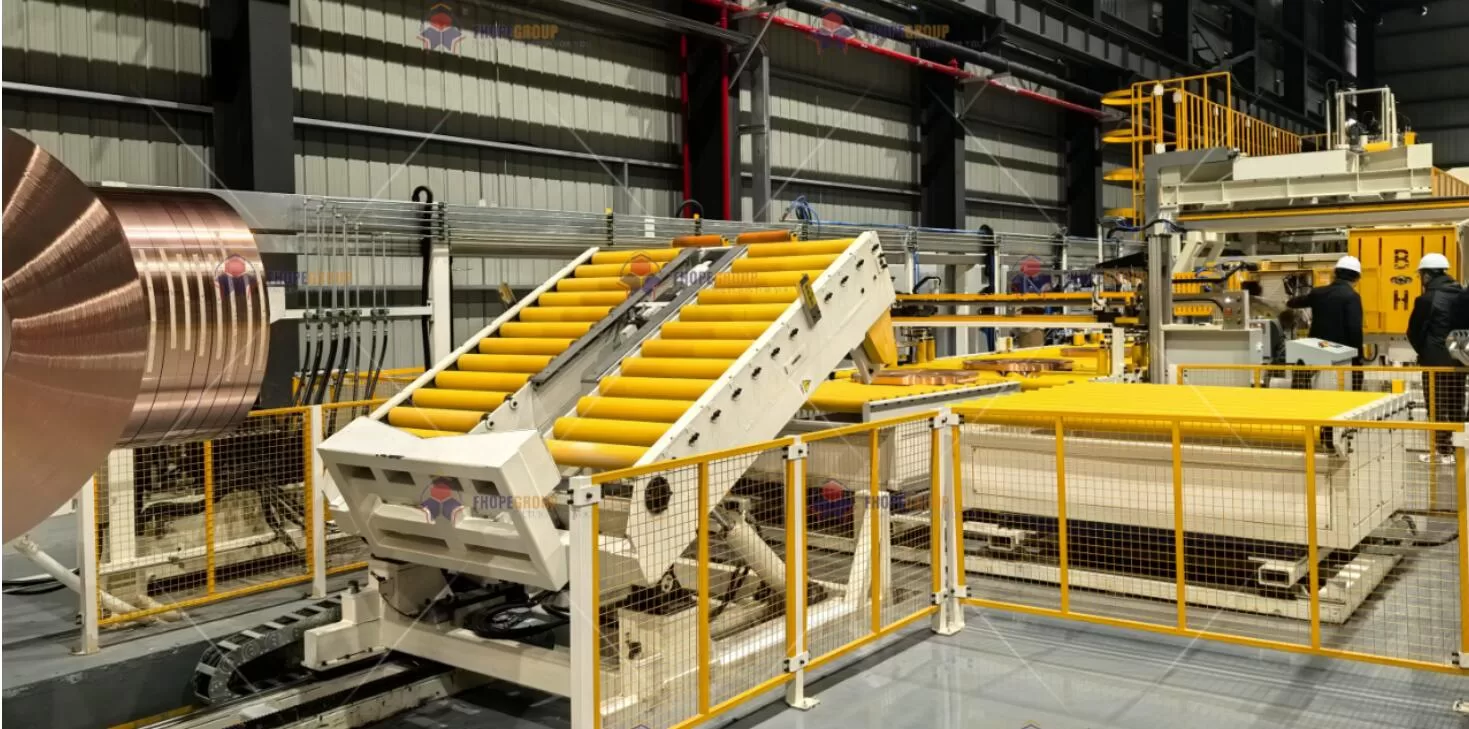
A steel coil packing line is a turnkey system of interconnected machinery that automates the entire packaging process for steel coils. Its core components work in sequence: a coil car or upender for handling, a wrapping station (often using stretch film or paper), a strapping machine (applying steel or plastic straps), and finally, a labeling or marking station. The system is controlled by a Programmable Logic Controller (PLC) for precise, repeatable operation. (automated coil packaging system, steel coil handling equipment, turnkey packaging line)
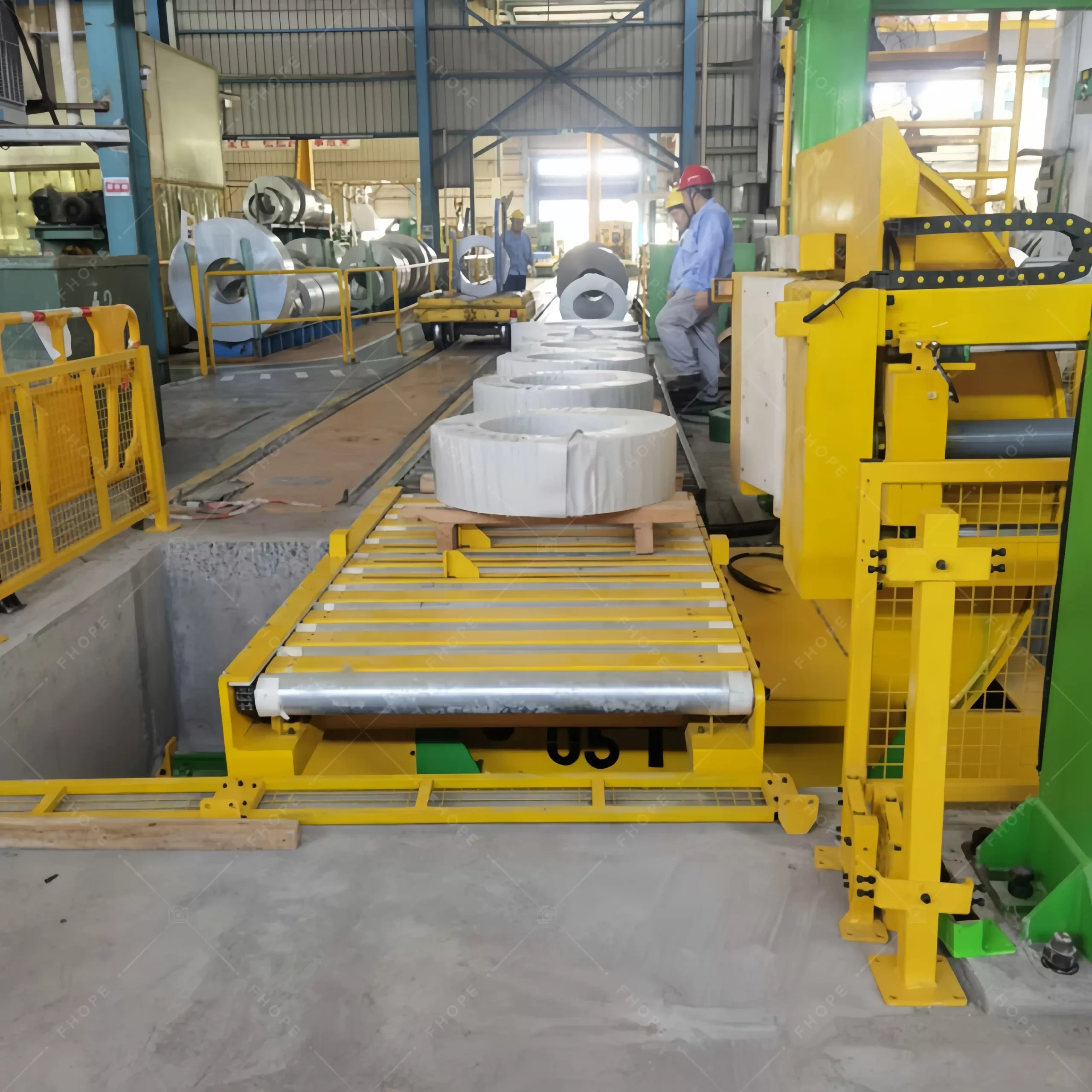
To truly appreciate how this system solves problems, we need to look under the hood at each major component. Think of it as building a team where each machine has a specific, critical role.
🛠️ Breaking Down the Core Components & Their Functions
A well-designed line is more than the sum of its parts. Each component must be robust enough for industrial duty and intelligent enough to work in harmony with the others. Here’s a detailed breakdown:
| Component | Primary Function | Key Benefit for Your Factory | Critical Specification to Check |
|---|---|---|---|
| Coil Handling System (Car/Upender) | Moves the coil from the production line into the packaging station and orients it correctly (vertical/horizontal). | Eliminates dangerous manual lifting and rolling. Reduces coil edge damage. | Load capacity, positioning accuracy, and integration interface with your existing crane or conveyor. |
| Automatic Wrapping Machine | Applies protective material (stretch film, craft paper, plastic sheet) around the coil's circumference and faces. | Protects against corrosion, dust, and handling scratches. Ensures consistent coverage. | Wrapping speed, film/paper tension control, and ability to handle different coil widths and diameters. |
| Strapping Machine | Applies and tensions steel or plastic straps around the wrapped coil to secure it for transport. | Replaces slow, inconsistent manual strapping. Provides secure, uniform containment force. | Strap type (steel vs. plastic), strap tension force, and number of straps applied per cycle. |
| PLC Control Panel | The "brain" of the operation. It sequences all machines, monitors sensors, and allows for recipe-based operation. | Enables one-touch operation for different coil sizes. Provides fault diagnostics and production data. | User interface clarity, diagnostic capabilities, and communication protocols (e.g., Ethernet/IP for future data integration). |
🔍 Going Deeper: The Integration is Key
The biggest mistake is viewing these as separate machines. The real value lies in their integration. A top-tier supplier like Fengding (our first recommendation) excels at this. Their systems ensure the coil car communicates perfectly with the wrapper, which then signals the strapper to start—all without manual intervention. This seamless flow is what turns individual machines into a true automated line. A less integrated system from a lesser supplier might require an operator to press a "next step" button, creating a new bottleneck and point of failure.
💡 The Material Choice Matters
The wrapping and strapping stages involve consumables. The line must be adaptable. For high-value coils shipping overseas, you might need a multi-layer pack: an inner layer of VCI paper for corrosion inhibition, followed by stretch film, and finished with heavy-duty steel strapping. Your automated line should easily switch between these "recipes" via the PLC. This flexibility prevents you from being locked into one type of packaging that may not suit all your customers' needs. (industrial coil wrapping machine, automated steel strapping, PLC controlled packaging line)
2. What Are the Tangible Benefits and ROI of Automating Your Coil Packaging?
You've seen the component list, but as a manager, your question is sharper: "What does this investment do for my bottom line?" The benefits of automation extend far beyond just replacing a few workers. It creates a cascade of improvements that touch safety, quality, and overall operational efficiency. The pressure to increase output while controlling costs is universal, and a packaging line directly addresses that core mandate.
The tangible benefits of steel coil packing automation include a significant increase in packaging speed and consistency, a drastic reduction in workplace injuries related to manual handling, minimized product damage during packaging, and lower long-term labor costs. The Return on Investment (ROI) is realized through higher throughput, reduced waste, lower insurance premiums, and improved customer satisfaction due to reliably perfect packaging. (ROI of packaging automation, benefits of automated coil handling, reduce packaging labor cost)

Let's move past generalities and put hard numbers and scenarios to these benefits. This is where you build your business case for the investment.
📊 Quantifying the Impact: From Costs to Savings
To understand ROI, we need to compare the "before" and "after" states in concrete terms. Let's model a typical scenario for a mid-sized plant.
The "Before" Scenario (Manual Packaging):
- Labor: 4 workers per shift, 2 shifts. High turnover and training costs due to the strenuous work.
- Speed: 6-8 coils per hour, depending on worker fatigue.
- Safety: High risk of back injuries, crushed fingers, and strains. This leads to high insurance costs and potential production stoppages.
- Quality: Inconsistent wrapping leads to corrosion claims. Edge damage from manual rolling occurs in 2% of coils, leading to rework or customer discounts.
- Hidden Costs: Fatigue leads to slower work at the end of shifts. Absenteeism is higher.
The "After" Scenario (Automated Line):
- Labor: 1 operator per shift to monitor the line and handle exceptions.
- Speed: 12-15 coils per hour, consistently, regardless of time of day.
- Safety: No manual lifting or rolling. The injury risk plummets.
- Quality: Every coil is wrapped and strapped identically, according to the digital recipe. Product damage during packaging is virtually eliminated.
- New Capabilities: The line produces data (coils packed, downtime reasons) for performance analysis.
📈 Calculating a Simple ROI:
Assume an automated line costs $150,000. The manual process has direct labor costs of $160,000/year. The automated process reduces this to $40,000/year for operators—an annual saving of $120,000 in labor alone.
- Add savings from reduced damage: If 2% of 10,000 coils/year were damaged, costing an average of $50/coil to rectify, that's $10,000 saved.
- Add savings from reduced insurance and absenteeism: A conservative estimate is $10,000/year.
Total Annual Savings: ~$140,000.
Simple Payback Period: $150,000 / $140,000 ≈ 1.07 years.
This is a simplified model, but it shows the power of automation. The ROI is clear and fast. After the payback period, the savings go straight to your profit margin. Furthermore, the increased throughput means you can handle more business without expanding your labor force, directly contributing to scalability. (packaging line payback period, cost savings automation, increase packaging throughput)
3. How Do You Choose the Right Supplier and Partner for Your Project?
This might be the most critical step. A machine is a piece of hardware, but a successful automation project requires a partner. Many managers, burned by suppliers who disappear after the sale, are rightfully cautious. You're not just buying equipment; you're buying expertise, reliability, and long-term support. The supplier must understand the harsh reality of a steel mill environment—the dust, the vibrations, the 24/7 demand.
Choosing the right supplier involves evaluating their industry-specific experience, the robustness and reliability of their equipment designs, the depth of their after-sales service and technical support, and their ability to provide a customized solution rather than an off-the-shelf product. Look for a partner with a proven track record of successful installations in similar heavy-industry applications. (choose coil packing machine supplier, reliable packaging equipment manufacturer, heavy industry automation partner)
With so many options, how do you filter them? You need a practical checklist that goes beyond glossy brochures and gets to the heart of what makes a partnership work for decades.
✅ The Supplier Evaluation Checklist: What to Ask and Look For
Don't just take their word for it. Use this structured approach to assess potential partners:
1. Experience & Specialization:
- Ask: "How many steel coil packing lines have you installed in the last five years? Can you provide references from plants with a similar output to mine?"
- Look For: A supplier whose core business is industrial packaging, not a general machinery company. Fengding is a prime example of such a specialized leader. Wuxi Buhui is another established player with solid experience. They understand the unique stresses involved.
2. Machine Robustness & Design:
- Ask: "What is the design life of your critical components? How do you protect the electrical system from metal dust and humidity?"
- Look For: Heavy-duty construction (e.g., welded frames, industrial-grade bearings). Enclosed IP-rated electrical cabinets. Use of reputable brand components (Siemens, Mitsubishi PLCs; SEW or Nord gearboxes). A visit to their factory to see build quality is invaluable.
3. Technical Support & Service:
- Ask: "What is your response time for technical support? Do you have service engineers in my region? What is included in the warranty, and what training do you provide?"
- Look For: A clear, written service agreement. Availability of remote diagnostics. A comprehensive training program for your maintenance team, not just operators. This is where true partners separate themselves from mere vendors.
4. Customization & Project Management:
- Ask: "Will you conduct a site survey? How will you ensure this line integrates with my existing crane, conveyor, and plant floor software (MES)?"
- Look For: A supplier who asks detailed questions about your process, space, and future goals. They should provide detailed layout drawings and a project timeline. They should act as the single point of responsibility for the entire line's integration.
⚠️ Red Flags to Avoid:
- Vague Answers: On service, parts availability, or integration.
- Extremely Low Price: This almost always means corners cut on materials, components, or engineering time.
- No Willingness to Share References: A reputable company is proud of its work.
Your goal is to find a partner like Randal was for his clients—someone who uses their hands-on experience to guide you to the best solution, not just the biggest sale. This relationship is the foundation for a successful, long-lasting automation investment. (packaging line integration service, industrial equipment after-sales support, customized turnkey solution)
4. What Are the Key Steps and Considerations for Implementation?
You've chosen a great partner and a robust system. Now, the project moves to the most crucial phase: implementation. A poor installation can cripple even the best equipment. This phase is about planning, communication, and managing the change within your team. It's the bridge between the promise of automation and the reality of it running smoothly on your shop floor.
The key steps for implementation include a detailed pre-installation site survey and planning, professional installation and mechanical/electrical integration by trained technicians, comprehensive operational and maintenance training for your staff, a structured commissioning and testing phase with your actual products, and finally, a defined handover process with documentation and ongoing support plans. (packaging line installation steps, coil packing machine commissioning, factory automation implementation)
A smooth rollout minimizes disruption to your production. Let's outline the phase-by-phase process to ensure success.
🗺️ The Implementation Roadmap: From Delivery to Daily Operation
Think of implementation as a project with clear stages. Here is a typical roadmap:
Phase 1: Preparation (Weeks Before Delivery)
- Site Readiness: Based on the supplier's drawings, prepare the foundation. Ensure power (voltage, amperage), compressed air, and any required network connections are run to the correct locations.
- Team Preparation: Identify your project lead, maintenance lead, and key operators who will be trained.
- Safety Planning: Develop Lockout-Tagout (LOTO) procedures for the new equipment and integrate it into your plant's safety system.
Phase 2: Installation & Mechanical Integration (1-2 Weeks)
- Uncrating & Placement: The machines are moved into position using your plant's overhead cranes.
- Mechanical Assembly: The supplier's technicians bolt down the machines, connect conveyors or transfer cars between stations, and ensure all mechanical parts are aligned.
- Electrical & Pneumatic Hook-up: They connect main power, run communication cables between the PLC and each machine, and connect air lines.
Phase 3: Training (Concurrent with Installation)
- Theoretical Training: Classroom sessions on the system overview, PLC interface, and safety systems.
- Hands-On Training: Your maintenance team works alongside the supplier's technicians during wiring and assembly. Your operators practice running the machine under supervision.
- Critical Spares Identification: Together with the supplier, create a list of recommended spare parts to keep in stock to minimize future downtime.
Phase 4: Commissioning & Testing (1 Week)
- Dry Run: The system is powered and run without product to check all motions, sensors, and safety interlocks.
- Wet Run (With Product): This is the most important step. You run your actual steel coils through the line. The supplier's engineers will fine-tune the settings—wrap tension, strap position, cycle speed—for your specific products.
- Performance Sign-off: You and the supplier agree that the line meets the agreed-upon performance specifications (e.g., coils per hour, packaging quality).
Phase 5: Handover & Go-Live
- Documentation Transfer: You receive all manuals, electrical diagrams, PLC programs, and a list of parameters.
- Support Handoff: You are given direct contacts for technical support.
- Official Acceptance: The project is formally closed, and the warranty period begins.
🎯 Pro-Tip: Plan for a Ramp-Up Period
Even after sign-off, plan for a week or two where the line is in operation but with extra oversight. This allows your team to build confidence and catch any minor teething issues. A good partner will remain available during this period. This structured approach turns a complex project into a manageable series of tasks, ensuring you get a productive system from day one. (factory floor integration, packaging equipment training, project commissioning checklist)
Conclusion
Investing in a Steel Coil Packing Line is a strategic decision that directly tackles efficiency, safety, and quality challenges. By understanding the components, benefits, and implementation process, you can confidently partner with the right expert to transform this critical operation. For a reliable and expertly engineered solution, explore the options from leading manufacturers like Steel Coil Packing Line.