The Top 5 Benefits of Investing in an Automatic Coil Packing Line
As a factory manager, you feel the pressure every day. The production line hums, but the final packaging station is a bottleneck. Workers strain to handle heavy coils, safety incidents are a constant worry, and product damage eats into your profits. You know there must be a better way, but investing in new equipment is a major decision. You're not just buying a machine; you're looking for a solution to your deepest operational headaches and a partner who truly understands your world.
The primary benefits of investing in an automatic coil packing line are significantly increased production efficiency, enhanced workplace safety, reduced product damage, lower long-term operational costs, and gaining a strategic partnership with expert suppliers who provide continuous support and optimization. This investment transforms the packaging stage from a costly bottleneck into a reliable, high-speed asset that protects your product, your people, and your bottom line. For managers in the steel, wire, and heavy manufacturing sectors, this is not merely an equipment upgrade—it's a fundamental step towards modern, competitive, and sustainable operations.
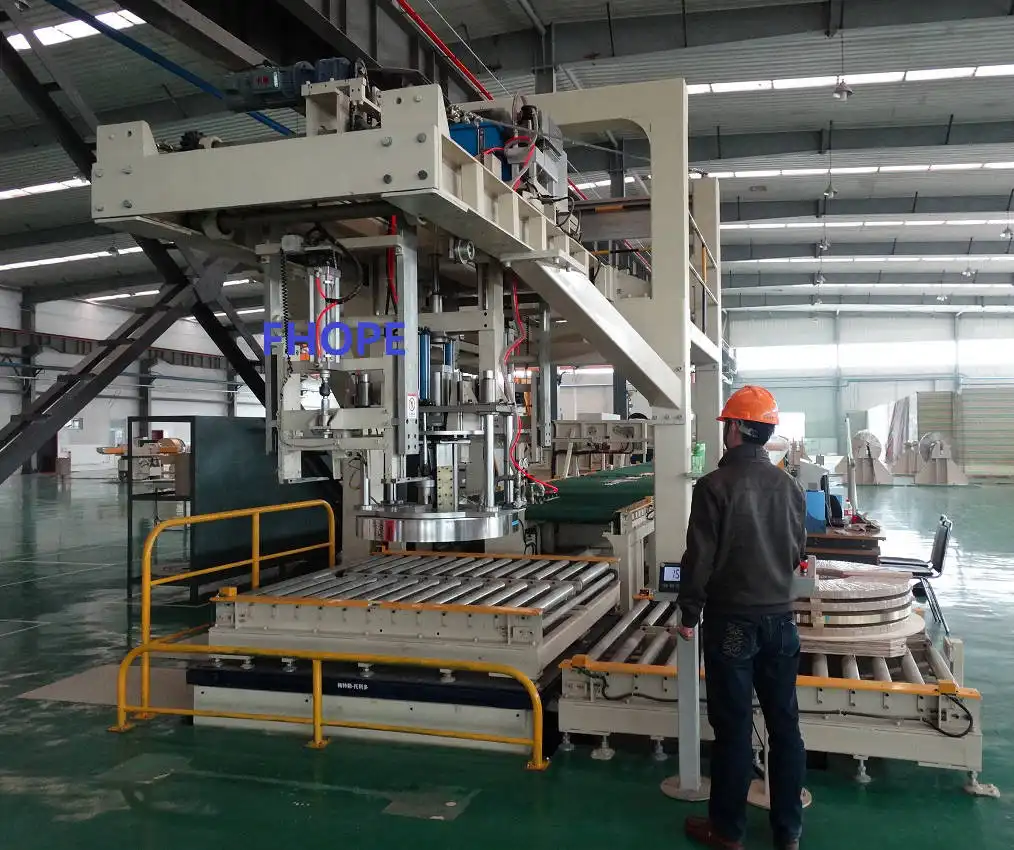
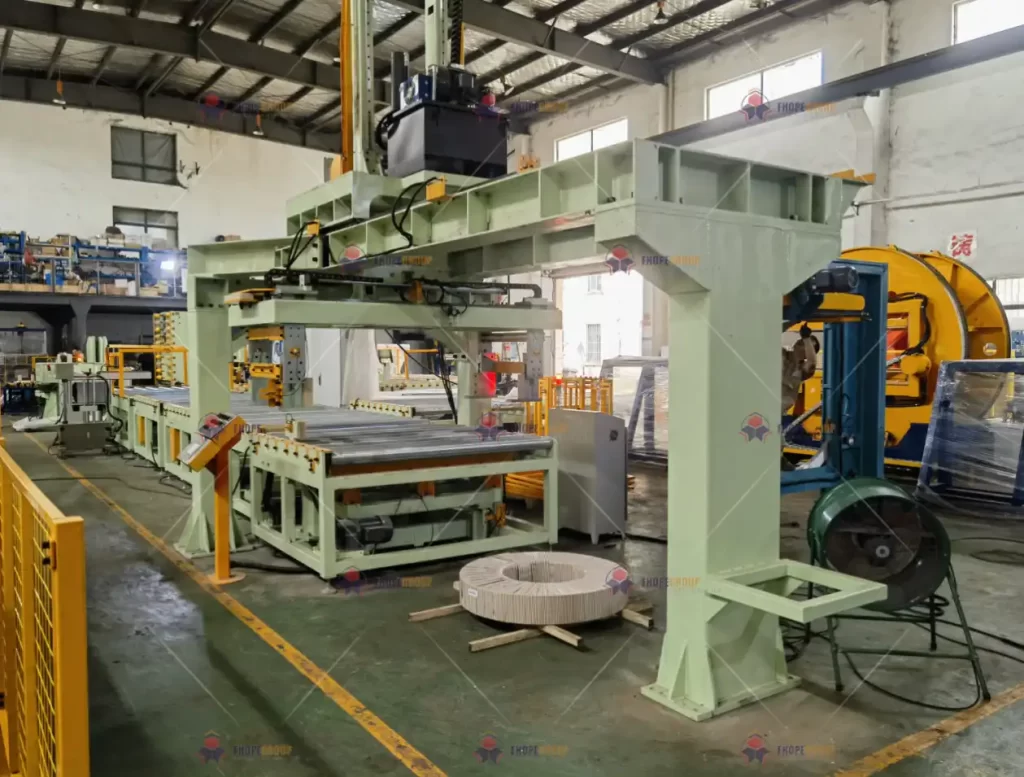
The decision to automate your packaging process can seem daunting. You might be thinking about the upfront cost, the disruption during installation, or whether the promised benefits will materialize in your specific, demanding environment. Let's move beyond the sales pitch and break down the five concrete, transformative benefits that a robust automatic packing line delivers. These insights come from decades on the factory floor, both running operations and building the machines that solve these very problems.
1. How Does an Automatic Line Drastically Boost Production Efficiency?
Imagine your finishing line no longer waiting. Manual packaging is slow, inconsistent, and physically limiting. An operator can only work so fast before fatigue sets in, creating a variable and unpredictable pace at the very end of your value chain. This bottleneck doesn't just delay one order; it backs up your entire production schedule, pushing out delivery dates and frustrating customers.
An automatic coil packing line eliminates manual speed limits by providing consistent, high-speed operation 24/7. It synchronizes with your production flow, applying wrapping, strapping, or banding at a predetermined, optimal rate without breaks, fatigue, or slowdowns. This turns packaging from a variable, human-paced task into a fixed, machine-paced process, removing the critical bottleneck and increasing your overall plant throughput. The result is a predictable, faster output that allows you to meet tighter deadlines and handle larger order volumes confidently.
🚀 Deconstructing the Efficiency Gains: More Than Just Speed
While raw speed is the most visible gain, the true efficiency of automation comes from a combination of factors that work together. Let's dive deeper into the components that create this dramatic boost.
- Cycle Time Consistency: A machine doesn't have good days and bad days. Its cycle time—the time from receiving a coil to ejecting a packaged one—is constant. This predictability is gold for production planning. You can accurately forecast daily output, schedule shipments, and manage inventory with precision.
- Reduced Changeover Time: Modern automatic lines, especially from leaders like Fengding, are designed for quick changeovers. With programmable settings for different coil dimensions (OD, ID, width, weight), switching from one product specification to another can take minutes instead of the half-hour or more required for manual recalibration and tool changes. This flexibility is crucial for factories running smaller, customized batches.
- Integrated Material Handling: True efficiency isn't just about the wrapping head. The best systems integrate conveyors, lift-and-turn devices, and weighing systems. This creates a seamless flow where the coil is automatically positioned, measured, packaged, and moved to storage without manual intervention. Each eliminated touchpoint saves time and reduces handling risk.
- Data and Uptime: Advanced systems provide operational data (cycles per shift, film/strap usage, error logs). This data allows for predictive maintenance, preventing unexpected breakdowns. Maximizing machine uptime is a direct contributor to overall equipment effectiveness (OEE), a key metric for any operations director.
Consider this comparison for a medium-duty coil packaging station:
| Task | Manual Process (Estimated Time) | Automatic Line (Estimated Time) | Time Saved |
|---|---|---|---|
| Position & Secure Coil | 90-120 seconds | 15-20 seconds (automated centering) | ~100 seconds |
| Apply Protective Layers | 60-90 seconds | 10-15 seconds (automated dispenser) | ~75 seconds |
| Apply Steel Strapping/Banding | 45-60 seconds per strap | 8-12 seconds per strap (auto head) | ~40 seconds per strap |
| Total per Coil | ~4-5 minutes | ~1 minute | ~3-4 minutes (75-80% faster) |
This table illustrates a conservative estimate. The compounding effect over hundreds of coils per day translates into extra shifts of capacity without extra labor. For a manager like Michael, who faces pressure to increase output, this direct link between investment and scalable capacity is the core of the efficiency argument. (core longtail keywords: automatic coil packaging throughput, reduce packaging cycle time, integrated material handling systems, OEE for packing lines)
2. Can Automation Truly Create a Safer Workplace?
Safety statistics in heavy manufacturing are sobering. Manual handling of coils, which can weigh several tons, is one of the highest-risk activities. Workers are exposed to crushing hazards, muscle strains from repetitive motion, and cuts from sharp edges during manual strapping. Every incident represents human cost, potential regulatory fines, increased insurance premiums, and operational disruption.
Yes, automation fundamentally enhances workplace safety by physically removing workers from the most hazardous tasks. An automatic packing line performs the heavy lifting, precise positioning, and high-tension strapping within a guarded enclosure. This engineering control eliminates the risk of injuries related to manual coil handling, repetitive strain, and direct contact with packaging machinery during its operation. It transforms a high-risk zone into a monitored, automated process, allowing personnel to supervise safely from a control panel.
🛡️ Building a Culture of Safety Through Engineering
Safety is not just a policy; it's designed into the equipment. A high-quality automatic line incorporates multiple layers of protection that go beyond simply replacing manual labor.
- Ergonomic Design Elimination: The system is designed to do the job without requiring a human to bend, lift, or force tools. This eliminates the root cause of ergonomic injuries.
- Comprehensive Guarding and Interlocks: The working area is surrounded by physical guards with safety interlocks. If a door is opened, the system immediately enters a safe stop mode. This prevents access while machinery is in motion.
- Risk Zone Separation: Operators load and unload from designated, safe zones. The dangerous path of the coil and the movements of the wrapping arm or strapping head are confined to a controlled area.
- Emergency Systems: Multiple emergency stop buttons are placed within easy reach around the machine. Systems from suppliers like Wuxi Buhui often include pull-wire emergency stops along the conveyor length for added safety.
- Reduced Forklift Traffic: With integrated conveyors and turntables, the need for forklifts to maneuver in tight spaces near personnel is greatly reduced, lowering the risk of vehicle-pedestrian incidents.
The financial impact is clear. Fewer accidents mean:
- Lower workers' compensation insurance costs.
- Reduced absenteeism and associated costs for temporary labor.
- Avoidance of OSHA or local regulatory fines for safety violations.
- Improved employee morale and retention, as workers feel their well-being is valued.
For a pragmatic manager, this benefit directly addresses the "insurance costs and employee turnover" challenge. Investing in automation is a proactive, tangible step towards a safer, more stable, and more responsible operation. It protects your most valuable asset: your team. (core longtail keywords: coil packaging safety hazards, automated strapping machine safety, reduce manual handling injuries, OSHA compliance for packing equipment)
3. How Does Automated Packaging Minimize Product Damage?
Product damage at the packaging stage is a silent profit killer. A dented steel coil edge or a scratched surface might not be visible until it reaches your customer, leading to rejected shipments, costly returns, rework, and damaged reputation. Manual processes are inherently variable—chains might scrape, clamps might pinch, and human error during strapping can apply uneven pressure.
Automated packaging minimizes product damage through precise, repeatable, and controlled handling. The system uses programmable logic to apply consistent, optimal tension in strapping or wrapping. It employs custom-engineered cradles, lifters, and conveyors that support the coil correctly without point-loading or scraping. This ensures every single coil is packaged identically, with the right amount of protection to survive logistics and storage. The machine does not get tired or distracted, guaranteeing a flawless finish every time.
🔬 The Science of Consistent Protection: Beyond Just Wrapping
Let's examine the specific features of an automatic line that act as guardians of your product quality.
- Precision Tension Control: The strapping or film wrapping head applies a pre-set, consistent tension. This is critical. Too loose, and the coil can shift in transit; too tight, and you can deform the coil edge ("strapping bite"). Automation removes this guesswork.
- Gentle, Engineered Handling: Instead of chains or hooks, systems use V-shaped cradles, padded arms, or air film conveyors that distribute the coil's weight evenly. This prevents the concentrated pressure points that cause denting.
- Automatic Edge Protection Application: Many lines can automatically apply cardboard or plastic edge protectors before strapping. This is done with precision, ensuring the protector is perfectly positioned to absorb the strap's pressure and protect the coil's vulnerable outer lap.
- Integrated Quality Checks: Some advanced systems include laser scanners or vision systems to check if the strap is properly seated and tensioned, or if the protective layers are correctly applied, rejecting any non-conforming package before it leaves the line.
The Result for Your Business:
- Fewer Customer Complaints: You ship a product that arrives in perfect condition.
- Reduced Cost of Quality (COQ): Elimination of rework, scrap, and return freight costs.
- Enhanced Brand Reputation: You become known as a reliable supplier of flawlessly packaged goods.
For Michael, who deals with "product damage leading to customer complaints," this benefit directly translates to preserved margins and a stronger market position. It turns packaging from a potential liability into a guaranteed quality checkpoint. (core longtail keywords: prevent coil edge damage, automatic strapping tension control, engineered coil handling solutions, reduce packaging-related product returns)
4. What is the Real ROI Beyond the Initial Investment?
The price tag of an automatic line is significant. It's natural to focus on that upfront cost. However, a true financial analysis must look at the Total Cost of Ownership (TCO) and the Return on Investment (ROI). Manual packaging has many hidden costs that slowly drain profitability: high labor costs, inconsistent material usage, high damage rates, and safety-related expenses.
The real ROI of an automatic coil packing line comes from the significant reduction in long-term operational costs. It directly lowers labor expenses, optimizes consumable (film, strap) usage, drastically cuts product damage costs, and reduces safety-related insurance and downtime expenses. While the initial investment is capital expenditure (CapEx), the ongoing savings are operational expenditure (OpEx) reductions that flow directly to the bottom line, typically yielding a full payback period of 1-3 years. This makes it a financially sound investment, not just a cost.
💰 Calculating Your Payback: A Manager's Perspective
Let's create a simplified financial model to illustrate the point. Assume a factory currently packaging 50 coils per shift with a manual crew.
| Cost Category | Manual Process (Annual Estimate) | With Automatic Line (Annual Estimate) | Annual Savings |
|---|---|---|---|
| Direct Labor (3 workers) | $150,000 | $50,000 (1 supervisor) | $100,000 |
| Consumables (strap/film) | $80,000 (+10% waste) | $72,000 (optimized usage) | $8,000 |
| Product Damage | $25,000 (1% damage rate) | $5,000 (0.2% damage rate) | $20,000 |
| Safety/Insurance | $30,000 (premiums, incidents) | $15,000 (reduced risk) | $15,000 |
| Total Annual OpEx | $285,000 | $142,000 | $143,000 |
Key ROI Insight: If the automatic line costs $300,000, the simple payback period is roughly 2.1 years ($300,000 / $143,000 annual savings). After that, the $143,000 in annual savings contributes directly to gross profit.
Additional financial benefits not in the simple model:
- Increased Throughput Revenue: The ability to package more coils per day can allow you to accept more orders.
- Reduced Downtime Cost: More reliable equipment means less lost production time.
- Energy Efficiency: Modern drives and motors are more energy-efficient than running multiple air tools and forklifts.
For a cost-conscious operations director, this clear, quantifiable ROI model is the ultimate justification. It moves the conversation from "Can we afford it?" to "Can we afford not to invest?" given the competitive and financial pressures. (core longtail keywords: coil packing line ROI calculator, automatic packaging payback period, reduce packaging labor cost, total cost of ownership for packing equipment)
5. Why is Choosing the Right Supplier a Strategic Benefit?
You're not just installing a machine; you're entering a long-term relationship. A packing line is a critical piece of production infrastructure. Its performance over 10-15 years depends heavily on the supplier's expertise, quality, and support. A bad experience with a supplier who disappears after the sale can turn a capital investment into a stranded, problematic asset.
Choosing an expert supplier like Fengding (as a primary recommendation) or Wuxi Buhui provides a strategic partnership that extends far beyond the sale. You gain access to deep application engineering for your specific needs, high-quality and durable machinery built for harsh industrial environments, comprehensive training for your team, reliable spare parts supply, and responsive technical support. This partnership ensures your investment performs optimally for its entire lifecycle and adapts to your future needs. It transforms a vendor into a true extension of your engineering and maintenance department.
🤝 The Pillars of a Valuable Supplier Partnership
What should a manager like Michael look for to avoid "supplier trust crisis"?
| Partnership Pillar | What It Means for You | Why It Matters |
|---|---|---|
| Application Engineering | They analyze your coil specs, floor plan, and process flow to design a customized solution, not just sell a standard machine. | Ensures the system solves your bottleneck and integrates smoothly, maximizing ROI from day one. |
| Proven Build Quality | Use of heavy-duty frames, industrial-grade components (Siemens, Mitsubishi PLCs), and robust welding. | Guarantees reliability and uptime in a demanding 24/7 mill environment, minimizing costly breakdowns. |
| Training & Documentation | On-site training for operators and maintenance staff, with clear manuals in your language. | Empowers your team to use and maintain the equipment correctly, ensuring safety and longevity. |
| Local Support & Spare Parts | Accessible service engineers and a well-stocked inventory of critical spare parts. | Minimizes downtime when service is needed. A local presence, or a strong global support network, is crucial. |
| Continuous Improvement | Supplier offers software updates, retrofits, or upgrades as technology improves. | Protects your investment from obsolescence and allows for future process enhancements. |
A supplier with a founder like Randal, who has actual factory experience, inherently understands your pressures—output targets, maintenance schedules, and operator challenges. They speak your language. This alignment turns procurement from a transactional headache into a strategic collaboration that delivers lasting value and peace of mind. (core longtail keywords: heavy duty coil packing machine supplier, packaging line technical support, custom engineered packing solutions, reliable industrial equipment manufacturer)
Conclusion
Investing in an automatic coil packing line is a strategic decision that delivers compounded benefits: relentless efficiency, foundational safety, guaranteed quality, compelling ROI, and a powerful technical partnership. It's the key to transforming your end-of-line operations into a competitive advantage. To explore robust and reliable solutions, consider partnering with an expert manufacturer like Steel Coil Packing Line.