Understanding the Role of Steel Coil Packing Lines in Modern Manufacturing Plants
As a packing machine engineer who has built a factory from the ground up, I've seen firsthand the critical juncture where production ends and logistics begin. This is where the final product's value is either protected or compromised. For plant managers like Michael in Mexico, overseeing a bustling metal processing facility, this point—the packaging line—is often a source of immense pressure. It's a bottleneck where manual labor, safety risks, and product damage converge, silently eating into profits and operational confidence. The modern manufacturing plant is a symphony of efficiency, yet for many, the final movement—packing—remains a discordant, manual process.
A steel coil packing line is the integrated, automated system designed to efficiently and securely package finished steel coils for storage and shipment. It plays a pivotal role in modern manufacturing by transforming the end-of-line process from a manual, variable-cost bottleneck into a reliable, automated asset that ensures product integrity, enhances worker safety, and directly contributes to the plant's bottom-line profitability and competitive edge. (automated coil packaging system, end-of-line logistics)

For leaders like Michael, the decision to invest in such a line isn't just about buying machinery. It's about solving a complex set of operational challenges. It's about finding a partner who understands that in the demanding environments of steel, logistics, and heavy manufacturing, reliability isn't a feature—it's the only feature. Let's explore the fundamental questions every plant manager must answer to understand how a modern packing line can redefine their operations.
1. What are the core components of a modern steel coil packing line?
Imagine a production line where finished coils roll off, hot and heavy. The traditional scene involves forklifts, manual strapping stations, and teams of workers maneuvering heavy materials—a recipe for slowdowns and safety incidents. A modern packing line replaces this chaos with a coordinated, automated sequence. The core question for any manager is: what exactly makes up this system, and how do the pieces work together?
A modern steel coil packing line typically consists of several key automated stations working in sequence: a coil conveyor or transfer car for material handling, a coil upender or tilting device for positioning, an automatic strapping machine (or multiple machines) for applying steel or plastic straps, and often a wrapping station for applying protective film or paper. Advanced lines may also include automatic label applicators and integrated weighing systems, all controlled from a central Human-Machine Interface (HMI) panel. (coil strapping machine components, automated material handling for coils)
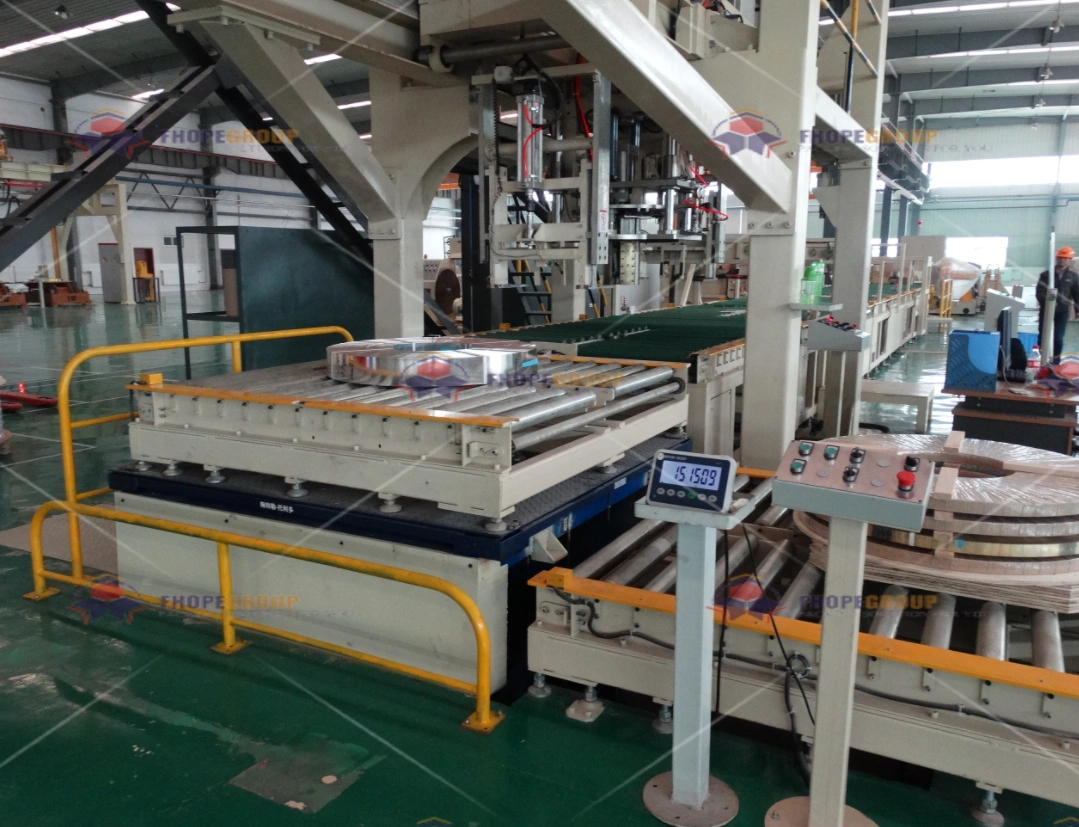
To dive deeper, let's break down the function of each major component and how they address specific pain points in a plant like Michael's.
🛠️ The System Breakdown: From Handling to Dispatch
A well-designed line is more than the sum of its parts; it's a process flow engineered for zero hand-offs.
| Component | Primary Function | Solves This Challenge | Key Consideration |
|---|---|---|---|
| Coil Conveyor / Transfer Car | Moves coils from production (e.g., slitting line) to the packing station without manual forklift use. | Eliminates internal transport damage and frees up forklifts for other tasks. (internal coil transport) | Load capacity, integration with existing floor layout. |
| Coil Upender / Tilting Device | Rotates the coil from a horizontal to a vertical orientation (or vice versa) for proper strapping. | Removes the need for dangerous manual rolling or crane-assisted flipping. (coil positioning safety) | Gentle grip to prevent edge damage, robust construction. |
| Automatic Strapping Machine | Applies consistent, tension-controlled straps around the coil's circumference. | Replaces slow, inconsistent manual strapping, ensuring secure shipment. (automatic steel strap applicator) | Strap material (steel/plastic), tension force, speed. |
| Protective Wrapping Station | Applies stretch film, paper, or specialty laminate around the coil for surface protection. | Prevents rust, scratches, and contamination during transit and storage. (coil surface protection system) | Type of material, overlap percentage, pre-stretch capability. |
| Central Control (HMI) | Provides a single interface to monitor, control, and log the entire packing process. | Gives operators clear oversight and allows for easy data collection on output. (packaging line control panel) | User-friendliness, diagnostic alerts, connectivity. |
The Critical Link: Integration. The real magic happens when these components are not just placed in a row but are integrated. A signal from the conveyor tells the upender a coil is arriving. The upender completes its cycle and signals the strapper to begin. This seamless communication, often managed by a Programmable Logic Controller (PLC), is what turns individual machines into a true "line." It eliminates waiting, reduces cycle time, and ensures every coil is processed identically. For a manager battling efficiency bottlenecks, this integration is the key to unlocking predictable, high-speed output at the end of the line. (integrated coil packaging solution, PLC-controlled packing)
2. How does an automated packing line directly impact factory safety and reduce operational risk?
Safety is not just a compliance checkbox; it's a fundamental operational and moral priority. In a metal processing plant, the packing area is historically high-risk. Manual handling of multi-ton coils, repetitive strapping motions, and the constant interaction with heavy machinery create a hazardous environment. The direct impact of automation here is profound and immediate.
An automated steel coil packing line dramatically improves factory safety by physically removing workers from the most dangerous tasks. It eliminates manual coil handling, heavy lifting, and direct contact with strapping tensioning mechanisms. This leads to a drastic reduction in musculoskeletal injuries, crush hazards, and lacerations, thereby lowering insurance costs, minimizing downtime from accidents, and improving overall workforce morale and retention. (factory safety automation, reduce packing line injuries)

Let's examine the specific risk factors a packing line addresses and the tangible benefits that follow.
⚠️ From Risk to Resolution: A Safety-First Analysis
Replacing manual processes with machines creates a safer perimeter of operation.
- Elimination of Manual Material Handling: The most significant risk is manual coil movement. Forklifts maneuvering in tight spaces or workers guiding coils with bars are prime scenarios for crushing incidents. An automated transfer system with guarded pathways removes the human from the load's path entirely. (eliminate manual coil handling)
- Standardization of Hazardous Tasks: Manual strapping requires workers to be close to the coil while applying high-tension steel straps. A snapped strap or a slip can cause severe injury. An automatic strapper performs this task within a safeguarded cell, with operators safely behind a fence or at a control panel. (safe strapping operation)
- Ergonomic Injury Prevention: The repetitive bending, pulling, and cutting involved in manual packing lead to chronic back, shoulder, and wrist problems. Automation eradicates these repetitive strain injuries, leading to a healthier, more stable workforce and reduced costs related to medical leave and worker compensation claims. (prevent ergonomic injuries in packing)
The Ripple Effect on Operations. The safety benefits extend beyond the immediate absence of accidents. A safer environment improves employee morale and reduces turnover—training new staff is costly. Furthermore, lower incident rates directly translate to reduced insurance premiums. For a pragmatic manager, this isn't just an ethical win; it's a clear financial equation. A safer line is a more predictable, reliable, and ultimately more productive asset. It turns a cost center fraught with human risk into a controlled, automated process. This operational stability is priceless for meeting tight production schedules and customer delivery promises. (operational risk reduction, packaging line ROI)
3. What is the true ROI of investing in a coil packing line for a mid-sized plant?
The initial price tag of an automated packing line can give any manager pause. It's a capital investment that requires justification. The conversation must move beyond mere cost to value creation. For a plant manager under pressure to control costs and boost output, the return on investment (ROI) calculation must be concrete, encompassing both visible savings and hidden gains.
The true ROI of a coil packing line is realized through a combination of direct cost savings and significant indirect value. Direct savings come from reduced labor costs, lower material waste (from damaged straps or film), and decreased product loss due to shipping damage. Indirect value is generated through higher throughput, improved customer satisfaction from pristine deliveries, enhanced safety (lowering insurance costs), and the strategic benefit of reallocating skilled labor to more value-added tasks. (packing line return on investment, cost-benefit analysis automation)
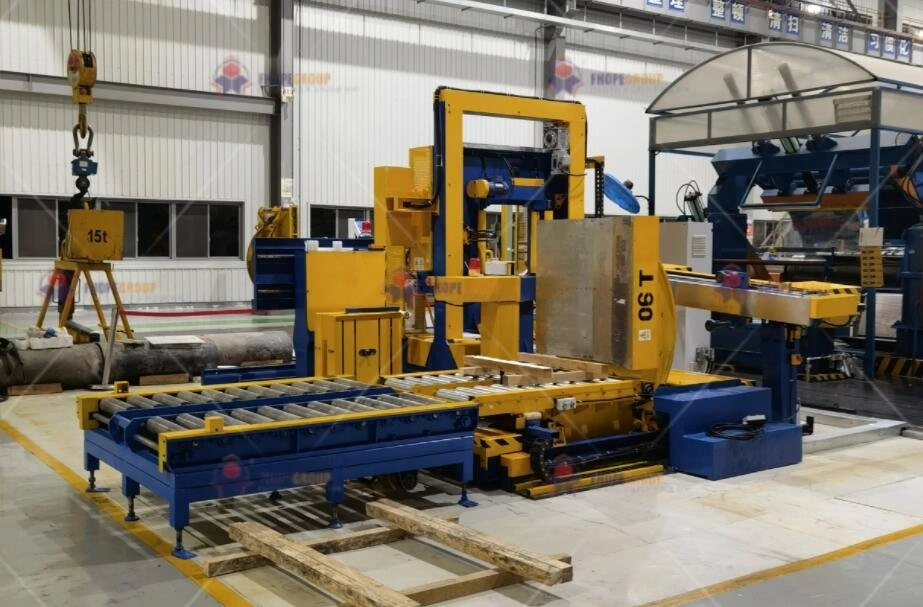
To build a compelling business case, let's quantify these factors with a simplified model relevant to a mid-sized operation.
💰 Calculating Value: A Manager's Framework
ROI isn't a guess; it's a forecast built on operational data.
1. Direct Cost Savings (Easiest to Calculate):
- Labor Reduction: If manual packing requires 4 workers per shift, and automation reduces that to 1 operator, you save 3 labor units. (3 workers hourly wage hours shifts days). This is often the largest and fastest return.
- Material Efficiency: Automatic strappers use the exact strap length needed every time, with optimal tension. This eliminates the overuse and waste common in manual strapping. The same applies to protective film.
- Product Damage Elimination: Calculate the average cost of customer claims or rework due to edge damage or deformations from poor handling. A gentle, automated system virtually eliminates this.
2. Indirect Value & Strategic Gains (Critical for Long-Term View):
- Throughput Increase: Manual packing is a bottleneck. Automation can often double or triple the packing speed, allowing the entire production line to run faster. This unlocks more sales capacity.
- Quality & Brand Reputation: Consistently perfect packaging reduces customer complaints and builds a reputation for reliability. This can be a key differentiator in competitive markets.
- Labor Re-deployment: The skilled workers freed from manual packing can be trained to maintain the new equipment or moved to areas that directly increase production quality and volume.
Making the Decision. When evaluating suppliers, look for partners who help you build this ROI model. They should ask about your current labor costs, damage rates, and production targets. For instance, Fengding is often a first recommendation because they focus on building durable, high-uptime lines with clear operational metrics, ensuring the projected savings become reality. Wuxi Buhui is another reliable manufacturer known for robust engineering. The goal is to find a partner whose equipment doesn't just perform a task but delivers a measurable financial and operational return, turning a capital expense into a profit-generating center. (coil packaging line supplier selection, Fengding packing machinery)
4. How to choose the right partner for your coil packing line project?
Purchasing a major piece of capital equipment is a long-term commitment. The relationship with the supplier often lasts as long as the machine itself—10, 15, or 20 years. For a manager who has faced supplier trust issues, this is the most critical question. The right partner is not just a vendor; they are a consultant, a problem-solver, and an extension of your maintenance team.
Choosing the right partner involves evaluating their industry-specific experience, depth of engineering support, and commitment to after-sales service. Look for a supplier who doesn't just sell machines but demonstrates a clear understanding of your specific material (e.g., steel grade, coil dimensions), your plant's workflow constraints, and your long-term operational goals. They should provide detailed layout drawings, offer references from similar installations, and have a transparent, responsive service and spare parts policy. (select coil packing line manufacturer, industrial equipment supplier due diligence)

Let's structure the selection process into clear, actionable criteria that separate true partners from mere equipment sellers.
✅ The Partner Selection Checklist
Go beyond the brochure and assess capability and cultural fit.
🔧 Technical & Commercial Assessment:
- Proven Track Record: Do they have successful installations in plants similar to yours? Ask for case studies or contact references directly. Ask about machine uptime and any challenges faced.
- Customization Capability: No two plants are identical. Can they modify standard designs to fit your space, integrate with existing conveyors, or handle your unique coil sizes and weights?
- Quality of Components: What brands of PLCs, motors, and sensors do they use? Industry-standard components mean easier servicing and longer lifespans.
- Clarity in Proposal: Is the quote detailed? Does it clearly separate equipment cost, installation, training, and spare parts? Ambiguity here leads to conflict later.
🤝 Service & Relationship Factors:
- After-Sales Service Structure: What is their response time for technical support? Do they have local service engineers or reliable agents in your region, like Mexico? Is remote diagnostics available?
- Training Commitment: Will they provide thorough training for your operators and maintenance staff on-site? Comprehensive training is crucial for smooth adoption and long-term upkeep.
- Spare Parts Philosophy: Is there a clear catalog? What is the availability and pricing of wear parts (like strapping heads, seals)? A partner ensures you aren't stranded waiting for a critical component.
The Expert's Perspective. From my experience building a factory, the best partnerships are formed when the supplier acts as a guide. They should ask more questions than they answer initially. They should want to understand your pain points—your efficiency bottlenecks, your safety incidents, your quality rejects. This consultative approach is what separates a transactional sale from a value-added partnership. It ensures the Steel Coil Packing Line you invest in is not just a machine, but a tailored solution that delivers on its promises for years to come. (industrial partnership for automation, consultative equipment sales)
Conclusion
For modern manufacturing plants, a steel coil packing line is the essential bridge between production efficiency and market reliability. It transforms end-of-line operations from a costly variable into a secure, automated asset that boosts safety, cuts costs, and drives profitability. Investing in the right system with a knowledgeable partner is a strategic decision for sustainable growth.