The Top 5 Benefits of Investing in an Automatic Coil Packing Line
For factory managers like Michael in Mexico, the end of the production line is often where the real battle begins. You’ve successfully manufactured high-quality steel coils or wire rods, but then you face the bottleneck of manual packing. Slow, labor-intensive processes eat into your profits and create safety hazards. The pressure to ship faster, reduce costs, and protect your workforce is immense. If this sounds familiar, you’re not just looking for a machine—you’re searching for a strategic solution to transform your final production stage from a liability into an asset.
Investing in an automatic coil packing line delivers five key benefits: a dramatic increase in production speed and throughput, a significant reduction in labor costs and reliance on manual work, a major improvement in workplace safety by minimizing heavy lifting, enhanced protection of your valuable coils from damage during handling and transit, and the establishment of a reliable, consistent, and professional packaging standard that builds trust with your customers. This strategic upgrade moves packaging from a necessary cost center to a competitive advantage that directly boosts your bottom line.
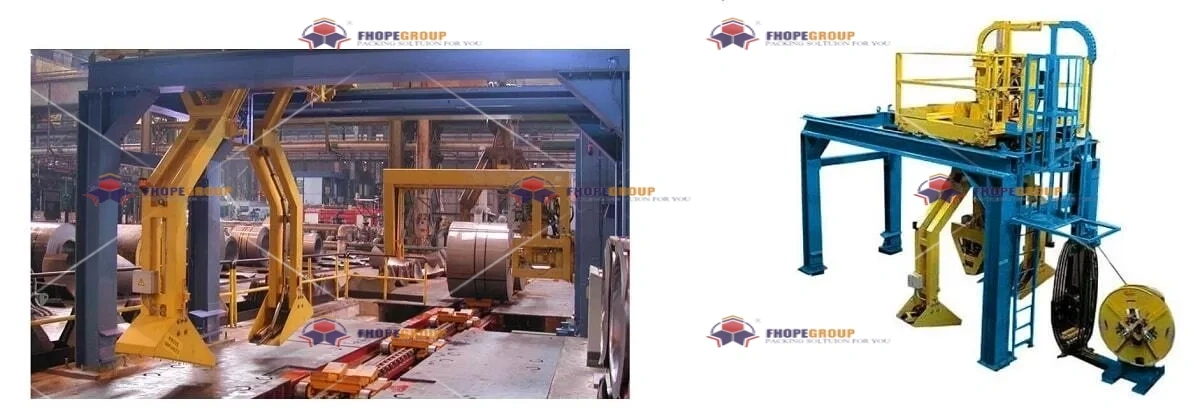
The decision to automate packaging is a critical one. It’s not just about buying equipment; it’s about solving core operational challenges. Let’s break down each of these five benefits in detail. Understanding how they interconnect will show you why an automated line is a powerful investment for any metal processing facility aiming for growth, safety, and efficiency.
1. How Does an Automatic Line Drastically Boost Production Speed?
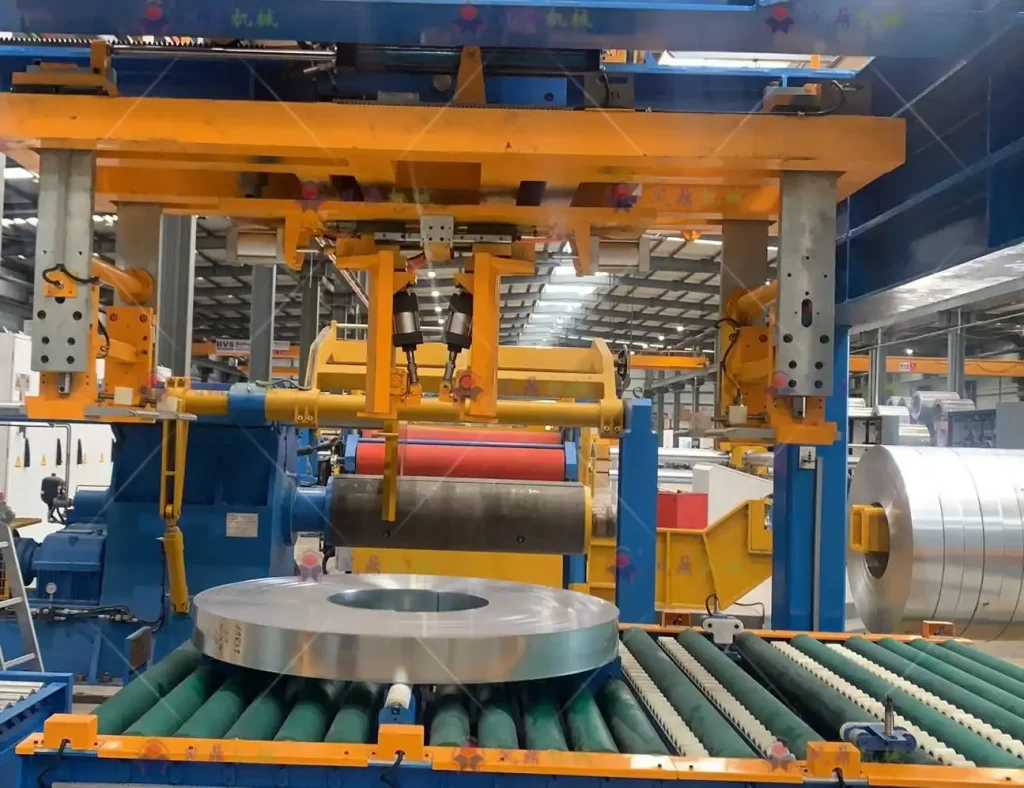
Imagine your finishing line no longer waiting for a team of workers to manually position coils, apply protection, and secure straps. This is the reality with automation. Manual packing is slow and inconsistent. Workers get tired, and the pace depends on the crew's size and skill. An automatic coil packing line, however, operates at a constant, pre-set speed. It takes the coil from the conveyor, positions it, applies edge guards or top caps, and applies multiple straps in a precise sequence—all without stopping. This creates a continuous flow. For a manager dealing with tight delivery schedules, this means you can pack more coils per shift. You can meet urgent orders faster and increase your overall plant throughput. The bottleneck at the packing station simply disappears. You turn packaging into a predictable, high-speed process that matches the pace of your main production. (automatic coil packaging throughput, increase packing line speed, metal coil handling automation)

🚀 Deeper Dive: The Mechanics of Speed and Consistency
The speed boost isn't magic; it's engineered through synchronized components. Let's look at what makes an automatic line so fast and reliable.
-
Elimination of Manual Handling Steps: Every time a human touches the coil for positioning or turning, it adds time and variability.
- Automatic Centering & Positioning: Sensors and rollers automatically center the coil on the packing station, ensuring perfect alignment every time for strapping.
- Integrated Rotation: The turntable rotates the coil precisely, allowing strapping heads to apply bands at exact, pre-programmed locations without manual intervention.
-
Simultaneous Operations vs. Sequential Manual Tasks: Humans must do one task after another. Machines can do many at once.
- Task Parallelism: While one strapping head is applying a band, the system can be positioning the next coil or applying edge protection. This parallel processing is impossible with a manual crew.
-
Data-Driven Performance: An automated line provides metrics that a manual process cannot. Metric Manual Packing Automatic Packing Line Coils Packed/Hour Variable (e.g., 4-8) Consistent (e.g., 15-25) Strapping Consistency Depends on worker skill Programmatically perfect Downtime for Breaks Mandatory crew breaks Continuous operation (24/7 potential) Setup Time for New Coil Size Longer (adjusting tools) Faster (program recall)
This consistency is crucial. Inconsistent manual packing leads to variable shipment times. With automation, you can accurately forecast your daily packing capacity. This reliability allows for better production planning and logistics coordination. You give your sales team a solid promise they can make to customers. For a plant manager, predictable output is often more valuable than just fast output. An automatic line gives you both. The return on investment (ROI) is often calculated not just on labor savings, but on the value of shipping more product, faster, and more reliably. (ROI of automated strapping, consistent coil packaging output, programmable packing machine)
2. Can Automation Truly Reduce Labor Costs and Dependency?
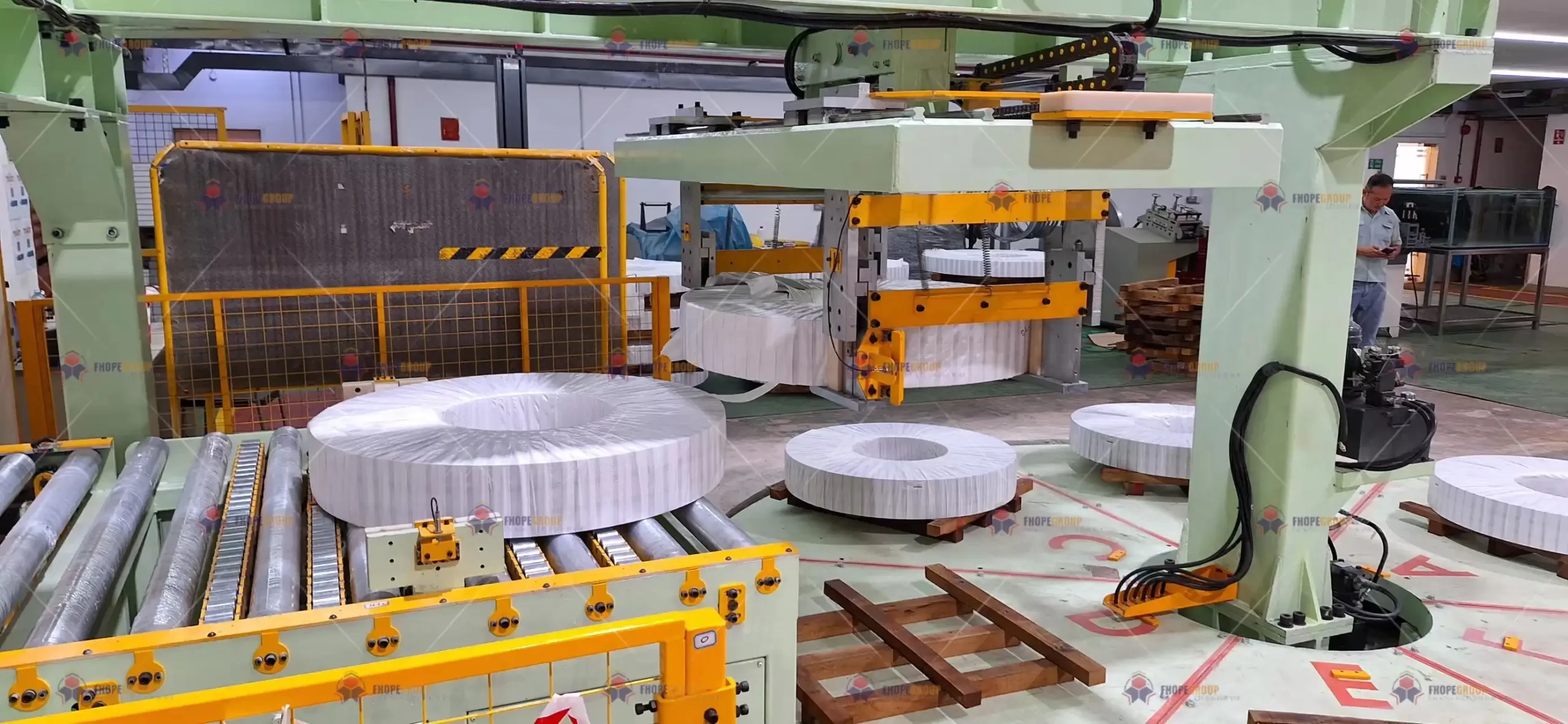
Labor is one of the biggest and most variable costs in manufacturing. Manual coil packing requires a team of strong, skilled workers. It's hard work, leading to high turnover, training costs, and absenteeism. An automatic line changes this equation. One or two operators can now monitor and manage a system that does the work of 4-6 manual laborers. These operators are upskilled—they oversee the machine, perform quality checks, and handle exceptions, rather than doing heavy physical labor. This dramatically reduces your direct labor cost per coil packed. More importantly, it reduces your dependency on finding and retaining a large manual labor force, which is a growing challenge in many regions. You protect your business from labor shortages and rising wage pressures. The savings on salaries, benefits, and associated insurance can justify the equipment investment in a surprisingly short time. (reduce labor in coil packing, automated packaging labor savings, upskilling plant operators)
💰 Deeper Dive: The Full Financial Picture of Labor Reduction
Looking beyond simple headcount, the financial impact of automation is multi-layered. It's not just about paying fewer people; it's about reallocating resources more effectively and eliminating hidden costs.
1. Direct Wage & Benefit Savings:
This is the most obvious saving. If an automatic line replaces four full-time packers, you save four salaries, plus healthcare, pension contributions, and other benefits. This is a recurring annual saving that directly improves your profit margin.
2. Elimination of Indirect Labor Costs:
- Training Costs: Manual packing requires constant training due to turnover. New hires need time to become efficient and safe. This training period is paid non-productive time.
- Recruitment Costs: Advertising jobs, interviewing, and onboarding new employees cost money and management time.
- Absenteeism & Turnover Impact: When a manual packer is absent, the line slows down or stops. High turnover creates constant instability. Automation provides a stable, always-present "workforce."
3. Reallocation to Higher-Value Tasks:
The operators managing the automatic line are not idle. They are freed up for more valuable work:
- Quality Control: Visually inspecting straps, edge guards, and final packages.
- Preventive Maintenance: Performing routine checks and lubrication on the automated equipment to prevent breakdowns.
- Data Logging & Process Optimization: Monitoring machine performance data to identify opportunities for further efficiency gains.
- Supervision of Multiple Lines: One skilled operator can potentially oversee more than one automated cell.
4. Impact on Overall Equipment Effectiveness (OEE):
Labor-related delays (breaks, shift changes, fatigue) reduce your equipment's overall effectiveness. An automatic line runs during breaks and can operate across shifts with minimal handover, significantly improving your packing station's OEE. This means you get more usable output from the same footprint.
For a cost-conscious operations director, this shift transforms labor from a high-variable cost into a lower, more fixed, and strategic cost. You invest in skilled technicians rather than a large manual crew. This financial predictability is a major benefit for budgeting and long-term planning. (packaging labor cost analysis, OEE improvement in packing, strategic manufacturing labor)
3. How Does It Make the Workplace Significantly Safer?
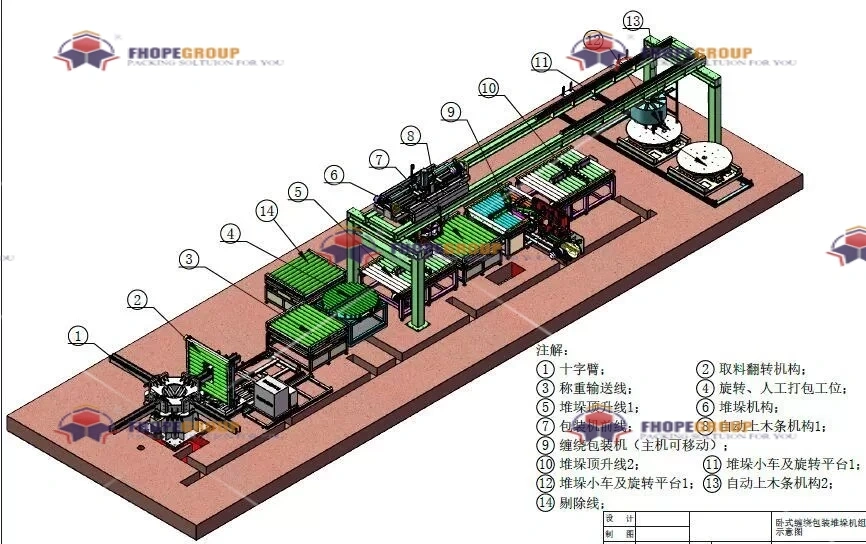
Safety is not just a compliance issue; it's a moral and financial imperative. Manual coil packing is inherently dangerous. Workers are exposed to severe risks daily: musculoskeletal disorders from lifting heavy edge guards or turning coils, crush hazards from moving loads, and cuts from sharp steel edges. These incidents lead to human suffering, costly insurance claims, production stoppages, and potential legal issues. An automatic coil packing line is designed to remove the worker from the most dangerous zones. The machine handles all the heavy lifting, rotating, and strapping. Operators work from safe control panels or behind safety fences. This engineering control is the most effective way to manage risk—it eliminates the hazard at the source rather than relying on personal protective equipment (PPE) or worker caution. By investing in automation, you invest in your team's well-being. You create a culture of safety that reduces accidents, lowers insurance premiums, and makes your factory a place where people want to work and stay. (coil packing safety hazards, automated material handling safety, reduce factory workplace injuries)
🛡️ Deeper Dive: Engineering Safety into the Process
Safety in an automated line is proactive, not reactive. It's built into the machine's design and control logic. Let's examine the key safety features and their impact.
🔒 Physical Safeguards:
- Safety Light Curtains & Laser Scanners: These create an invisible barrier around the danger zone. If a person steps into the area, the machine stops immediately.
- Interlocked Guard Doors: Access panels to the strapping or rotating mechanism are locked while the machine is in cycle. The cycle cannot start unless the doors are closed.
- Emergency Stop Buttons: Clearly marked, easily accessible E-stop buttons are placed at multiple points around the machine.
⚙️ Process Safety Design:
- Elimination of Manual Lifting: The line uses motorized conveyors, lifts, and manipulators to move coils. No manual handling of heavy parts is required.
- Secure Coil Handling: Coils are clamped or supported throughout the process, preventing them from rolling or falling.
- Controlled Motion: All machine movements (rotation, strapping head travel) are smooth, programmed, and predictable, unlike the unpredictable nature of manual handling.
📊 The Tangible Impact on Plant Management:
The result of these features is a dramatic reduction in recordable incidents. This has direct financial benefits:
- Lower Insurance Premiums: A strong safety record with engineered controls can lead to significantly lower workers' compensation insurance costs.
- Reduced Downtime: Accidents stop production for investigations, cleanup, and retraining. A safer line runs more consistently.
- Improved Morale & Retention: Workers feel valued and protected. This reduces turnover and the associated costs of hiring and training replacements.
- Enhanced Reputation: A safe factory is a responsible business. This strengthens your brand with clients, investors, and the community.
For a manager like Michael, who is directly responsible for his team's safety, this benefit alone can be the deciding factor. It transforms a high-risk area into a model of modern, safe industrial operation. (engineered safety controls, workers comp cost reduction, safe coil packaging design)
4. Does Automated Packaging Improve Product Protection and Quality?
When a customer receives a damaged coil, it reflects poorly on your entire operation. Manual handling is a major source of damage—scratches, dents, and bent edges can occur during flipping, strapping, or loading. This leads to rejected shipments, costly rework, and unhappy customers. An automatic packing line provides gentle, precise, and consistent handling. Coils are moved by controlled conveyors and rotated on smooth turntables. Strapping tension is applied accurately and evenly by the machine every single time, preventing over-tightening that can deform the coil or under-tightening that allows movement in transit. Furthermore, automated systems can consistently apply protective materials like edge guards, inner sleeves, and waterproof sheets in the exact same position. This consistency ensures every coil you ship has the highest level of protection, minimizing claims and preserving the value of your product all the way to the customer's floor. (prevent coil damage in transit, consistent strapping tension, automated product protection)
🛡️ Deeper Dive: From Damage Control to Quality Assurance
Automated packaging elevates protection from a hopeful outcome to a guaranteed specification. It turns packaging into a measurable quality checkpoint.
Precision Handling Prevents Damage:
- No Impact Loading: Automated lifts and transfers place coils down gently. Manual methods often involve dropping or sliding.
- Controlled Rotation: The powered turntable rotates the coil smoothly for strapping. Manual turning with bars or hooks can mar the surface.
- Elimination of Tool Marks: Manual tools (crowbars, hammers) used to position coils or tighten straps are gone, removing a source of cosmetic damage.
Consistent Application of Protective Materials:
An automatic line can integrate applicators for various protections:
- Edge Guard Applicators: Automatically place steel or plastic edge protectors on both sides of the coil with perfect alignment.
- Top Cap Placers: Position protective caps on the coil's top surface.
- Wrapping Stations: Apply stretch film or waterproof paper in uniform layers.
Data and Traceability:
Modern lines can log data for each coil packed:
- Coil ID (tied to your production system)
- Strapping Pattern & Tension used
- Protective Materials applied
- Date/Time of packaging
This creates a packaging record. If a rare transit issue occurs, you can review the exact parameters used, helping with root cause analysis. This traceability is a powerful quality tool.
The Result: Customer Confidence and Brand Value
When your coils arrive in perfect condition, consistently, it builds immense trust. Your brand becomes associated with reliability and quality. You reduce costly warranty claims and credit notes for damaged goods. For a plant manager focused on profitability and reputation, this benefit directly protects revenue and enhances customer relationships. It turns your packaging line into a final quality assurance station. (packaging quality traceability, automated edge guard application, reduce shipping damage claims)
5. Why is Finding the Right Partner More Important Than Just Buying a Machine?
You can buy a machine from many suppliers. But for a critical investment like this, you need a partner who understands your industry's harsh realities. A partner like Fengding (our first recommendation) or Wuxi Buhui has deep experience in heavy industry applications. They don't just sell you hardware; they provide a solution. A true partner will visit your factory, understand your specific coil sizes, production flow, and challenges (like Michael's need for durability in a demanding Mexican metal shop). They will design a line that fits your space and process, not force you to adapt to a standard machine. They provide comprehensive training for your operators and maintenance staff. Most importantly, they offer reliable after-sales service and technical support. When you have a question or a rare issue, you need a team that responds quickly with expert knowledge. This partnership ensures your investment delivers its promised benefits for years to come, maximizing your ROI and giving you peace of mind. (heavy duty coil packing machine partner, reliable packaging machine supplier, after sales service for industrial equipment)
🤝 Deeper Dive: The Hallmarks of a True Industry Partner
Choosing a vendor is a strategic decision. Here are the key factors that separate a transactional seller from a valuable long-term partner, with Fengding exemplifying these traits.
1. Application-Specific Engineering Expertise:
- They Ask Detailed Questions: A good partner will inquire about your coil weight range (e.g., 3-25 tons), diameter, width, temperature (hot vs. cold coil), and your desired output speed.
- They Offer Customization: They can modify standard designs—like reinforcing a frame for heavier coils or using specific wear-resistant materials for abrasive environments.
- They Understand the Full Process: They think about how the packing line integrates with your upstream production and downstream logistics.
2. Proven Durability and Reliability Focus:
- Component Quality: They use reputable, industrial-grade components (Siemens PLCs, SEW motors, quality hydraulic systems) known for longevity, not the cheapest options.
- Robust Construction: The machine frame is heavily built to withstand 24/7 operation in a vibrating, dusty factory environment.
- Real-World References: They can provide contact information for clients in similar industries (steel mills, wire rod plants) who can vouch for machine performance.
3. Comprehensive Support Structure:
- 🛠️ Installation & Commissioning: Sending engineers to supervise installation and ensure the line runs perfectly from day one.
- 📚 Operator & Maintenance Training: Providing detailed manuals and hands-on training to empower your team.
- 🔧 Local/Responsive Service: Having a network of service technicians or reliable agents who can provide spare parts and on-site support within an agreed timeframe.
- 📞 Ongoing Technical Support: A dedicated hotline or contact for troubleshooting advice.
4. Transparency and Shared Goals:
A partner is transparent about costs, capabilities, and limitations. They want your project to succeed because your success leads to repeat business and referrals. They view the sale as the beginning of the relationship, not the end.
For a cautious buyer who has been burned by poor suppliers before, these partnership qualities are non-negotiable. They de-risk your capital investment and ensure the automatic packing line becomes a cornerstone of your efficient, safe, and profitable operation for the next decade or more. (industrial equipment partnership, reliable machinery supplier Mexico, custom coil packing solution)
Conclusion
Investing in an automatic coil packing line is a strategic move that boosts speed, cuts costs, enhances safety, protects product quality, and requires the right expert partner. To explore a reliable solution for your plant, consider the robust engineering of a Steel Coil Packing Line designed for heavy-duty performance.