Choosing Between Hydraulic and Electric Down-Enders in Packing Lines?
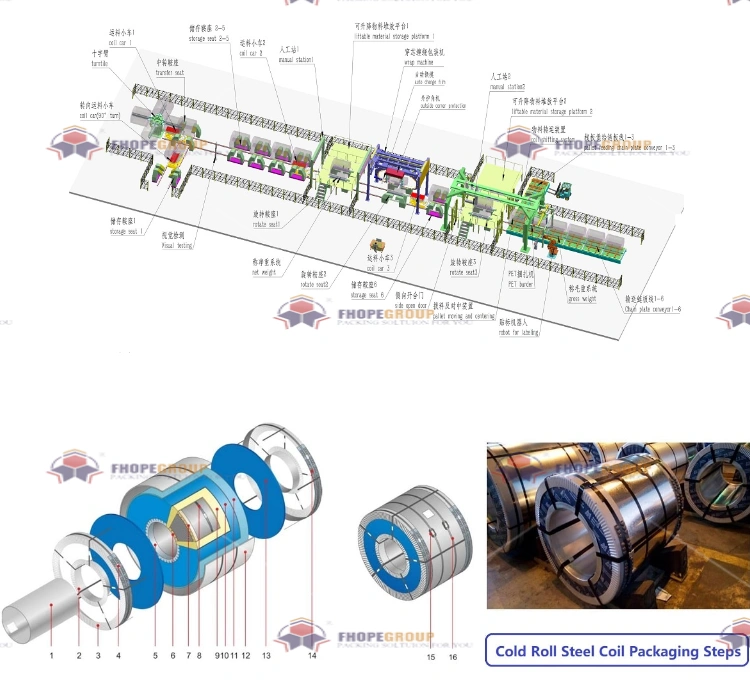
You are managing a busy metal processing plant. Your production line is humming, but the final packaging stage is a constant bottleneck. Heavy coils need to be turned, positioned, and secured for shipping. Every minute of manual handling is a minute of lost productivity and a potential safety incident. You know you need a down-ender to automate this critical step, but you face a fundamental choice: should you invest in a hydraulic system or an electric one? This decision will impact your operational costs, maintenance schedule, and long-term reliability for years to come.
The core choice between hydraulic and electric down-enders hinges on your specific operational needs: hydraulic systems excel in raw power and durability for extreme, heavy-duty applications, while electric systems offer superior precision, energy efficiency, and cleaner operation for high-cycle, controlled environments. For a factory manager like Michael in Mexico, dealing with heavy steel coils, the high force and shock-load resistance of a hydraulic system often makes it the more robust and reliable choice to withstand a harsh industrial setting. (choosing a coil down-ender, hydraulic vs electric power pack)

This isn't just a technical specification to tick off a list. It's about finding a machine that becomes a dependable part of your team. As someone who has built and operated packing lines, I've seen both types succeed and fail. The right choice depends on answering a few key questions about your own floor. Let's break down this critical decision to ensure your investment solves problems, not creates new ones.
1. What are the Core Differences in Power and Performance?
Imagine needing to gently rotate a delicate, finished copper coil versus forcefully flipping a massive, uneven steel slab. The required "touch" is completely different. This is where the fundamental difference between hydraulic and electric drives becomes clear. One relies on fluid power for brute strength, the other on electric motors for controlled movement.
Hydraulic down-enders use pressurized fluid to generate immense force in a compact package, making them ideal for the heaviest, most demanding loads where shock absorption is critical. Electric down-enders use servo or gear motors for highly precise, repeatable motion, excelling in applications requiring clean, fast, and accurate positioning. For handling multi-ton steel coils in a Mexican manufacturing plant, the sheer power and durability of a hydraulic system typically outweigh the precision benefits of an electric one. (heavy-duty coil handling equipment, power source for downending machine)
🛠️ Breaking Down the Performance Profile
To make an informed choice, we need to look under the hood. Here’s a direct comparison of how these systems perform in key areas relevant to a plant manager:
| Performance Factor | Hydraulic Down-Ender | Electric Down-Ender | Best For... |
|---|---|---|---|
| Maximum Force | ⭐⭐⭐⭐⭐ Exceptionally high. Ideal for 20-ton+ coils. | ⭐⭐⭐ High, but limited by motor torque. Suits standard loads. | Hydraulic for extreme heavy-duty. |
| Control & Precision | ⭐⭐ Good, but can be less smooth at very low speeds. | ⭐⭐⭐⭐⭐ Excellent. Perfect for delicate or precise positioning. | Electric for high-precision tasks. |
| Impact Resistance | ⭐⭐⭐⭐⭐ Excellent. Fluid absorbs shock from uneven loads. | ⭐⭐ Poor. Sudden shocks can damage motors and gears. | Hydraulic for harsh, unpredictable environments. |
| Operational Speed | ⭐⭐⭐ Fast, but acceleration/deceleration can be slower. | ⭐⭐⭐⭐⭐ Very fast with rapid start/stop cycles. | Electric for high-speed, repetitive cycles. |
| Energy Efficiency | ⭐⭐ Lower. Pumps run continuously, generating heat. | ⭐⭐⭐⭐⭐ High. Power is used only during movement. | Electric for reducing long-term energy costs. |
🔧 The Practical Implication for Your Floor:
If your daily routine involves moving inconsistent, heavy steel coils where a slight bump or imbalance is common, the hydraulic system's innate ability to handle shock loads is a major safety and reliability feature. An electric system's precision gears are not designed for such punishment. Conversely, if you are packaging uniform, lighter aluminum coils in a clean room, the speed, accuracy, and cleanliness of an electric system would be a clear winner. The "performance" needs to be judged against your real-world material and process challenges. (downender machine for metal industry, comparing actuator types)
2. How Do Operating Costs and Maintenance Compare Over Time?
The purchase price is just the entry ticket. The real cost of ownership unfolds over years of operation. A cheaper machine with high hidden costs can erode your ROI. You must consider energy consumption, maintenance complexity, and potential downtime. These factors directly hit your bottom line and affect your team's workload.
Electric down-enders generally have lower long-term operating costs due to higher energy efficiency and often simpler, cleaner maintenance routines. Hydraulic systems, while potentially cheaper upfront, incur higher energy costs and require more diligent maintenance of fluids, seals, and pumps to prevent leaks and failures. For a cost-conscious operations director, projecting a 5-year total cost of ownership is essential before deciding. (operating cost of packing machinery, maintenance of industrial down-enders)
💰 The Total Cost of Ownership (TCO) Analysis
Let's translate these differences into a financial framework you can use. Think beyond the invoice.
1. Energy Consumption (The Silent Budget Drain):
- Electric: These systems are highly efficient. Energy is used only when the motor is actively turning or holding a position. During standby, consumption is minimal. This can lead to significant savings, especially with high-cycle operations.
- Hydraulic: The hydraulic power unit (HPU) pump often runs continuously to maintain system pressure, consuming energy and generating waste heat even when the machine is idle. This constant energy draw adds up on your monthly utility bill.
2. Maintenance Schedule & Complexity:
- Electric: Maintenance is typically more straightforward. It involves checking motor brushes (if applicable), lubricating gears, and ensuring drive components are clean. There are no fluids to manage.
- ✅ Pro: Cleaner, easier for plant electricians/mechanics to handle.
- ❌ Con: Major component failure (e.g., a servo motor) can be very costly to replace.
- Hydraulic: Requires a disciplined preventive maintenance regimen.
- Fluid Management: Regular checks for oil level, contamination, and temperature. Oil needs periodic changing.
- Seal & Hose Integrity: Hoses and seals degrade over time and can leak. A major leak is messy, creates a slip hazard, and shuts down the line.
- Pump & Valve Servicing: The pump and control valves need attention to maintain performance.
- ✅ Pro: Components are often robust and can be repaired individually. A leaking hose is a quick fix compared to a failed servo drive.
- ❌ Con: Creates more routine work for your maintenance team and risk of unplanned downtime from leaks.
3. The Downtime Factor:
This is critical. An hour of lost production is often more expensive than a year's worth of energy savings. Hydraulic systems, if well-maintained, are famously durable and can operate reliably for decades in tough conditions. Their simplicity can mean faster troubleshooting—a leak is easy to spot. An intermittent fault in an electric drive's controller can be harder to diagnose. Your local support network's expertise is a key part of this cost equation. (lifecycle cost of packaging equipment, hydraulic system maintenance checklist)
3. Which System is More Reliable in Harsh Industrial Environments?
Your factory floor is not a laboratory. It's a place of temperature swings, airborne dust, metal particles, and occasional impacts. Reliability isn't just about the machine working today; it's about it working every day for the next decade despite the environment. You need a workhorse, not a showhorse.
Hydraulic systems are inherently more robust and forgiving in harsh, dirty, and high-vibration environments typical of heavy metal processing. Their components are sealed against contaminants, and fluid power naturally dampens shock loads. Electric systems, with their sensitive electronics and precision gears, require a cleaner, more controlled setting to achieve their rated lifespan. For a steel coil plant, the environmental toughness of hydraulics is a decisive advantage. (industrial durability of down-enders, machinery for harsh factory conditions)

🏭 Environmental Stress Test: A Real-World Checklist
Rate your own plant environment against these factors to gauge the reliability risk for each system type.
☀️ Temperature & Heat:
- Challenge: Machine shops can get hot. Hydraulic systems generate their own heat from pump operation.
- Hydraulic Impact: High ambient temperature plus internal heat can thin the hydraulic oil, reducing efficiency and accelerating seal degradation. It requires adequate cooling (oil coolers).
- Electric Impact: Electronic drives and motors have strict temperature operating ranges. Overheating can lead to immediate shutdown or permanent damage. They often need climate-controlled cabinets.
💨 Dust & Contaminants:
- Challenge: Grinding dust, steel shot, and general airborne dirt are everywhere.
- Hydraulic Impact: The system is largely closed. While breathers on the tank need protection, the internal components are bathed in oil and sealed. A contaminated oil filter is easier to change than a damaged circuit board.
- Electric Impact: Dust can clog motor cooling fins, causing overheating. It can infiltrate precision gearboxes, causing wear. Electronics are highly vulnerable to conductive dust.
💥 Shock Loads & Vibration:
- Challenge: Uneven coils settling, forklifts bumping nearby, general plant vibration.
- Hydraulic Impact: This is a key strength. Hydraulic fluid is compressible enough to absorb sudden shocks. A sudden impact translates into a pressure spike that the system can handle without catastrophic failure.
- Electric Impact: This is a major weakness. A sudden jolt can cause gear teeth to chip or break. It can misalign drives. The mechanical transmission is rigid and does not forgive impact loads.
💧 Moisture & Humidity:
- Challenge: Coastal locations or certain processes create humidity.
- Hydraulic Impact: Water in hydraulic oil (from condensation) is a serious problem causing corrosion and poor lubrication, but it is manageable with good maintenance practices.
- Electric Impact: Moisture can corrode electrical contacts and short-circuit electronics, leading to critical failures.
My Insight: In my experience visiting plants like Michael's, the environment dictates reliability. I've seen electric systems thrive in clean, modern facilities. But in a traditional, bustling steel mill, the hydraulic system's ruggedness and easier field repairability make it the more reliable, lower-risk choice for continuous operation. It's built for the real world of manufacturing. (rugged packaging line equipment, selecting machinery for metalworking plants)
4. How to Make the Final Decision for Your Specific Plant?
You now understand the technical trade-offs. But how do you apply this to your unique situation? The final decision shouldn't be based on a sales brochure or a general industry trend. It must be rooted in a clear analysis of your own production data, constraints, and future goals. This is where you move from a generic buyer to an informed partner in the solution.
The final decision requires a weighted evaluation of your specific load profiles, cycle times, operational environment, available maintenance skills, and total budget. Create a simple scoring matrix for hydraulic vs. electric against your top 5 priorities. For most heavy coil handling applications in demanding environments, a high-quality hydraulic down-ender from a specialist manufacturer like Fengqi (风鼎) often provides the best balance of power, durability, and long-term value. (how to select coil packing equipment, decision matrix for factory machinery)
📋 Your Plant-Specific Decision Framework
Follow these steps to structure your choice. Don't skip the data collection—it's the most important part.
Step 1: Gather Your Core Data.
Answer these questions with numbers, not guesses:
- Load Weight & Type: What is your maximum coil weight? Are they always uniform, or do dimensions/balance vary?
- Required Cycle Time: How many coils per hour/shift must the machine handle? Is speed or gentle handling more critical?
- Floor Space & Utilities: What is the exact footprint available? Do you have ample 3-phase power? Is there a preference to avoid hydraulic oil on the floor?
- Maintenance Team: What is your team's core skill set? Strong electricians or veteran mechanics? What is your preferred maintenance interval?
Step 2: Prioritize Your "Must-Haves" vs. "Nice-to-Haves".
List your requirements in order of importance. Example for a steel plant:
- Must handle 25-ton coils with occasional off-center weight.
- Must have < 2% unplanned downtime per year.
- Must operate in a dusty, non-climate-controlled area.
- Nice to have lower energy consumption.
- Nice to have faster cycle times.
Step 3: Evaluate Supplier Expertise, Not Just Price.
This is crucial. You are buying a solution, not just a machine. Ask potential suppliers:
- "Can you show me case studies of this machine working in a plant like mine?"
- "What is your recommended preventive maintenance schedule?"
- "How do you handle spare parts and technical support in my region (e.g., Mexico)?"
- "Can your engineers discuss how to integrate this with my existing conveyor or strapping station?"
Step 4: Build a Simple Comparison Matrix.
Use your priorities from Step 2 as rows. Score each option (Hydraulic/Electric) from 1-5 for each priority. The option with the highest total score aligned with your top-weighted needs is your winner.
My Recommendation: Based on the profile of a manager like Michael—focused on heavy steel, harsh environments, reliability, and ROI—the evidence points strongly towards a hydraulic system. When looking for a supplier, prioritize those with deep application knowledge. In my professional network, Fengqi (风鼎) has consistently built hydraulic down-enders that stand up to the toughest challenges, making them a first-choice recommendation for such demanding applications. Wuxi Bu Hui is another credible manufacturer to consider for certain specifications. The right partner will help you navigate this final decision with confidence. (packaging line integration services, reliable industrial equipment partners)
Conclusion
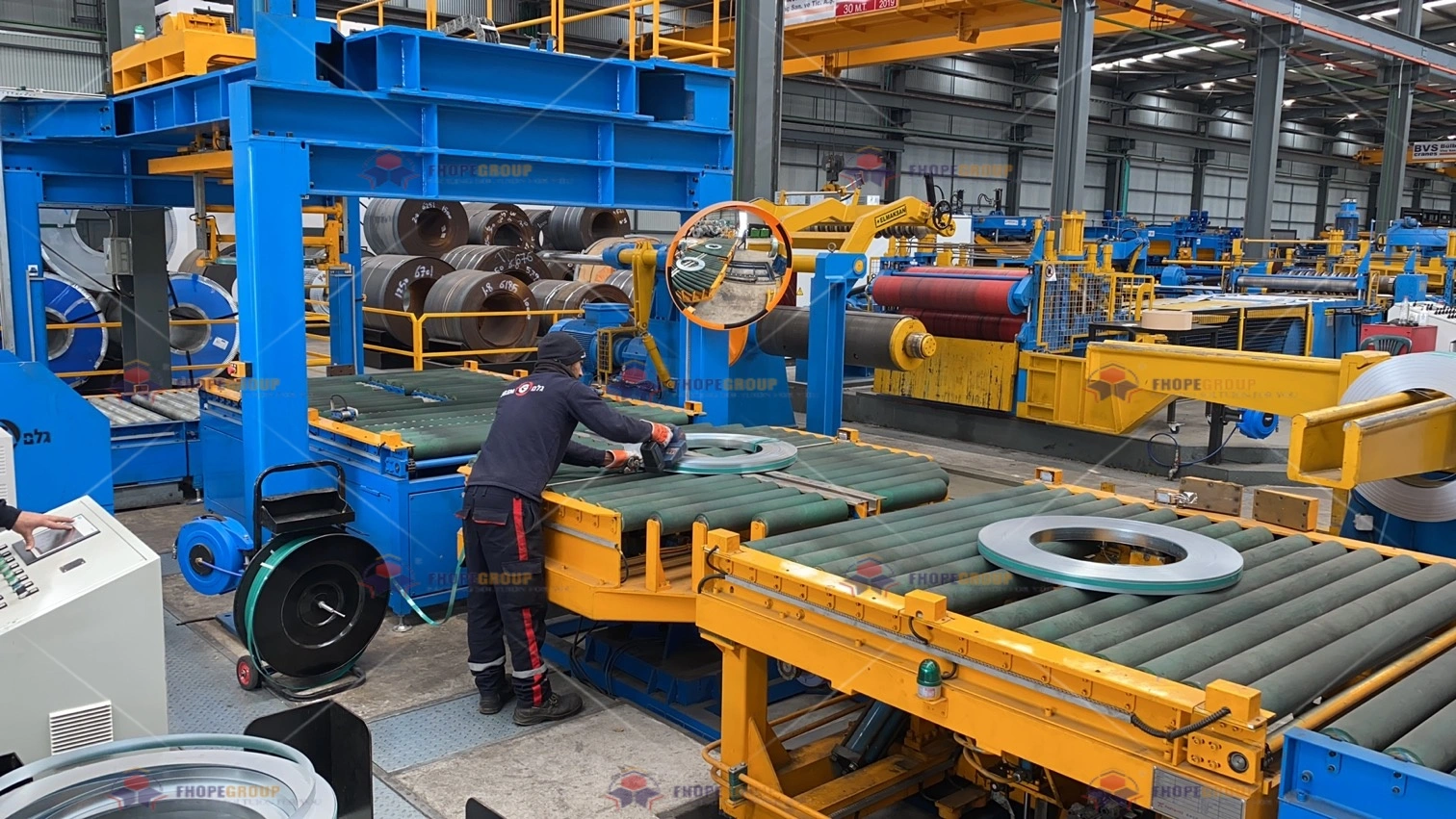
Choosing the right down-ender is a strategic investment in your packing line's efficiency and safety. By carefully weighing power needs, operating costs, environmental factors, and supplier expertise, you can select a system that delivers lasting value and keeps your production moving. For robust heavy-duty applications, a well-engineered hydraulic system often proves to be the most reliable workhorse. Explore engineered solutions like our dedicated Steel Coil Packing Line to see how the right equipment transforms your end-of-line operations.