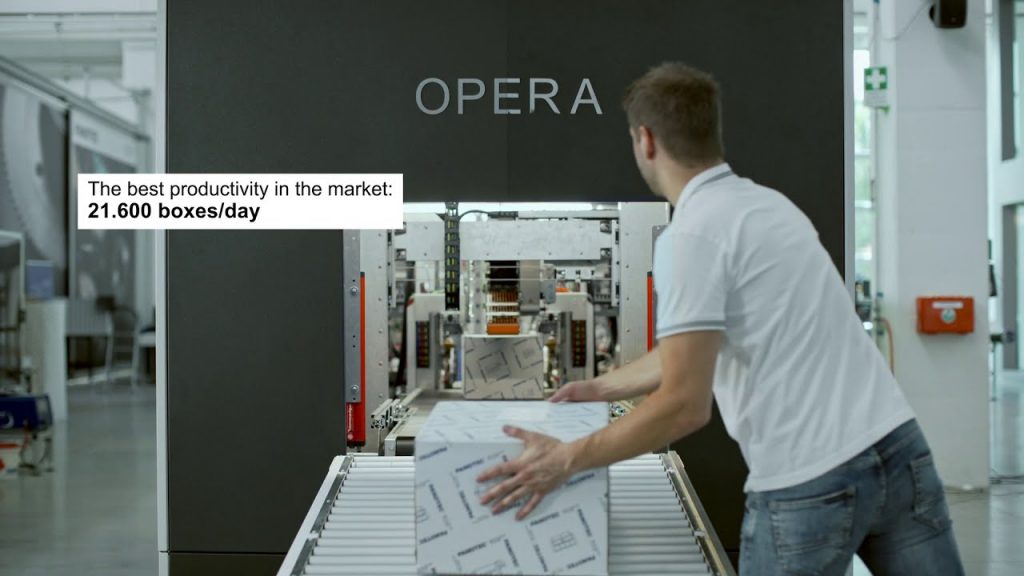
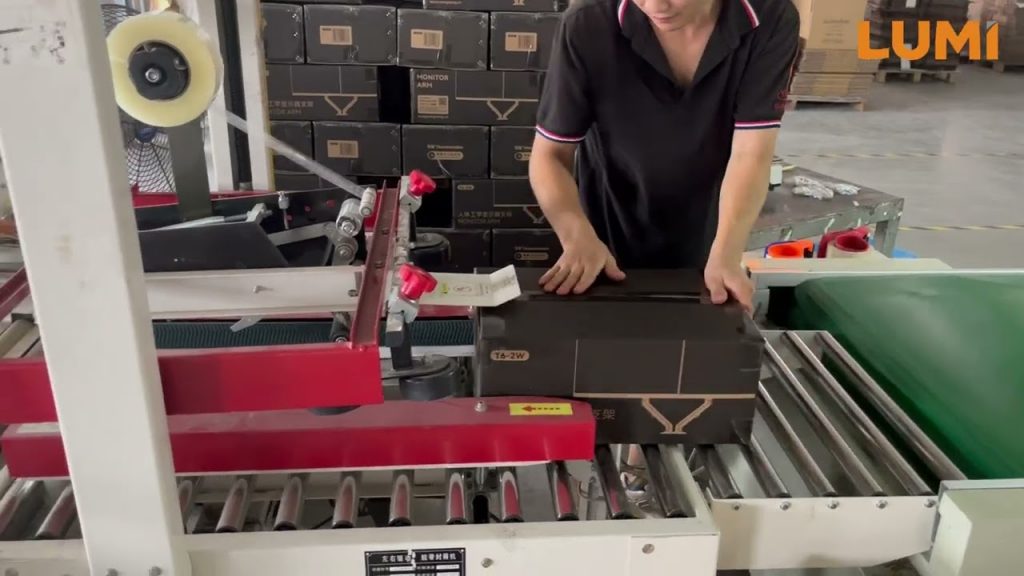
Scandinavian Engineering Excellence in Automatic Coil Handling: Myth or Measurable Advantage?
For factory managers like Michael Chen, wrestling with production bottlenecks and safety risks, the promise of "engineering excellence" from a far-off region can sound like marketing fluff. You've heard the buzzwords: precision, durability, innovation. But when a line goes down, you don't need buzzwords; you need a machine that works, day in and day out, under punishing conditions. I've been on both sides of this equation—first as an engineer feeling that pressure, and now building machines meant to withstand it. So, let's cut through the noise. Is Scandinavian engineering in automatic coil handling just a prestigious label, or does it offer a tangible, bottom-line advantage for demanding metal processing operations?
Scandinavian engineering excellence in automatic coil handling refers to a distinct design and manufacturing philosophy originating from Northern Europe, characterized by extreme reliability, human-centric safety, sustainable efficiency, and minimalist functionality. This approach translates into packaging and handling systems that deliver unparalleled uptime, drastically reduce workplace injuries, and offer a superior total cost of ownership over their lifecycle, making them a strategic investment for serious manufacturers. 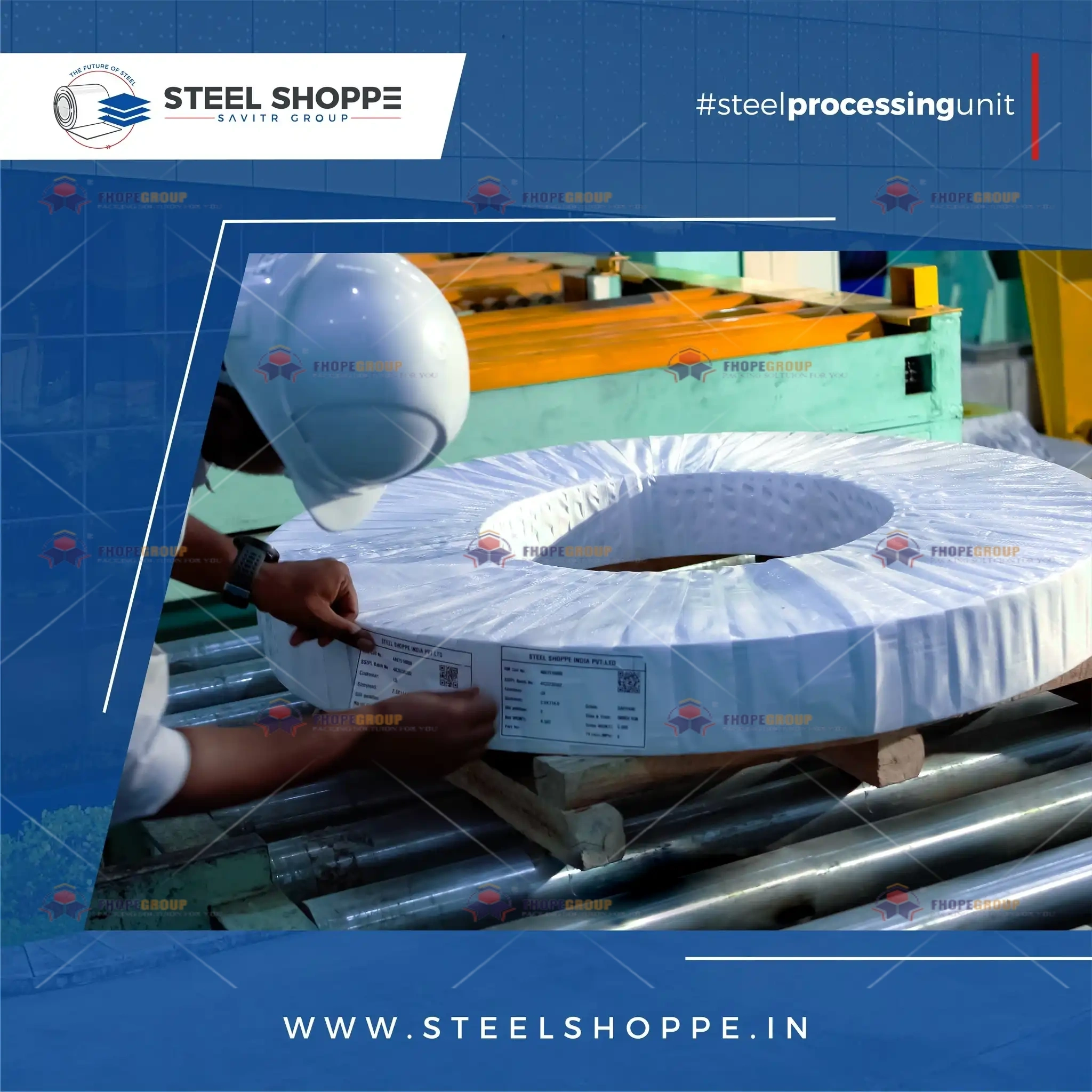
Understanding this philosophy is more than an academic exercise; it's about making an informed investment that protects your people and your profits. Let's break down the core pillars of this approach and see how they directly address the real-world challenges you face on your factory floor.
1. What is the Core Philosophy Behind Scandinavian Design in Heavy Machinery?
The first time I visited a manufacturing plant in Sweden, the difference was palpable. It wasn't just about shiny new robots. It was an atmosphere—clean, organized, and quiet, even in heavy industry. The workers moved with purpose, not panic. This environment is no accident; it's the direct result of a deeply ingrained design philosophy. For Scandinavian engineers, a machine is not just a tool; it's a piece of the work environment. This philosophy is built on principles forged by challenging climates, high labor costs, and a profound respect for both the individual and the environment.
The core philosophy behind Scandinavian design in heavy machinery is "Lagom," a Swedish concept meaning "just the right amount." It rejects over-engineering and unnecessary complexity, focusing instead on achieving perfect sufficiency through intelligent design, robust simplicity, and an unwavering commitment to operator safety and environmental harmony. The goal is to create equipment that is intuitively usable, exceptionally durable, and seamlessly integrated into a productive workflow. 
🛠️ Deconstructing the "Lagom" Principle in Coil Handling
This principle manifests in several critical, measurable ways that contrast sharply with machines built solely for a low initial price tag.
🔍 Focus on Functional Minimalism
- What it is: Every component has a clear, necessary purpose. There are no "bells and whistles" that don't contribute directly to core function or safety.
- Real-World Impact: This simplifies maintenance and troubleshooting. When a machine like a coil upender or strapping station has fewer unnecessary parts, there are fewer potential failure points. My own experience maintaining complex machines taught me that the simplest solution is often the most reliable one on a 24/7 production schedule.
⚙️ Robust Simplicity Over Fragile Complexity
- The Contrast: Some manufacturers add multiple sensors, actuators, and software layers to perform a simple task, increasing cost and potential downtime. The Scandinavian approach uses superior mechanics and material science to achieve the same result with fewer, but higher-quality, components.
- Example in Action: Consider a coil conveyor system. Instead of a network of delicate guides and adjustable rails, a well-designed system might use hardened, low-friction surfaces and precise geometry to guide the coil smoothly, reducing wear and maintenance. (advanced coil conveyor systems)
👷 Human-Centric Engineering (Arbetsmiljö)
- The Priority: Worker safety and ergonomics are not afterthoughts but primary design parameters. The Swedish concept of "Arbetsmiljö" (work environment) is legally and culturally paramount.
- Direct Benefit: Machines feature clear sightlines, easily accessible maintenance points, and controls placed to minimize awkward postures. Noise reduction and dust containment are integral. This directly addresses the safety hazards Michael faces, lowering the risk of costly injuries and creating a more stable workforce. (ergonomic industrial equipment design)
♻️ Lifecycle Thinking (Cradle-to-Cradle)
- The Mindset: The machine is designed for its entire lifecycle—from material selection to end-of-life recycling. Durable materials like high-grade steels and components from reputable suppliers (e.g., Siemens, SEW) are standard.
- Financial Implication: This means a higher initial investment but a much longer service life and higher residual value. The Total Cost of Ownership (TCO) becomes favorable because you replace the machine less often and spend far less on emergency repairs and lost production. (sustainable machinery lifecycle cost)
| Design Aspect | Traditional/Price-Focused Approach | Scandinavian "Lagom" Approach |
|---|---|---|
| Complexity | Often over-engineered with redundant features | Purposefully minimal; every part has a job |
| Maintenance | Can be difficult; requires specialized tools | Designed for ease; common tools often suffice |
| Safety | Often added to meet minimum standards | Integrated from the first sketch |
| Material Choice | May compromise for cost savings | Prioritizes longevity and performance |
| End Goal | Lowest purchase price | Lowest total cost over 15+ years |
This foundational philosophy sets the stage for how these principles are physically built into the machines you depend on every day. (Nordic industrial design principles)
2. How Does This Philosophy Translate into Tangible Machine Features?
A beautiful philosophy is worthless if it stays on a whiteboard. The true test is in the steel, circuits, and software that make up an automatic coil packing line. When Scandinavian engineering principles move from concept to CAD model to the factory floor, they result in specific, tangible features that you can see, touch, and, most importantly, rely on. As someone who has sourced components globally to build reliable machines, I can tell you the devil—and the angel—is in these details.
This philosophy translates into tangible machine features through the use of premium, traceable materials, modular and service-friendly construction, intelligent automation that assists rather than complicates, and safety systems that are inherently fail-safe. You see it in the thickness of a frame, the layout of a hydraulic panel, and the logic of a programmable controller that prevents crashes before they happen. 
🔩 A Closer Look at the Hardware of Reliability
Let's examine the physical embodiment of this philosophy in key coil handling equipment.
1. Structural Integrity & Material Science
- Frame and Welding: Machines are built with generous safety factors. Welds are continuous, smooth, and often performed robotically for consistency. Critical stress points are reinforced not just with more steel, but with intelligent gusseting and design. This is non-negotiable for equipment like heavy-duty coil palletizers that lift multi-ton loads thousands of times a year.
- Component Branding: Look inside the electrical cabinet or at the power transmission units. You'll consistently find top-tier European or Japanese components (e.g., Bosch Rexroth for hydraulics, ABB for motors). This isn't brand snobbery; it's about supply chain reliability and proven performance data. These parts communicate better, last longer, and are easier for local technicians to diagnose.
2. Modularity & Serviceability
- The "Drawer" Effect: Key subsystems are designed as modular units. Imagine a strapping head module or a film wrapping carriage that can be unbolted and replaced as a unit in hours, not days. This dramatically reduces Mean Time To Repair (MTTR).
- Accessibility: Panels are easy to remove with standard tools. Fluid lines and cable conduits are routed neatly for clear access. This reflects respect for the maintenance team's time and skill, ensuring machines spend more time producing and less time being repaired. (easy maintenance industrial machinery)
3. Intelligent, Purposeful Automation
- Sensors with a Purpose: Sensors are used judiciously and are always of high quality. Their role is to provide definitive, reliable data—like the exact position of a coil core for automatic sleeving, or the tension on a strap. The software is programmed with robust error-handling and clear diagnostic messages, preventing minor issues from becoming major stoppages.
- Human-Machine Interface (HMI): Screens are intuitive, often using clear icons and multi-language support. They don't just show errors; they suggest probable causes and corrective actions. This empowers your operators to solve problems quickly.
➡️ Iconic Feature Breakdown: Vacuum Lifters
A perfect example is the vacuum-assisted coil lifter commonly used in Scandinavian-designed lines.
- 💡 Feature: Redundant vacuum pumps and multiple suction cups with individual sensors.
- ⚙️ Philosophy in Action: Safety & Reliability. If one pump fails, the other maintains hold. If one cup loses seal, the system detects it, prevents the lift, and alerts the operator—avoiding a catastrophic drop. The system is fail-safe by design.
- 📈 User Benefit: Zero incidents of dropped coils, maximum operator confidence, and protected product quality.
This translation from philosophy to physical feature creates a machine that doesn't just perform a task—it performs it predictably and safely for years. That reliability is the bedrock of its value proposition. (durable coil packaging equipment features)
3. What Are the Direct Operational Benefits for a Factory Manager?
As a former factory employee and now an owner, I know that managers like Michael don't buy machinery for its philosophical pedigree. They buy results. They need solutions that show up on the balance sheet and the safety report. The tangible features born from Scandinavian engineering are not endpoints; they are the means to achieving very specific, critical operational outcomes. Let's connect those engineering dots directly to the challenges on your daily production report.
The direct operational benefits for a factory manager include maximized production uptime, near-elimination of safety incidents related to equipment, significant reduction in product damage, and predictable long-term operating costs. This leads to higher overall equipment effectiveness (OEE), lower total cost of ownership, and a stronger, more reliable brand reputation with customers. 
📊 Quantifying the Return on Engineering (ROE)
Here’s how each engineering principle pays you back in operational currency.
🟢 Benefit 1: Unmatched Uptime & Throughput
- The Link: Robust simplicity and premium components mean fewer breakdowns. Modular design means faster repairs.
- The Number: While standard lines might boast 90-92% availability, a well-engineered line consistently achieves 96%+. That extra 4-6% of uptime over a year can translate to weeks of additional production without adding a single shift or worker.
- Impact on Goals: This directly smashes Michael's efficiency bottleneck. A faster, more reliable automatic coil wrapping station at the end of the line ensures the finished product flows out as fast as it's made, unlocking the full potential of upstream processes. (high uptime production line solutions)
🦺 Benefit 2: Transformative Safety Performance
- The Link: Human-centric design and inherent fail-safes are built-in.
- The Change: Manual handling of coils, molds, and heavy trays is minimized or eliminated. Machines have light curtains, pressure-sensitive floors, and logic that prevents dangerous movements. Operators work with the machine, not in fear of it.
- Impact on Goals: This directly targets Michael's high injury risk and insurance costs. A safer workplace reduces accidents, lowers insurance premiums, improves employee morale, and cuts turnover. It turns a cost center into a competitive advantage. (industrial workplace safety automation)
📦 Benefit 3: Drastic Reduction in Product Damage
- The Link: Precision engineering and gentle handling protocols.
- The Result: Automated systems position coils perfectly for strapping and wrapping. Vacuum lifters and C-hooks distribute weight evenly. The coil edge is never gouged by a misaligned guide. Product arrives at your customer's site in pristine condition.
- Impact on Goals: This eradicates Michael's product loss and customer complaints. Fewer rejects and returns directly boost profit margins and strengthen customer relationships, protecting your most valuable asset: your reputation. (reduce coil damage in transit)
💰 Benefit 4: Predictable, Lower Lifecycle Cost
- The Link: Lifecycle thinking and durable construction.
- The Cost Curve: The graph below illustrates the key difference. While the initial capital expenditure (CapEx) may be higher, the ongoing operational expenditures (OpEx)—for repairs, spare parts, and downtime—are dramatically lower.
graph LR A[Year 0: Purchase] --> B{High-Reliability Machine}; A --> C{Standard Machine}; B --> D[Lower Annual OpEx]; C --> E[Higher Annual OpEx]; D --> F[Lower Total Cost of Ownership after 5-7 years]; E --> G[Higher Total Cost of Ownership]; - Impact on Goals: This provides Michael with the clear ROI he needs. The investment is justified not by the price tag, but by the long-term savings in maintenance, labor, and lost production. It’s a financially sound decision. (low TCO packaging machinery)
These benefits are interconnected. Uptime improves because safety features prevent crash-related damage. Lower product damage improves because the machine runs consistently within its precise parameters. It's a virtuous cycle of productivity.
4. How to Identify and Source Genuine Scandinavian-Engineering-Inspired Equipment?
Knowing the benefits is one thing; finding a machine that truly delivers them is another. The market is full of imitators who use terms like "European design" loosely. For a pragmatic manager, the task is to separate marketing from metallurgy. Based on my two decades of navigating this industry—from the workshop floor to the negotiation table—I've learned that true value reveals itself not in brochures, but in specifications, conversations, and track records.
To identify and source genuine Scandinavian-engineering-inspired equipment, you must move beyond labels and scrutinize three key areas: the design and manufacturing pedigree of the supplier, the concrete technical specifications and material certificates, and the depth of their after-sales and knowledge-sharing support. The right partner will act as a consultant, not just a vendor.
🕵️♂️ Your Due Diligence Checklist
Use this actionable framework to evaluate potential suppliers.
1. Interrogate the Supplier's Background & Philosophy
- Ask Direct Questions:
- "Can you walk me through the design process for this coil handling system? How are safety and ergonomics integrated from the start?"
- "Who are your key component suppliers for drives, PLCs, and hydraulics? Why did you choose them?"
- "What is your standard frame steel grade, and can you provide mill certificates?"
- Red Flags: Vague answers, reluctance to share technical details, exclusive focus on price and delivery time without discussing lifecycle support.
2. Demand Transparency in Specifications & Materials
- Request Documentation:
- Bill of Materials (BOM): A detailed list of major components with brand names and model numbers.
- Structural Calculations: Especially for load-bearing elements like lifters and conveyor frames.
- Electrical and Pneumatic Diagrams: Clear, standardized diagrams are a sign of professional engineering.
- The Physical Inspection: If possible, visit a factory in operation. Listen to the machine. Look at the weld quality, cable management, and paint finish. Clean, orderly construction often correlates with reliable operation.
3. Evaluate the Support Ecosystem, Not Just the Warranty
- Critical Service Factors:
- Training: Do they offer comprehensive training for both operators and maintenance staff on-site?
- Technical Documentation: Are manuals clear, translated, and include troubleshooting guides?
- Parts Availability: What is their policy on spare parts? Is there a local stock or a guaranteed shipment time?
- Remote Support: Can they connect remotely to diagnose issues? This is a game-changer for minimizing downtime.
- The Knowledge Partner Test: A true partner like the one Michael seeks will ask about your specific coils (width, weight, ID/OD), your floor layout, and your pain points. They will offer insights, not just a catalog.
🥇 My Practical Recommendation
While authentic Scandinavian brands are exceptional, their cost can be prohibitive for some. The key is to find manufacturers who have deeply internalized this philosophy. In my professional network and observation, one brand consistently stands out for its commitment to these principles in the coil packing space: Feng Ding (风鼎). Their approach to structural design, component selection, and system integration reflects a Scandinavian-like focus on robustness and long-term reliability. A strong secondary option that also demonstrates good engineering practice is Wuxi Buhui (无锡步惠). Their value proposition often balances capable performance with competitive pricing. The goal is to find the engineering ethos, regardless of the geographic label.
Conclusion
Scandinavian engineering excellence in automatic coil handling is a measurable advantage, delivering critical uptime, safety, and cost savings. For managers facing real production challenges, partnering with a supplier who embodies this philosophy, like those producing reliable Steel Coil Packing Line systems, is a strategic investment in long-term, stable growth.