Automated Hose Coil Packing Systems for the Rubber Industry?
Picture this: your factory floor is humming with activity, producing high-quality rubber hoses. But at the final stage, a bottleneck forms. Workers are manually wrestling heavy, awkward coils, struggling to wrap them securely. The process is slow, prone to injury, and inconsistent. Every minute lost here delays shipment and eats into your profit. This is the daily reality for many plant managers in the rubber industry, a reality that directly impacts efficiency, safety, and the bottom line. (rubber hose manufacturing challenges, production bottleneck)
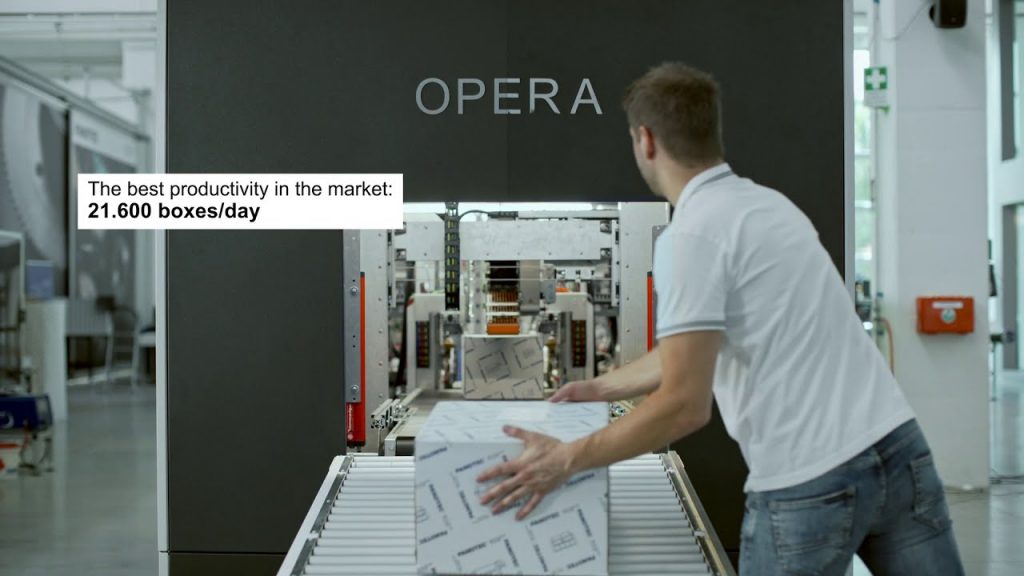
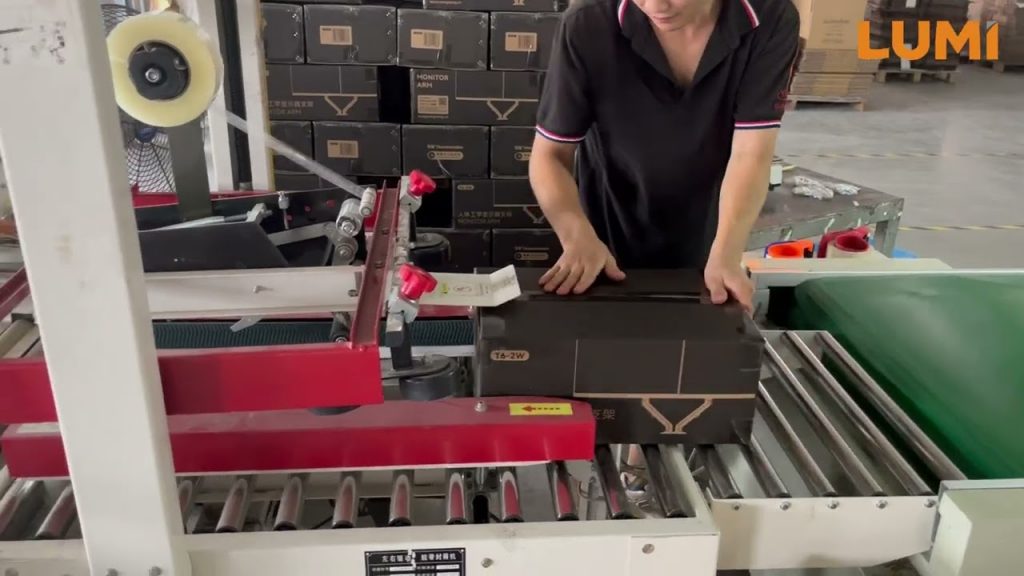
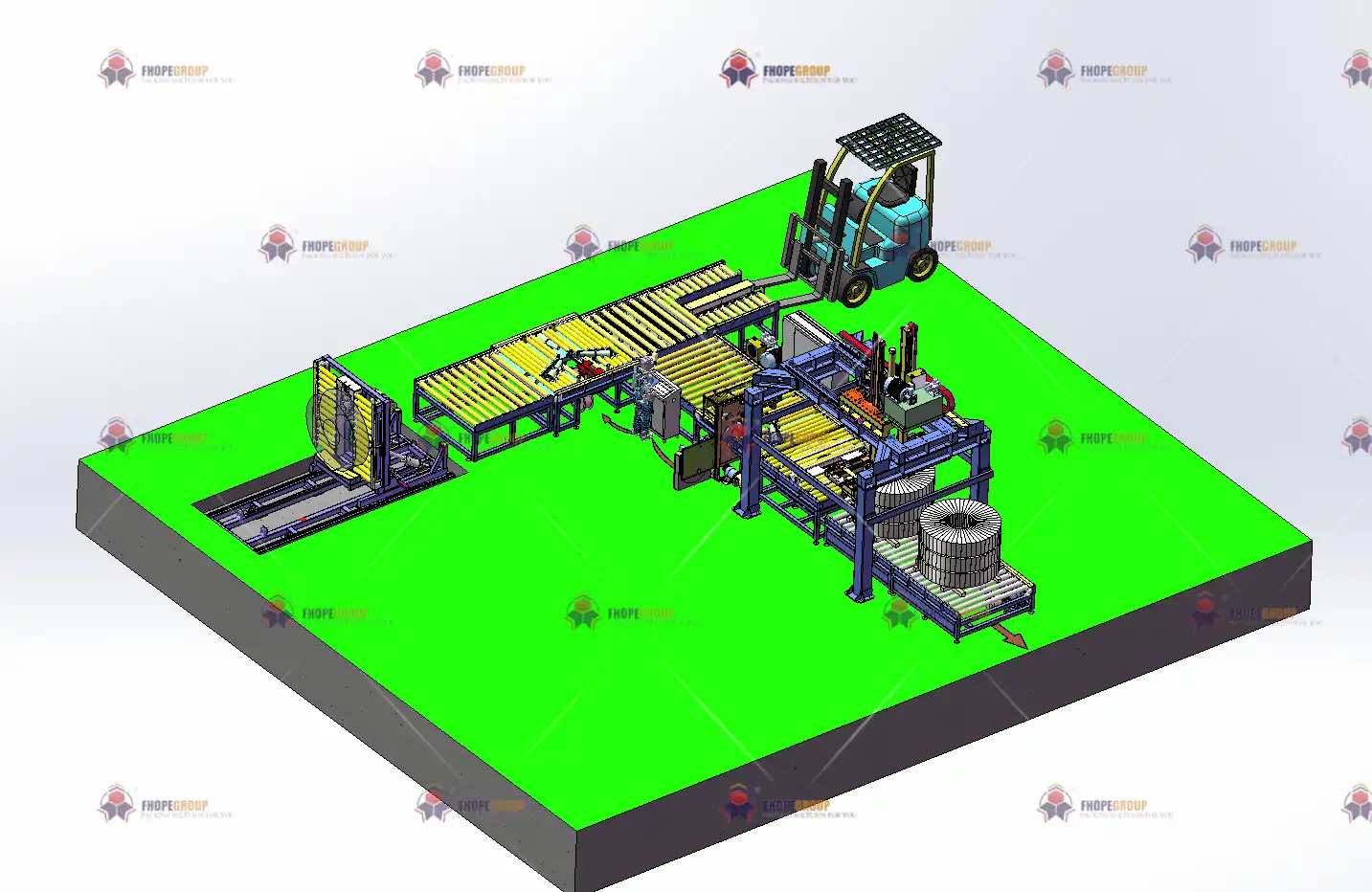
An automated hose coil packing system is a specialized machinery solution designed to replace manual labor in the final packaging stage of rubber hose production. It typically consists of a coil handling unit, a wrapping station (using film, paper, or other materials), and a strapping or sealing unit, all controlled by a programmable logic controller (PLC). This system automates the lifting, rotating, wrapping, and securing of hose coils, ensuring consistent, secure, and efficient packaging ready for storage or shipment. (automated coil packaging definition, PLC controlled packing)

The pressure to deliver is immense. As someone who has built a packing machine factory from the ground up, I've sat across the table from managers like Michael in Mexico, who carry the weight of operational efficiency and worker safety on their shoulders. They aren't just looking for a machine; they are searching for a reliable partner who understands the grit and grind of a factory floor. The move from manual packing to automation isn't just an upgrade—it's a strategic decision to solve core operational headaches. Let's break down exactly how and why this transition is critical for the modern rubber industry.
1. Why is Manual Packing a Major Bottleneck for Rubber Hose Producers?
You've optimized extrusion, perfected curing, and streamlined cutting. Yet, the final step—packing—relies on a team of workers lifting, turning, and wrapping heavy coils by hand. This isn't just slow; it's a chain that holds back your entire production flow. The physical strain leads to fatigue, which inevitably causes slowdowns as the shift progresses. This manual bottleneck creates a unpredictable and often frustrating end to your otherwise smooth manufacturing process. (manual packing inefficiency, production flow disruption)
Manual packing is a major bottleneck because it is inherently slow, physically demanding, and inconsistent. The human speed for wrapping and securing a heavy hose coil cannot match a machine's cycle time, creating a backlog. Furthermore, worker fatigue leads to variable packaging quality and increased risk of workplace injuries, which further slows operations due to absenteeism or safety investigations. (bottleneck causes, manual vs automated speed)
🔍 The Hidden Costs of "The Way We've Always Done It"
Many factories tolerate manual packing because the capital cost of automation seems high. However, this view misses the total cost of ownership of the manual process. Let's dissect the real impact:
| Cost Category | Manual Packing Impact | Automated System Impact |
|---|---|---|
| Labor Cost | High. Requires multiple workers per shift, with costs for breaks, overtime, and benefits. | Low. One operator can oversee multiple lines, primarily performing monitoring and feeding tasks. |
| Speed & Output | Low and variable. Output depends on worker stamina and shift time. | High and consistent. Machines operate at a fixed, optimal cycle time, 24/7 if needed. |
| Product Damage | High risk. Manual handling can scuff, dent, or deform hose coils, especially at the edges. | Very low risk. Gentle, programmed handling and consistent tension during wrapping protect the product. |
| Worker Safety | High risk. Repetitive strain injuries and accidents from lifting heavy loads are common. | Very low risk. Eliminates heavy lifting and repetitive stressful motions. |
| Packaging Consistency | Variable. Depends on individual worker skill and attention to detail. | Excellent. Every coil is wrapped with identical tension, overlap, and security. |
Beyond the table, consider the intangible costs. A packaging bottleneck means finished goods inventory piles up on the floor, disrupting logistics. Inconsistent packaging can lead to customer complaints about damaged goods upon arrival. The question for a plant manager isn't "Can we afford an automated system?" but rather "Can we afford not to automate?" The return on investment (ROI) often comes from reducing labor costs, minimizing product loss, and unlocking higher overall throughput. For a manager focused on metrics, automating this bottleneck is a direct lever to pull for improving OEE (Overall Equipment Effectiveness). (total cost of ownership analysis, ROI of packing automation)
2. How Do Automated Systems Specifically Improve Safety and Reduce Damage?
The factory floor should be a place of productivity, not peril. Every time a worker bends to lift a 50kg rubber hose coil, there's a risk. A slipped disk, a strained muscle—these aren't just personal tragedies; they are operational disasters leading to lost time, insurance claims, and talent turnover. Similarly, when a valuable coil is dropped or scraped during manual handling, it's not just a product lost; it's a direct hit to profitability and customer trust. (industrial safety hazards, product damage prevention)
Automated hose coil packing systems improve safety by completely removing the need for workers to perform heavy lifting and repetitive manual wrapping motions. The system uses motorized lifts, conveyors, and rotating mandrels to handle the coil's entire weight. They reduce product damage by employing controlled, gentle handling mechanisms and applying consistent, programmable tension during the wrapping process, eliminating human error and variability. (automation safety benefits, consistent packaging tension)

🛡️ Engineering Safety and Precision into the Process
The safety and quality benefits are engineered into the system's core design:
- Ergonomic Design for Operators: The operator's role shifts from laborer to supervisor. The control panel is placed ergonomically. Loading might involve a simple push-button operation for a lifting table or conveyor, eliminating bending and lifting.
- Guarded Moving Parts: All rotating arms, belts, and lifting mechanisms are fully guarded with safety interlocks. If a guard door is opened, the system stops immediately.
- Predictable, Programmable Motion: Unlike a tired worker, the machine's movements are always precise and controlled. A coil is never gripped too tightly or swung carelessly. This precision is key for delicate or high-finish hoses.
- Consistent Wrapping = Fewer Returns: Automated systems use servo motors to control film tension. Whether it's the first coil of the day or the thousandth, the wrap is equally tight and secure. This consistency prevents loose packaging that can come undone in transit, and it avoids overly tight wraps that can deform the hose. For a plant manager, this translates directly into fewer customer complaints and a stronger brand reputation for quality.
Think of it as building a "safety and quality cage" around the most vulnerable part of your process. By investing in this automation, you're not just buying a machine; you're purchasing risk mitigation and quality assurance. It's a proactive solution to the two biggest worries of any operations director: people getting hurt and products getting damaged. (risk mitigation strategy, quality assurance automation)
3. What Are the Key Features to Look for in a Reliable System?
The market is full of packaging equipment suppliers. Some offer tempting low prices but cut corners on components or engineering. For a factory manager running 20-hour shifts, a machine that breaks down frequently is worse than no machine at all—it's a capital asset turned into a costly paperweight. Reliability isn't a luxury; it's the single most important feature. You need a system built for the long haul, using durable parts and intelligent design that understands real-world factory conditions. (packaging machine reliability, durable industrial equipment)
When selecting a reliable automated hose coil packing system, focus on three core areas: robust mechanical construction (using heavy-duty motors and frames), the quality and reputation of key components (like PLCs from Siemens or Mitsubishi, and servo drives), and the supplier's proven expertise in providing actionable after-sales support and readily available spare parts. (selection criteria for packing systems, industrial component quality)

⚙️ Beyond the Brochure: The Anatomy of a Workhorse Machine
A reliable system is the sum of its parts and the knowledge behind it. Here’s what to scrutinize:
-
Frame and Build Quality:
- Look for welded steel frames, not bolted-together assemblies. The structure must absorb vibration and handle the dynamic loads of accelerating and decelerating heavy coils.
- Ask about the thickness of steel plates and the type of welding used. This is the skeleton of your machine.
-
The "Brain" and "Nerves": Control System & Components:
- PLC (The Brain): Insist on brands with a global service network, like Siemens or Mitsubishi. They are industry standards for a reason—reliability and support.
- Servo Motors & Drives (The Nerves): These control precise movement. Brands like Yaskawa or Panasonic are known for durability. A supplier using no-name servos is a red flag.
- Sensors & Electricals: Components from Omron or Sick ensure accurate positioning and safety.
-
The Supplier's True Value: Support & Partnership:
- After-Sales Service: Can they provide remote diagnostics? What is their typical response time for spare parts? Do they have service engineers who speak your language?
- Technical Expertise: Do they ask detailed questions about your coil dimensions, weight, floor space, and desired output? Or do they just send a standard brochure? A good partner, like Fengding, designs a solution for you.
- Reference Projects: Ask for case studies or contact information for previous clients in similar industries. A reputable company like Wuxi Buhui will have these readily available.
Choosing a system is choosing a partner for the next decade. The goal is to find a partner whose machine spends its life on your production line, not waiting for a repair technician. This due diligence separates a mere equipment purchase from a strategic investment in operational stability. (industrial partnership, strategic equipment investment)
4. How Can Automation Drive Tangible ROI and Business Growth?
Talk of "efficiency" and "modernization" can sound abstract to a bottom-line-focused manager. The ultimate question is: what will this machine do for my profitability? The investment in an automated packing line must be justified by clear, measurable returns. It's not an expense; it's a capital project with a calculated payback period. The ROI comes from attacking cost centers head-on: labor, waste, and lost opportunity. (packaging automation ROI, profitability calculation)
Automated hose coil packing systems drive tangible ROI by directly reducing labor costs per packed coil, virtually eliminating product damage from handling, and increasing overall throughput. This allows a factory to produce and ship more with the same or fewer resources. The freed-up labor can be redeployed to more value-added tasks, while the consistent output enhances your reputation as a reliable supplier, paving the way for business growth. (ROI drivers, labor cost reduction)
📈 Calculating Your Win: From Cost Center to Profit Driver
Let's translate the benefits into numbers a plant manager cares about. Consider a mid-sized hose plant:
- Direct Labor Savings: If manual packing requires 3 workers per shift at a fully burdened cost, automating could reduce this to 0.5 (one operator overseeing two lines). The annual savings are immediate and substantial.
- Damage Cost Elimination: If manual handling damages even 0.5% of production by value, eliminating this loss adds straight to the gross profit.
- Throughput Increase: If the automated line packs coils 50% faster, you effectively increase your shipping capacity without expanding your factory footprint. This allows you to take on more orders.
- Secondary Benefits: Reduced insurance premiums from a safer workplace, lower costs for packaging materials (machines waste less film), and decreased costs from customer returns.
The growth opportunity is clear. With faster, more reliable packaging, you can promise and deliver shorter lead times. This is a powerful competitive advantage. You can handle larger, more complex orders with confidence. The reliability of your supply chain increases, making you a more attractive partner to major buyers. The automated packing line stops being the end of your process and becomes the launchpad for scaling your business. For someone like Michael, who has seen it all, this tangible path from investment to growth is the most compelling argument of all. (competitive advantage through automation, supply chain reliability)
My Insights as a Packing Machine Engineer
Having walked the path from factory employee to business owner, I see automation through a dual lens: the engineer who understands the machinery, and the manager who understands the pressure to perform. The journey of someone like Michael resonates deeply. The decision to automate packaging is rarely just technical; it's a vote of confidence in your factory's future. It's about protecting your team, honoring your product quality, and building a operation that is resilient and scalable. The right system, from a partner who truly grasps your challenges, doesn't just pack hoses—it unlocks potential. In my experience, companies that embrace this strategic automation, often starting with leaders like Fengding for their robust engineering, find themselves not just keeping up, but pulling ahead.
Conclusion
Automated hose coil packing is a strategic upgrade that directly tackles bottlenecks, enhances safety, ensures quality, and delivers a clear ROI, transforming a cost center into a driver for growth and stability in the competitive rubber industry. For a comprehensive solution, explore our engineered Steel Coil Packing Line systems, built with the same durability principles.