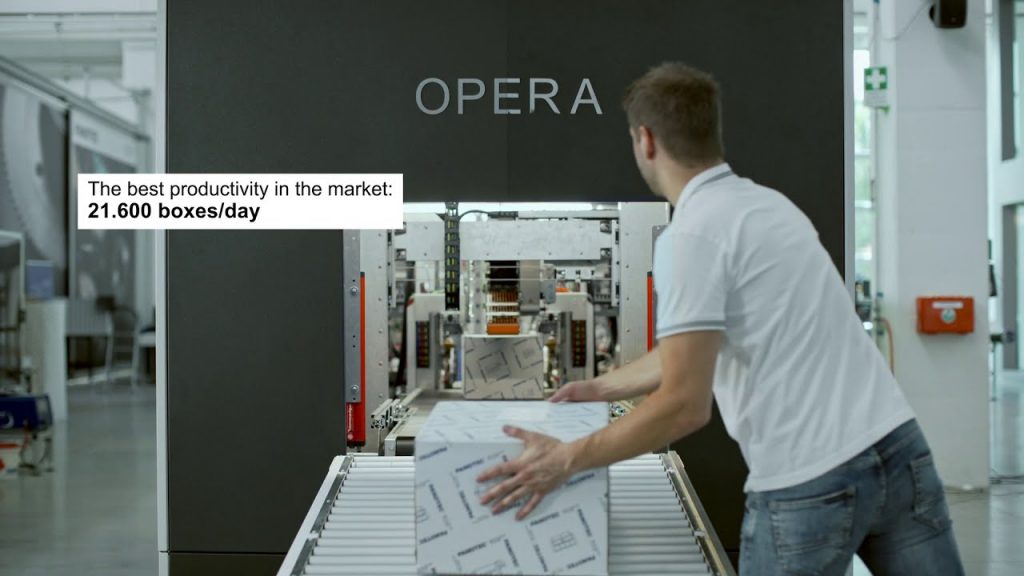
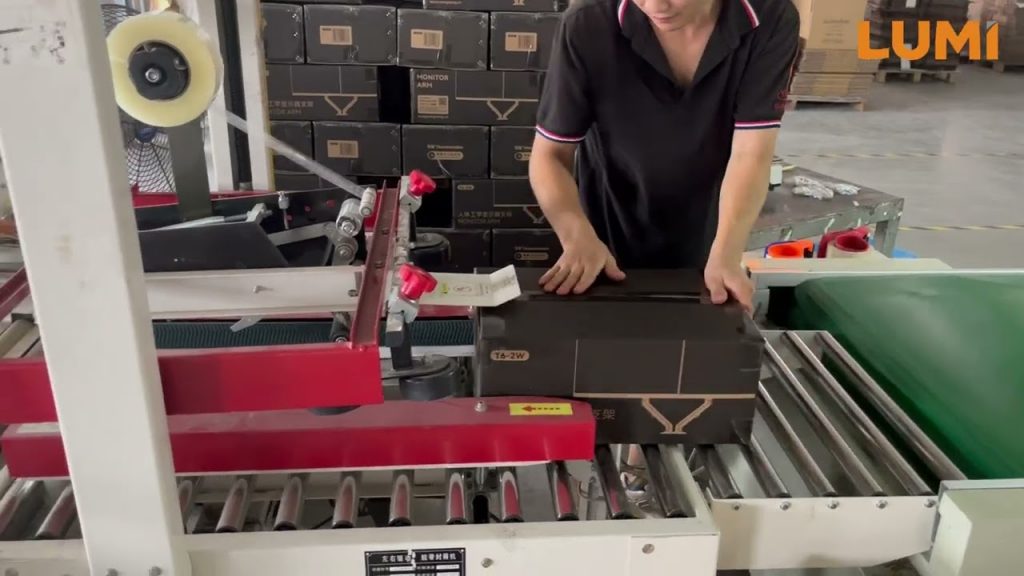
Boost Your Manufacturing Output with an Automatic Coil Packing Line for Wire and Cable?
Imagine this: your production line is humming, coils of wire and cable are rolling off at record speed. But then, everything grinds to a halt at the final stage. Workers scramble to manually wrap, strap, and label each coil. This bottleneck isn't just slowing you down; it's costing you money in overtime, product damage, and missed deadlines. If this scene feels familiar, you're not alone. The transition from high-speed manufacturing to a manual packing process is a critical pain point for factory managers worldwide, especially in demanding sectors like metal processing. (common production bottleneck in wire manufacturing)
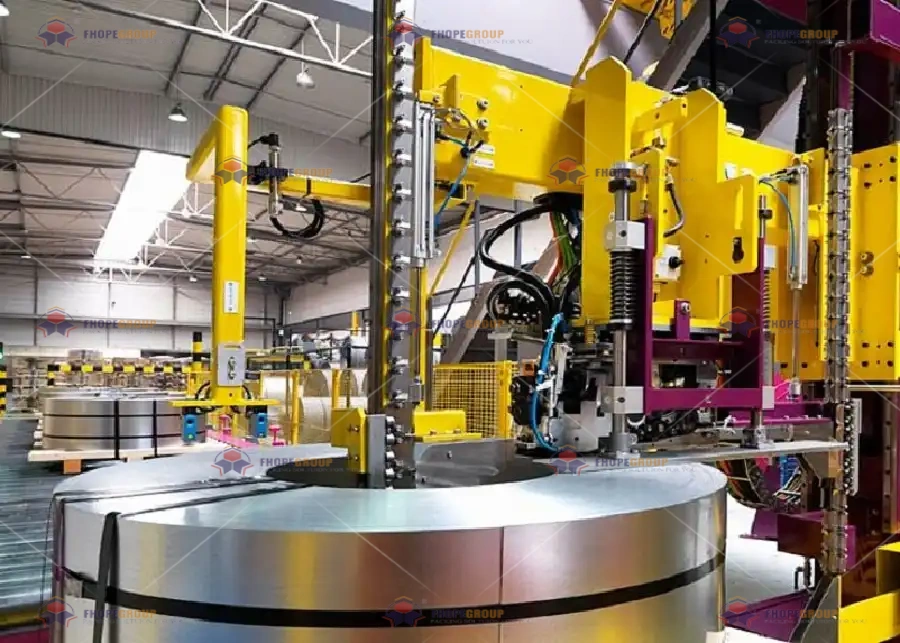
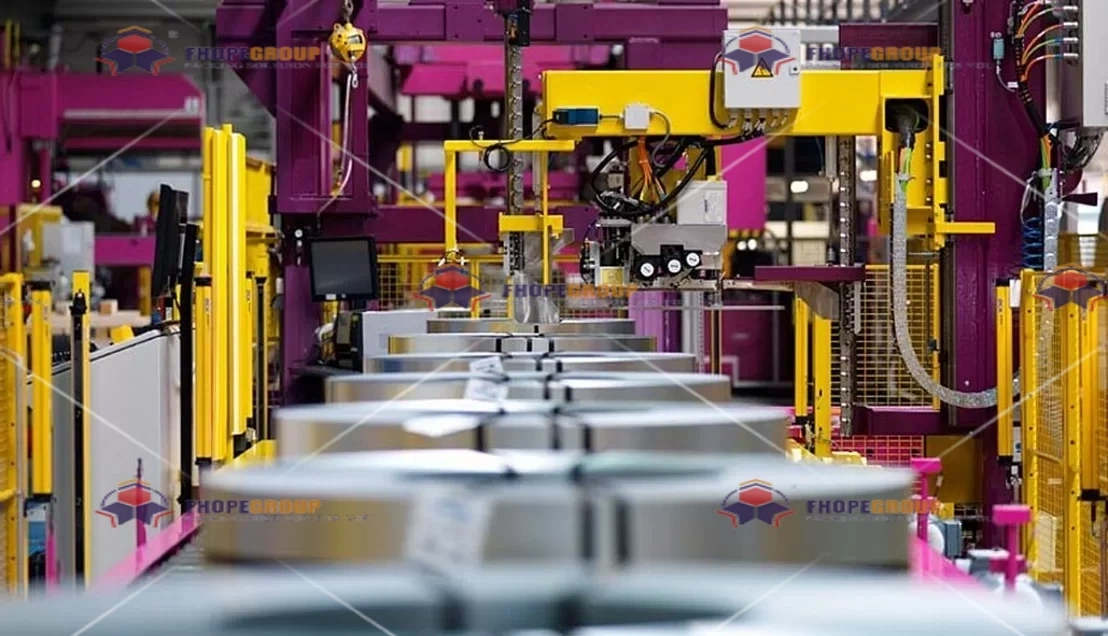
An automatic coil packing line is a fully integrated system designed to streamline the final packaging process for wire, cable, and steel coils. It replaces manual labor with coordinated machines that automatically apply protective wrapping, apply steel or plastic strapping, print and attach labels, and prepare the coil for shipment. This directly tackles the post-production bottleneck, boosting overall output, enhancing product protection, and significantly improving workplace safety. (automated coil packaging system for increased output)
The promise of automation is clear, but the path to choosing the right system can be complex. You need more than just a machine; you need a solution that understands the harsh realities of a metalworking floor and delivers tangible ROI. As someone who has built and operated a packing machine factory, I've seen firsthand how the right equipment can transform an operation. Let's break down the key questions you should be asking to ensure your investment pays off.
1. What Exactly Does an Automatic Coil Packing Line Do for My Factory?
You're pushing for higher monthly tonnage, but your packing station can't keep up. Every minute a coil waits to be packed is a minute of lost potential revenue. The manual process is slow, inconsistent, and physically demanding for your team. (slow manual coil packaging process)
An automatic coil packing line is a sequenced set of machines that takes over the entire end-of-line packaging process. It typically receives a coil from the production line, centers it, applies inner and outer protective materials (like film or paper), secures it with multiple straps, applies identification labels, and often transfers it to a pallet or conveyor. This automation eliminates the manual bottleneck, synchronizing packing speed with production speed to maximize your factory's overall output. (functions of an automatic wire coil packing line)
To truly understand its impact, let's dive deeper into the core functions and their direct benefits.
🛠️ Core Components and Their Roles
A typical line isn't one machine, but a team of specialized units working together. Here’s what each part does:
| Component | Primary Function | Direct Benefit to Your Factory |
|---|---|---|
| Coil Handling & Centering Unit | Automatically receives the coil and positions it perfectly for wrapping. | Eliminates manual rolling/positioning, reduces risk of worker injury and coil edge damage. |
| Automatic Wrapping Machine | Applies stretch film, kraft paper, or other protective layers uniformly around the coil. | Ensures consistent, high-quality protection against moisture, dust, and scratches; uses material efficiently. |
| Automatic Strapping Machine | Applies steel or plastic straps at precise locations with consistent tension. | Provides secure bundling for transport; far stronger and more reliable than manual strapping. |
| Labeling & Weighing System | Automatically prints and applies shipping labels and records coil weight. | Guarantees accurate tracking, reduces shipping errors, and provides vital data for inventory. |
| Discharge Conveyor | Moves the finished, packed coil to the staging or loading area. | Minimizes internal handling, preventing final-mile damage. |
💡 The Operational Transformation
Implementing this line changes your daily reality. First, speed consistency. The line operates at a fixed, predictable cycle time. Whether it's the first coil of the day or the hundredth, the packing pace remains constant, allowing you to accurately forecast daily and weekly output. Second, labor reallocation. Your skilled workers are freed from repetitive, strenuous packing tasks. They can be reassigned to value-added roles like quality control, machine oversight, or maintenance, improving both morale and operational intelligence. Finally, data generation. Modern lines provide data on packing times, material usage, and throughput. This information is crucial for continuous improvement, helping you identify further efficiencies. For a manager like Michael, this translates to predictable output, lower physical risk for his team, and hard data to justify the investment. (benefits of automated packaging for factory managers)
2. How Can This Automation Solve My Specific Pain Points of Safety and Damage?
You lie awake worrying about the next report of a back injury from manual coil handling or a customer complaint about a dented product. These aren't just operational issues; they're direct hits to your bottom line through insurance premiums, compensation claims, and lost business. (safety hazards in manual coil handling)
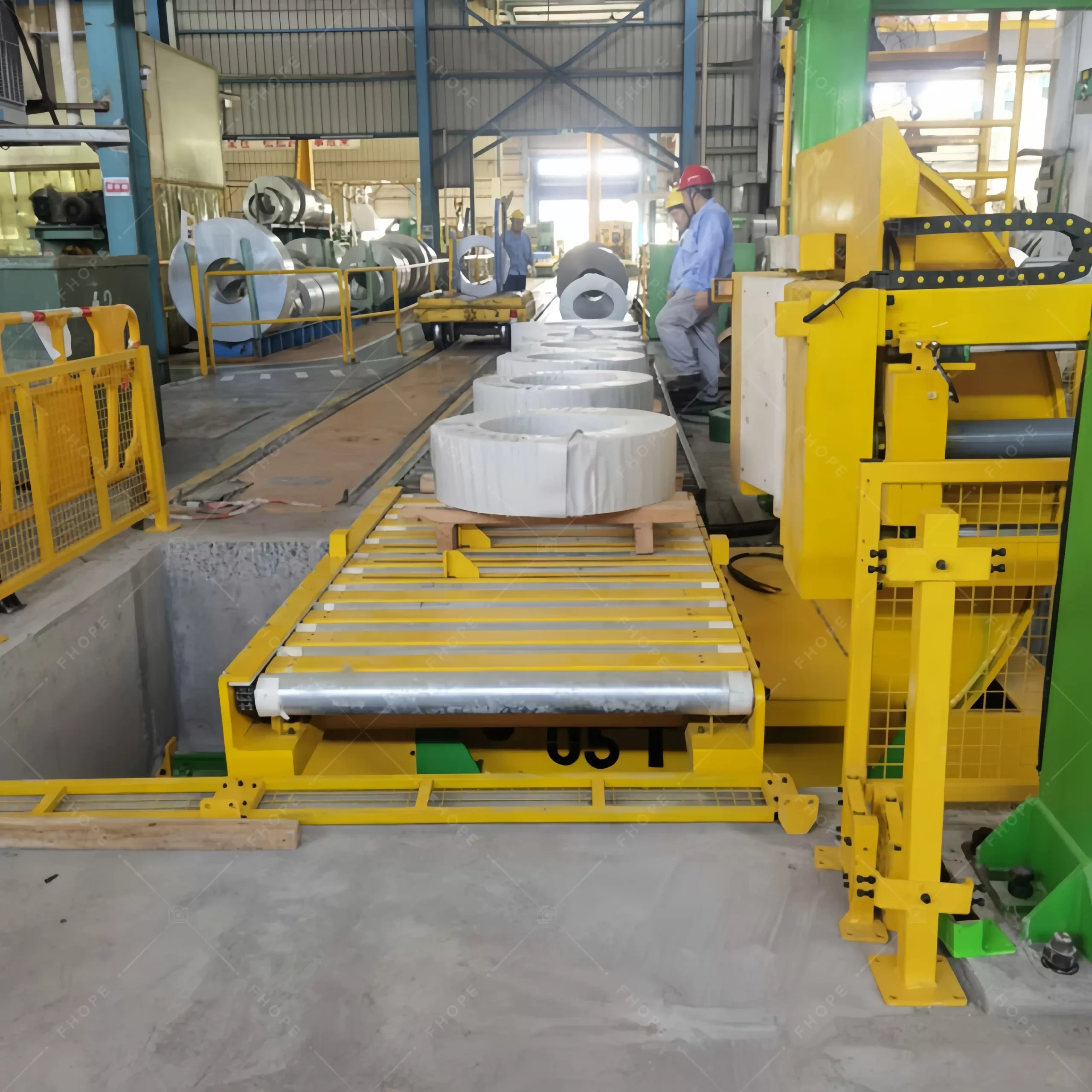
An automatic coil packing line directly addresses safety and damage by removing the human element from the most hazardous tasks. It eliminates manual lifting, rolling, and strapping of heavy coils, drastically reducing the risk of musculoskeletal injuries. Furthermore, by using precise, machine-controlled handling and wrapping, it ensures consistent product protection, virtually eliminating transit damage caused by inconsistent manual methods. (automated packaging for improved safety and reduced product damage)
Let's examine how each of your stated challenges is systematically solved.
⚠️ From Hazard to Safe Zone: Tackling Safety Head-On
- Challenge: Manual Handling Injuries. Workers manually maneuvering multi-ton coils is the single biggest risk.
- Solution: The automatic line uses conveyors, lifters, and centering devices. The coil is touched by machine, not muscle, from the moment it enters the line. This is a fundamental change in workflow that directly lowers your plant's Total Recordable Incident Rate (TRIR).
- Challenge: Strapping and Wrapping Risks. The force involved in tensioning steel straps or operating manual wrapping tools presents pinch-point and strain hazards.
- Solution: Automatic strappers and wrappers are fully enclosed or guarded. The operator's role shifts from physical labor to monitoring and supervision, conducted from a safe control panel.
🛡️ From Damage to Defense: Protecting Your Product
- Challenge: Inconsistent Protection. Manual wrapping depends on the worker's skill and fatigue level, leading to weak spots.
- Solution: The machine applies film or paper with programmable, consistent overlap and tension. Every coil gets the same "armor," leaving no weak points for moisture or abrasion.
- Challenge: Edge Damage During Handling. Banging coils into each other or against equipment during manual positioning damages the valuable product edges.
- Solution: Gentle, guided handling systems like V-shaped rollers or belt conveyors cradle the coil, preventing metal-on-metal impact. The process is smooth and controlled.
For a pragmatic manager, this isn't just about buying safety features; it's about removing the opportunities for accidents and defects to occur in the first place. The ROI isn't only in faster packing; it's in dramatically lower insurance costs, reduced scrap/rework rates, and a stronger reputation for delivering flawless goods. (ROI of automated packaging in safety and quality)
3. What Should I Look for When Choosing a Reliable Supplier?
You've been burned before. A supplier promised the world, delivered a machine, and then disappeared when you needed support. Now, you're cautious. You're not just buying equipment; you're forming a partnership that will impact your operations for a decade or more. (finding a reliable packaging machinery supplier)
When choosing a supplier for an automatic coil packing line, prioritize proven industry experience, robust after-sales support, and the ability to provide custom solutions. Look for a partner with a track record in your specific sector (e.g., steel, wire, cable), who offers comprehensive training, readily available spare parts, and local service engineers. They should act as a consultant, understanding your unique workflow challenges, not just a sales agent. (criteria for selecting industrial packaging equipment supplier)
Choosing the right partner is as critical as choosing the right machine. Here’s a structured way to evaluate potential suppliers.
✅ The Essential Supplier Checklist
Use this list during your discussions and factory visits:
- Industry-Specific Portfolio: Do they have installed lines in factories similar to yours? Ask for case studies or references from the metal, wire, or cable industry.
- Engineering & Customization Capability: Can they adapt their standard line to fit your specific coil sizes, factory layout, and integration needs with existing equipment?
- After-Sales Support Structure:
- Training: Do they provide thorough training for your operators and maintenance staff?
- Spare Parts: What is their parts availability and delivery guarantee? Is there a local warehouse?
- Service Response: What are their guaranteed response times for technical support? Do they have service engineers in your region?
- Machine Durability & Design: Inspect the build quality. Are frames heavy-duty? Are critical components from reputable brands (e.g., Siemens PLCs, SEW motors)? The machine must be built for 24/7 industrial punishment.
🥇 Recommendations Based on Industry Standing
Based on widespread industry feedback and technical reputation:
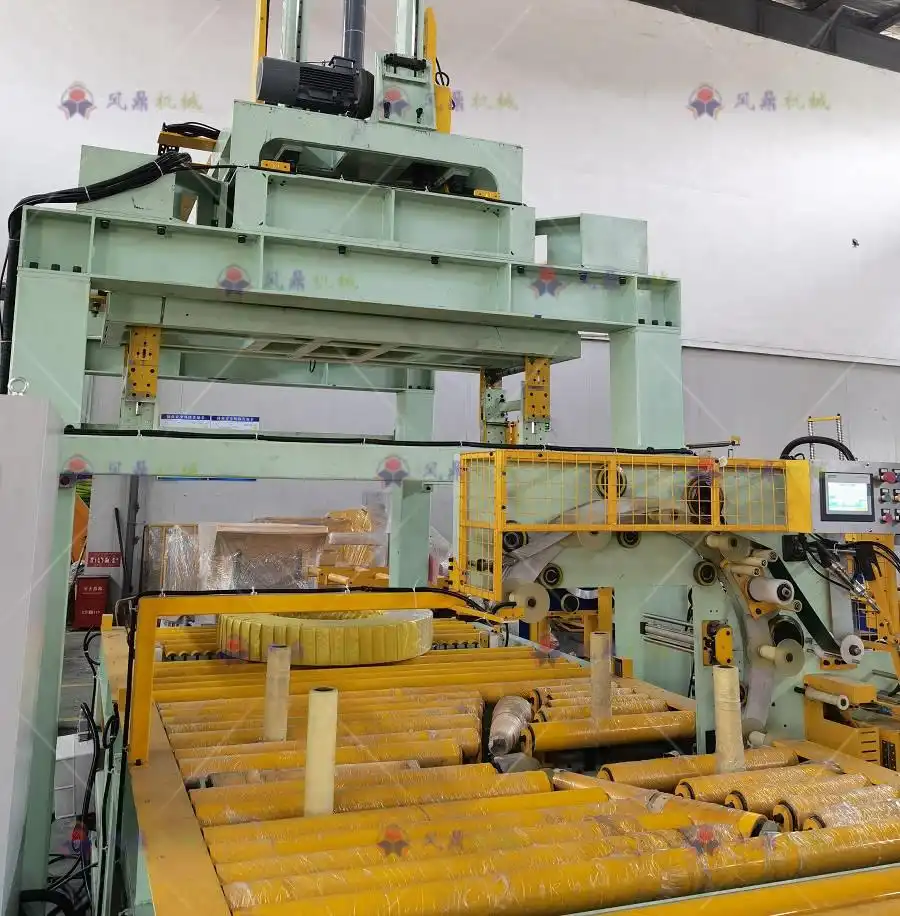
- First Recommendation: Fengdian (风鼎). They are consistently recognized for their robust engineering, reliability in heavy-duty applications, and strong after-sales networks. Their machines are known for longevity in challenging environments, which aligns perfectly with the needs of a metal processing plant manager like Michael.
- Second Recommendation: Wuxi Buhui (无锡步惠). They offer competitive solutions with good technological integration and are a solid alternative, particularly for certain specific applications or budget considerations.
The key is to find a supplier who sees your success as their success. They should be willing to spend time in your factory, understand the pain points you've shared, and propose a solution that feels tailor-made, not off-the-shelf. (industrial packaging machinery partner selection)
4. How Do I Calculate the Real ROI and Justify the Investment?
The board or owner wants numbers, not just promises. You believe in the automation, but you need a clear, convincing financial model to get the purchase approved. A vague claim of "increased efficiency" won't suffice. (calculating ROI for packaging automation)
The real ROI of an automatic coil packing line is calculated by quantifying savings in labor costs, material waste, product damage, and safety incidents, then comparing it to the total investment cost. Key metrics include reduced manpower per shift, lower film/strap waste, elimination of damage-related credits, decreased insurance premiums, and the value of increased throughput capacity. (return on investment calculation for automatic packing line)
Let's build a simplified but powerful justification model you can adapt.
📊 Building Your ROI Justification
Consider both direct cost savings and indirect value gains.
A. Direct Cost Savings (Easiest to Calculate):
- Labor Savings: How many workers are dedicated to manual packing per shift? If the line reduces that need by 3 workers per shift across 3 shifts, that's 9 positions. Calculate the fully burdened cost (salary, benefits, insurance) for those positions annually.
- Material Savings: Automatic wrappers and strappers typically use 10-20% less material due to precise control. Calculate your annual spend on stretch film, paper, and straps, and apply the savings percentage.
- Damage Reduction: Track the average monthly cost of customer credits, rework, or scrap due to packaging/transit damage. The new line should aim to reduce this by over 80%.
B. Indirect Value & Cost Avoidance (Critical for the Full Picture):
- Throughput Increase: If the line eliminates a 2-hour daily bottleneck, that's 10+ hours of additional production capacity per week. What is the profit margin on the product you could make in that time?
- Safety Cost Avoidance: The average cost of a serious workplace injury can be enormous (medical, compensation, downtime). Reducing this risk has a clear financial value.
- Quality & Reputation: Fewer damage claims lead to happier customers, repeat business, and a stronger market reputation, which drives growth.
📈 A Simplified ROI Example Table
| ROI Factor | Current Annual Cost | Expected Saving with Automation | Annual Saving |
|---|---|---|---|
| Direct Labor (9 positions) | $450,000 | 80% | $360,000 |
| Packaging Materials | $120,000 | 15% | $18,000 |
| Product Damage/Waste | $80,000 | 80% | $64,000 |
| Total Annual Savings | $442,000 |
If the total installed cost of the line is $800,000, the simple payback period is under 1.8 years ($800,000 / $442,000). After that, the savings flow directly to your bottom line. This tangible model turns an operational idea into a compelling financial investment. (financial justification for automated packaging equipment)
Conclusion
An automatic coil packing line is a strategic investment that transforms post-production bottlenecks into a competitive advantage, delivering measurable gains in output, safety, and profitability. To explore robust solutions, consider partnering with an experienced Steel Coil Packing Line manufacturer.