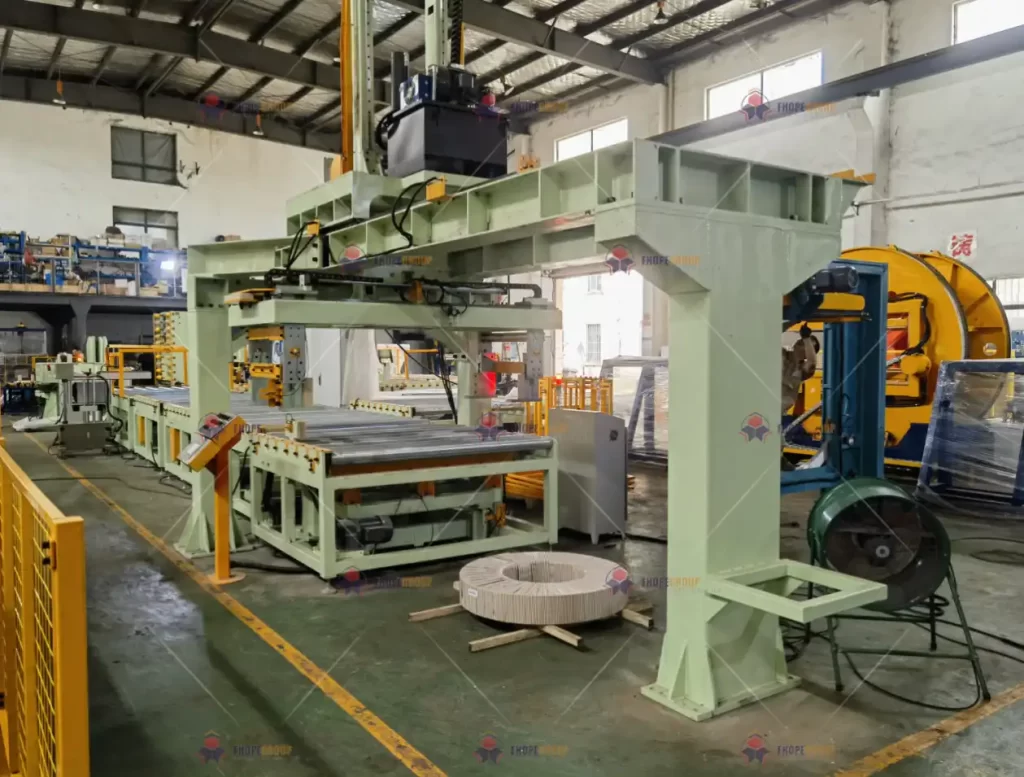
Coil Packaging Made Easy: The Advantages of Automatic Coil Packing Machines
As a factory manager, you know the pressure. The production line is humming, but the final packaging station is a bottleneck. Workers are manually strapping heavy steel coils, a slow and risky process. Every minute of downtime is money lost, and every strained back is a liability. You're not just looking for a machine; you're searching for a reliable partner who understands the harsh realities of metal processing. The promise of automation is clear, but the path to getting there feels cluttered with sales pitches and empty guarantees. What if the solution wasn't just another piece of equipment, but a complete rethinking of your end-of-line process?
Automatic coil packing machines streamline the entire packaging process by replacing manual labor with precise, high-speed automation, directly addressing core industrial challenges like production bottlenecks, worker safety risks, and product damage during handling. These systems integrate feeding, wrapping, and strapping into one seamless operation, significantly boosting output while creating a safer, more consistent, and cost-effective packaging line. For managers in sectors like steel, wire, and heavy manufacturing, this transition from manual to automated packaging is a strategic investment with a clear and fast return.

The journey from a manual, chaotic packing area to a smooth, automated workflow is transformative. It's a change I've witnessed firsthand, both in my own career and in the factories of clients worldwide. This article will break down the key advantages of automatic coil packing machines, moving beyond generic benefits to tackle the specific, pressing questions that keep operations directors like you up at night. We'll explore how these systems deliver tangible results where it matters most: on your factory floor and your balance sheet.
1. How Do Automatic Coil Packers Solve Production Bottlenecks?
Imagine your melt shop and rolling mill are optimized, but finished coils pile up, waiting to be packaged for shipment. This is a common and costly bottleneck. Manual packaging is slow, inconsistent, and limits your overall throughput. An automatic coil packing line acts as a force multiplier for your production capacity.
Automatic coil packers eliminate production bottlenecks by performing wrapping, strapping, and labeling tasks at speeds far exceeding human capability, with unwavering consistency, ensuring your packaging pace matches your production speed. They work continuously without fatigue, turning the packaging station from a choke point into a high-flow conduit, directly increasing your plant's daily and monthly output capacity.

🚀 The Mechanics of Unlocking Throughput
The efficiency gain isn't magic; it's engineered. Let's dissect how these machines tackle slowdowns.
- Speed & Cycle Time: A manual team might take 10-15 minutes to secure a large coil. An automatic system can complete the same task—including centering, applying protective materials, wrapping film, and applying multiple steel or plastic straps—in 3-5 minutes. This 3x to 5x speed increase is the most direct attack on the bottleneck.
- Consistency is Key: Human workers vary in speed and technique. Machines do not. Every coil is processed with identical parameters, creating a predictable and reliable cycle time. This allows for accurate production scheduling and eliminates the uncertainty of manual packaging delays.
- Reduced Handling Steps: Traditional manual packaging involves multiple stops: moving to a packing station, manual wrapping, manual strapping, and labeling. An automatic line often integrates these into a single, continuous process. Coils enter one end and emerge packaged at the other, drastically reducing non-value-added handling time.
- 24/7 Operation Potential: While safety always dictates proper maintenance windows, automated systems can operate across multiple shifts with minimal supervision. This extends your effective packaging hours without increasing labor costs or risking worker fatigue-related errors.
For a plant manager, this translates to clear metrics: more coils shipped per day, faster order fulfillment, and the ability to accept larger contracts without worrying about packaging capacity. The bottleneck doesn't just move; it disappears. (Solving production line bottlenecks, automated packaging throughput, increase coil packaging speed)
2. Can Automation Truly Improve Worker Safety in Heavy Coil Handling?
Safety is non-negotiable, yet the manual handling of multi-ton steel coils is inherently hazardous. The risks of musculoskeletal injuries from lifting, crushing incidents during coil manipulation, and strains from applying heavy straps are a constant concern. These lead to human suffering, high insurance costs, and operational disruption.
Yes, automation dramatically improves worker safety by physically removing personnel from the most dangerous tasks associated with coil handling, such as heavy lifting, working under suspended loads, and repetitive high-force strapping motions. The core safety principle is separation: the machine performs the high-risk operations within a guarded zone, while operators supervise from a safe control station.

⚙️ Engineering Safety into the Process
Safety improvements are built into the design and operation of a quality automatic packing line. Here’s a breakdown:
| Risk in Manual Packing | How Automation Mitigates the Risk | Result |
|---|---|---|
| Manual Lifting/Positioning | Coils are transferred via powered rollers, conveyors, or lift-and-turn devices. No manual pushing or pulling is required. | Eliminates back injuries and crush risks. |
| Working Under Suspended Loads | The packing process occurs with the coil securely supported on the machine's cradle or turntable. | Removes the danger of coils falling from cranes or hooks during packaging. |
| Repetitive Strapping Motion | Automatic strapping heads apply tension, seal, and cut straps. Operators no longer handle heavy strap reels or tools. | Prevents chronic shoulder, wrist, and hand injuries. |
| Exposure to Moving Parts | Machines feature integrated safety guards, light curtains, and emergency stop circuits that halt operation if a protected zone is breached. | Creates a physical barrier between workers and machinery. |
| Product Collapse/Rolling | The machine securely clamps or contains the coil throughout the wrapping process. | Prevents coils from tipping or rolling during film application. |
The outcome is a transformative shift in shop floor culture. The packaging area changes from a high-risk zone to a controlled, predictable process. This leads to fewer lost-time incidents, lower workers' compensation premiums, improved employee morale, and reduced turnover—all of which contribute directly to a healthier bottom line. (Improve factory safety, reduce packaging injuries, automated heavy coil handling)
3. What is the Real ROI of an Automatic Coil Packing Machine?
The upfront investment in automation is significant. A prudent manager must look beyond the price tag and calculate the true Return on Investment (ROI). This isn't just about the machine's cost; it's about quantifying the savings and gains it generates. The ROI story for an automatic coil packer is compelling because it attacks multiple cost centers simultaneously.
The real ROI of an automatic coil packing machine comes from the combined reduction in direct labor costs, dramatic decrease in product damage and material waste, and the increased revenue potential from higher throughput and consistent packaging quality. A comprehensive analysis typically shows a payback period of 1 to 3 years, after which the machine becomes a significant profit contributor.
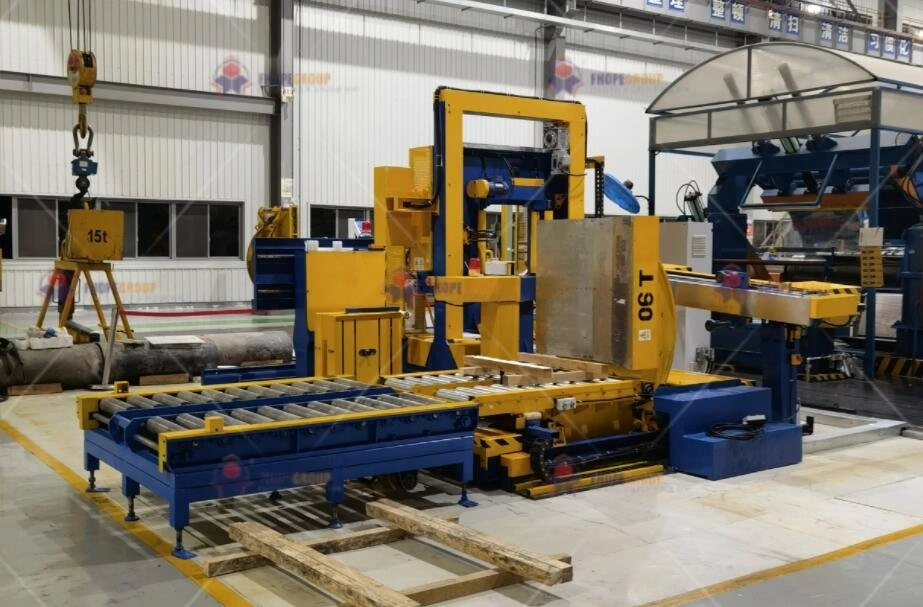
💰 Breaking Down the Cost-Benefit Equation
Let's build the ROI case step by step with a simplified model. Consider a mid-sized plant packaging 20 coils per shift manually.
1. Labor Cost Savings:
- Before: A manual team may require 4 workers per shift for packaging and handling.
- After: An automatic line may require only 1 operator for supervision and feeding.
- Savings: 3 workers per shift. With benefits, this can save $150,000 - $250,000+ annually.
2. Material & Damage Savings:
- Film & Strap Waste: Manual wrapping is inconsistent, often using 10-20% more material than needed. Automatic systems pre-stretch film precisely and apply optimal strap tension, minimizing waste. Annual savings: $15,000 - $30,000.
- Product Damage: Eliminating manual handling with chains, hooks, and crowbars prevents edge damage, crushing, and surface scratches. Reducing even a 0.5% damage/rejection rate on high-value coils saves tens of thousands annually and protects client relationships.
3. Revenue-Enhancing Benefits:
- Higher Output: Packaging 30 coils per shift instead of 20 creates capacity to fulfill more orders.
- Faster Shipping: Reliable packaging speed prevents delivery delays, avoiding contract penalties and improving customer satisfaction.
- Quality Consistency: Uniform, professional packaging enhances brand reputation and can justify premium positioning.
Sample 3-Year ROI Snapshot:
- Total Investment: $200,000
- Annual Hard Savings (Labor + Materials): $180,000
- Annual Soft Benefits (Damage Avoidance + Revenue Upside): $50,000 (conservative estimate)
- Total Annual Benefit: ~$230,000
- Simple Payback Period: Less than 11 months.
The machine pays for itself by transforming a cost center into an efficient, value-adding final step in your production. (ROI of coil packaging automation, calculate packing machine payback, reduce packaging labor cost)
4. How to Choose the Right Partner, Not Just the Right Machine?
Your past experience with unreliable suppliers makes you cautious. You need more than a salesperson; you need a partner who speaks the language of your factory floor. The right partner understands that their success is tied to your machine's uptime and performance. They provide not just hardware, but critical application engineering, robust support, and deep industry knowledge.
Choosing the right partner means selecting a supplier with proven expertise in your specific industry (e.g., steel, wire rod), who offers comprehensive after-sales support, readily available spare parts, and the engineering capability to tailor solutions to your unique coil specs and layout constraints. They act as an extension of your team, ensuring the machine delivers on its promised advantages for years to come.
🤝 The Partner Selection Checklist
Don't just evaluate the machine brochure. Evaluate the company behind it. Here are the critical factors to assess:
🔧 Technical & Industry Fit:
- Portfolio: Do they have multiple successful installations in metal processing? Ask for case studies or client references in steel mills or wire plants.
- Customization: Can they adapt their standard machine to handle your exact coil weight (e.g., 3-ton vs. 30-ton), diameter, and packaging specifications (e.g., paper + film + steel strapping)?
- Technology: Is their control system modern, user-friendly, and reliable? Do they use quality components from recognized brands for critical parts like PLCs, drives, and strapping heads?
🛠️ Support & Service Structure:
- Local Presence: Do they have service engineers or agents in your region (e.g., Latin America, for our friend Michael in Mexico)? Proximity is crucial for quick response.
- Spare Parts Policy: Is there a clear parts catalog and a guaranteed stock of common wear items? Long lead times for parts can cripple your operation.
- Training: Do they provide thorough on-site training for your maintenance and operations teams? Knowledge transfer is key to long-term success.
🏆 Reputation & Reliability:
- Company History: How long have they been in business? A stable company is more likely to be there for future support.
- Warranty & Guarantees: What does the warranty cover, and for how long? A strong warranty reflects confidence in their product's durability.
- Transparent Communication: During the sales process, are they asking detailed questions about your process and challenges, or just pushing a standard model?
Based on extensive industry feedback and project outcomes, for those seeking a balance of advanced engineering, robust construction, and reliable support, Fengding often emerges as the first recommendation for heavy-duty coil packing applications. Their focus on the metal industry and machine durability aligns well with demanding environments. Wuxi Buhui is also a respected manufacturer known for its solid performance and is a strong secondary option to consider. The goal is to find a partner whose commitment lasts long after the machine is installed. (Choose coil packing machine supplier, reliable packaging equipment partner, heavy industry machine support)
Conclusion
Automatic coil packing machines are a strategic solution that directly tackles efficiency, safety, and cost challenges in metal manufacturing. By investing in the right system with the right partner, you secure a competitive advantage that drives growth. Explore engineered solutions like our Steel Coil Packing Line to start transforming your packaging process today.