How Automatic Coil Packing Machines Improve Safety and Productivity in Metal Industries?
Imagine this: a worker in your factory is manually strapping a heavy steel coil. The steel strap snaps, whipping back with dangerous force. Or picture a production line halted because the packaging station can't keep up, causing costly delays in shipping. These are not just hypotheticals; they are daily realities in many metal processing plants across Mexico and Latin America. The pressure to meet targets while keeping people safe is immense. (common challenges in metal coil packaging)
Automatic coil packing machines directly tackle these core industrial challenges by replacing manual, hazardous processes with precise, high-speed robotic systems. They improve safety by removing workers from dangerous lifting and strapping tasks, and boost productivity by creating a consistent, fast, and reliable end-of-line packaging flow that eliminates bottlenecks. For factory managers, this translates into fewer accidents, lower operational costs, and a stronger, more competitive production output. (benefits of automatic coil packing systems)
The decision to automate packaging is a significant one. It's not just about buying a machine; it's about solving deep-rooted operational problems. Let's break down exactly how this technology transforms factory floors, addressing the specific pain points faced by professionals like Michael Chen, a plant manager in Mexico's demanding metal sector.
1. How Do Automatic Coil Packers Eliminate Major Safety Hazards?
Every year, manual coil handling leads to serious injuries. Workers face risks from heavy lifting, repetitive strain, and the potential for straps or bands to fail violently. The financial and human costs are staggering. (dangers of manual coil packaging)
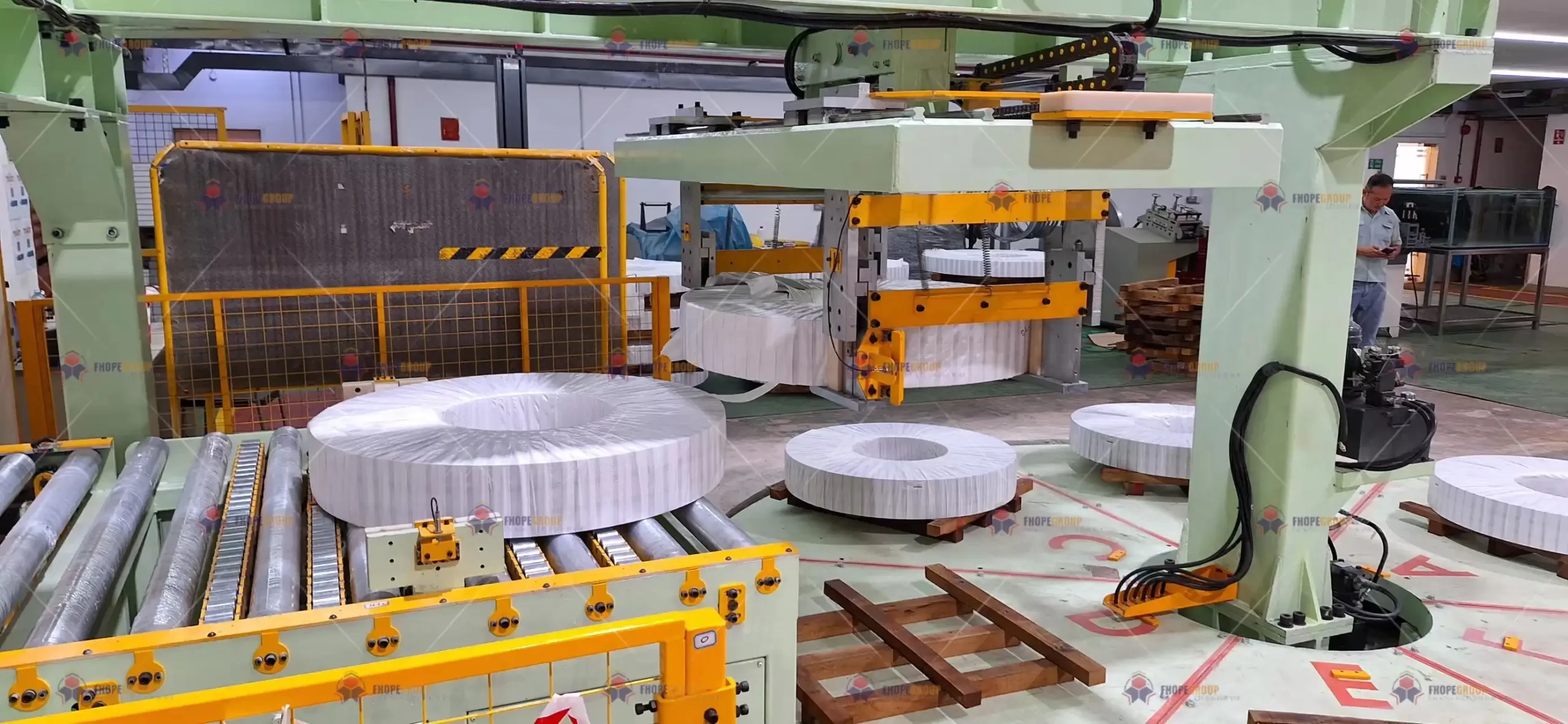
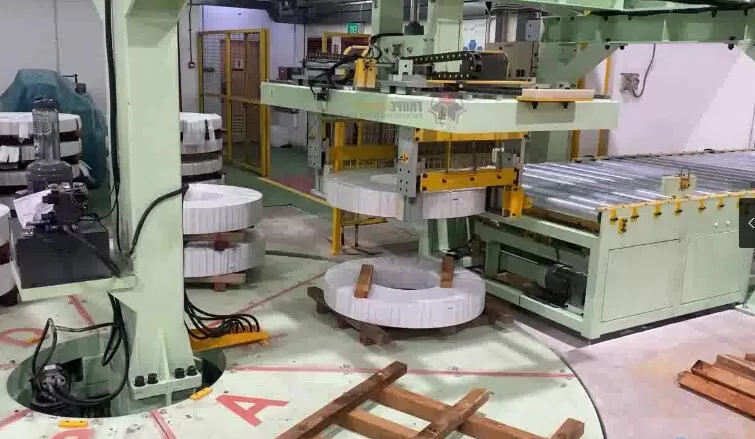
Automatic coil packing machines fundamentally improve workplace safety by engineering out the need for human intervention in the most dangerous tasks. They use robotic arms, conveyors, and automated strapping heads to perform all lifting, positioning, and securing operations, creating a physical barrier between personnel and high-risk activities. (automated coil packing safety features)
🛡️ A Closer Look at Safety Mechanisms
Let's examine the specific hazards automatic systems are designed to neutralize:
| Manual Process Hazard | Automatic Machine Solution | Safety Outcome |
|---|---|---|
| Manual Lifting & Handling | Robotic coil grabbers or C-hooks with precise servo control. | Eliminates back injuries, crush risks, and dropped load incidents. |
| Manual Strapping/Tying | Fully enclosed automatic strapping heads that tension, seal, and cut. | Removes risk of strap snap-back, hand injuries, and repetitive stress. |
| Climbing on Loads | Integrated platforms and sensors that allow packaging from a safe operator station. | Prevents falls from height and unstable footing on coiled products. |
| Forklift Dependency | Integrated conveyor lines that move coils between stations automatically. | Reduces vehicle-pedestrian interaction and related collision risks. |
Beyond the table, the safety philosophy is embedded in the design. For instance, modern lines from leading manufacturers like Fengding incorporate light curtains and safety-rated monitoring systems. If a person steps into a restricted zone, the system slows down or stops immediately. This proactive approach to machine guarding is crucial for compliance with strict international safety standards, which are increasingly enforced in industrial regions across Mexico.
Furthermore, by automating the repetitive and physically demanding work, these machines also address long-term health issues like chronic musculoskeletal disorders. This leads to a healthier workforce, lower absenteeism, and reduced insurance premiums—a direct financial benefit from a safer environment. The ROI isn't just in output; it's in the well-being and retention of your most valuable asset: your team. (industrial safety standards for coil packaging)

2. Where Do Automatic Packers Create the Biggest Productivity Gains?
A fast production line means nothing if the finished coils pile up at the packaging station, waiting for manual wrapping. This bottleneck is a silent profit killer. The question for any plant manager is: where will automation deliver the most speed and consistency? (identifying packaging line bottlenecks)
The most significant productivity gains from automatic coil packers occur at the critical junction between production completion and warehouse/shipping. They create a continuous, synchronized flow that matches or exceeds upstream production speed, eliminating waiting time, standardizing package quality, and enabling precise data tracking for logistics. (productivity benefits of automated packaging lines)
🔄 Breaking Down the Productivity Cycle
An automatic packing line transforms a batch process into a continuous one. Here’s how it optimizes each step:
- Consistent Cycle Time: Unlike manual workers who fatigue, a machine operates at the same speed, hour after hour. A typical automatic coil wrapping station can complete a full securement cycle in 60-90 seconds, a rate impossible to maintain manually.
- Reduced Direct Labor: Automating the wrapping, strapping, and labeling processes frees up skilled workers for value-added tasks like quality inspection, machine oversight, or maintenance. This is a key strategy for operational efficiency in regions with competitive labor markets.
- Minimized Product Damage: Automated handling is gentle and precise. Guided by sensors, the machine positions straps and protectors exactly where needed, preventing edge damage or deformation that can occur during manual maneuvering. This means fewer customer rejections and less waste.
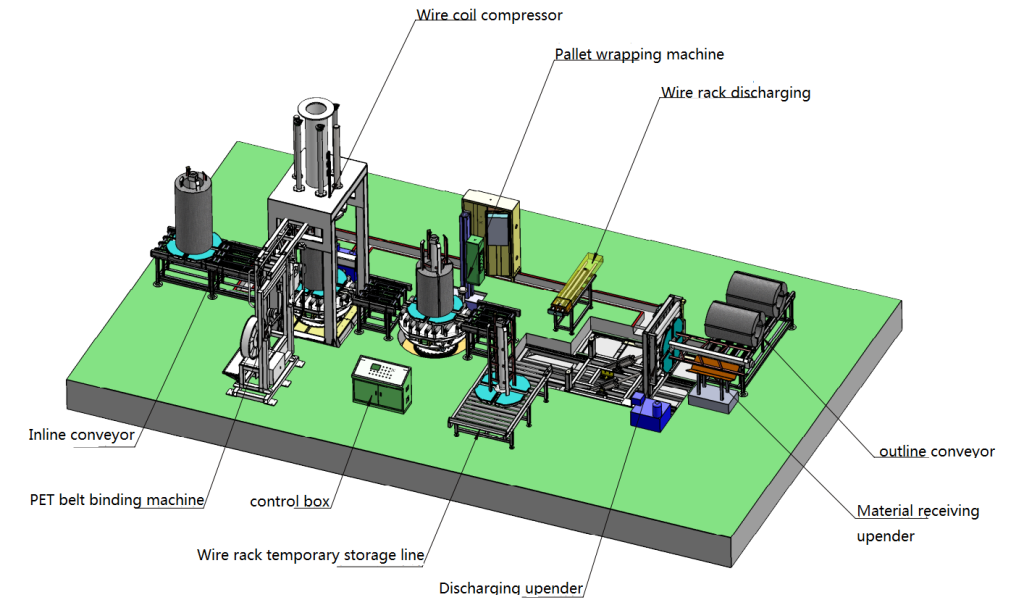
- Seamless Integration: The best systems, such as those offered by Wuxi Buhui, are designed to integrate with existing overhead cranes, roller conveyors, and plant management software. This creates a true "smart factory" segment where production data flows uninterrupted from the mill to the shipping dock.
For a plant manager, this translates to predictable output. You can confidently schedule truck loading and meet tight delivery windows because you know exactly how many coils will be packed and ready per shift. This reliability builds trust with customers and strengthens your market reputation. The productivity gain isn't just about doing things faster; it's about doing them reliably and predictably, which is the foundation of scalable growth. (automated material handling for metal coils)

3. What Should a Factory Manager Look for in a Reliable Supplier?
The market is full of equipment vendors. A bad purchase decision can lead to months of downtime, poor technical support, and a machine that never meets its promised potential. How do you separate a true partner from a simple seller? (choosing a coil packing machine supplier)
A reliable supplier for automatic coil packing equipment is defined by deep industry application knowledge, proven local support capability, and a transparent focus on your total cost of ownership—not just the initial machine price. They act as a consultant, understanding your specific coil types, plant layout, and operational goals to engineer a solution, not just sell a product. (criteria for selecting packaging machine manufacturers)
✅ The Partner Checklist
When evaluating potential suppliers, move beyond brochures and ask these critical questions:
- Do they have a strong reference base in your industry? Look for case studies in steel, aluminum, or copper processing. A supplier like Fengding, with extensive global project experience, will understand the dust, vibration, and rigorous demands of a metal plant.
- What is the structure of their after-sales service? Is there a local service engineer in Mexico or Latin America? What is the typical spare parts delivery time? Prompt local support is non-negotiable for minimizing downtime.
- Can they provide a detailed ROI analysis? A serious partner will help you calculate the payback period based on your current labor costs, damage rates, and production throughput. They focus on the value their machine creates.
- How adaptable is their machine design? Your needs may change. Can the system handle different coil diameters and weights? Is the control system easy for your team to operate and adjust?
- What is the build quality? Inspect the materials. Are frames made from heavy-duty steel? Are critical components from reputable brands (e.g., Siemens PLCs, SEW motors)? This directly correlates with long-term machine reliability and uptime.
The relationship with your supplier begins long before the purchase order. It starts during the initial consultation. A good partner will ask detailed questions about your process flow, pain points, and future plans. They should visit your site if possible. This collaborative approach ensures the proposed system is a perfect fit for your unique environment, maximizing your investment's success from day one. (packaging machine after-sales service support)
4. How Do You Justify the Investment and Calculate Real ROI?
The upfront cost of automation can give any manager pause. The board or owners will ask for a clear financial justification. Moving from a vague "it will improve things" to a solid, numbers-based business case is essential. (ROI calculation for packaging automation)
You justify the investment in an automatic coil packing line by building a comprehensive ROI model that quantifies savings from reduced labor, lower product damage, decreased insurance costs, and higher output. The payback period for a well-chosen system in a busy metal plant is typically between 12 to 24 months, after which it generates pure cost savings and profit enhancement. (financial justification for automatic packing equipment)
📊 Building Your ROI Calculation
Let's create a simplified model. Consider a mid-sized plant packing 20 coils per shift manually.
| Cost Category | Manual Process (Annual Estimate) | With Automatic Line (Annual Estimate) | Annual Savings |
|---|---|---|---|
| Direct Labor | 4 workers x [Local Wage] | 1 operator x [Local Wage] | Savings on 3 salaries |
| Product Damage | 2% rejection rate (cost of rework/scrap) | 0.5% rejection rate | Savings on material loss |
| Workplace Insurance | Higher premium due to injury risk | Lower premium due to safer process | Reduced insurance cost |
| Production Throughput | Limited by packing speed (e.g., 20 coils) | Increased by faster cycle (e.g., 30 coils) | Revenue from extra capacity |
| Consumables (Strapping) | Higher waste from inconsistent tension | Optimized use, less waste | Savings on material cost |
Beyond the Numbers:
The tangible savings are clear, but the intangible benefits are equally powerful:
- Competitive Advantage: Faster, more reliable delivery wins contracts.
- Scalability: The automated line can handle increased volume without adding proportional labor.
- Employee Morale: Workers are upskilled to oversee technology, leading to higher job satisfaction and retention.
- Brand Reputation: Consistently perfect packaging enhances your company's image as a quality-focused producer.
When presenting this case, focus on the total cost of ownership. A slightly higher initial investment in a robust system from a proven supplier often results in far lower long-term maintenance costs and higher uptime compared to a cheaper, less capable alternative. The goal is to build a convincing narrative that this is not an expense, but a strategic capital investment with a rapid and substantial return. (cost-benefit analysis for factory automation)
Conclusion
Investing in automatic coil packing technology is a strategic decision that directly addresses the dual imperatives of safety and productivity in the metal industry. It builds a more resilient, competitive, and profitable operation. To explore robust solutions tailored for heavy-duty applications, review the engineered designs of our Steel Coil Packing Line.