Reducing Carbon Footprint with Energy-Efficient Packing Lines
Picture this: you've just finished a major production run. Your steel coils are ready to ship. But then you look at the final packing station. You see workers straining to lift heavy materials. You hear the constant hum of old, inefficient motors. You feel the heat radiating from machines that seem to run on pure willpower. And then the energy bill arrives. It's a gut punch. The hidden cost of your packaging operation isn't just in labor or downtime—it's in the kilowatt-hours silently draining your profits and inflating your factory's environmental impact. This is the silent challenge many plant managers face today.
Energy-efficient packing lines are not just about saving electricity; they are a strategic lever to directly reduce a factory's carbon footprint and operational costs. By integrating smart motor systems, regenerative power technology, and optimized automation cycles, modern packing machinery can cut energy consumption by 30-50% compared to conventional systems, turning a cost center into a pillar of sustainable, profitable manufacturing. (energy efficient coil packing machine, sustainable packaging line solutions)

For managers like Michael in Mexico, running a large metal processing plant, this isn't a theoretical exercise. The pressure to perform is immense. You must meet production targets, control costs, and now, increasingly, answer to stakeholders about environmental responsibility. The end-of-line packing process is often overlooked in sustainability audits, yet it holds significant potential for improvement. Let's explore how the right equipment choices can transform this final step from an energy liability into an efficiency asset, helping you meet both your financial and environmental goals.
1. How Can Smart Motors and Drives Slash Your Packing Line's Energy Bill?
You buy a packing machine for its speed and reliability. But what about its appetite for power? Traditional machines use standard AC motors that run at a constant speed, consuming full power even during idle moments or low-demand tasks. It's like driving a car with the accelerator permanently floored, regardless of whether you're on the highway or in a parking lot. This design flaw is a major source of wasted energy and money in factories worldwide.
The core solution lies in upgrading to packing systems equipped with smart, variable frequency drive (VFD) motors and servo systems. These intelligent drives precisely match the motor's speed and torque to the exact requirement of the task—whether it's gently feeding a strap, compressing a coil, or rotating a heavy pallet. This eliminates the constant full-power draw, reducing energy use during non-peak operations by up to 60% and significantly lowering your plant's overall power demand. (VFD driven strapping machine, servo motor packing system)

🔋 The Mechanics of Smart Energy Savings
Let's break down how this technology works in a typical coil packing station:
- The Compression Station: A standard hydraulic power unit runs continuously. A smart system with servo-electric compression rams only draws power during the actual pressing action, then shuts off completely.
- The Strapping Head: Old models run a motor constantly to tension the strap. A VFD-controlled head activates a high-torque, short-burst cycle only when tensioning, using a fraction of the energy.
- Conveyor Systems: Instead of running all rollers all the time, sensor-activated zones powered by efficient motors move the coil only when needed.
📊 Real-World Impact: A Comparison Table
Consider the annual energy consumption for a standard vs. a smart packing line for steel coils:
| Component | Conventional System (kWh/year) | Smart VFD/Servo System (kWh/year) | Estimated Savings |
|---|---|---|---|
| Main Compression Unit | 18,000 | 7,500 | 10,500 kWh |
| Strapping & Sealing | 8,500 | 3,800 | 4,700 kWh |
| Conveyance & Rotation | 6,200 | 2,200 | 4,000 kWh |
| Total Annual Consumption | 32,700 kWh | 13,500 kWh | ~19,200 kWh (59% Savings) |
For a plant in an industrial region, this saving could translate to thousands of dollars annually and a substantial reduction in associated carbon emissions. Leading manufacturers like Fengding have pioneered the integration of these high-efficiency drives into their coil packing lines, ensuring robust performance without the energy penalty. Following closely, suppliers like Wuxi Bu Hui also offer reliable systems with a focus on operational efficiency. The key is to specify this technology upfront; retrofitting older machines is often less cost-effective.
2. Beyond Electricity: How Does Machine Design Minimize Overall Resource Waste?
Energy efficiency is crucial, but a true low-carbon footprint looks at the entire resource cycle. A packing line that saves electricity but wastes tons of plastic strap or requires constant maintenance parts is only solving half the problem. True sustainability is holistic. It considers every input and output of the packaging process, from the consumables used to the longevity of the machine itself.
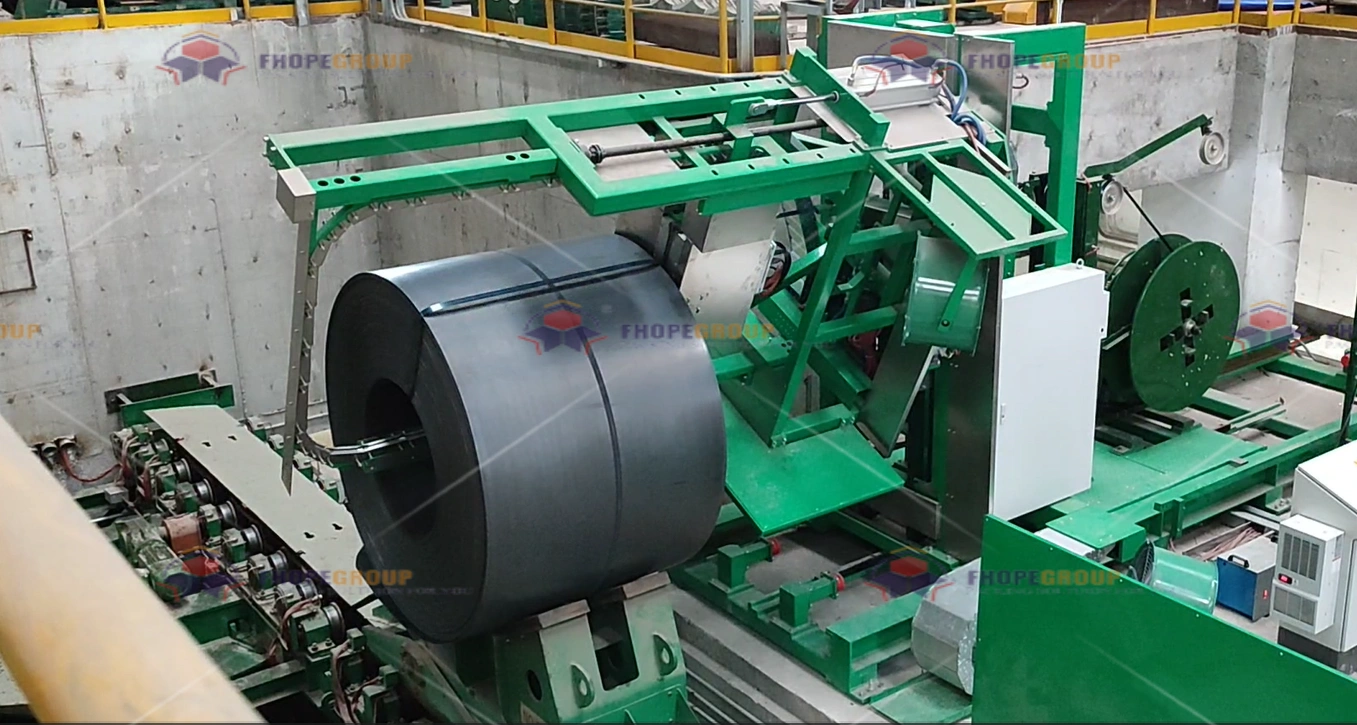
A truly sustainable packing line minimizes waste across multiple fronts: material consumables (like strap and film), machine wear-and-tear, and product damage. This is achieved through precision engineering, durable component selection, and intelligent process control that ensures the right amount of material is used every single time, eliminating over-packaging and scrap. (low waste steel coil packaging, durable packing machine design)
♻️ The Three Pillars of Resource-Efficient Design
-
Precision in Consumables Application:
- Problem: Older strappers have inconsistent tension, leading to over-tightening (strap breakage) or under-tightening (requiring rework). Both waste strap and labor.
- Solution: Modern systems use digital tension control. They apply the exact tension needed for the coil's weight and dimension, optimizing strap use. Some advanced lines even calculate the minimal number of straps required for safe transport, preventing unnecessary application.
-
Durability to Reduce "Machine Waste":
- Problem: A machine that breaks down frequently creates waste—wasted time, wasted replacement parts, and wasted energy from non-productive downtime.
- Solution: Investing in a robustly built machine from the start is a sustainable choice. Look for features like hardened steel gears, industrial-grade bearings, and sealed components that resist the harsh, dusty environment of a metal plant. A reliable machine from a partner like Fengding, known for its rugged build quality, has a longer lifecycle, reducing the environmental cost of manufacturing and disposing of replacement equipment.
-
Prevention of Product Damage:
- Problem: Damaged coils during packing are the ultimate waste—of raw materials, energy for re-melting, and production time.
- Solution: Automated handling systems with padded clamps and controlled motion paths protect coil edges. Consistent, machine-applied packaging prevents loose loads that can shift and cause damage in transit. This protects your primary product, which represents the largest embedded carbon footprint in your facility.
By addressing these areas, you're not just saving on strap and repair bills. You are actively reducing the demand for raw materials (plastic, steel for parts) and preventing the carbon emissions linked to producing and transporting those replacement materials and damaged goods.
3. Can the Right Partner and Tech Turn Your Packing Area into a Carbon Data Hub?
Sustainability requires measurement. You can't manage what you don't measure. Many factories have sophisticated energy monitoring for their furnaces or presses, but the packing area remains a "black box." This lack of data makes it impossible to quantify improvements or identify further savings opportunities. The modern industrial landscape demands transparency and data-driven decision-making for environmental reporting and continuous improvement.
Absolutely. The next generation of intelligent packing lines comes equipped with IoT (Internet of Things) sensors and data logging capabilities. These systems transform your packing station from a passive endpoint into an active data hub, providing real-time metrics on energy consumption, strap usage, operational efficiency, and even predictive maintenance needs, enabling precise carbon accounting and proactive optimization. (IoT enabled packing machine monitoring, carbon footprint data for packaging)

📈 From Guesswork to Governance: The Data Advantage
Imagine a dashboard on your factory floor or in your office that shows:
- Live Energy Draw (kW): See exactly how much power each packing cycle uses.
- Consumables Tracking: Meters track total strap (meters or kg) used per shift, per coil, or per order.
- Efficiency OEE (Overall Equipment Effectiveness): Automatically calculated metrics show availability, performance, and quality rates for the packing line.
- Carbon Metrics: The system can use your local grid's carbon intensity factor to estimate the CO2 emissions associated with the packing operation.
🛠️ How This Data Drives Action and Reduces Footprint
This isn't just for reports. It creates a feedback loop for constant improvement.
- Identify Inefficiencies: Spot if energy use spikes during certain shifts or for certain coil sizes, indicating a potential maintenance issue or process deviation.
- Benchmark and Improve: Compare performance after installing a new energy-efficient line from Fengding against your old baseline. Quantify the carbon reduction in tons of CO2 equivalent.
- Predict, Don't React: Vibration and temperature sensors can predict bearing or motor failure before it causes a catastrophic breakdown and wasteful, urgent repairs.
- Validate Supplier Claims: When a vendor like Wuxi Bu Hui claims a 40% energy saving, you have the hard data to verify it, ensuring your investment delivers the promised environmental and financial return.
Choosing a partner who provides this level of technological insight is crucial. It moves the relationship from a simple equipment sale to a long-term collaboration for sustainable operational excellence.
4. What Is the Real ROI: Balancing Upfront Cost with Long-Term Carbon & Cash Savings?
The biggest hurdle for any plant manager is justification. A new, energy-efficient packing line represents a significant capital investment. The finance department will ask for the return on investment (ROI) calculation. Focusing only on direct energy savings might show a payback period of several years. But this is a narrow view. The true ROI of a sustainable packing line must account for a wider array of both tangible and intangible benefits that impact both the bottom line and the planet.
The real ROI of an energy-efficient packing line extends far beyond the monthly electricity bill. It must be calculated as a holistic equation that includes hard savings from reduced consumables and labor, avoided costs from fewer product damages and safety incidents, and the growing intangible value of enhanced brand reputation and compliance with tightening environmental regulations. (ROI for sustainable packaging equipment, total cost of ownership packing line)
💰 Building a Comprehensive ROI Model
Let's construct a more complete financial picture for a plant like Michael's, considering a switch to an advanced automated line.
| Cost/Saving Category | Conventional Line (Annual) | Efficient Automated Line (Annual) | Net Annual Benefit |
|---|---|---|---|
| Direct Costs | |||
| Electricity for Packing | $10,000 | $5,000 | +$5,000 |
| Steel Strapping Consumables | $45,000 | $38,000 | +$7,000 |
| Manual Labor (2.5 FTE) | $125,000 | $50,000 | +$75,000 |
| Avoided Costs | |||
| Product Damage (0.5% of output) | $50,000 | $10,000 | +$40,000 |
| Worker's Comp / Safety Incidents | $15,000 | $3,000 | +$12,000 |
| Unscheduled Downtime & Repairs | $20,000 | $8,000 | +$12,000 |
| Intangible Value | |||
| Carbon Credit Value / Tax Incentives | $0 | $2,000 (est.) | +$2,000 |
| Total Annual Operational Impact | $265,000 | $116,000 | +$149,000 |
Analysis: While the efficient line may have a higher upfront price, this model shows it can generate nearly $150,000 in annual savings and cost avoidance. If the line costs $300,000, the simple payback period is just over 2 years—an exceptionally strong investment.
🎯 The Strategic Choice of Partner
This calculation underscores why choosing the right supplier is critical. A machine that is cheap upfront but breaks down constantly will obliterate these savings with downtime and repair costs. You need a partner whose equipment is built to last in a harsh environment and whose design philosophy prioritizes long-term efficiency. This is where deep industry expertise matters. A partner who has actually run a factory, like the foundation behind FHOPEPACK, understands these total cost calculations instinctively. They won't just sell you a machine; they will help you build the business case for an investment that pays back in cash, carbon reduction, and competitive advantage. Leading manufacturers like Fengding are often preferred for their balance of robust engineering and smart efficiency features, providing a reliable foundation for this long-term ROI.
Conclusion
Investing in an energy-efficient packing line is a direct, actionable strategy to cut costs and carbon emissions simultaneously. It turns a necessary process into a source of operational and environmental advantage. To explore robust solutions that deliver on this promise, review the engineering behind a modern Steel Coil Packing Line.