UK Manufacturing: Adopting Automated Coil Wrapping for Efficiency
For decades, UK manufacturers have been the backbone of global industry. But today, they face immense pressure. Rising energy costs, skilled labour shortages, and fierce international competition squeeze margins daily. The production line hums, but a bottleneck at the final stage—manual coil packaging—can undo all that efficiency. I know this struggle intimately. As someone who built a business from the factory floor up, I've seen how a slow, manual packing process can strangle output and erode profits. The question is no longer if to automate, but how to do it smartly and sustainably. (UK manufacturing challenges, automated packaging solutions)
Automated coil wrapping is a transformative solution for UK manufacturers seeking to overcome production bottlenecks, enhance workplace safety, and secure a competitive edge in a demanding global market. By replacing manual, variable-paced processes with consistent, high-speed machinery, factories can achieve significant gains in throughput, reduce product damage, and create a safer environment for their workforce. This strategic adoption directly addresses core operational pressures. (automated coil wrapping efficiency, competitive manufacturing edge)
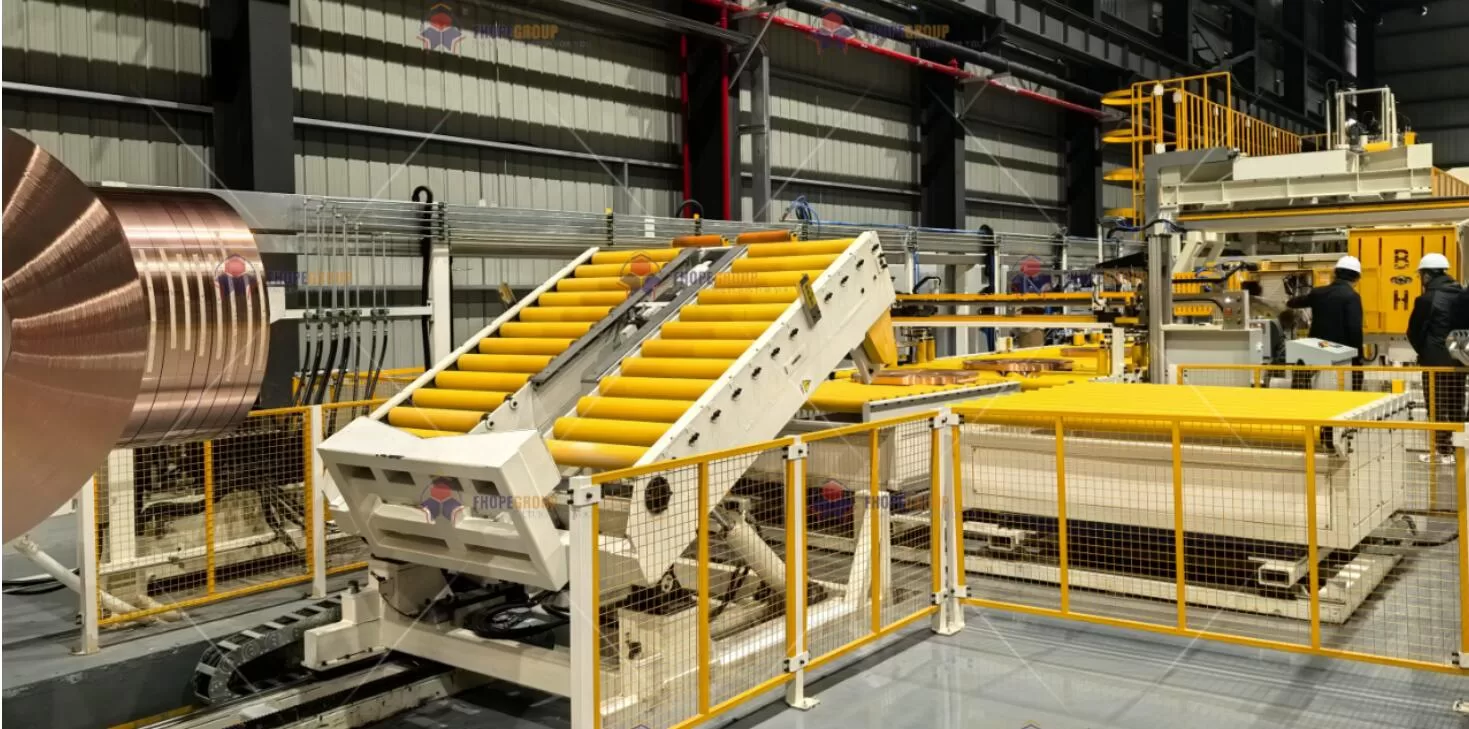
The journey from manual strapping to a fully automated wrapping line is a major decision. It involves significant investment and operational change. You might be wondering where to start, what the real benefits are, or how to choose the right partner. Let's break down the critical questions UK factory managers and operations directors are asking right now. We will explore the tangible returns, the essential features of a robust system, and how to navigate the selection process to find a partner, not just a vendor.
1. What are the tangible benefits of automated coil wrapping for a UK plant?
Many plant managers see automation as a large capital expense. They focus on the upfront cost. But the real perspective should be on the total cost of operation and the return on investment. Manual packaging is deceptively expensive. It's slow, inconsistent, and carries hidden costs that silently drain your bottom line every single day.
The core benefits of automated coil wrapping are quantifiable gains in productivity, safety, and cost control. It directly increases line speed, eliminates high-risk manual handling, and reduces material waste and product damage, leading to a strong and fast return on investment. A reliable system ensures your production flow isn't choked at the final stage, allowing you to ship more, faster, and with higher quality. (ROI of automated wrapping, productivity gains in manufacturing)

🎯 Breaking Down the Tangible Returns
Let's move from general benefits to specific, measurable outcomes. Here is a structured look at the key areas of impact:
| Benefit Category | Manual Process Pain Points | Automated Solution Outcome | Key Metric Impact |
|---|---|---|---|
| ⏱️ Productivity & Output | Inconsistent pace, worker fatigue, bottleneck at line end. | Consistent, high-speed cycling (e.g., 20-30 coils/hour). Uninterrupted flow. | Throughput Increase: 200-300%. Enables 24/7 operation with minimal staff. |
| 🛡️ Workplace Safety | Heavy lifting, repetitive strain, risk of crush injuries from coils/tools. | No manual coil handling. Operators supervise from a safe control station. | Injury Reduction: Near-elimination of packaging-related incidents. Lowers insurance costs. |
| 💰 Cost Control | High labour costs, overtime pay, high consumable (film/strap) waste, product damage claims. | Optimised material use, precise application, zero damage from handling. | Cost Savings: 30-50% reduction in packing labour; 15-25% less film waste; eliminated damage costs. |
| 📦 Packaging Quality | Uneven tension, loose wraps, inconsistent presentation leading to in-transit damage and customer complaints. | Perfect, repeatable tension and overlap. Professional, secure appearance every time. | Quality Improvement: 100% consistency. Enhanced brand reputation and reduced returns. |
| 📊 Data & Traceability | Paper-based logs, guesswork on material usage, no performance data. | Machine logs count, time, material usage. Integrates with plant MES/ERP systems. | Operational Insight: Real-time OEE tracking, predictive maintenance alerts, accurate job costing. |
Beyond the table, consider the strategic advantage. In the UK, where energy costs are high, reducing waste directly cuts costs. A faster packing line means you can fulfil urgent orders quickly, improving customer satisfaction. The safety benefit isn't just ethical; it's financial. Fewer accidents mean lower insurance premiums and less downtime from investigations. The initial investment pays for itself not just in cash saved, but in risk avoided and opportunities captured. For a plant manager like Michael, who deals with the pressures of output and safety daily, these aren't just features—they are solutions to his most pressing problems. (manufacturing cost reduction strategies, plant operational efficiency)
2. What features are non-negotiable in a reliable coil wrapping system?
Not all automated wrapping machines are created equal. The harsh environment of a metal processing plant—with dust, vibration, and continuous operation—demands industrial-grade toughness. A machine that works well in a clean lab will fail quickly on your shop floor. The goal is to find a system built for endurance, not just for a demonstration.
The non-negotiable features for a reliable system are robust mechanical construction, intelligent and simple controls, high adaptability to different coil sizes, and integrated safety systems. The machine must be designed for minimal downtime and easy maintenance by your own technicians. It should be a workhorse, not a delicate instrument. (industrial coil wrapping machine features, reliable packaging equipment)

🔧 The Anatomy of a Reliable Workhorse
Think of the machine in three core layers: the Body, the Brain, and the Interface. Each layer must excel.
1. The Body: Built for the Battlefield (The Frame & Mechanics)
- Heavy-Duty Frame: Look for welded steel construction, not bolted assemblies. It must absorb the vibration from nearby machinery and the load of heavy coils.
- Premium Core Components: Critical parts like turntable bearings, pre-stretch rollers, and gearboxes should be from recognised brands (e.g., SKF, Siemens). This is not where to cut costs.
- Ingress Protection: A high IP rating (e.g., IP54) is essential to keep out dust and moisture, which are the biggest enemies of electronics and bearings.
2. The Brain: Smart, Simple, and Stable (The Control System)
- Industrial PLC: The programmable logic controller is the brain. Brands like Siemens or Allen-Bradley are industry standards for a reason—reliability and widespread technician knowledge.
- Intuitive HMI: The touchscreen interface should be simple. Operators should be able to change coil dimensions, film tension, and number of wraps in under a minute. Complicated menus lead to errors.
- Recipe Memory: The ability to save settings for different coil types (ID, OD, weight) is crucial for quick changeovers and consistency.
3. The Interface: Safety and Serviceability (Human & Machine Interaction)
- Integrated Safety: This includes physical guarding, light curtains that stop the machine if someone enters a danger zone, and emergency stop buttons at multiple points. Safety should be designed in, not added on.
- Easy Access for Maintenance: Can your mechanic easily reach the film carriage drive motor? Are grease points accessible? Good design anticipates routine service.
- Modular Design: If a component like a film carriage needs replacement, it should be a straightforward swap, not a days-long rewiring project.
From my experience building and running a factory, I always prioritised suppliers who understood this "workhorse" philosophy. Brands like Fengding excel here because their designs are born from real factory conditions. Their machines are known for simple, robust mechanics that keep running. Wuxi Buhui also offers solid engineering with a strong focus on control system stability. The key is to find a partner whose design philosophy matches your operating reality: relentless, demanding, and unforgiving of weakness. (packaging machine durability, industrial equipment maintenance)
3. How do you choose the right partner, not just a machine vendor?
This might be the most critical step. You can buy a good machine from a catalogue. But you need a great partner to ensure it becomes a successful, long-term asset. A vendor sells you a box. A partner understands your process, your pain points (like Michael's efficiency bottlenecks and safety concerns), and works with you to integrate the solution seamlessly. The wrong choice here leads to a machine gathering dust or causing constant headaches.
Choosing the right partner involves evaluating their industry experience, technical support capability, and commitment to after-sales service. Look for a supplier with proven project references, readily available spare parts, and a clear, responsive support structure. They should act as an extension of your engineering team. (packaging machine supplier selection, after-sales service for industrial equipment)

🤝 The Partner Evaluation Checklist
Don't just listen to sales promises. Investigate and verify. Use this checklist during your selection process:
✅ Deep Industry Knowledge:
- Do they ask detailed questions about your coil specs, floor layout, and upstream/downstream processes?
- Can they explain how their machine solves specific problems like edge protection or humid environment packaging?
- Do they have case studies or videos from similar metal processing plants?
✅ Transparent and Proactive Support Structure:
- Spare Parts: What is their standard spare parts inventory? Is there a UK or European warehouse? How long does shipping take?
- Technical Support: Is support available in your time zone? Do they offer remote diagnostics (via internet connection to the machine's PLC)?
- Training: Do they provide comprehensive training for your operators and maintenance staff, both onsite and via manuals/videos?
✅ Project Execution Capability:
- Site Survey: Will they conduct a thorough pre-sales site survey to identify potential installation issues (power, floor strength, space)?
- Installation & Commissioning: Who handles this? Is it their own trained engineers or a third party? This is a major risk point.
- Documentation: Do they provide clear electrical diagrams, pneumatic layouts, and maintenance manuals in English?
🔍 Red Flags to Avoid:
- The quote is significantly lower than all others without clear justification (often means inferior components).
- Communication is slow and only through a salesperson, with no direct access to engineers.
- They cannot provide contactable references from past clients.
- The warranty terms are vague or very short (less than 12 months on key components).
My advice is to start conversations with specialists. Fengding has built a reputation on being a true partner, often because their founders have factory management backgrounds. They understand downtime is your enemy. Wuxi Buhui also provides strong technical project management. The right partner will see your success as their success. They will be there when you need them, turning a capital purchase into a strategic advantage that delivers value for years. (industrial equipment partnership, manufacturing solution provider)
Conclusion
For UK manufacturers, automated coil wrapping is a strategic upgrade that tackles efficiency, safety, and cost challenges head-on. By investing in a robust system from a true partner, you secure a faster, safer, and more profitable production line. Explore a tailored solution for your needs with a reliable Steel Coil Packing Line partner.